For years, Playa del Carmen was the golden child of Mexican beach destinations. Budget-friendly, reliably sunny, and effortlessly accessible, it became the default choice for travelers seeking Caribbean vibes without breaking the bank. But something’s shifting beneath those powder-white sands.
The Price Tag Doesn’t Match the Experience Anymore
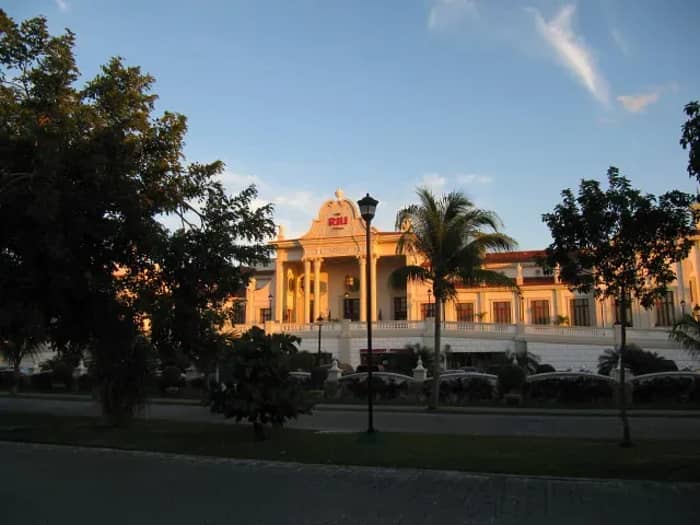
Playa del Carmen’s affordability was always its secret weapon. Yet the numbers tell a story of rapid inflation that’s left many travelers scratching their heads. Average hotel rates have jumped nearly forty percent over the past three years, according to regional tourism boards. That beachfront suite that felt like a steal in 2022? It’s now competing with prices you’d expect in Miami or Tulum.
What’s worse is that the quality hasn’t kept pace with the rising costs. Many mid-range hotels that once offered solid value now feel dated and overpriced. The all-inclusive resorts that defined the area are increasingly showing their age, with tired furnishings and lackluster service becoming common complaints across travel review platforms.
Street food and local restaurants have followed suit. A simple taco stand meal that costs pocket change now rivals what you’d pay at a trendy food truck back home. The charm of discovering authentic, cheap eats has largely evaporated along Quinta Avenida.
Overcrowding Has Reached a Breaking Point
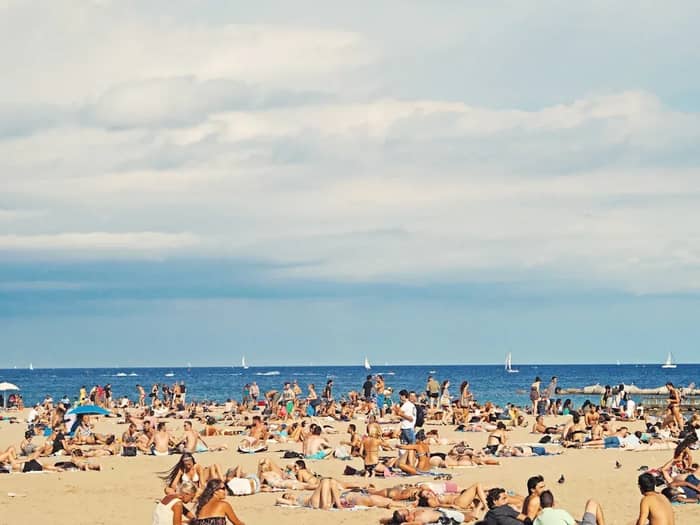
Walk down the famous Fifth Avenue on any given afternoon, and you’ll understand the problem immediately. The pedestrian thoroughfare feels more like a theme park during peak season than the laid-back beach town it once was. Tourist arrivals to the Riviera Maya region have surged beyond infrastructure capacity, with Playa del Carmen absorbing much of that overflow.
Local beaches that were once peaceful stretches of paradise now require strategic planning just to find a decent spot. Mamitas Beach, arguably the most popular public beach, transforms into a sardine can between November and March. Good luck finding tranquility or that perfect beach photo without dozens of strangers photobombing your shot.
The congestion extends beyond the sand. Traffic along Highway 307 has become genuinely frustrating, turning what should be quick jaunts to nearby cenotes or ruins into patience-testing ordeals. Even getting to the ferry dock for Cozumel trips can eat up precious vacation time during high season.
Safety Concerns Are No Longer Whispers
This isn’t about fearmongering, but ignoring the shift would be dishonest. Playa del Carmen has experienced a noticeable uptick in petty crime targeting tourists over recent years. Purse snatchings, pickpocketing incidents, and rental car break-ins have become common enough that travel advisories now specifically mention these risks.
The once-reliable feeling of safety that made families comfortable wandering around after dinner has diminished. Many longtime visitors report a different vibe, a certain edge that wasn’t there before. Hotel security has visibly increased, which speaks volumes about the changing landscape.
Drug-related violence, while typically not directly affecting tourists, has occasionally spilled into public spaces. A few high-profile incidents at beach clubs and nightlife spots have rattled the destination’s reputation for carefree fun. Sure, most visitors experience nothing alarming, but the perception matters almost as much as the reality.
Environmental Issues Are Becoming Impossible to Ignore

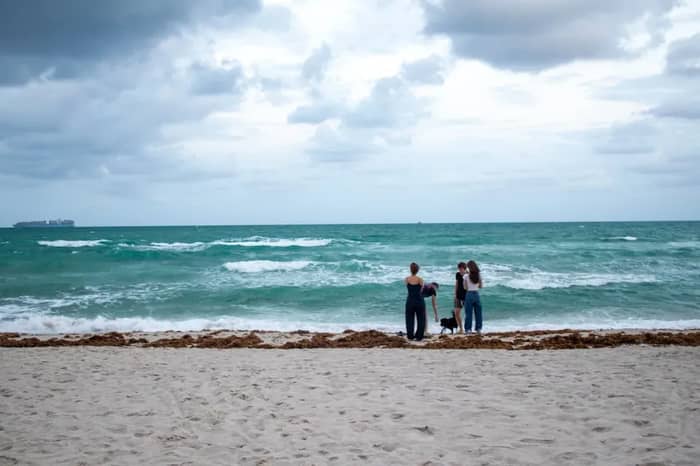
The sargassum seaweed problem has morphed from an occasional nuisance to a full-blown crisis. Some years are worse than others, but the thick, brown algae has become a regular feature of Caribbean beaches, including Playa del Carmen’s coastline. The smell alone can ruin a beach day, reminiscent of rotting eggs rather than ocean breeze.
Local authorities work tirelessly to remove it, but nature doesn’t care about vacation schedules. Travelers arriving during peak sargassum season often find themselves staring at mountains of decomposing seaweed instead of the crystal-clear waters they paid premium prices to enjoy. Hotels rarely offer refunds or compensation for this natural phenomenon.
Beyond the seaweed, overdevelopment has taken its toll on the region’s fragile ecosystem. Coral reefs that once thrived nearby are showing signs of stress. The cenotes that made this area magical are dealing with pollution from increased tourist traffic and construction runoff. What was once pristine is slowly losing its luster.
Better Alternatives Are Emerging Nearby
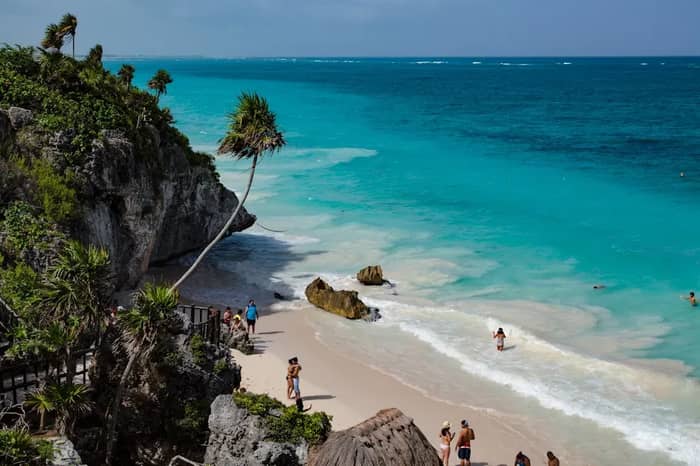
Smart travelers are discovering that the Riviera Maya offers more appealing options than its most famous hub. Puerto Morelos, just twenty minutes north, delivers much of what Playa del Carmen promised but with fewer crowds and more authentic local flavor. The vibe feels genuinely Mexican rather than a manufactured tourist experience.
Further south, Bacalar has exploded in popularity among those seeking something different. The lagoon of seven colors offers stunning natural beauty without the beach club scene. It’s harder to reach, which has ironically become part of its appeal, filtering out the casual day-trippers and cruise ship crowds.
Even Tulum, despite its own gentrification issues, maintains a distinct identity that Playa del Carmen seems to have lost. The bohemian-chic atmosphere and proximity to incredible ruins give it character beyond just being a beach destination. Yes, it’s expensive, but at least you’re getting a unique experience for your money.
The All-Inclusive Model Is Showing Cracks
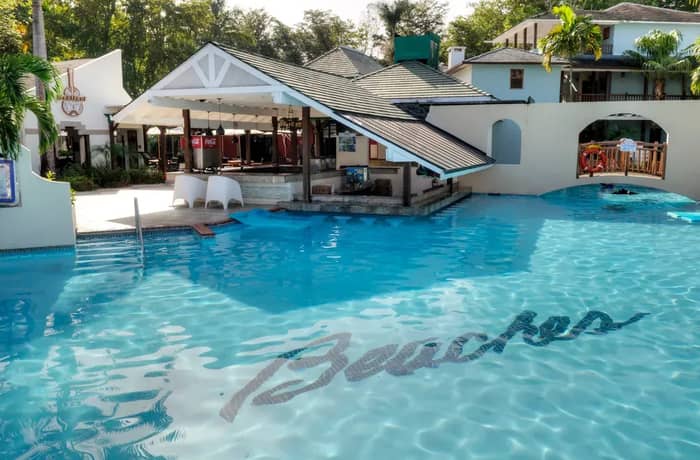
Playa del Carmen built much of its reputation on solid all-inclusive resort experiences. These properties promised hassle-free vacations where everything was covered upfront. But cost-cutting measures have become painfully obvious to repeat visitors who remember better days.
Food quality at many all-inclusives has declined noticeably. Buffets that once offered variety and freshness now feel repetitive and mediocre. Watered-down drinks have become so standard that it’s practically a running joke among seasoned resort-goers. The premium you pay doesn’t seem to guarantee the premium experience anymore.
Service standards have slipped, too. Overworked staff spread too thin across massive properties can’t maintain the attentiveness that once defined these resorts. Getting a beach chair requires military-level strategic planning, and good luck getting prompt bar service by the pool. The convenience factor that justified the all-inclusive model has diminished considerably.
Local Culture Has Been Diluted Beyond Recognition

Here’s the thing about destinations that become too popular too fast. They lose what made them special in the first place. Playa del Carmen’s transformation from fishing village to tourist mecca happened at warp speed, and Mexican culture has been increasingly sidelined in favor of generic resort experiences.
Quinta Avenida, once a charming street mixing local shops with tourist amenities, now feels like an outdoor shopping mall anywhere in the world. The same international chains dominate, selling the same mass-produced souvenirs. Finding authentic Mexican crafts or family-run restaurants requires venturing well beyond the main tourist zones.
Cultural events and traditions that once gave Playa del Carmen character have been either commercialized into tourist spectacles or pushed out entirely. The soul of the place has been traded for Instagram-worthy moments and corporate profits. What remains feels manufactured and hollow compared to what longtime visitors remember.
Flight and Transportation Costs Have Surged

Even getting to Playa del Carmen has become more expensive and complicated. Cancun International Airport handles the bulk of visitors, and flight prices have increased substantially. What were once bargain deals from major US cities now require serious budget consideration, especially during peak travel periods.
Ground transportation from the airport adds another layer of expense. The shuttle services that once offered reasonable rates have been largely squeezed out by overpriced taxi monopolies and tour operators. Rental cars come with their own headaches, from aggressive insurance upsells to legitimate safety concerns about highway driving in the region.
The ADO bus system remains affordable and reliable, but it’s often overlooked by tourists who don’t know better. Most end up paying three or four times more than necessary just to get from the airport to their hotel. These mounting transportation costs chip away at the destination’s value proposition before you even check in.
The Magic Has Simply Faded for Many Repeat Visitors

Sometimes destinations just lose their spark. Travelers who once visited Playa del Carmen annually are increasingly skipping it or trying new places altogether. Travel forums and social media groups show a clear pattern of disappointment from people returning after several years away, shocked by how much things have changed.
The intangible quality that made Playa del Carmen special, that relaxed Caribbean energy mixed with Mexican warmth, has been diluted by mass tourism. It’s hard to feel like you’ve discovered something wonderful when you’re surrounded by thousands of other tourists having the same experience. The destination has become predictable, which is the opposite of what most travelers seek.
Nostalgia plays a role here, too. First-time visitors might still have a great time because they have nothing to compare it against. But for those who knew Playa del Carmen before it exploded, returning feels bittersweet at best. The changes aren’t necessarily all bad, but they’ve fundamentally altered what the destination offers.
Travel patterns are showing us something clear. Playa del Carmen isn’t the automatic choice it used to be. The value isn’t there, the crowds are overwhelming, and better options exist nearby. Does that mean you should never visit? Not necessarily. But it does mean doing your homework and managing expectations before booking that trip. What do you think, has Playa del Carmen lost its appeal for you, too?