Picture this: you’re squeezed into a cramped airplane seat, finally settling in for a long flight, when suddenly the person in front of you slams their seat back into your knees. Your laptop screen nearly snaps shut, your drink teeters dangerously, and you’re left fuming for the next several hours. Or maybe you’re the one who wants to recline, desperately needing some relief for your aching back, yet you can feel the silent judgment radiating from behind. This scenario plays out thousands of times daily at 35,000 feet, sparking arguments, viral videos, and even the occasional flight diversion. The seat recline debate has become one of modern travel’s most contentious issues, dividing passengers into passionate camps.
What makes this conflict particularly frustrating is that there’s no clear consensus on who’s right. Some travelers insist it’s their God-given right to use a feature they technically paid for, while others argue that reclining in today’s tighter quarters is just plain rude. Airlines have stayed mostly silent on the issue, leaving passengers to navigate these awkward confrontations on their own. Recent incidents have only intensified the debate, with social media amplifying every recline-related meltdown into a viral sensation. The truth is, there are actually some guidelines that can help you navigate this minefield without becoming the villain of someone’s travel nightmare story. Let’s dive into what really works when it comes to reclining etiquette.
The Reality Behind Reclining Disputes

More than 77 percent of people think it is rude to fully recline your airplane seat, according to a recent survey. Let’s be real, this figure should surprise no one who’s been wedged into an economy seat while someone crashes backward into their space. In September 2024, a Cathay Pacific flight from Hong Kong to London made headlines when passengers got into a heated argument over a reclining seat, resulting in a ban for the offending couple. These aren’t isolated incidents anymore.
Here’s the thing, though. At least half say it is acceptable for passengers to recline their seats, showing just how polarizing this issue truly is. The person in front of you likely believes they have every right to lean back. The person behind you probably feels their knees are already suffering enough. Honestly, everyone thinks they’re in the right, which is exactly why this debate never ends.
Why Airlines Designed This Problem
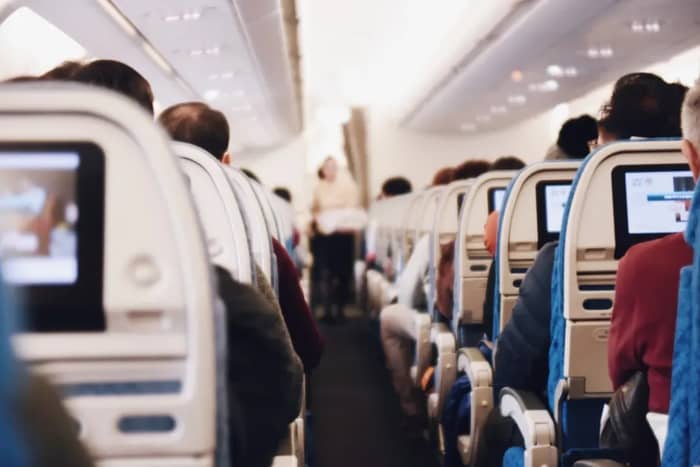
Since 1978, seat pitch has gone from 36 inches or more to about 30-31 inches in today’s largest U.S. carrier economy cabins. That’s roughly six inches less space than your parents had when they flew decades ago. Airlines kept cramming more seats into planes while maintaining the recline function, essentially selling the same wedge of space to two different passengers.
In 2022, Flyers Rights petitioned the FAA to establish minimum seat standards to fit 90 to 92 percent of people, for both safety reasons and health reasons. The petition went nowhere. In 2018, the Federal Aviation Administration declined to regulate airplane seats, leaving their design to the airlines, and airlines know exactly what they’re doing with this strategic ambiguity.
When Reclining Is Actually Acceptable
On redeye flights, it is always acceptable to recline your seat, according to etiquette experts and frequent travelers. Most of the plane will be sleeping, so you’re not the only one taking advantage of those precious inches. The same goes for long-haul international flights, where comfort becomes a genuine necessity rather than a luxury.
If it’s a long flight, it’s unreasonable to expect each passenger not to do what they can to get comfortable, and if it’s a red eye, sleep is important, and reclining is acceptable, especially since everyone else is reclining at the same time. Think about flights over six hours. Your back might genuinely need that adjustment. I know it sounds crazy, but there are moments when reclining isn’t the villain move everyone makes it out to be.
The Right Way to Recline Your Seat

If you plan to recline, you should try to do so shortly after takeoff so that the passenger behind you isn’t surprised mid-flight, and you should look back before you recline to check for hot beverages or laptops. This isn’t just polite; it prevents disasters. A flight attendant once told me she’s seen countless spilled drinks and damaged laptops from passengers who slam their seats backward without warning.
It’s nice to just be mindful when you are leaning that seat back that the person doesn’t have a drink on their table, but a simple glance in your peripheral vision is acceptable, and you don’t have to go so far as asking the other person if you can lean back before doing so, according to etiquette expert Elaine Swann. Some experts disagree and insist you should always ask first. Personally, I think a glance and slow recline show you’re aware that other humans exist around you.
When You Should Never Recline
For a short haul, avoid reclining, when possible, for the sake of the person behind you who has very little legroom in coach and must turn their legs to the side and not use their tray table to do any work. Seriously, if your flight is under two hours, just stay upright. You’ll survive without those two inches of backward tilt.
The most common opinion is that reclining, while annoying, is fine as long as it doesn’t happen during meals. Picture trying to cut chicken with a fork while someone’s headrest is practically in your dinner plate. It’s hard to say for sure, but this seems like common sense that somehow escapes too many passengers. Do not even consider reclining if the person behind you has their tray table down, as abruptly reclining could cause them to spill their food or beverage, and it can also lead to a broken laptop or other electronics.
What Airlines Are Doing About the Problem
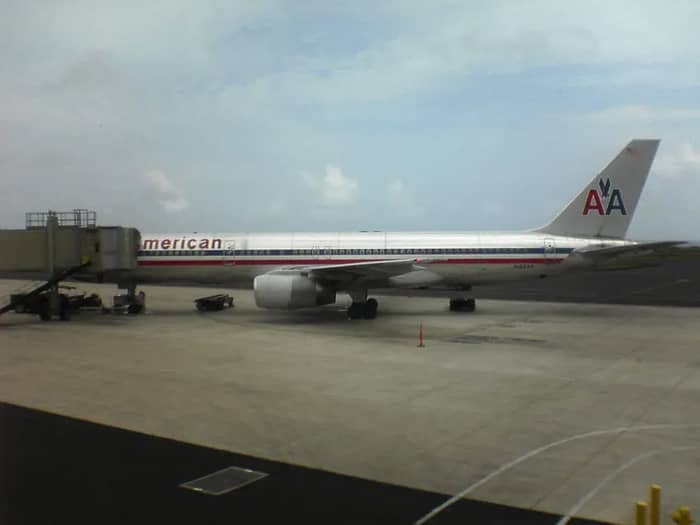
Delta halved its seat reclines to two inches in 2019, as did United, American Airlines, and Southwest Airlines. Some carriers like Spirit and Ryanair eliminated reclining seats years ago. The average reduction in recline distance across the industry is 2 to 3 inches, with some airlines like Allegiant and Spirit eliminating reclining seats to maximize passenger capacity.
United Airlines has started installing fixed recline limiters on its A320 aircraft in response to increasing confrontations sparked by passengers forcefully reclining their seats. Meanwhile, a petition to ban seat reclining on airplanes has garnered over 150,000 signatures, spearheaded by La-Z-Boy, which is honestly both bizarre and telling about how frustrated passengers have become.
The Bottom Line
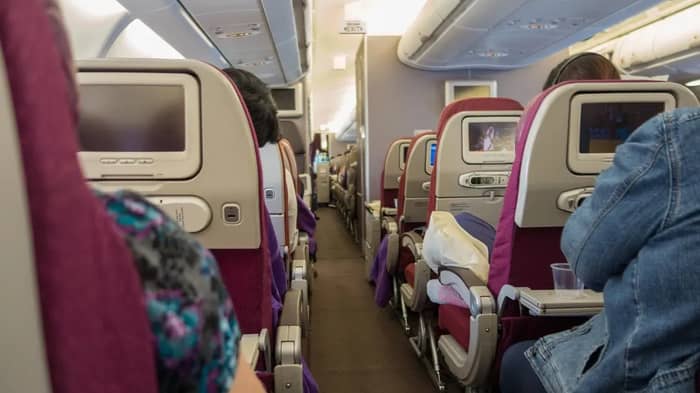
The vast majority of airlines still allow reclining because they believe passengers have purchased that feature along with their ticket. A recliner is allowed to recline, and there’s nothing anyone can do about it. And if you kick the seat or threaten to punch someone in the face, you’ll be the one removed from the flight. That’s just reality up at thirty thousand feet.
What matters most is being human about it. Recline slowly. Check your surroundings. Skip it on short flights. Use common sense during meals. The golden rule applies even in a cramped aluminum tube hurtling through the sky. Did you think airplane etiquette would be this complicated? What’s your take on the recline debate?