Alaska – A new proposal from the Bureau of Land Management would allow oil and gas projects in the National Petroleum Reserve in Alaska to move forward under a single environmental review instead of separate assessments for each development. ([1])The change targets federal lands along the North Slope and responds directly to industry requests for faster approvals. If finalized, it would mark a notable shift in how large-scale energy projects are evaluated in one of the nation’s largest public land holdings.
Core Changes in the Proposal
The rule would exempt covered projects from the usual requirement for individual environmental impact studies under the National Environmental Policy Act. Instead, a broader existing study would apply across the reserve. Developers would also gain a firm timeline, with the BLM required to decide on permits within 60 days of receiving a complete application. These adjustments aim to reduce duplication in the review process for activities already anticipated in the reserve’s overall planning documents. The approach differs from standard practice, where each new drilling proposal typically triggers its own detailed analysis of potential effects on land, water, and wildlife.
The Landscape at Stake
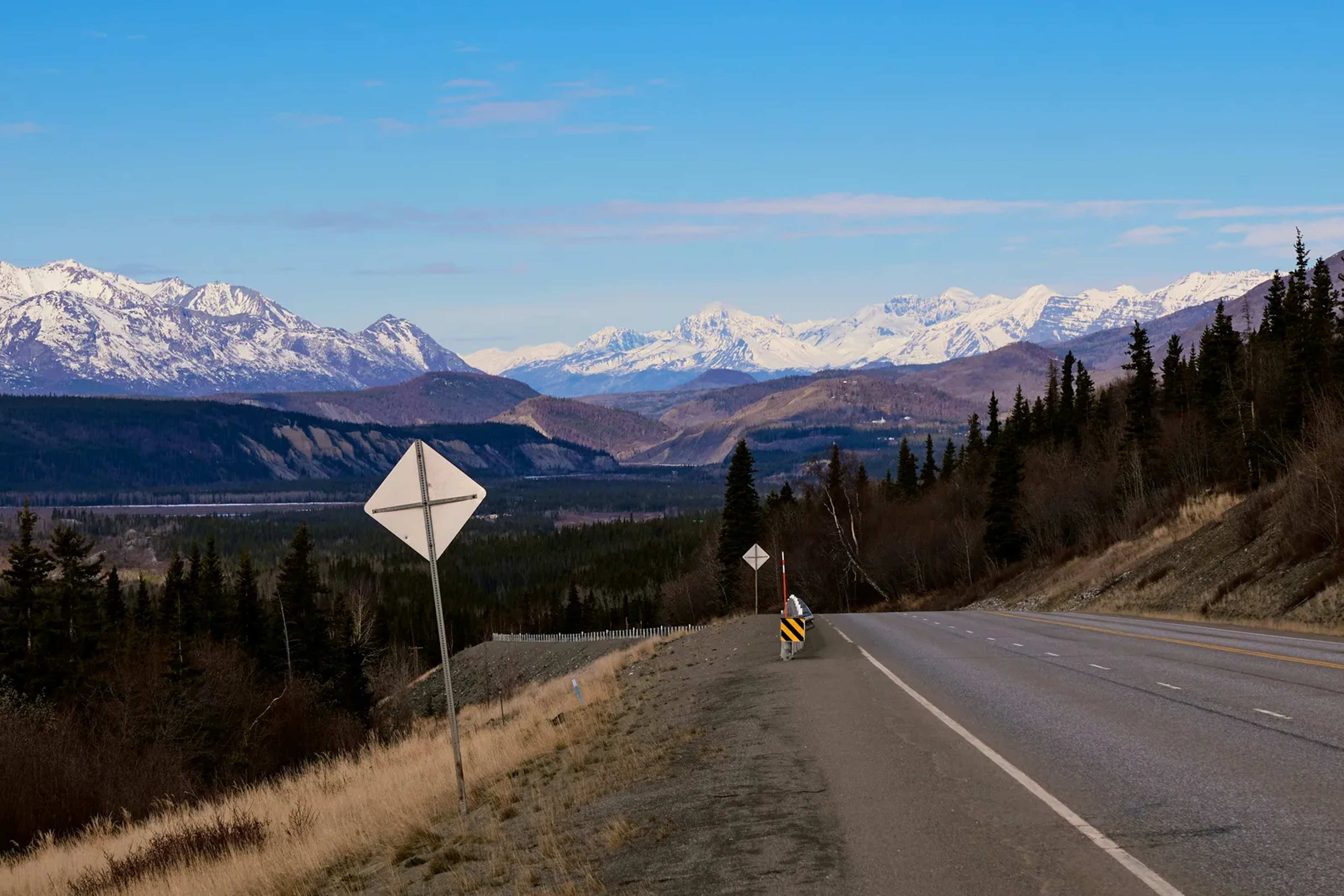
The National Petroleum Reserve in Alaska covers roughly 23 million acres and has long been viewed as promising territory for new oil production. At the same time, the area supports caribou herds, migratory birds, and other wildlife populations that depend on its tundra and wetlands. Local Native villages rely on the region for subsistence hunting and fishing, adding another layer of interest to any policy shift. The reserve’s dual role as an energy resource and an ecological and cultural asset has made it a recurring focus of federal land management debates.
Industry Request and Timeline
The proposal follows a May petition from the Alaska Oil and Gas Association seeking quicker permitting pathways in the Arctic. Federal officials framed the change as a way to align reviews with the reserve’s established management framework rather than repeating similar analyses project by project. Public comments on the draft rule are open through November 9 via the Federal Register. That window gives stakeholders a final opportunity to weigh in before any final decision.
What Matters Now
The outcome will shape how quickly new drilling applications can advance in the reserve and how thoroughly site-specific environmental concerns are examined going forward. For communities, wildlife managers, and energy developers alike, the coming months will clarify whether the streamlined process becomes permanent policy or faces further adjustment. The decision carries direct implications for both economic activity and long-term stewardship of a vast northern landscape.