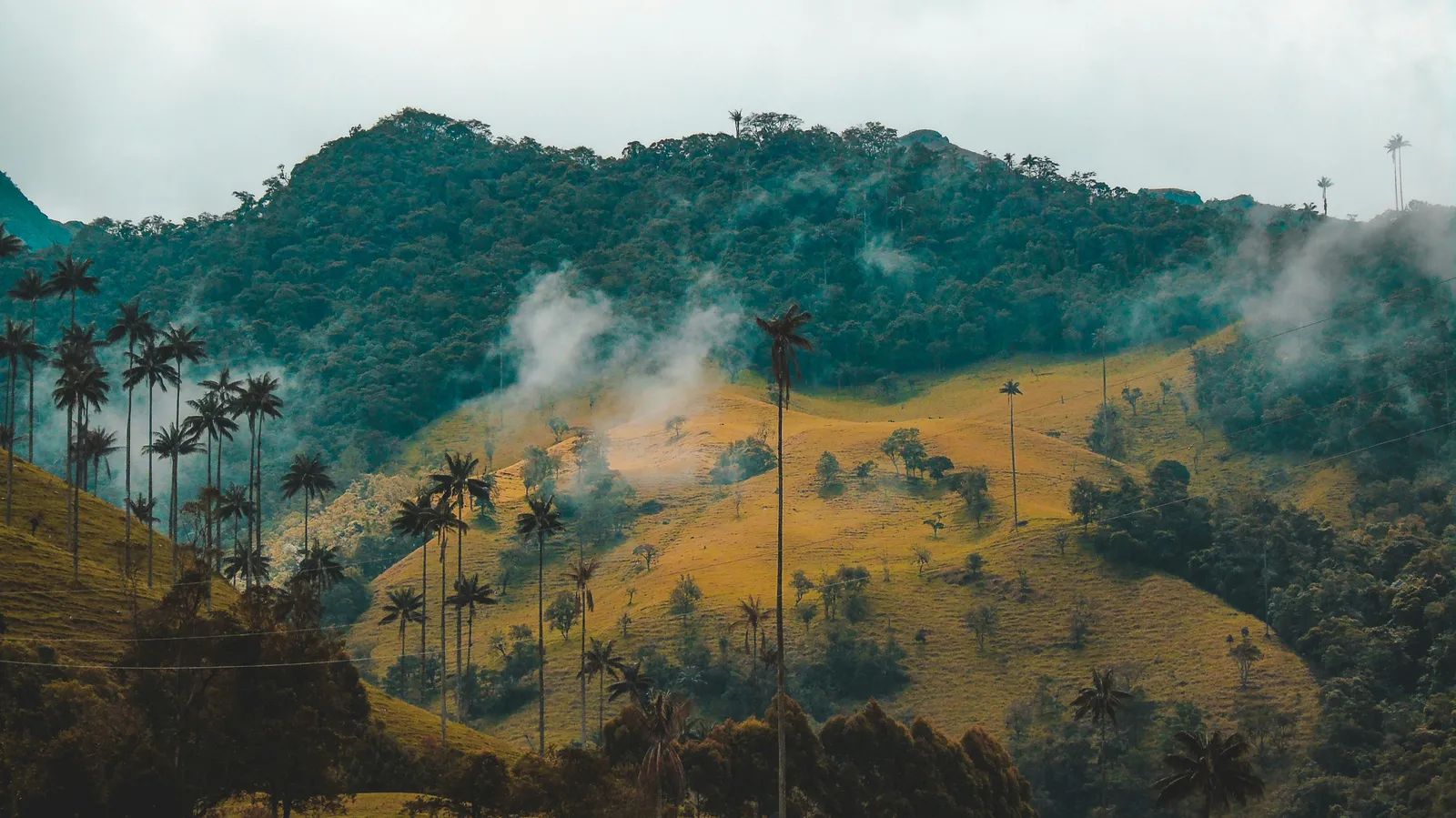
Puerto Wilches sits along the banks of Colombia’s largest river in the Middle Magdalena Valley, where wetlands and floodplain lakes define the landscape. Residents have long used the area’s riverside swimming spots, known locally as balnearios, and nearby waterfalls for weekend recreation, while fishing remains a daily activity. The municipality became a focal point in national energy discussions around 2018, and the debate has gained fresh urgency with the arrival of a new government.
Why the Shift Matters Now
The election of right-wing populist Abelardo de la Espriella has altered the direction of Colombia’s energy policy. During his campaign, de la Espriella pledged to open the door fully to fracking as a way to address declining domestic gas supplies. This stance contrasts with the previous administration’s approach and places Puerto Wilches back at the center of planning. The change carries immediate implications for local communities that have followed the issue closely for years. Proven gas reserves stand at levels that the National Hydrocarbons Agency estimates will last only 5.9 years under current production rates without new discoveries. Supporters of expanded extraction argue that shale resources beneath the region could help stabilize supply and reduce reliance on imports. The practical consequence is a potential return to pilot projects that were previously paused, affecting timelines for both energy development and environmental reviews.
Earlier Pilot Projects and Their Pause
In 2021, Puerto Wilches was selected for two pilot fracking initiatives aimed at testing commercial viability in local shale formations. Those efforts targeted deeper rock layers beneath the wetlands and river system. The projects were halted under former President Gustavo Petro, who prioritized a transition away from fossil fuels. The pause reflected broader national goals at the time, including efforts to accelerate clean energy adoption. Local stakeholders in the municipality tracked the developments closely, given the area’s mix of economic activity tied to energy and traditional uses of the river and lakes. Reopening the question now requires revisiting regulatory steps and community consultations that had been set aside.
Local Landscape and Daily Life
The Middle Magdalena Valley around Puerto Wilches features an intricate network of wetlands that support both wildlife and human activities. Fishermen continue to work the waters each morning, while families gather at balnearios along the Magdalena River for recreation. Waterfalls in the vicinity add to the area’s appeal as a natural retreat within Santander department. These features have shaped daily routines and weekend patterns for residents over many years. Any expansion of extraction activities would occur against this backdrop of established land and water use. The overlap between energy infrastructure and these longstanding patterns forms a central element of ongoing local discussions.
Stakeholders and Next Steps
Key players include the new national administration, the National Hydrocarbons Agency, municipal authorities in Puerto Wilches, and residents who rely on the river system. Environmental groups and energy industry representatives also remain active in the conversation. The timeline for any renewed pilot work depends on regulatory approvals and updated assessments of reserves and impacts. A measured approach to these decisions will determine how energy security goals align with the preservation of the valley’s wetlands and recreational areas. The outcome in this specific municipality could influence similar discussions elsewhere in Colombia’s oil and gas regions. What matters now is the sequence of regulatory reviews and public input that will shape whether and how fracking advances in the area.