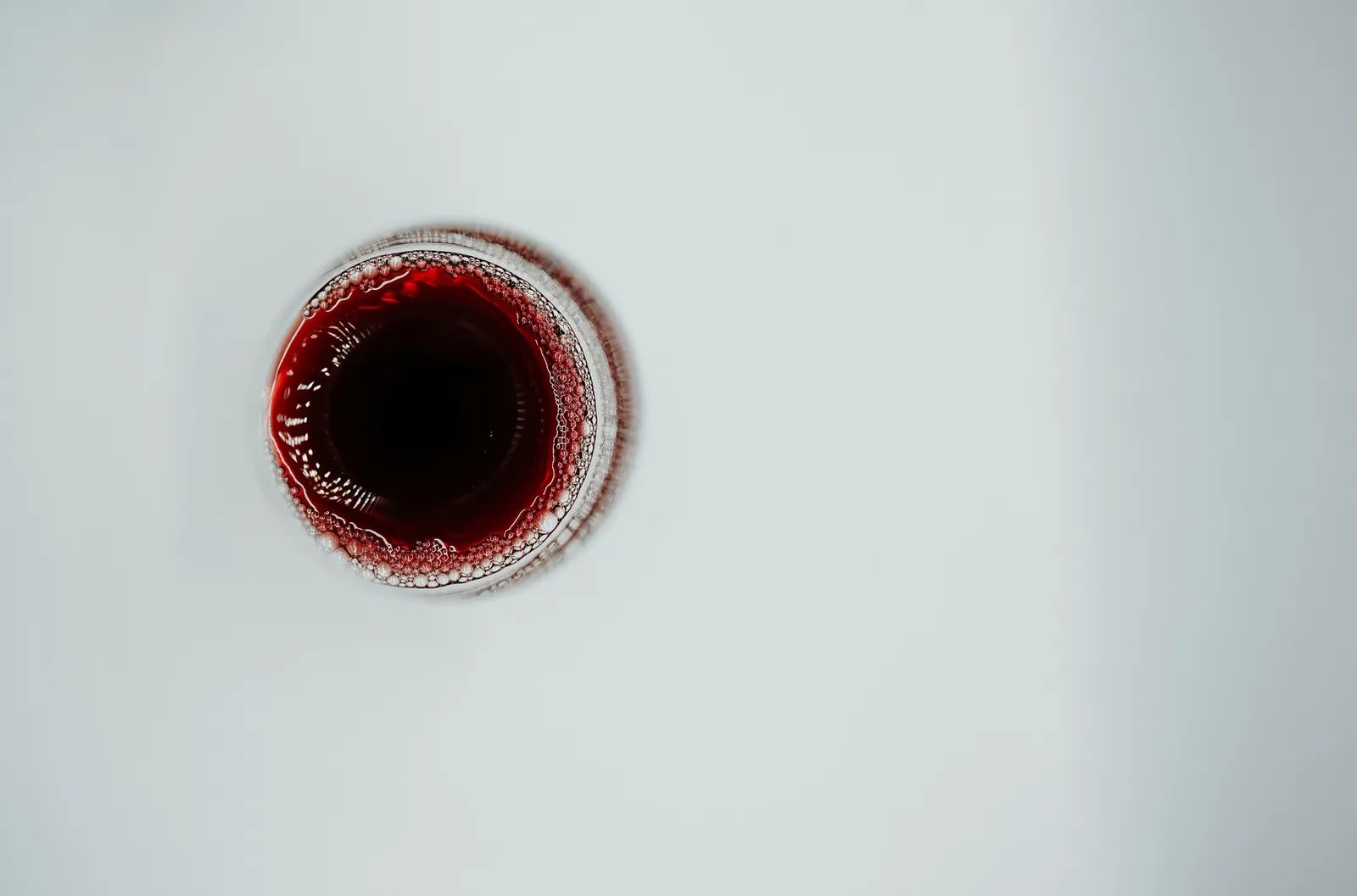
A full glass of pinot noir spilled across a favorite white shirt during a quiet evening at home. The immediate scramble for solutions led to a series of controlled tests on identical cotton shirts to separate effective approaches from common advice. The results showed clear differences in performance depending on timing and materials used.
Why Timing Matters Most
Red wine contains pigments and tannins that bind quickly to fabric fibers. These compounds act much like dyes, sinking deeper the longer they remain untreated. Tests confirmed that every method performed noticeably better on stains addressed within minutes rather than those left overnight. Fresh stains responded well to prompt action, while older ones required repeated effort or proved more resistant overall.
How the Methods Were Compared
Four identical white cotton shirts received matching pinot noir stains on front and back panels. One stain per shirt received treatment within five minutes, while the matching stain sat untreated until the next day. All shirts were rinsed in cold water and laundered together with standard detergent before final inspection in daylight. Visual estimates tracked improvement, with the hydrogen peroxide and dish soap combination emerging as the strongest performer on both fresh and set-in stains.
The Most Reliable Treatment
A mixture of three parts 3% hydrogen peroxide to one part blue dish soap produced the clearest results. Applied directly to the stain and left to sit for 20 minutes to an hour, the solution removed visible discoloration from fresh stains in a single round. Overnight stains needed a second application but also cleared completely under daylight inspection. This approach works best on white or colorfast fabrics after a spot test, and it relies on common household items rather than specialty products.
Other Options and What to Avoid
Club soda combined with white vinegar lightened fresh stains substantially and offered a safer option for colored garments after testing a hidden area. Salt provided modest initial absorption but fell short as a standalone fix. Boiling water flushed some pigment from fresh stains yet carried risks of setting residue or damaging fabric. Common missteps such as starting with hot water, rubbing the area, or attempting white wine as a neutralizer tended to spread or fix the stain instead. For any remaining discoloration after the first wash, repeating the chosen treatment before drying prevents permanent setting. Enzyme-based removers or oxygen bleach can serve as follow-up options on tougher cases when label instructions are followed.