Booking a hotel room used to be a fairly simple transaction: pick a bed size, confirm the dates, and show up. These days the checkout screen looks more like an airline fare chart, with a dozen add-ons promising a better view, a quieter floor, or a fridge stocked with snacks you didn’t ask for. Some of these extras genuinely improve a trip. Others quietly drain the budget and leave travelers wondering, somewhere around the second morning, why they bothered.
The tricky part is that hotel upgrades are sold on emotion, not math. A glossy description of a club lounge or an oceanfront balcony is easy to picture and hard to resist at the moment of booking. It’s only after check-in, when the bill is signed and the room key is in hand, that some of these purchases start to look like a mistake rather than a treat.
The executive club lounge access fee
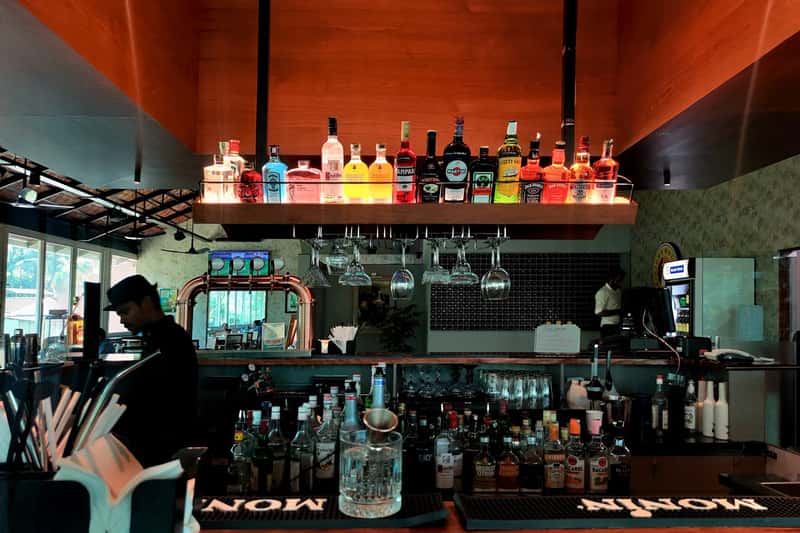
Club-level or executive lounge access is one of the most heavily marketed upgrades in the industry, and it can genuinely pay for itself under the right conditions. The average price premium runs somewhere between one hundred and three hundred dollars or more per night compared to standard rates[1]. If a couple eats every breakfast and evening snack in the lounge, the math can work out fine.
The problem is that most travelers don’t actually stay put long enough to use it. If the lounge is used only minimally, the supplement becomes a cost with no real recovery[2]. Add in the fact that club-level food, even at high-end properties, is typically served buffet style rather than as a sit-down meal[1], and a lot of guests end up paying a premium for a breakfast spread they could have skipped entirely by walking two blocks to a local café.
The oceanfront room bump
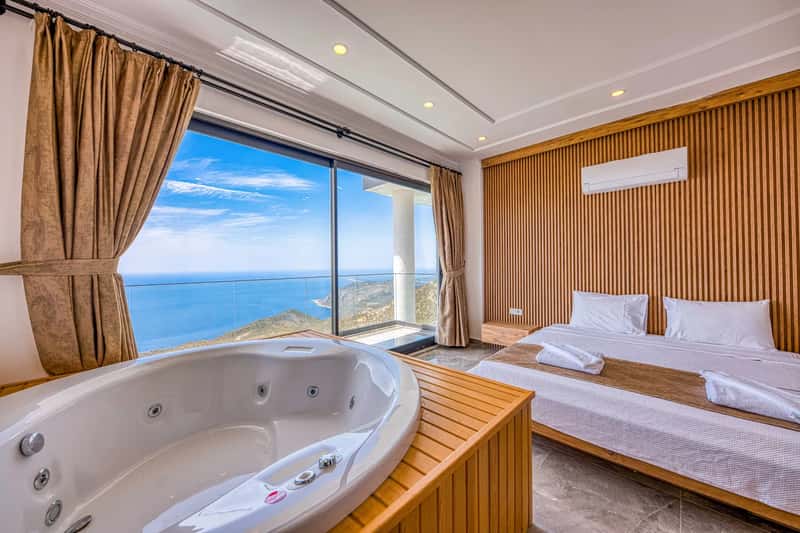
An oceanfront upgrade sounds like the whole point of a beach vacation, but the label promises a view, not a peaceful night. Even genuine oceanfront rooms can come with drawbacks like late-night bar noise, bright lights on the beach, or surf that’s louder than expected, and for travelers who value quiet or privacy, these surprises can make the splurge feel far less rewarding[3].
Lower floors carry their own risks too. One guest who paid extra for an ocean-front room at a Hilton property in California noted that palm trees obstructed the view past the fourth floor, and the room picked up a lot of road noise from the busy highway running in front of the hotel[4]. Travel advisors have seen the same pattern play out even with a genuine upgrade in hand, since a guest moved to a better-located ocean-view room still could hear people leaving the main restaurant and bar with the window open[5].
The poolside cabana rental
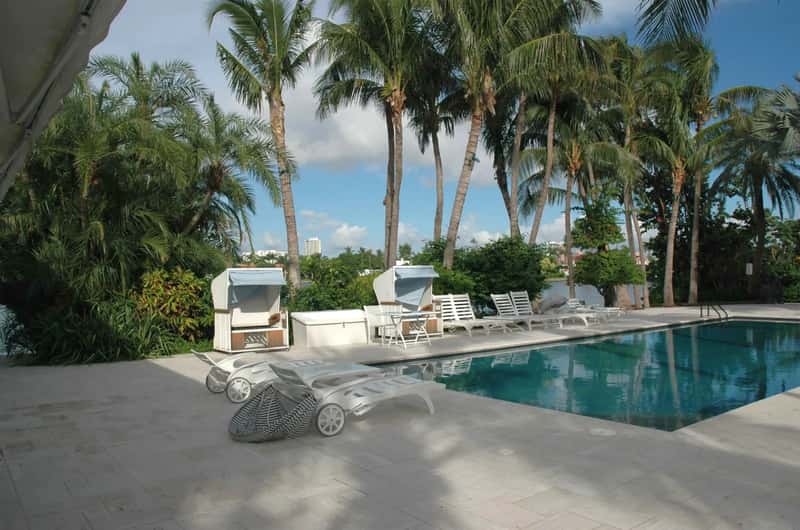
Cabanas look like a small slice of resort luxury in photos, all shade and privacy right next to the water. In practice, the daily rental fee often buys surprisingly little beyond what’s already included with a standard room. Reserved cabana rentals at resort pools often carry a steep daily fee for what amounts to a shaded lounge chair and small table, and frequent travelers generally treat regular poolside seating, already included with the room, as sufficient unless a specific event calls for the upgrade[6].
The disappointment tends to hit hardest when weather doesn’t cooperate. The cabana fee is frequently non-refundable even if weather cuts the pool day short[6]. Paying full price for a rained-out afternoon is exactly the kind of upgrade regret that sticks with a traveler long after the trip ends.
The stocked minibar package
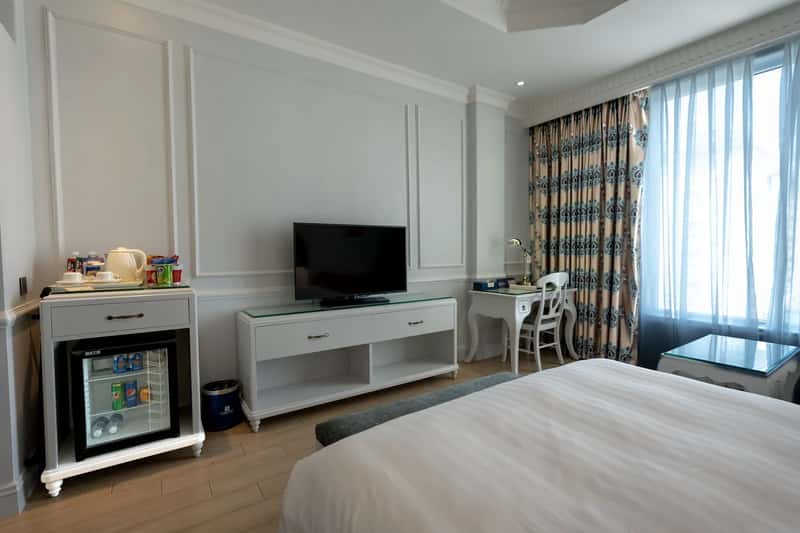
Some hotels sell a “premium minibar” or in-room snack package as a convenience upgrade, marketed as one less reason to leave the room. The convenience is real, but so is the markup. Minibars are almost always overpriced, and many of the same items can be found for far less at the nearest convenience store[7].
What makes this upgrade sting even more is how easy it is to trigger a charge by accident. Minibar pricing routinely runs several times higher than a nearby convenience store for the same item, and many minibars now use weight-sensor shelves that charge automatically once an item is lifted[6]. Frequent travelers have largely caught on, treating the minibar as something to look at rather than use, which says a lot about whether the paid version is worth choosing in the first place.
The bundled resort credit and spa package

Resort credit upgrades are pitched as free money to spend on-property, which makes them feel like an obvious add-on at booking. The catch is that the credit is rarely as flexible as it sounds once a guest actually tries to use it. Bundled resort credit toward spa services can function more as a way to upsell additional treatments once a guest arrives than as genuine free value[6].
Travelers often discover that the credit only applies after a minimum spend, or that it covers a fraction of the treatment they actually wanted. The result is an upgrade that looks like a discount on paper but plays out as a nudge toward spending even more once you’re standing at the spa desk. It’s not a scam exactly, just a marketing framing that rarely matches the experience.
The high-tech smart room package

Paying extra for a “smart suite” with app-controlled lighting, a smart mirror, or an AI concierge sounds like a glimpse of the future. For a growing number of guests, it mostly translates into extra time spent figuring out how the room works. More than half of hotels, 56 percent, say they feel pressure to keep upgrading their tech, according to Hotels.com’s 2025 Hotel Room Innsights survey[8].
Hotels themselves have noticed the friction this creates. More than half of properties now offer verbal tech walkthroughs at check-in specifically to help guests navigate increasingly complex room features[9]. When a hotel needs to walk you through how to operate the room you paid extra for, the upgrade has arguably already stopped feeling like an upgrade.
The guaranteed high floor or “better view” fee
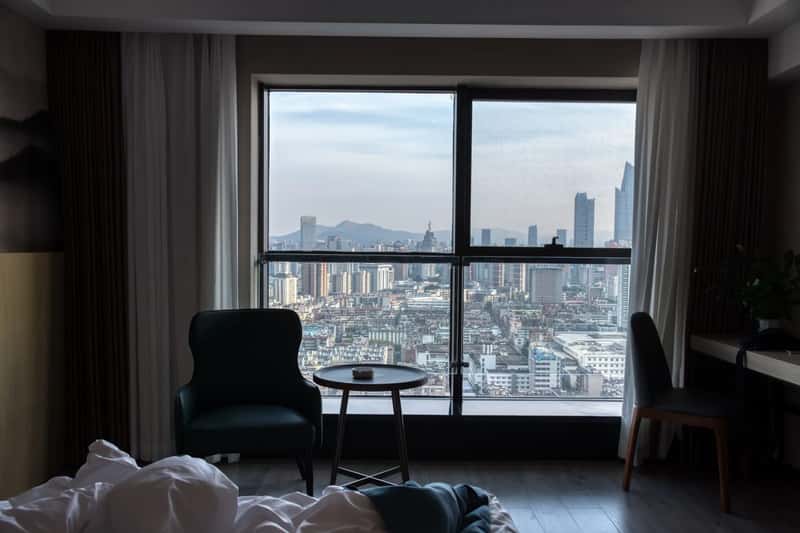
Many hotels now charge a flat fee simply to guarantee a higher floor or a marginally improved view, separate from any suite or room-category change. It’s an appealing add-on because it feels like a sure thing, a small, controllable improvement over the base rate. The reality is that “better view” is a loosely defined term, and what counts as an upgrade at booking doesn’t always match what greets a guest at the window.
Architectural layout matters more than floor number in a lot of these cases. Two hotels on the same beach can have wildly different views because one building turns at an angle to the shore, and floors matter too, since a higher floor with an angled view might feel less sweeping than a lower one that lines up directly with the water[10]. Paying a flat fee without knowing the building’s orientation is a bit like buying a lottery ticket dressed up as a guarantee.