Cruise ships don’t stay in one place all year. When the Caribbean season winds down, many ships head for Europe, and when the Mediterranean cools off, they come back. Those trips between regions are sold to passengers as repositioning cruises.
The fares on them can look strangely low next to a standard week in the Bahamas. There are solid business reasons for that, and a few catches that don’t show up in the headline price.
What Counts as a Repositioning Cruise
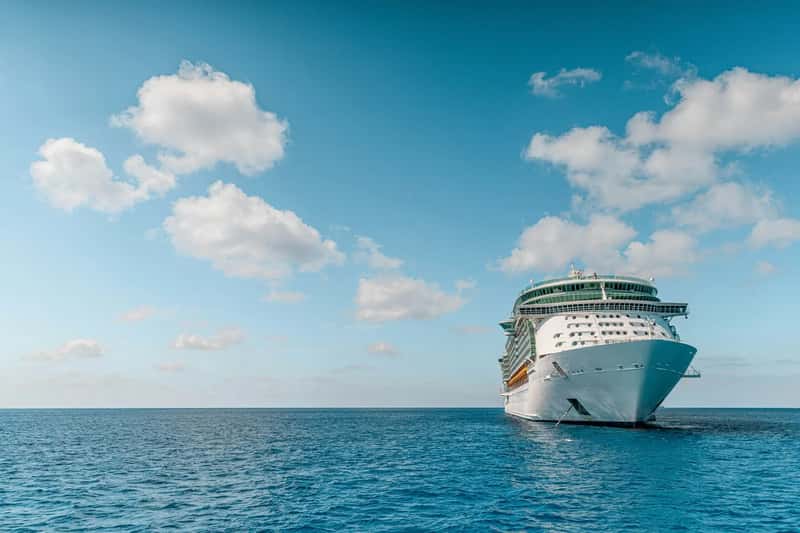
A repositioning cruise is a one way sailing that moves a ship from one deployment region to another. Spring transatlantic sailings generally carry ships from the Caribbean to Europe, while fall sailings from September through November bring them back west.[1] Other common moves include Panama Canal crossings and runs along the Pacific coast.
These voyages tend to run longer than a usual cruise. A transatlantic crossing usually lasts somewhere between ten and fifteen nights once port stops are added at either end. That longer length is part of why the nightly price can look small even when the total bill is not.
The Ship Has to Move Either Way
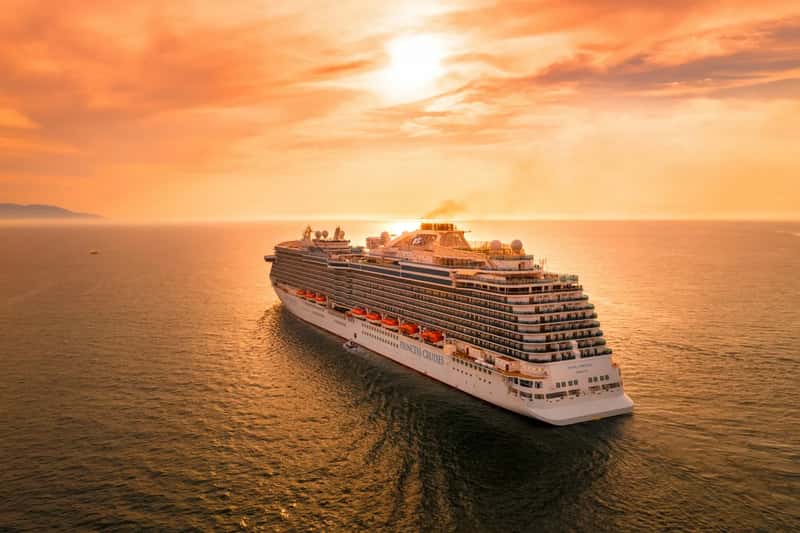
The basic logic is simple. The cruise line has to move the ship no matter how many passengers are aboard.[2] Since the trip happens regardless, any cabin that sells brings in money that would otherwise be lost.
One 2026 guide frames it as a choice between selling a cabin cheaply and sailing it empty. It argues that filling cabins at a discount beats leaving them vacant, which is why repositioning fares regularly come in under normal itinerary pricing.[2] Cruise lines price to fill the ship, not to maximize each fare.
Fewer People Want What These Itineraries Offer
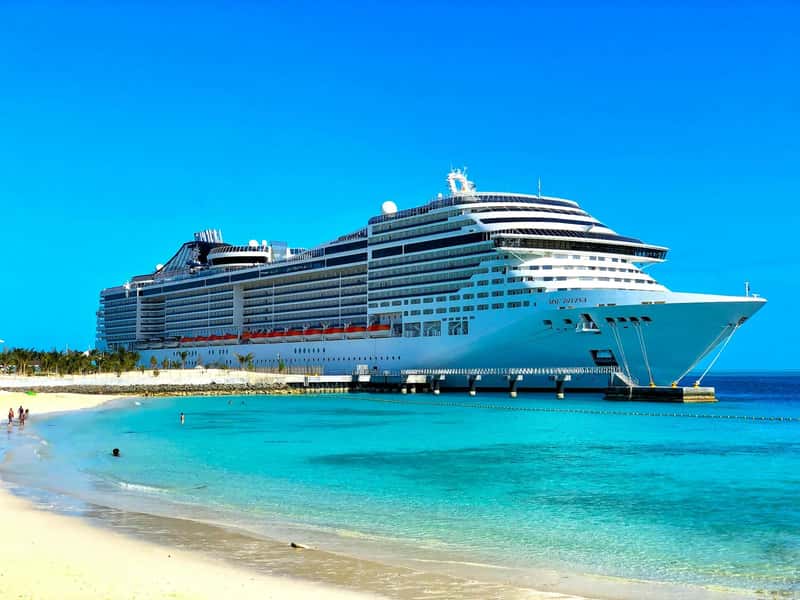
Demand is the other half of the story. The Points Guy notes that one way itineraries heavy on sea days appeal to fewer cruisers, and they fall in slower travel seasons.[3] A lower pool of interested buyers pushes prices down.
There’s also a practical hurdle. Travelers have to book separate flights at each end, and some crossings include five to seven consecutive days at sea with no port.[1] People who want a beach stop every morning will probably skip these. People who enjoy a slow pace and a book on deck may find them ideal.
What the Per Night Numbers Look Like
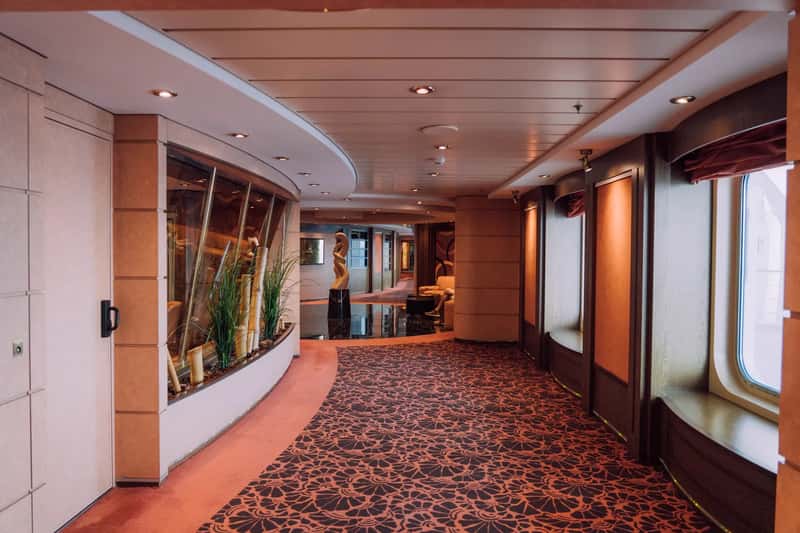
Figures vary by line, season, and cabin type, so treat any single number as a rough guide. One tracking exercise by a travel site followed twelve repositioning sailings across 2025 and 2026. It reported an average interior cabin price of about seventy one dollars a day, against roughly one hundred eighty nine dollars a day on peak Caribbean or Mediterranean itineraries for the same ships.[4] That is a small sample, but the direction matches what other guides describe.
A specific example helps. Norwegian Star’s November 20, 2026 Southampton to Miami crossing, a 14 night sailing, showed inside fares from about $1,069 per person and balcony fares from around $1,629 as of May 2026 on one booking platform.[5] Divided over fourteen nights, that works out to roughly seventy six dollars a night for the inside cabin. Prices move constantly, so check current listings.
Luxury Lines Discount Too

Budget lines aren’t the only ones that cut fares on crossings. One travel site puts the savings on lines such as Viking, Oceania, Silversea, and Explora at somewhere between half and seventy percent off.[6] Those are the site’s own estimates, so they’re best read as ballpark figures.
The same source gives an example from Silversea. It says typical nightly rates sit around $1,600, while repositioning sailings can fall into the low to mid $600s per day.[6] Premium cruisers who normally pay top rates may see the biggest absolute savings.
Where Ships Are Headed in 2026 and 2027
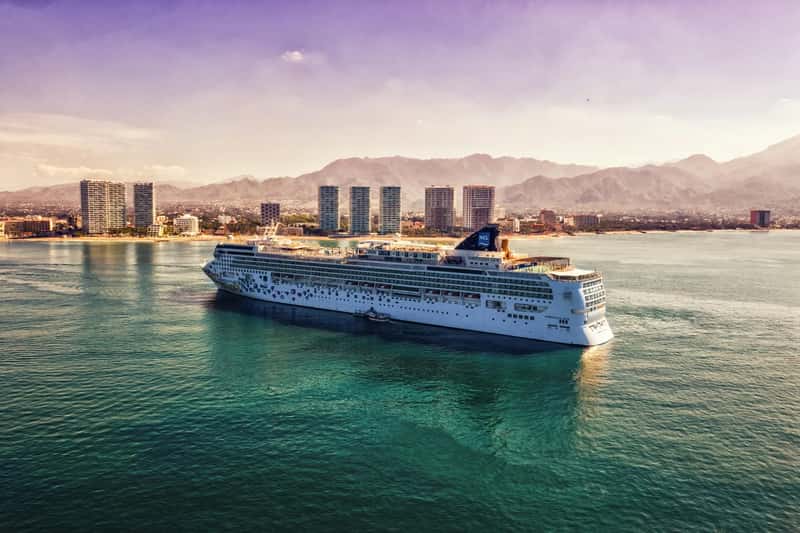
Fall 2026 is a busy stretch for westbound moves. Cruisebound describes these sailings as carrying ships from European homeports to Florida and the Caribbean ahead of winter, often at some of the lowest per night fares available.[5] Norwegian Star’s November crossing is one published example.
Other routes exist beyond the Atlantic. Princess Cruises’ 16 night Panama Canal itinerary on Coral Princess calls at Mexico, Costa Rica, Panama, and Aruba before reaching Florida on October 15.[7] Looking further ahead, Virgin Voyages lists a 14 night Miami to Morocco and Spain crossing aboard Scarlet Lady in April 2027 from $1,932 per cabin.[8]
Costs That Can Shrink the Savings
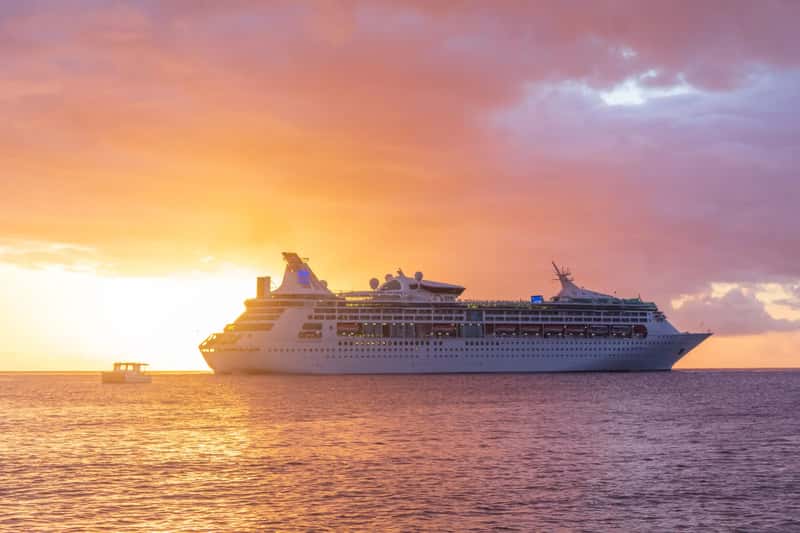
The cruise fare is only part of the total. One guide warns that repositioning cruises aren’t worth it if you judge value by base fare alone and ignore the open jaw flight, solo supplement, gratuities, drink packages, and any hotel before the cruise.[2] A one way airfare back from Europe can be a significant add on.
The same guide runs through a sample calculation. It estimates that a 14 night transatlantic inside cabin may cost between eight hundred and fourteen hundred dollars per person depending on the line, season, and booking window.[2] After adding extras, it concludes the result isn’t the sixty dollar per night bargain the headline fare suggests.[2] Still, it says the total stays competitive with fourteen nights in European hotels plus flights.
Solo Travelers and Single Supplements

Traveling alone can change the math. Most cruise lines charge a solo supplement of fifty to one hundred percent on repositioning sailings, which raises the daily cost.[4] That can erase much of the discount.
There are some workarounds. Norwegian’s Studio cabins are single occupancy with no supplement, and Royal Caribbean’s Quantum class Studio cabins also avoid the surcharge.[4] Solo travelers should compare these options before assuming a crossing is out of reach.
Practical Points Before You Book
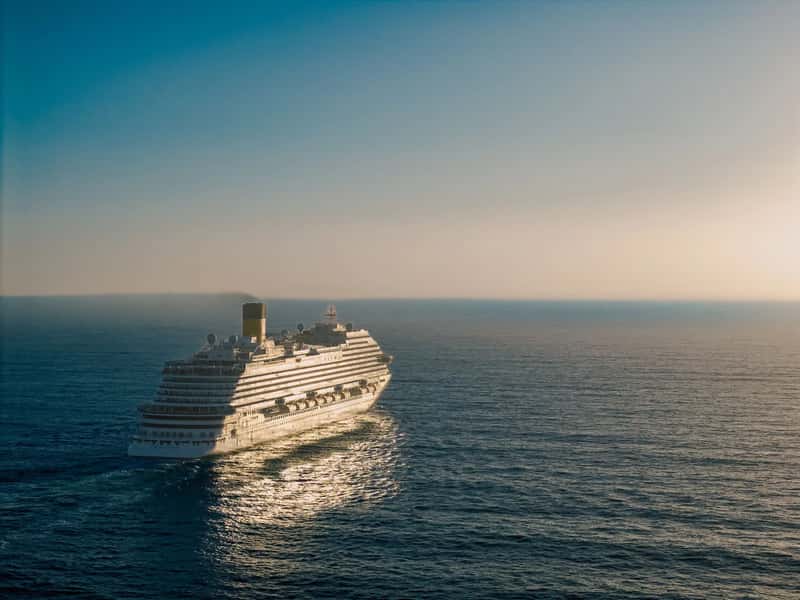
Repositioning sailings can be hard to find. The Points Guy says they can be tricky to locate on booking sites,[3] so searching by terms like transatlantic or one way, or checking cruise line pages directly, often turns up more. Flexible travel dates help, since these voyages cluster in spring and fall.
Location matters too. Travelers who live near the departure or arrival port can save more, because they only need a one way plane ticket instead of a round trip.[3] Weather is another factor, since crossings in early spring or late fall can be chilly on deck.