Ask a retiree in Puerto Vallarta or Mérida why they left the United States, and the first answer is usually about money. The second is about mornings, meaning warm weather, a walkable town and a slower start to the day. Those two reasons keep showing up in 2026, and they explain a lot about the move.
Still, the full picture is more layered than a cheap rent and a sunny patio. Visa math, tax rules, healthcare choices and shifting housing markets all shape who can actually make the move and who stays. Here’s what the numbers and rules look like right now.
A Large and Growing American Community
The U.S. State Department estimates that an estimated 1.6 million U.S. citizens live in Mexico[1], and Mexico has the most U.S. citizens living there of any country in the world[2]. Department figures also showed the population jumping 70% from 2019 to 2022[2], which is a steep climb for a few years.
Counting Americans abroad is imprecise, though. The US government does not officially track the number of residents living or moving abroad[3], so totals get pieced together from several sources. One independent estimate cited by a immigration blog puts the figure nearer 1.2 million citizens[4], so treat any single number as a rough guide.
Lower Living Costs Do Most of the Talking
Money is the most common reason people give. One 2026 guide says a retired couple can often live comfortably on $2,000 to $3,500 per month[5]. A separate cost comparison estimates that a lifestyle that costs $5,730 per month in the U.S. can be maintained in Mexico for roughly $1,900[6], though that depends heavily on location.
Housing drives most of the gap. The same comparison reports that rent in Mexico is often 65% to 75% lower than in comparable U.S. cities[6], which is roughly two thirds to three quarters less. Coverage in 2024 also pointed to the U.S. dollar being strong against the peso, giving Americans more spending power[2], and exchange rates can shift that advantage from year to year.
There Is No Official Retirement Visa
Many people assume Mexico has a dedicated retiree visa. It doesn’t. Mexico does not offer a specific retirement visa, so retirees usually apply for a residency visa[7], most often the Temporary or Permanent Resident Visa.
There’s no age cutoff either. There is no fixed retirement age requirement, and applicants only need to meet the financial requirements set by the consulate[7]. A temporary card is typically renewable up to 4 years[5], and permanent status is available after 4 years of temporary residency, or directly with sufficient savings[8].
What the Financial Thresholds Look Like in 2026

The bar has risen and now follows an inflation indexed unit called the UMA. For 2026, temporary residency calls for monthly income of MXN$79,771, about US$4,432, while permanent residency calls for MXN$133,733, about US$7,430[9]. The savings route for temporary residency asks for balances totaling at least c.US$74,000 over the last 12 months[9].
Dollar figures move with the exchange rate, so you’ll see slightly different totals across sources. Another review notes that consulates interpret the thresholds differently, so dollar figures vary by where you apply[10]. The income route can be tough for solo retirees, since the 2026 average retired worker benefit is roughly $2,000 per month[5], which is well below the income line. That’s why many modest retirees rely on savings, and couples don’t simply double the requirement[11].
Social Security Still Arrives, and So Does the IRS

Moving abroad doesn’t interrupt benefits. You can still receive U.S. Social Security benefits while living in Mexico, and payments can go to a U.S. or Mexican bank account[7]. For plenty of retirees, that check covers daily expenses.
Taxes follow you, though. Americans retiring in Mexico owe US federal taxes on worldwide income regardless of where they live[12]. Under the 1992 treaty, US Social Security is taxable only by the United States, while private pensions and 401(k) payouts go to Mexico first, with the IRS crediting the Mexican tax[13]. A tax professional familiar with both systems is worth the fee here.
Healthcare: Good Value, With Homework

Quality care is a big selling point. One 2026 guide notes that medical care in Mexico ranks 22nd in Numbeo’s 2026 Health Care Index[7]. Routine costs are modest, with a doctor’s office visit in a major Mexican city running $30 to $60[14].
Coverage takes planning, however. Medicare does not travel with you[5], so retirees choose among public, private or international plans. One 2026 comparison puts public IMSS coverage near $700 a year for a 65 year old, with Mexican private insurance running $2,500 to $6,000 USD[14]. The same source warns that IMSS can bring long waits and exclusions for preexisting conditions in the first one to two years.
Where Retirees Actually Settle
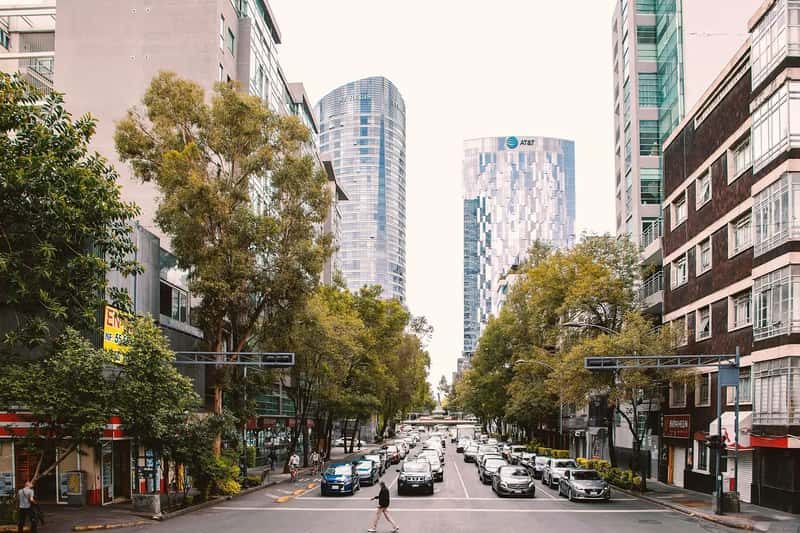
The communities are well established. One guide notes that the Pacific coast, the Bajío highlands, and Lake Chapala have all built genuine American retiree economies around them[14]. Beach towns, colonial cities and cooler highlands each attract a different type of retiree.
Budgets differ by town. A 2026 visa guide lists monthly costs of $1,500 to $1,900 in Mérida, $1,900 to $2,500 in Puerto Vallarta, and $1,400 to $1,800 in Oaxaca City[10]. A financial site also argues that a $2,500 monthly retirement in Puerto Vallarta or Mazatlán is achievable for many Americans, but only with realistic planning[15]. Popular places can get pricier, since San Miguel has become pricier due to expat demand[16].
Rising Rents and Local Pushback
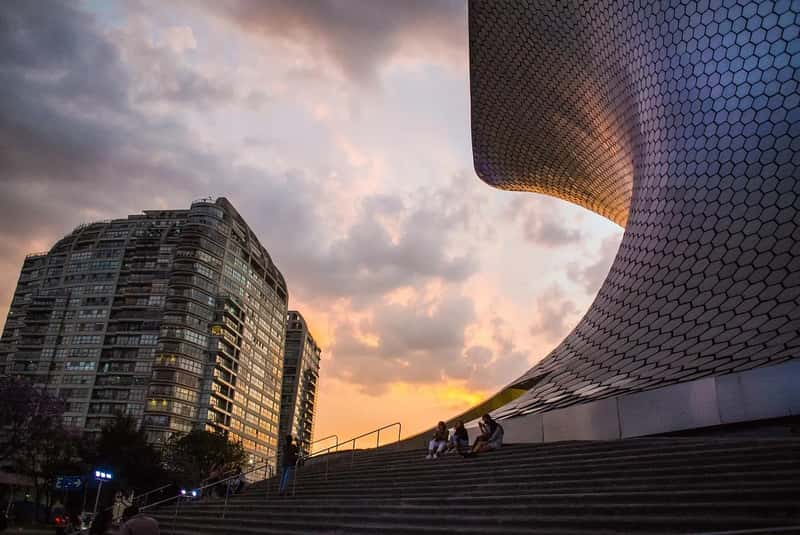
Not everyone in Mexico welcomes the arrivals. In Mexico City, Roma and Condesa are among the city’s most visible gentrification zones[17]. One market tracker reports that asking rents for a standard two bedroom rose about 9.6% in the year to June 2026[18], while inflation was about 3.6%[19].
Demonstrations in 2025 targeted foreigners and rising housing costs, and officials have responded with rules. Mexico City opened a mandatory digital registry for short term rental hosts and platforms in May 2026[16]. Housing costs also have domestic causes, as one political scientist noted that with or without gringos, housing in Mexico has become enormously more expensive[20].
Safety and Daily Life Beyond the Headlines

Safety varies a lot by region. A 2026 retiree guide that summarizes State Department advisories lists Tamaulipas, Sinaloa, Colima, Guerrero and Michoacán at Level 4, Do Not Travel[12]. It adds that border cities carry higher risk regardless of advisory level[12]. Check the current official advisory for your destination before you commit.
Day to day, loneliness may matter more than crime. The same guide argues that isolation poses a bigger practical risk than crime for many retirees abroad[12]. Common mistakes it names include not purchasing health insurance, choosing a location based on vacation memories, and underestimating the importance of learning Spanish[12].
Tourist Stays Versus Residency
Many Americans test the idea first. Americans, Canadians, and EU citizens get 180 days visa free as tourists[21]. That’s enough time to try a town through a full season.
Staying longer takes residency. Without it, you can’t open a bank account, get healthcare, or build a path to citizenship[21]. The application starts at home, because you must apply for your residency visa at the Mexican consulate that has jurisdiction over your home address[21]. Many applicants hire a local facilitator, whose fee typically costs $200 to $500[14], and the card itself runs about $5,500 MXN in government fees[14].