Cheap flights had a long run. IATA’s mid-2025 outlook expected the real average return fare to be $374 in 2025, about 40% below 2014 levels[1]. In 2026 that trend broke, and now airline executives are warning that next year could be pricier still.
Nobody can publish a route-by-route price list for 2027, and this article doesn’t try to. What the evidence does show is where fuel costs, capacity cuts and airspace problems overlap. Those are the markets most likely to feel it first.
Why 2027 Looks Costlier Than 2026

The main driver is fuel. Fares jumped in 2026 mainly because jet fuel spiked after the conflict with Iran began in late February.[2] IATA expects airlines worldwide to spend $350 billion on fuel this year, up from $252 billion in 2025.[2] One reported measure of Gulf Coast jet fuel showed a rise from $2.43 per gallon before the conflict to $4.63 on 20 October[3].
Many airlines have been shielded so far. Carriers largely avoided higher fuel expenses in 2026 by securing prices in advance, but those arrangements are due to expire by April 2027.[4] If fuel stays high, the full cost will reach ticket prices just as the summer season begins.
Short-Haul Europe and the Budget Airline Squeeze

Ryanair’s chief executive made the boldest public call. Michael O’Leary said in Brussels on Oct. 20 that European airfares could rise by 10, 15, maybe 20% next year.[5] Reporting on his remarks notes that this is a forecast for the broader market, not an announced uniform fare increase[6]. The final figure depends on market conditions.
Capacity is part of the story. Earlier this year, Lufthansa was reported to be removing 20,000 uneconomic short-haul flights from its European summer schedule to save fuel[7]. O’Leary also expects consolidation: if struggling airlines collapse or are acquired, fewer seats could give surviving carriers more pricing power[5]. Spur-of-the-moment weekend trips and busy summer city breaks look the most exposed.
Europe to Asia and the Gulf Hub Problem
This corridor has already shown how fragile pricing can be. After Gulf airports closed in early March, flight prices between Asia and Europe surged, with many popular routes appearing fully booked for days[8]. Detours matter too. Airlines have used northern and southern bypass routes that add between one and three hours to Europe-Asia flight times.[9]
One UK report says that flights from Europe to Asia that once cost £350 to £700 now cost £1,700 to £2,000 or more return[4]. That is a media-reported snapshot, not a market average. Still, it shows how quickly prices can move when capacity shrinks. Longer flight times also raise fuel burn per trip, a cost that doesn’t disappear when headlines fade.
Australia and the Kangaroo Route

Travelers between Australia and Europe depend heavily on Gulf carriers. When the hubs shut, the loss hit popular routes like Australia to Europe, where Emirates and Qatar Airways normally have a high market share[8]. That concentration is why this route sits near the top of any risk list.
Recovery has been uneven. One report in the spring said Emirates was operating at roughly 53% of normal capacity at Dubai, and Qatar Airways had parked an estimated 43% of its fleet[9]. That was an early snapshot and operations have changed since. Even so, routes with few good alternatives tend to stay expensive longer.
US Domestic Routes and Spirit’s Collapse
The US has already seen a sharp rise. The Bureau of Labor Statistics reported a 22.4% annual rise in airline fares in September 2026, against 3.7% overall consumer inflation[3]. Capacity is tightening as well. The collapse of budget carrier Spirit Airlines in May took 1% to 2% of capacity out of the US market.[10]
Early 2027 may bring more of the same. United has already removed some December flights and could make more adjustments in the first quarter of 2027 if fuel prices stay high.[11] An analyst quoted by CNBC said that if fuel stays in the $4 to $4.50 range, carriers are likely to cut more flights, which can raise fares for customers facing fewer seats[10]. Smaller markets and routes once served by ultra-low-cost carriers look most vulnerable.
Routes Between Europe and India
India-linked flights face two pressures at once. Airfares on key European routes to India have nearly doubled[12], according to one travel-industry report that ties the jump to the disruption of Gulf transit hubs. Fuel surcharges added to the cost.
Indian carriers have an extra burden. Pakistan airspace has been closed to Indian carriers since April 2025, forcing longer reroutes on Air India’s Europe and US flights.[12] Some relief appeared in July, when Air India cut fuel surcharges on long-haul routes by 20 to 30%[12]. Those fares still sit above pre-conflict levels, though, so how much further they climb depends on fuel and airspace.
Transatlantic Fares Are the Hardest to Call
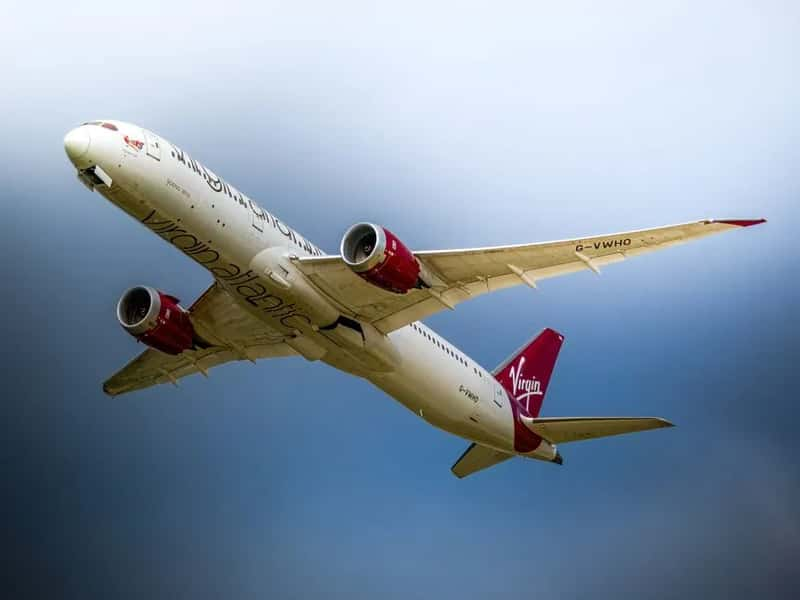
The North Atlantic doesn’t fit neatly into a “hit hardest” story. Demand looked softer earlier this year: bookings for July 2026 from Europe to the US were down 14% year over year, and bookings from the US to Europe were down 7%[12]. That could prompt transatlantic price reductions if airlines start filling seats at lower fares[12].
Against that, fuel costs apply to every long-haul flight, and Ryanair’s warning about expiring hedges applies to European airlines. If demand recovers while capacity stays trimmed, fares could climb. Nothing in the available evidence settles it. Treat transatlantic pricing as a wild card for 2027.
What Could Keep Fares From Climbing Further
The outlook isn’t one-directional. The US Energy Information Administration’s July forecast, as summarized by one analyst, had Brent crude averaging $65 in 2027[13]. That forecast predates the renewed fuel increases of late summer, so it deserves caution. If oil falls, airlines would benefit.
Even then, relief wouldn’t be instant. Economists describe a “rockets-and-feathers” effect: airlines don’t lower fares as quickly as they raised them when costs fell[2]. Demand could also act as a brake. IATA warned that stagflation would test the industry, particularly travelers’ ability to pay higher fares for an extended period[14].
Conclusion

Based on current evidence, the routes most exposed in 2027 are short-haul Europe, where hedges expire and capacity is being cut, and long-haul corridors tied to Gulf hubs and rerouted airspace, such as Europe to Asia and Australia to Europe. US domestic markets that lost low-cost capacity also look vulnerable. Transatlantic routes are less clear.
The sensible approach is to treat forecasts as ranges, not promises. If your dates are fixed and you find a fair price, booking earlier is a reasonable hedge, and flexibility on airports and travel days can soften the blow. Fares ultimately follow fuel, seats and demand, and all three are still moving.