Cruising has never been busier. Global cruise passenger volume reached a historic high of 37.2 million in 2025, according to CLIA’s 2026 industry report.[1] A good share of those travelers were newcomers, since 31 percent of cruisers were first-time passengers, according to the same report.[2]
If you’re over 55 and picking your first sailing, the real decision often comes before the cruise line or the destination. It’s whether to sail a river or cross open water. The two share a name and a floating hotel room, though they differ in ways that shape your whole trip.
Ship Size and Scale
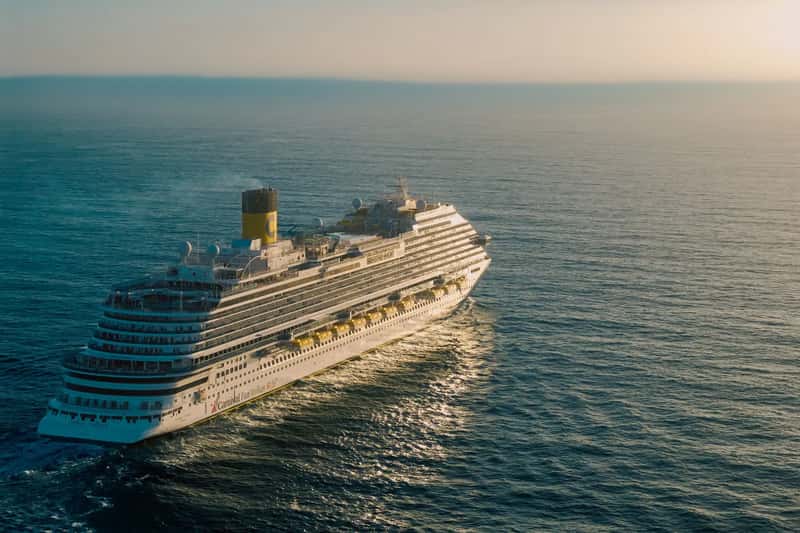
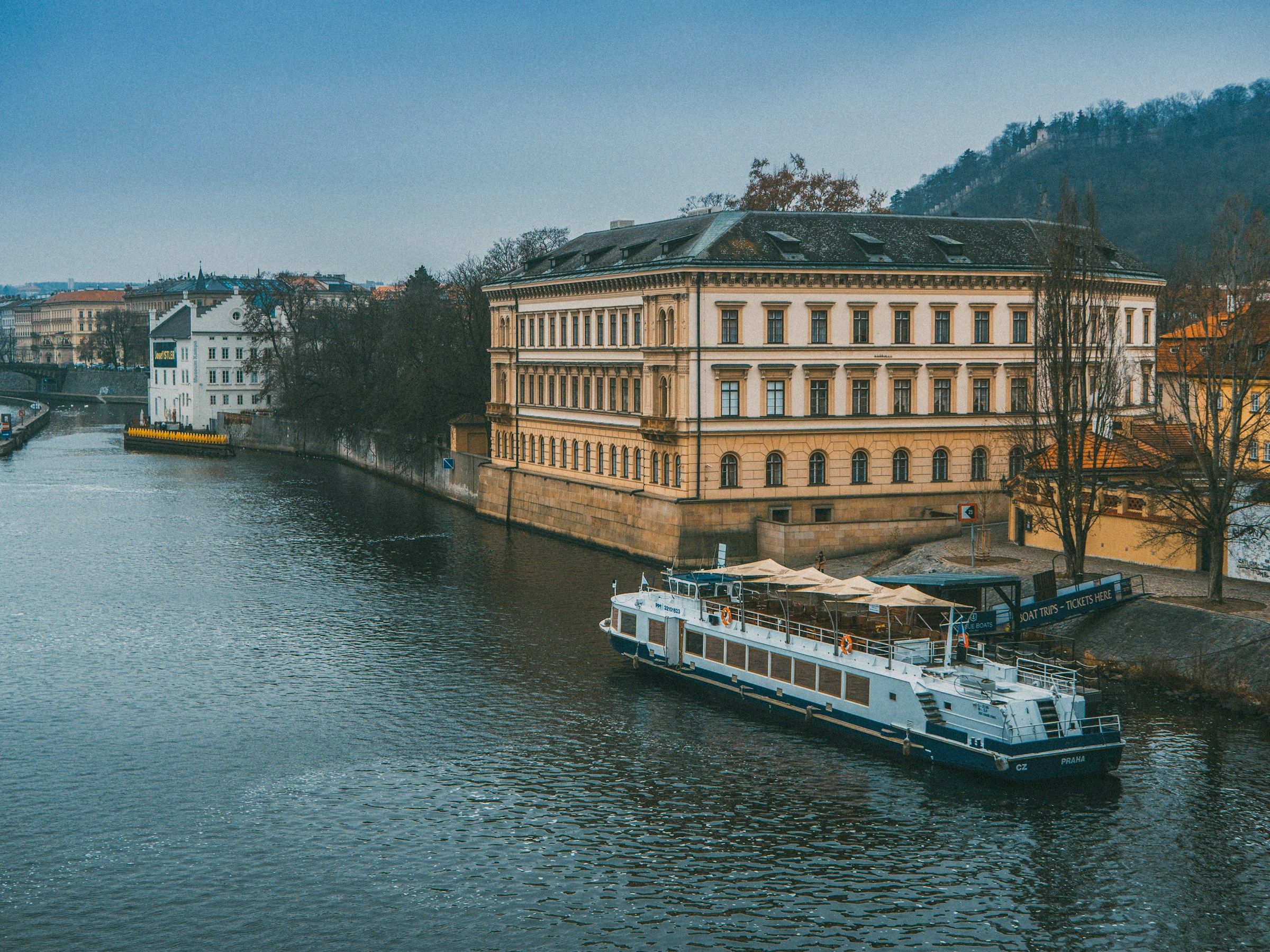
The most obvious difference is how big the ship is. River ships typically carry 100 to 190 passengers on vessels about 440 feet long and 38 feet wide, the maximum width that fits through European river locks.[3] Those limits keep the ships compact, with just a few decks.
Ocean ships play in another league. A typical mainstream ocean liner carries 3,000 to 5,000 guests across 15 to 18 decks.[3] The biggest, like Wonder of the Seas, carry over 7,000 passengers.[4] For a first timer, that can mean either plenty of choice or a lot of walking and waiting in line.
Pace and Ports of Call
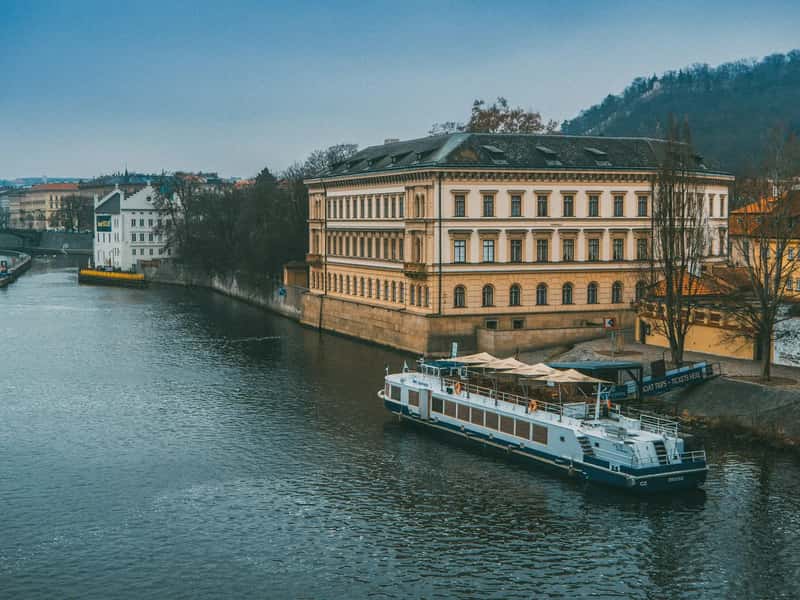
River cruising is built around the destination. Small ships carrying 100 to 200 passengers dock in city centers, not distant container ports.[5] Ships dock in the heart of Cologne, Vienna, or Budapest rather than at a distant industrial terminal,[5] so you can often step off and be in town within minutes.
Ocean itineraries have a different rhythm. Days at sea are part of the plan, and onboard programs fill them. Lectures, cooking demonstrations, dance classes, and enrichment talks keep days at sea engaging without requiring any physical exertion.[6] On a river, a full day of sailing is rare, though a stretch like the Wachau Valley or the Rhine Gorge can be a highlight.
Cost and What the Fare Covers
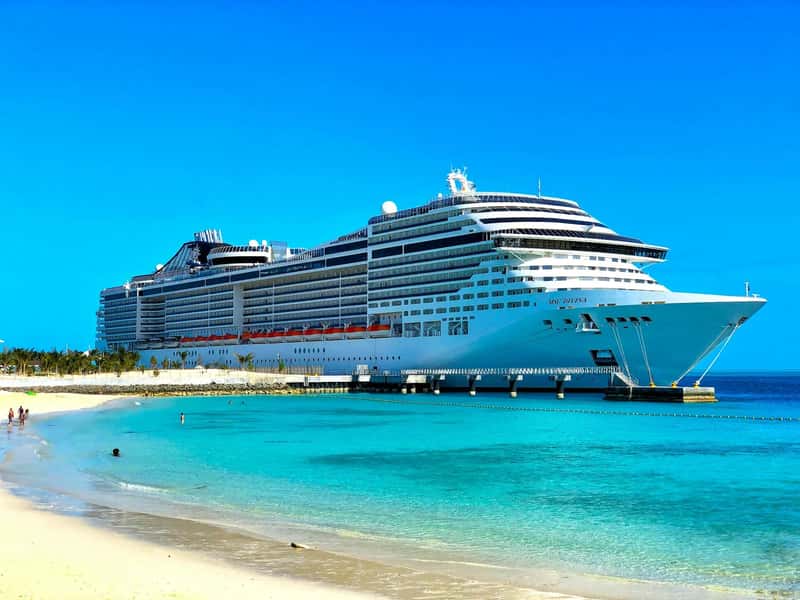
On sticker price alone, ocean cruises usually win. A 7 night Caribbean ocean cruise on a mainstream line can start under $1,000 per person before extras, while a 7 night European river cruise typically starts in the $2,500 to $4,500 range, often with more inclusions.[5] That gap looks large until you add the extras.
Drinks, excursions and tips are where ocean totals climb. One comparison found that once an ocean cruise is priced with a drinks package, daily excursions and gratuities, the gap narrows considerably, though it rarely closes entirely.[4] A travel agency’s own side by side example landed at $6,870 for a Viking river cruise and $5,990 for a Celebrity ocean cruise.[7] That’s one booking, so treat it as an illustration rather than a rule.
Who You’ll Be Sailing With
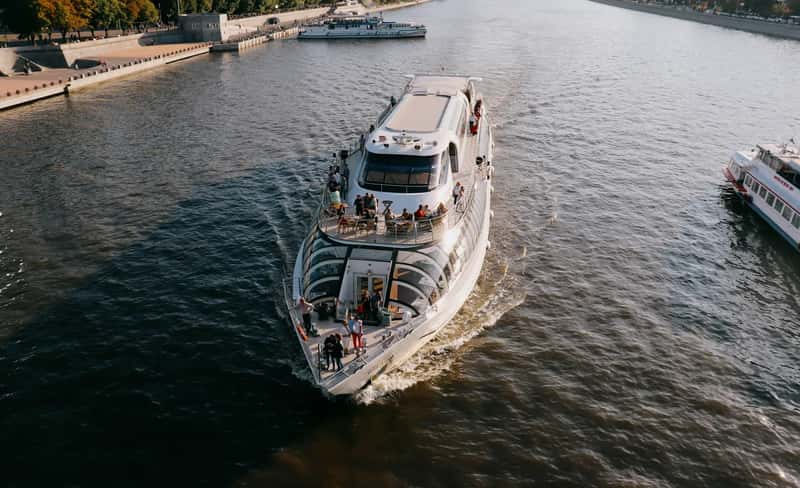
Age is one of the clearest differences. River cruises attract a more mature crowd, with the average passenger being anywhere between 55 to 70 years old,[8] though some newer brands are aiming younger. Viking, for one, doesn’t permit children under 18.[9]
Ocean ships tend to be a broader mix. Around one third of cruise passengers are under the age of 40, and around one third of cruise trips are taken by multigenerational groups,[10] according to CLIA’s latest findings. If you’d rather not share a pool with school groups, some lines are adults only, so it’s worth checking.
Mobility, Accessibility and Medical Care

Smaller doesn’t automatically mean easier. Viking’s longships may not offer elevator access on every floor,[11] and on many river ships elevators usually don’t reach the sun deck.[12] Gangways can be steep or uneven depending on river levels, and cobblestones are common in old town centers.
Ocean ships generally have the edge on infrastructure. Medical facilities on large vessels are typically staffed by doctors and nurses around the clock.[6] Some river operators have said they don’t carry a doctor or nurse, and that medical services can be called from shore if required.[13] Whichever you pick, check insurance early, since medical care, evacuation, cancellation and pre-existing condition rules can matter more on cruises.[14]
Water Conditions and Itinerary Risk
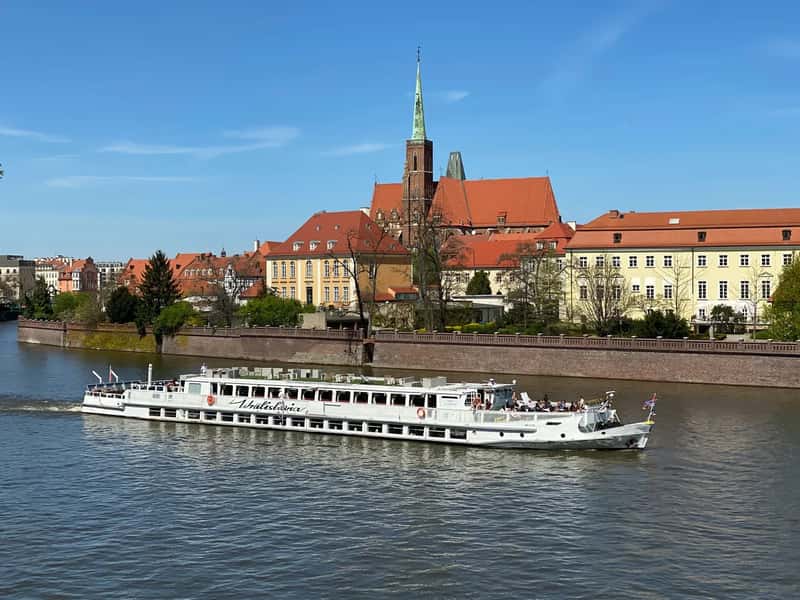
This is the difference that matters most right now. Rivers depend on rainfall, and 2026 has been a hard year. Europe’s river cruise lines are in crisis mode, according to TTG, as exceptionally low water levels force cancellations and itinerary changes on Rhine and Danube sailings.[15]
The numbers are striking. In September, the Rhine’s Kaub gauge was around 17 centimeters, well below its 77 centimeter navigation reference and below the previous low of 25 centimeters recorded in 2018.[16] Passengers have faced ship swaps, changes in embarkation points, coach transfers and, in some cases, hotel stays.[17] Viking reported that more than half of its European river cruise operating days experienced some consequence from low water during a one month period,[18] which isn’t the same as cancellation. Ask any river line about its low water policy before you book.
Onboard Amenities and Entertainment
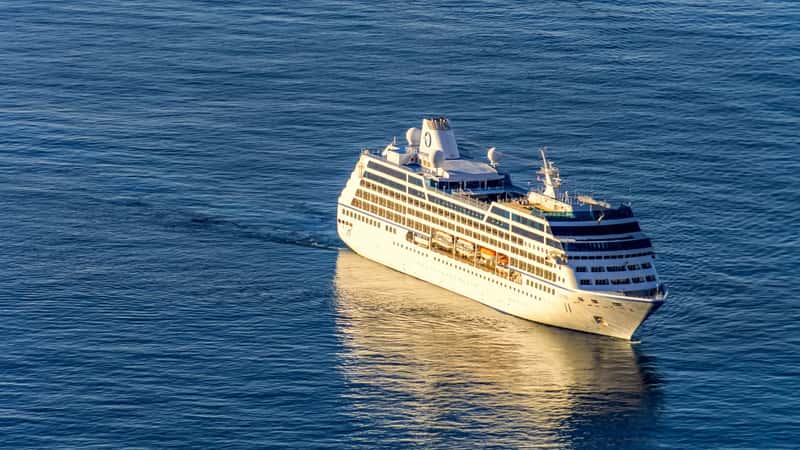
Ocean ships work like floating resorts. They typically offer multiple restaurants, pools, theaters, casinos, water slides, and even go-kart tracks or ice-skating rinks.[19] Dining can range from 8 to 30 options on a mainstream liner.[3]
River ships keep it simple. They have one or two public lounges, a single restaurant, a small fitness room and a sun deck, with no casino, no spa complex and no children’s program.[3] One small practical perk is that WiFi is included on most river lines, while ocean ships charge roughly $15 to $25 a day.[9] If you want nightly shows and variety, ocean wins. If you want quiet evenings and conversation, a river ship fits.
Matching the Ship to Your Travel Style
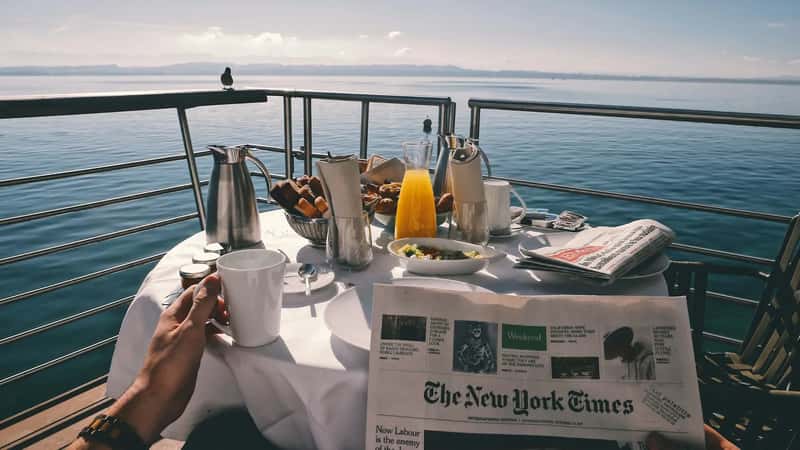
A river cruise suits travelers who want cultural stops, a small crowd and a fare with more included, and who can handle some walking. An ocean cruise suits those who want more onboard choice, stronger accessibility features and a lower starting price. Before booking either, confirm the mobility details, the medical arrangements and, for rivers, what happens if the water drops.