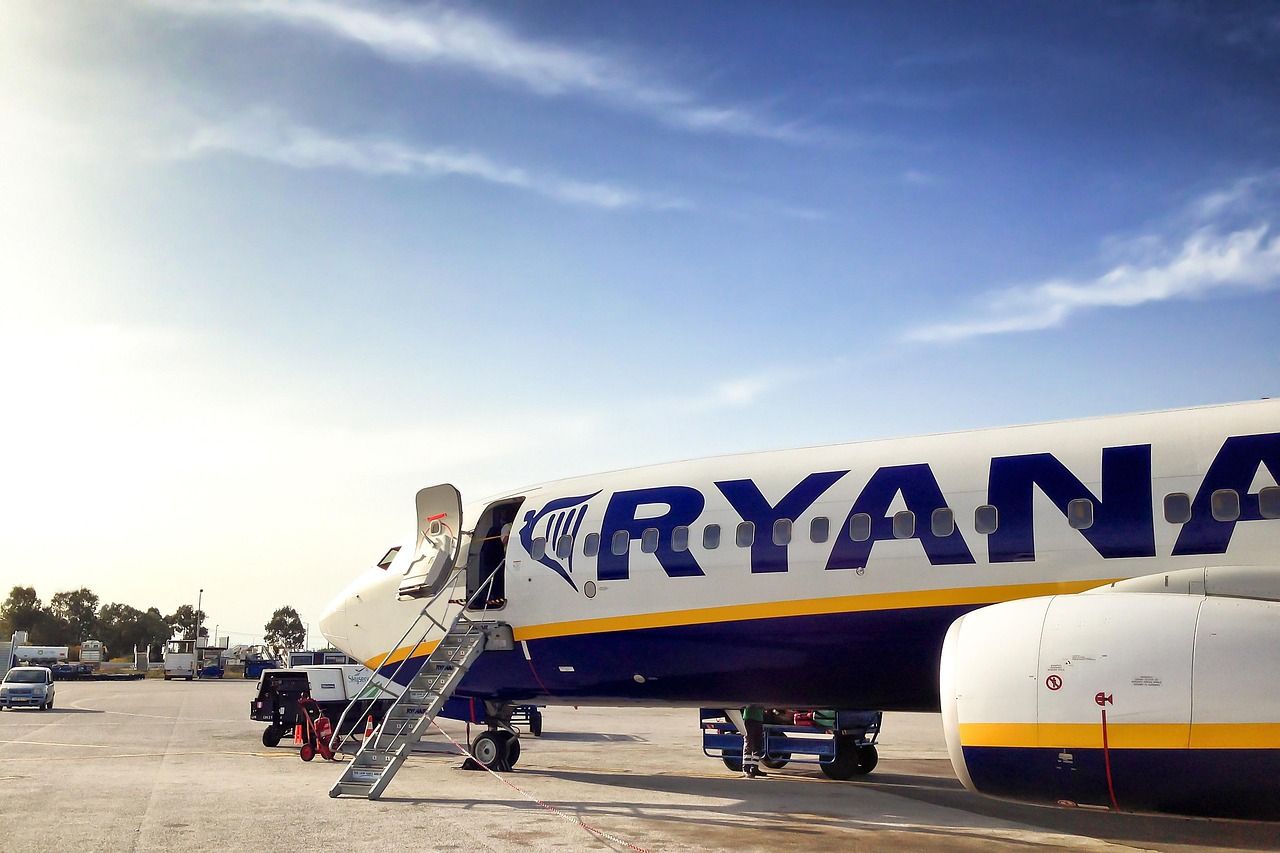
Ryanair has told investors that a sharp rise in jet fuel costs could mean higher fares for passengers and a temporary pay freeze for staff. The airline is considering a temporary wage freeze and has confirmed that airfares will be “materially higher” next summer.[1] The cause is the surge in fuel prices that followed the US-Israel war with Iran.
The details matter, because the airline has described these as options under review, not final decisions. This article covers what Ryanair has said, the numbers behind it, and what remains uncertain.
What Ryanair Actually Announced
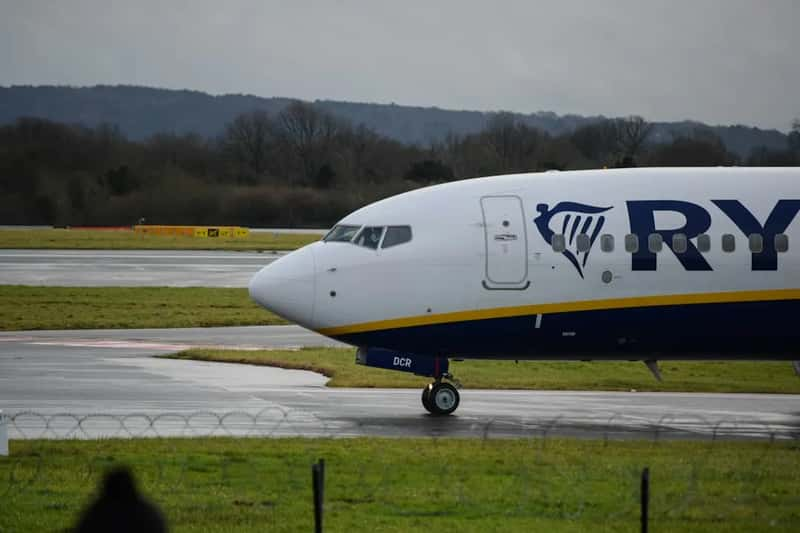
The announcement came with the company’s half-year results on 2 November 2026. Ryanair said higher fares alone were unlikely to be enough, and that among a number of measures it was looking into “temporary pay freezes”.[2] It also said it expects fuel prices to stay high “well into 2027” unless there is a “swift resolution” to the conflict.[1]
The wording is cautious. Ryanair says it is “considering” or “weighing up” a freeze, so nothing has been formally imposed. Unite, the union that represents Ryanair staff, had been contacted for comment when the story first broke.[1] I couldn’t find a published union response yet, so it’s too early to say how employees will react.
A Fuel Bill Heading Sharply Higher

The headline figure is a roughly €2bn increase in fuel costs. Ryanair estimates its fuel bill could rise by around €2bn in the financial year ending March 2028, based on current forward prices.[3] That is a large sum, even for Europe’s biggest low-cost carrier.
The underlying driver is a squeeze on supply. Aviation fuel prices have surged this year because the war has dramatically reduced the supply of refined products coming from the Gulf, and has increased competition for those produced elsewhere.[1] Ryanair’s own forecast depends on how long that disruption lasts.
Why Hedging Only Goes So Far
Ryanair is known for locking in fuel prices well ahead of time, and that has protected it so far. It has hedged more than 80% of its fuel costs at around $67 per barrel until next March, while the remaining fifth has doubled to roughly $130 per barrel.[4] In other words, most of the current year is shielded.
The problem is what happens when those contracts expire. Ryanair said it expects European short-haul fares to “increase materially” next year as fuel hedging deals expire.[5] The protection is temporary, and the airline is now planning for the period after it runs out.
How Much Could Fares Rise?
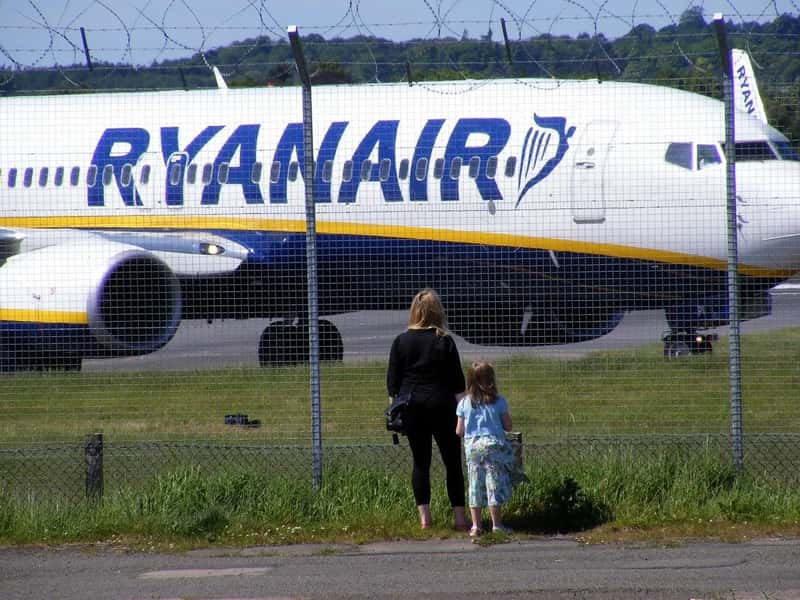
Michael O’Leary has put numbers on it. He said on the earnings call that Ryanair needs about a 20% increase in airfares, or about 10 euros per passenger, to fund the extra costs.[4] Last month he said he expects Ryanair and other airlines to raise fares by 15% to 20% next year.[2]
He also used blunt language about the scale of the change. “You’re going to see the biggest increase in airfares, I would say, in history in Europe in the next 12 months,” he said.[6] These are the CEO’s forecasts, not guaranteed price tags, and actual fares will depend on demand and competition.
The Pay Freeze Proposal
The pay freeze is tied to the end of existing union deals. Ryanair said it was weighing a freeze as “maturing labour agreements”, which are multi-year wage deals with unions, come to an end, and that it could start from April next year.[7] The timing coincides with the start of the financial year in which the extra fuel costs are expected to land.
The airline describes the measure as temporary. Pay is one of the largest costs for any airline, which explains why it is on the table. Whether staff and unions will accept a freeze is a separate question that Ryanair’s statement doesn’t answer.
Other Cost Measures on the List
Pay isn’t the only area under review. The airline said it is “reviewing all costs”. It also suggested lowering the crew-to-passenger ratio on flights and using more AI to boost productivity in operations and support functions.[4] Ryanair said it would increase its use of artificial intelligence in its back office and support functions.[7]
It is also trimming its growth plans. Ryanair has cut its traffic target from 216 million passengers to 214 million, which would mean no year-over-year growth for the coming winter season.[4] Flying fewer planes, particularly those exposed to unhedged fuel, is another way to limit the damage.
Profits, Demand and the Balancing Act
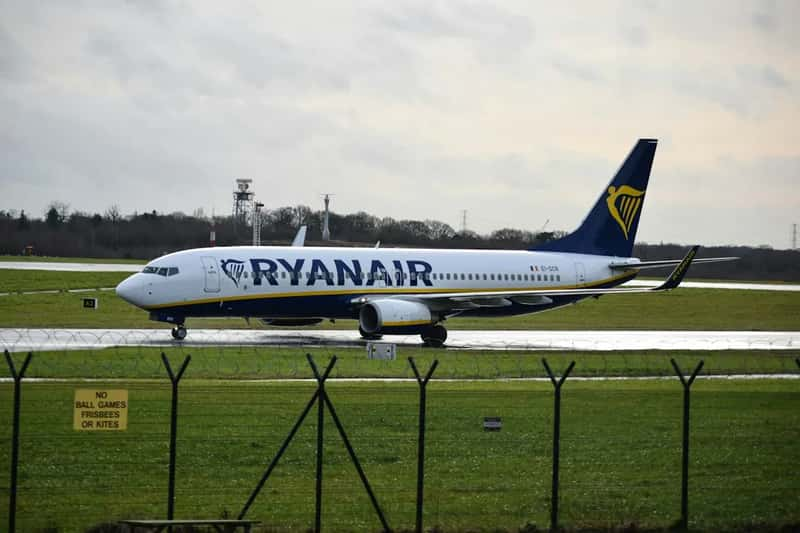
The warning comes as earnings begin to feel the pressure. Ryanair reported that post-tax profit fell 15% to 2.15 billion euros for the six months to September 30.[4] That is still a substantial profit, so this is a squeeze on margins, not a crisis.
The airline’s difficulty is that it can’t simply pass everything on to customers. One report described it as facing pressure on two fronts: controlling operating expenses while managing the risk that higher ticket prices could hurt demand.[3] Ryanair also noted that the booking window remains closer-in, which reduces its visibility on demand.[5]
A Longer Capacity Squeeze
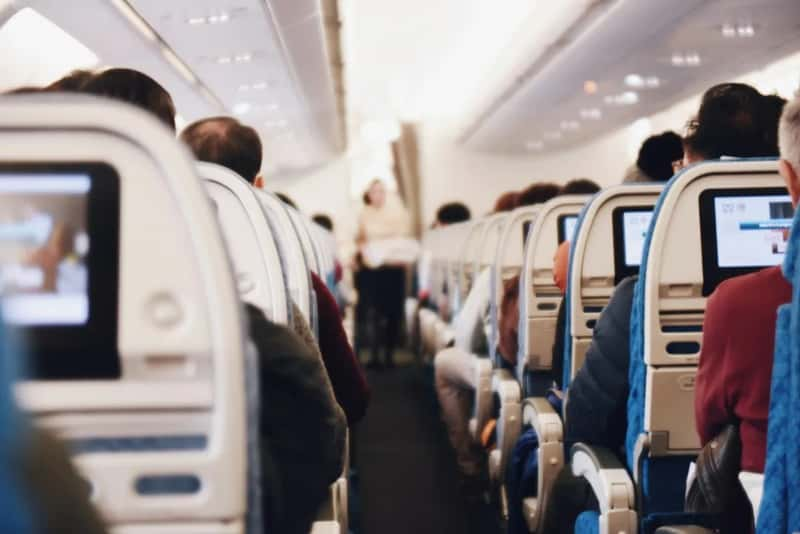
O’Leary also pointed to supply limits across the industry. He said the capacity cuts would continue into the summer of 2027, and that over the medium term he expects short-haul capacity to stay constrained out to the early 2030s.[8] Fewer seats in the market would tend to support higher prices on their own.
That outlook is the airline’s view, and it suits a company arguing that fares must rise. Still, the combination of costly fuel and limited capacity makes cheaper flights less likely in the near term. How much passengers pay will depend on how the conflict develops and how competitors respond.
Conclusion
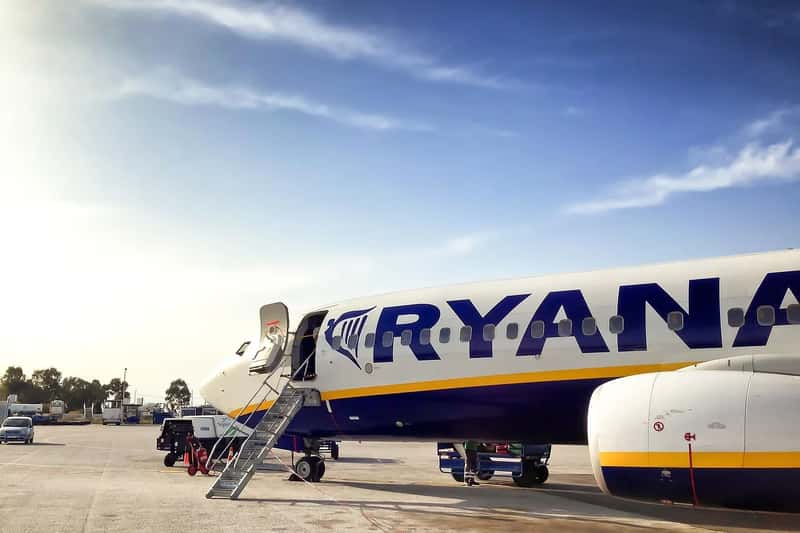
Ryanair’s message is that fuel costs are about to bite once its hedges roll off. Higher fares are expected, with the company talking about increases of around 15% to 20%. Temporary pay freezes, a leaner crew ratio and more AI are being considered to cover the rest. None of the staff measures is final yet.
The outcome rests on two things the airline doesn’t control: how quickly fuel supply recovers, and how much more passengers will accept paying for a seat. For now, travelers should expect pricier flights next summer, and Ryanair’s staff will be watching the wage talks closely.