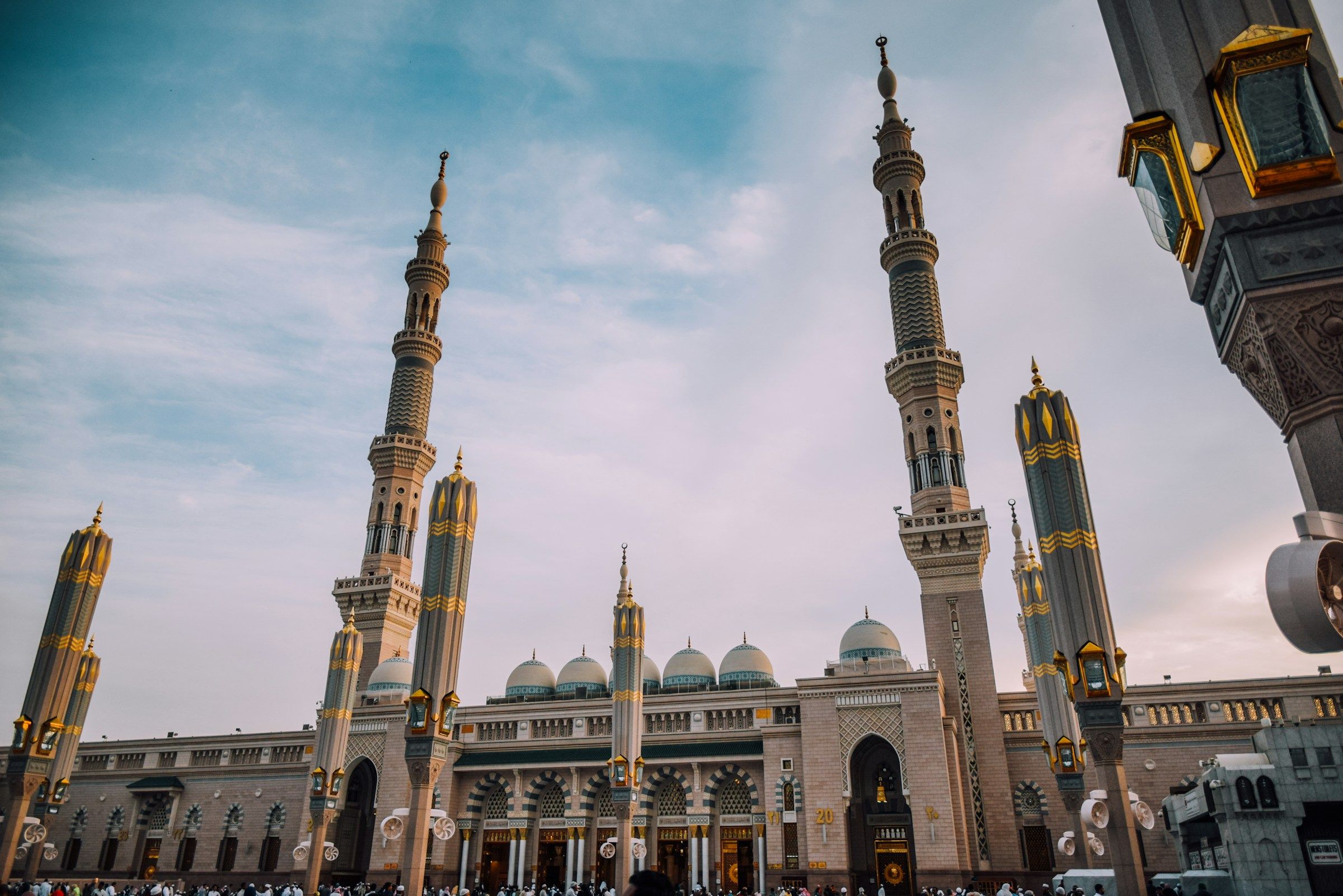
Just a few years ago, Saudi Arabia was a country most travelers associated only with pilgrimage or business trips. That has changed dramatically. The kingdom now counts tourism among its fastest-growing economic sectors, with a mix of ancient heritage sites, brand-new luxury resorts, and heavily marketed festival seasons pulling in visitors from across the globe.
The numbers tell a striking story of momentum, even if the path to the government’s ultimate goal isn’t perfectly smooth. Behind every statistic sits a handful of cities and regions doing the heavy lifting, from the desert canyons of AlUla to the coral reefs off the Red Sea coast. This piece looks at where the growth is coming from, what’s fueling it, and where the cracks are starting to show.
A Record-Breaking Run
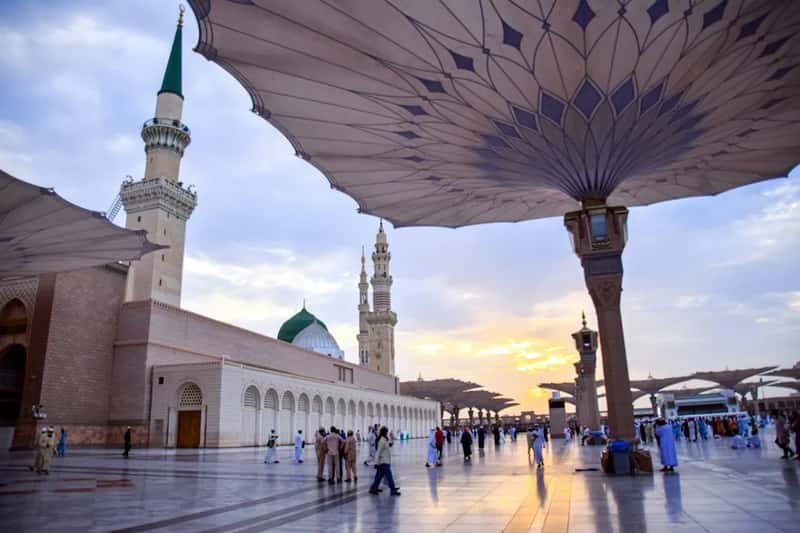
Saudi Arabia’s tourism sector closed out 2025 with numbers that would have sounded implausible a decade ago. The country welcomed more than 122 million domestic and international visitors and generated around SR300 billion in spending, a 5 percent rise in visitor numbers compared with 2024, while total tourism expenditure climbed by 6 percent year on year.[1] That spending figure translates to roughly 81 billion dollars flowing through hotels, restaurants, tour operators, and retail.
Context matters here too. The Kingdom hit its original 100-million-visitor goal seven years ahead of schedule, back in 2023, which pushed planners to raise the bar toward a revised target of 150 million annual visits by 2030.[2] Domestic travel is doing a lot of the work behind these totals. Overall, tourism reached 123 million visitors in 2025, including 29.3 million inbound tourists and 93.3 million domestic tourists.[3] In other words, Saudis themselves, once known for spending their holiday budgets abroad, are now increasingly vacationing at home.
Riyadh: From Business Hub to Cultural Capital
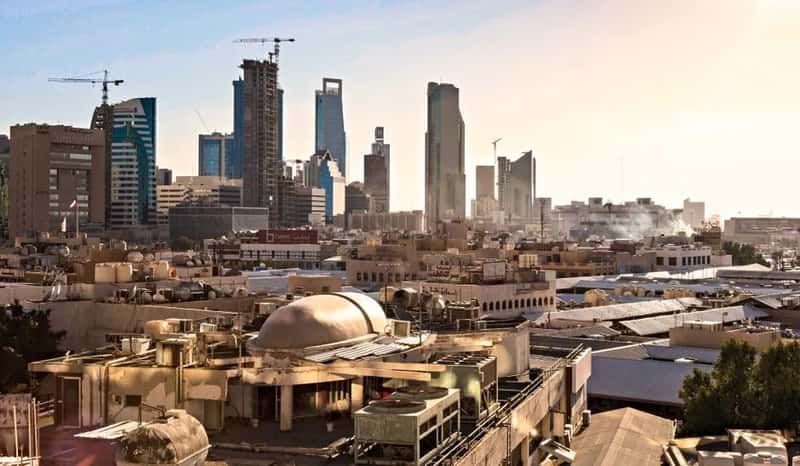
Riyadh has spent the last several years reinventing itself. It’s still the kingdom’s political and financial nerve center, but it has also become a genuine leisure destination in its own right, thanks to entertainment seasons, new museums, and a skyline that keeps adding towers. The city’s role as host of major conferences and sporting events has made it a magnet for business travelers who increasingly stay on to explore.
That said, the capital’s tourism story isn’t without turbulence. The market has undergone a temporary correction, particularly in Riyadh, where business spending faced a decline in late 2025 and early 2026, partly due to a maturing market as the city transitions from a primarily business-focused destination to a more balanced mix of business and leisure tourism.[4] Analysts largely view this as a natural adjustment rather than a warning sign, especially given the sheer scale of infrastructure still coming online around the capital.
Jeddah: The Gateway City Finds Its Balance
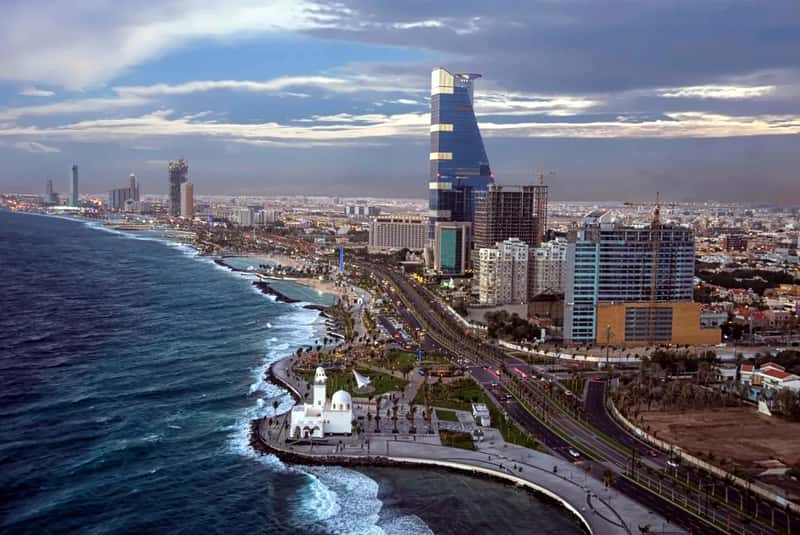
Jeddah has long served as the practical entry point for millions of pilgrims heading to Mecca, and that role hasn’t diminished. What has changed is the city’s ambition to be more than a stopover. Its historic Al-Balad district, waterfront corniche, and expanding cultural calendar are increasingly marketed as destinations worth lingering in, not just passing through.
Like Riyadh, Jeddah is navigating a period of adjustment as the broader Saudi hospitality market recalibrates. While Riyadh and Jeddah face adjustments in their respective markets, emerging destinations such as the Red Sea and AlUla are gaining significant traction, particularly in the luxury tourism segment, with those regions expected to experience a compound annual growth rate of 18.2 percent.[4] That doesn’t mean Jeddah is losing relevance; it simply means the growth story is diversifying across more of the map.
Mecca and Medina: The Bedrock of Saudi Tourism
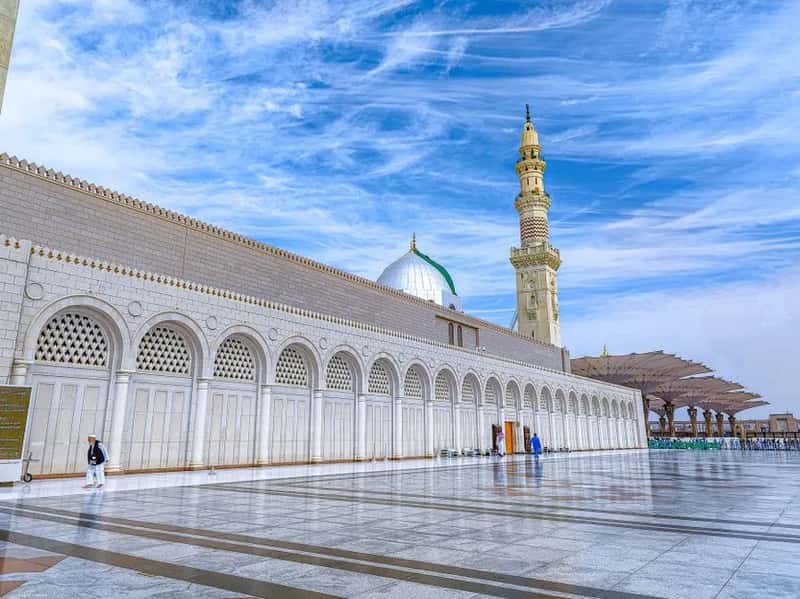
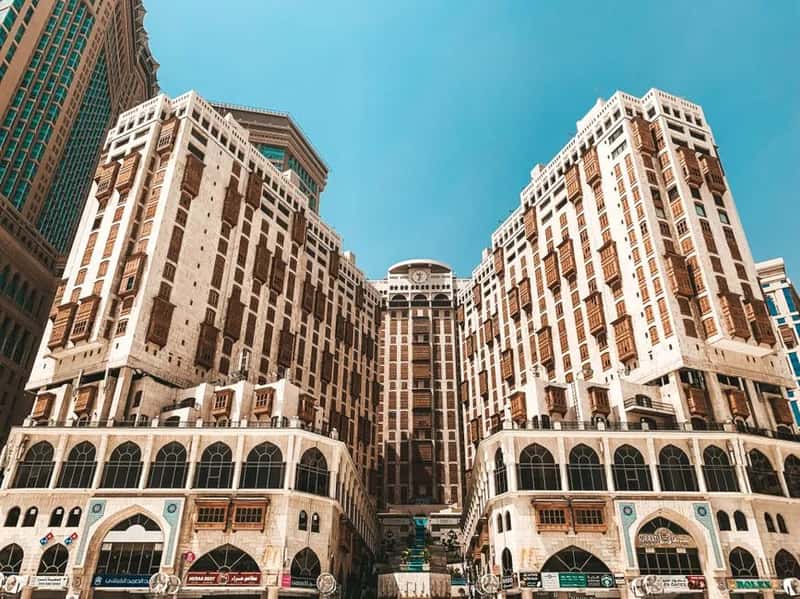
No discussion of Saudi tourism is complete without acknowledging that religious travel remains the foundation everything else is built on. Millions of Umrah pilgrims arrive each year, and that flow underpins hotel occupancy figures nationwide even when other segments soften. Religious tourism is foundational to the sector, with ambitious targets for Umrah pilgrims and several mega events planned to boost international arrivals.[5]
Demand around religious holidays is intense enough to push hospitality metrics to near-capacity. National occupancy rates have averaged around 57.3 percent, with peak seasons such as Ramadan 2026 witnessing near 100 percent occupancy in major luxury properties in Makkah, indicating that while pricing has softened elsewhere, demand for hospitality in key religious tourism destinations remains robust.[4] Medina, meanwhile, continues to expand its own hotel capacity to accommodate the steady rhythm of visitors making the journey to the Prophet’s Mosque.
AlUla: Heritage Turned Luxury Icon
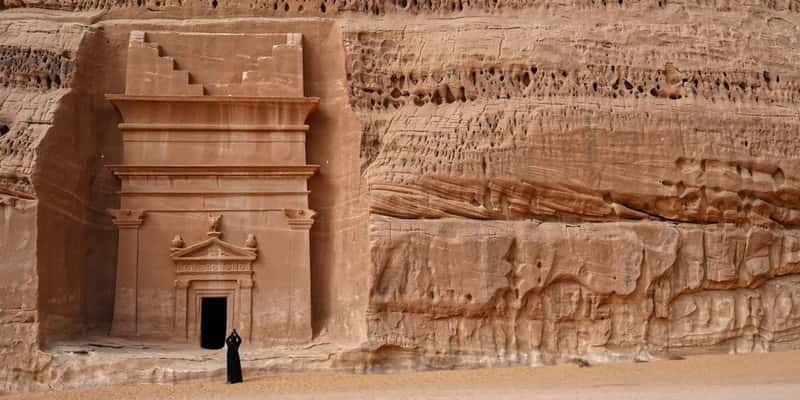
Few places illustrate Saudi Arabia’s tourism ambitions better than AlUla. Home to Hegra, the kingdom’s first UNESCO World Heritage Site, the region has transformed from a little-known archaeological curiosity into one of the most talked-about desert destinations in the world. Once a crossroads for ancient civilisations, the region is home to Hegra, Saudi Arabia’s first UNESCO World Heritage Site.[6]
Visitor numbers have climbed steadily, even if they remain modest compared to Saudi Arabia’s headline national totals. AlUla drew 320,000 visitors in 2025, up 15 percent year-on-year, and is targeting 1 million by 2030, a goal that requires tripling its current hotel inventory.[7] The mix of visitors is shifting too. Today, AlUla is positioned as a top destination for international travelers, with 68 percent of visitors arriving from abroad.[8] New hotel openings, expanded airport capacity, and a growing arts and festival calendar suggest the destination has real staying power rather than being a one-off novelty.
Diriyah: Reviving the Birthplace of the Kingdom
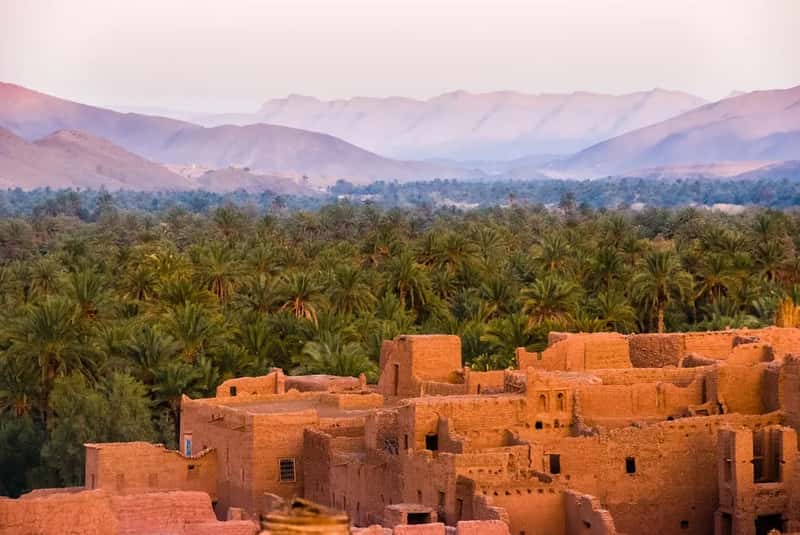
Just a short drive from central Riyadh, Diriyah is where the Saudi story technically began, and the government is spending enormous sums to make sure visitors know it. The SAR236 billion transformation of Diriyah, the birthplace of the Saudi state, is advancing from foundational infrastructure and masterplanning into full-scale delivery of mixed-use districts, landmark assets, and market-ready residential communities.[9] At its heart sits At-Turaif, the UNESCO-listed mudbrick district that once served as the seat of the first Saudi state.
The ambitions for Diriyah’s visitor numbers are enormous. Spanning 14 square kilometers and located just 15 minutes northwest of central Riyadh, Diriyah is expected to accommodate approximately 100,000 residents and attract up to 50 million visitors annually by 2030.[9] The hotel pipeline backs up that ambition, with brands like Aman, Four Seasons, and Rosewood all attached to the project. The hospitality component of Diriyah Gate is among the most ambitious hotel development programs in the world, with the masterplan calling for over 10,000 hotel keys across a range of luxury and ultra-luxury brands.[10]
The Red Sea Coast and NEOM: Betting on Regenerative Luxury
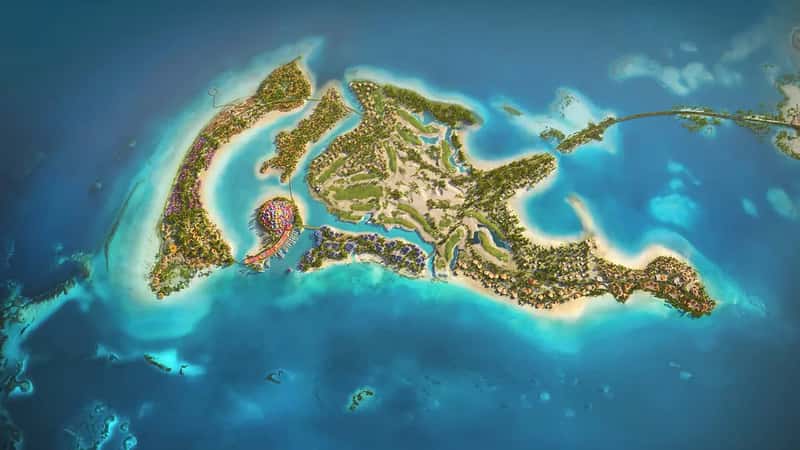
Along Saudi Arabia’s western coastline, an entirely new kind of tourism destination is taking shape, one built almost from scratch around private islands, coral reefs, and eco-conscious design. The Red Sea destination encompasses an archipelago of over 90 islands, with initial phases bringing luxury resorts operated by brands including St. Regis, Ritz-Carlton Reserve, and Six Senses, and it targets one million visitors annually at full build-out.[11] Several resorts have already opened their doors. In 2025, the destination entered a new phase with the opening of Shura Island, its first three resorts, and the Shura Links Golf Course, and in early 2026 it expanded further with the launch of Adrena, an adventure and entertainment district.[12]
Further north, NEOM’s coastal ambitions have proven harder to deliver on schedule. Sindalah, the project’s flagship island resort, has faced repeated delays despite years of hype. The island has consumed an estimated 4 billion dollars, roughly triple its initial projected cost, and has yet to welcome a single paying guest from the general public as of early 2026.[13] That gap between vision and delivery is a useful reminder that not every giga-project is moving at the same pace, even within the same coastal corridor.
Growing Pains: Hotel Gaps and Regional Headwinds
The boom hasn’t been without friction. International arrivals actually dipped slightly even as domestic travel surged, a pattern that’s shown up more than once in recent data. The first quarter of 2026 saw 37.2 million tourists, with 8.3 million being international visitors, marking a 13 percent decrease from the previous year, while domestic trips surged by 16 percent to 28.9 million.[14] Regional instability played a clear role in that softening. UN Tourism’s World Tourism Barometer recorded international arrivals across the entire Middle East down 14 percent in the first quarter of 2026, attributing the regional result directly to conflict in the area.[15]
There’s also a structural issue simmering beneath the glossy resort announcements. Major projects and luxury hotel developments aim to attract high-yield tourists, but there is a structural gap in mid-scale and budget accommodations.[5] That imbalance matters because reaching 150 million annual visitors will require far more than ultra-luxury island resorts; it needs affordable rooms for families, backpackers, and business travelers who aren’t booking five-star suites. Planners in Riyadh appear aware of the gap, but closing it will take years, not months.