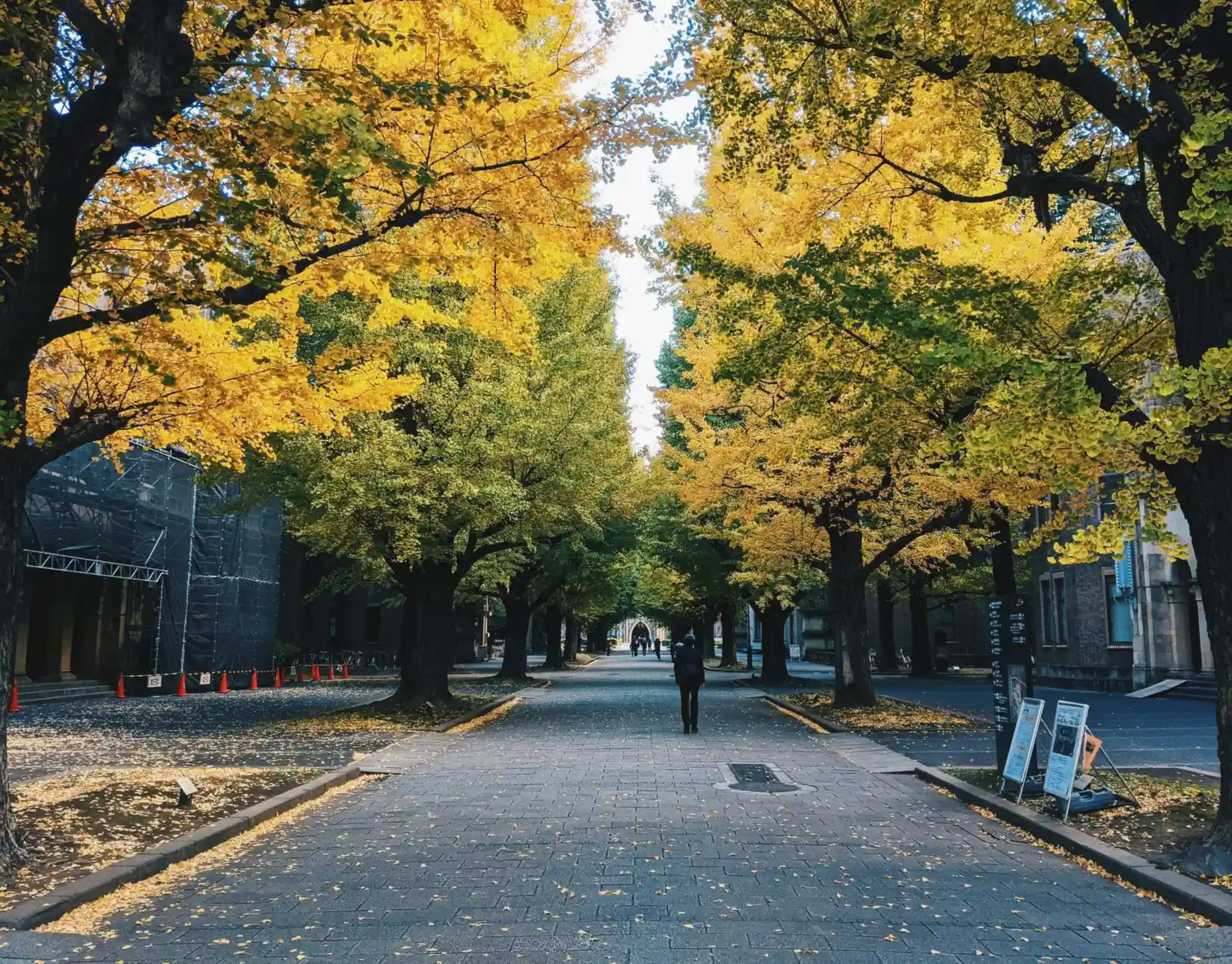
Ever scrolled through travel photos and seen those jaw-dropping mountain roads snaking through clouds, clinging to cliffsides? They look incredible until you realize people actually drive on them. And here’s the thing: some of these roads are less “scenic drive” and more “tempting fate with a steering wheel.”
More than 3,200 traffic fatalities were linked to distracted driving in 2023 alone, according to official U.S. data, and scenic roads can be particularly deceptive. The views might be spectacular, but the danger is real. From Bolivia’s infamous Death Road to Norway’s rockfall-prone mountain passes, these are the routes where beauty and risk collide in ways you might not expect.
Bolivia’s North Yungas Road: Where Beauty Meets Mortality
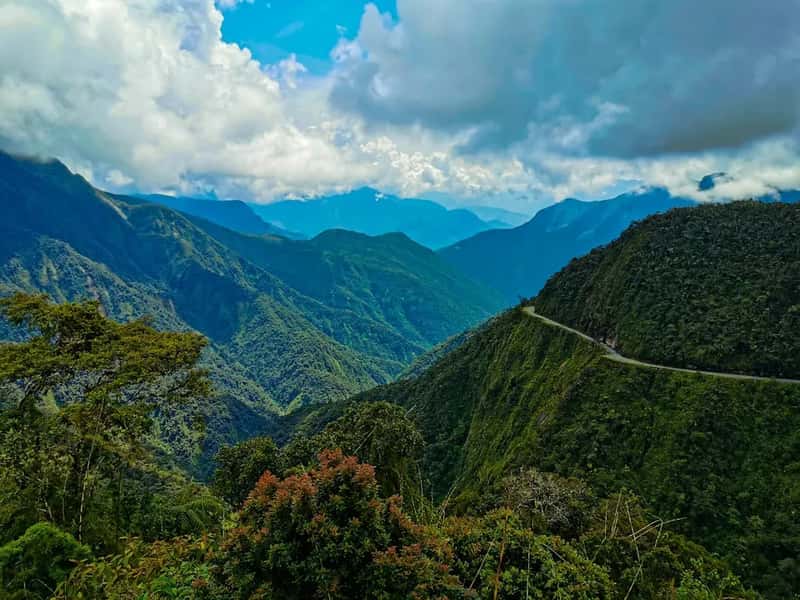
Let’s be honest, when a road earns the nickname “Death Road,” you’d think people would stay away. They don’t. Until the mid-1990s, the accident rate on the road was between 200 and 300 deaths per year, averaging around 209 accidents and 96 deaths per year, making it one of the most lethal stretches of pavement on Earth. In 1995, the Inter-American Development Bank dubbed it the most dangerous road in the world.
Several sections of the road are less than 3 metres wide, and due to the common occurrence of rain, fog, landslides, cascades, steep slopes, and cliffs, it is largely considered the most dangerous road in the world. The 64-kilometer route connects La Paz to Bolivia’s Yungas region, dropping nearly 12,000 feet in elevation. Today, around 25,000 cyclists annually test their courage, descending from the cloud forests of La Paz to the lush Amazon basin below. Despite a safer bypass opening in 2006, thrill-seekers keep coming back. Since 1998, at least 20 cyclists have died, proving the road hasn’t lost its bite.
Norway’s Trollstigen: The Troll’s Ladder With a Rockfall Problem
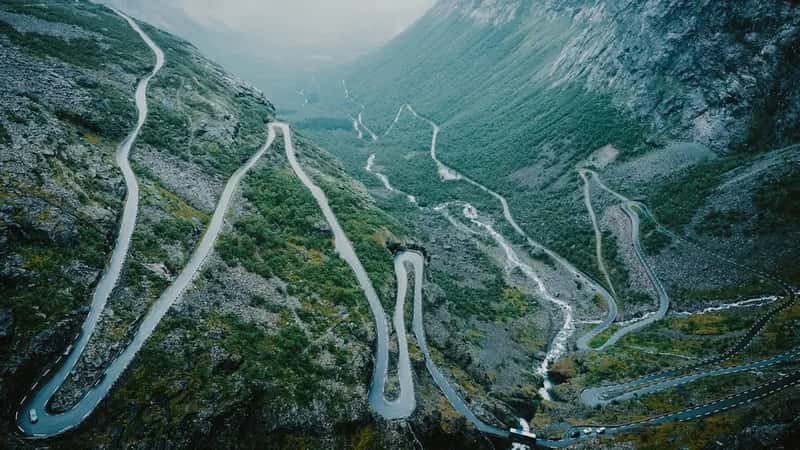
Trollstigen Mountain Road is one of Norway’s most dramatic and most visited attractions, featuring dangerous conditions: steep gradients, narrow driving space, and poor traction and visibility in rain and fog. The route features 11 hairpin turns carved into the mountainside, and honestly, it looks like something out of a fantasy novel. In 2019, there were over 1.1 million visitors to the mountain pass.
Here’s where it gets interesting. In just ten days in 2024, six rockfalls were recorded, and the risk of someone being hit by a rockfall became so great that the municipality closed the road until safety measures were implemented. In one instance, a rock the size of a football crashed through the window of a car, though fortunately, the driver was unharmed.
Alaska’s Dalton Highway: 414 Miles of Frozen Isolation

The Dalton Highway isn’t just dangerous because of the road itself. It’s dangerous because if something goes wrong, you’re basically on your own. The highway is one of the most isolated roads in the United States, with only three towns along the route: Coldfoot with a population of 34, Wiseman with 12, and Deadhorse at the end with 25 permanent residents.
Traveling this farthest-north road involves real risks and challenges because the highway is essentially just a gravel road, reduced to zero visibility, enormous potholes, and extreme Arctic weather. Every year, motorcyclists are killed on the Dalton Highway, and the conditions test even experienced drivers. Think massive trucks kicking up dust clouds, temperatures that can plunge to extreme lows, and stretches of up to 245 miles without gas stations. It is the subject of the BBC’s World’s Most Dangerous Roads, so its reputation isn’t exactly exaggerated.
Florida’s Interstate 4: America’s Deadliest Highway
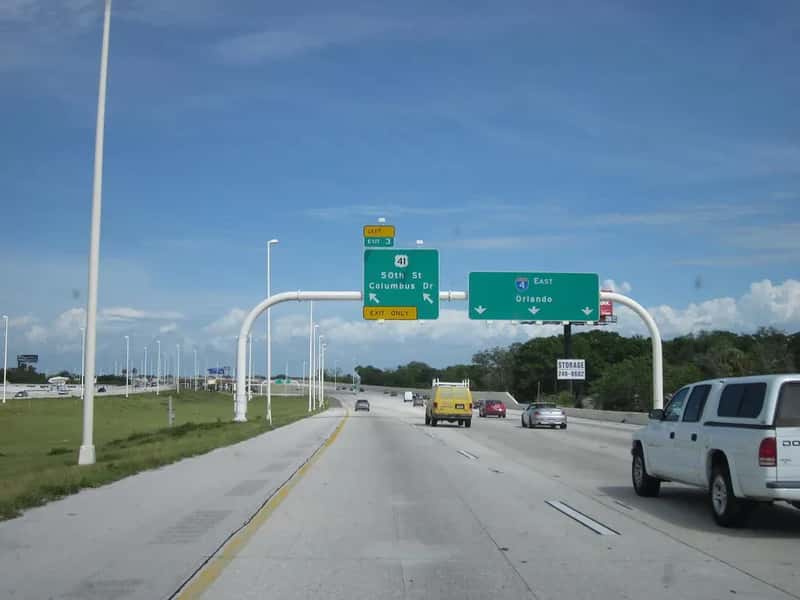
You might be surprised to find a Florida interstate on this list, but the numbers don’t lie. The 132-mile stretch of highway between Tampa and Daytona Beach averages 34 fatalities per 100 miles, making it the deadliest in the country, according to National Highway Traffic Safety Administration data. Interstate 4 has consistently ranked among the most treacherous highways in the United States, with a staggering 1.41 fatalities per mile between 2010 and 2015.
Located in Central Florida, Interstate 4 is one of the most hazardous highways, with a death rate of 1.134 per mile, and with loads of tourists heading to the theme parks and attractions, coupled with daily Florida commuters, it is the site of many fatal crashes. The infrastructure has been partly to blame, though officials have been working on improvements. Still, the combination of heavy tourist traffic, local commuters, and congested interchanges creates a deadly mix that keeps this highway at the top of dangerous road lists year after year.
U.S. Blue Ridge Parkway: Scenic Views, Serious Risks
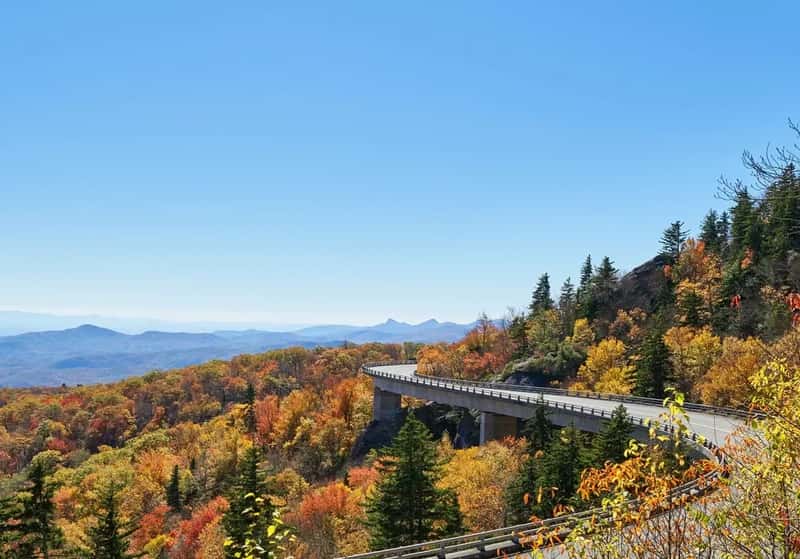
Blue Ridge Parkway might be the most compelling blend of scenic and dangerous, nicknamed “America’s Most Scenic Drive,” with plenty of wildlife and flowers to observe. Stretching through Virginia and North Carolina, it’s a favorite for leaf-peepers and nature lovers. The problem? It’s also home to approximately 200 motor vehicle accidents annually.
One big problem is that the road can introduce steep declines quickly, meaning drivers can find themselves accelerating without warning, and those spectacular sights can prove distracting. The National Park Service even has a motto for the road: “Enjoy the view. Watch the road.” The parkway saw over 349 crashes in 2019, ranging from minor to fatal. The narrow width and lack of shoulder space make it particularly treacherous, especially when drivers get distracted by the very scenery they came to see.
What’s wild is that people continue to flock to these roads despite knowing the risks. Maybe it’s the challenge, the views, or just the bragging rights. Whatever the reason, these scenic routes prove that sometimes the journey really can be more dangerous than the destination. Did any of these roads surprise you with their danger levels?