Low-lying tropical islands have long been viewed as especially exposed to the steady advance of ocean waters driven by climate change. Yet a recent study indicates that the presence of seabirds and native trees can help these landforms maintain their elevation and structure over time. The research, published in Science Advances, traces the flow of marine nutrients onto land and back into surrounding reefs, showing how this cycle supports the very foundations of the islands. ([1])
Nutrients That Travel From Sea to Land
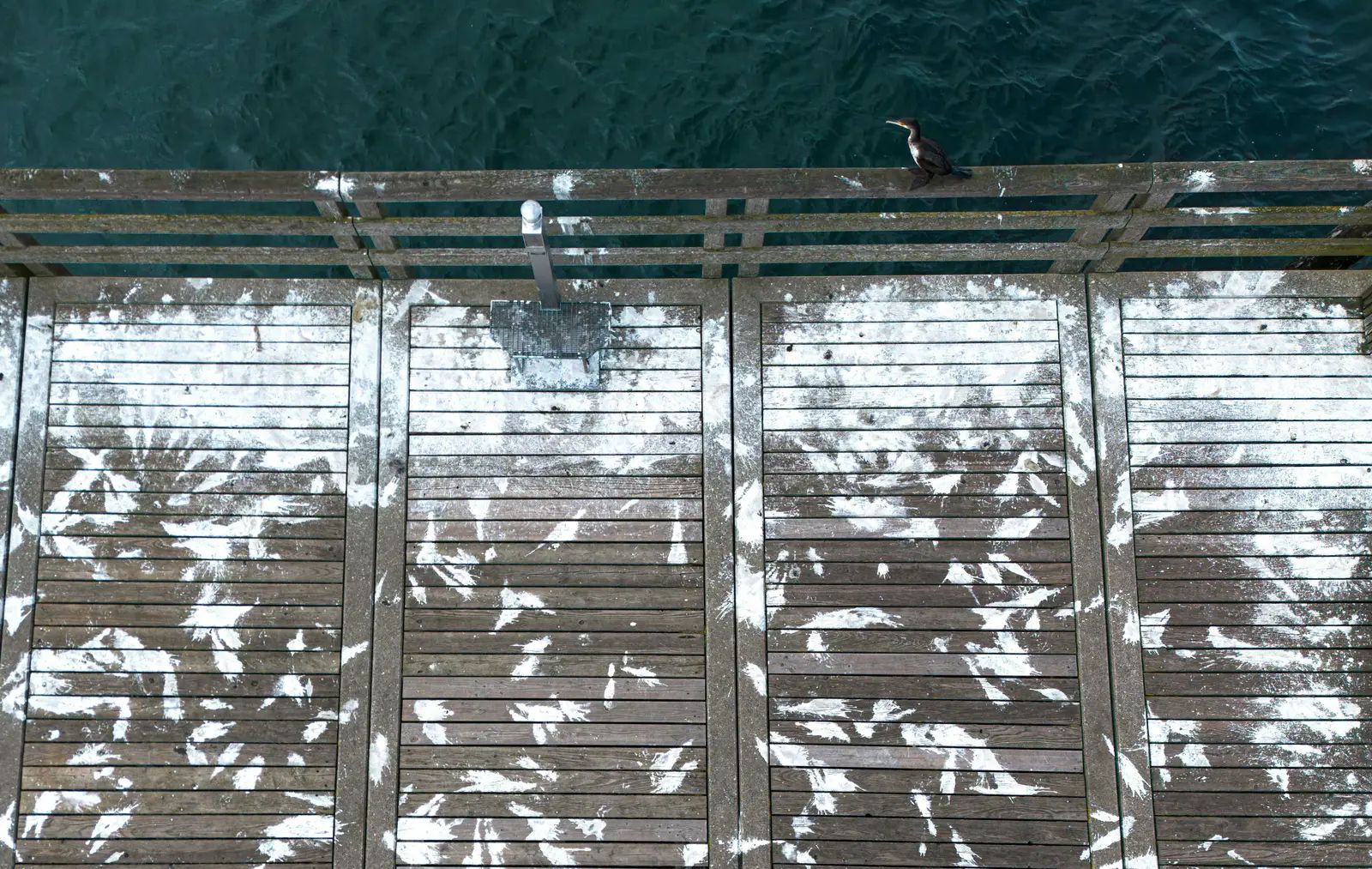
Seabirds feed in the open ocean and return to islands to roost and nest. In doing so they deposit guano rich in nitrogen and phosphorus, materials that would otherwise remain far offshore. These nutrients enter the soil and vegetation, then move through roots and leaf litter into the groundwater and eventually the nearshore waters. The process creates a feedback loop. Enhanced plant growth on the islands stabilizes sand and soil, while the added nutrients in the lagoon promote the growth of reef-building organisms. Over time the combined effects can help the island platform keep pace with gradual sea level increases rather than erode away.
Evidence From Tetiaroa Atoll
Researchers examined sites across Tetiaroa Atoll in French Polynesia, where some islands still support dense native forests and large seabird colonies. On these islands the nutrient transfer was measurably stronger than on nearby islets dominated by coconut palms or lacking birds. The difference appeared in both the terrestrial plant communities and the condition of the adjacent reefs. The pattern held even though all the islands sit at similar elevations and face the same regional sea level trends. The findings suggest that the biological activity itself, rather than physical height alone, contributes to long-term stability.
Restoring the Natural Cycle
Many atoll islands have lost seabird populations and native tree cover over the past century. Coconut plantations and human settlement often replaced the original vegetation, breaking the nutrient pathway. Restoring native forests and encouraging seabird return could restart the cycle, according to the study team. Nicholas Graham, the lead author and a professor at Lancaster University, noted the broader implication. “It’s really telling us something about the islands themselves,” he said. “Seabirds and native vegetation actually support the resilience of the islands themselves to sea level rise, which I think is fascinating and really quite positive.”
What Comes Next for Island Conservation
The study began nearly a decade ago and continues to examine how these natural processes interact with other pressures such as storms and human activity. While the results are encouraging for places that can be restored, they do not remove the need to limit global emissions that drive sea level rise. For communities on atolls, the research points to practical steps that combine biodiversity protection with physical resilience. Protecting or reintroducing seabirds and native trees offers one measurable way to strengthen the islands they depend on, even as larger climate challenges remain.