The aviation industry is facing its most severe operational crisis in decades, as federal officials announce unprecedented flight reductions at major U.S. airports. With air traffic controllers working without pay for over a month, the nation’s transportation infrastructure reaches a critical breaking point.
This historic shutdown has created a domino effect that threatens to disrupt millions of travelers while exposing vulnerabilities in America’s aviation system. The ripple effects are about to touch nearly every corner of commercial air travel.
Federal Officials Announce Nationwide Air Traffic Reduction
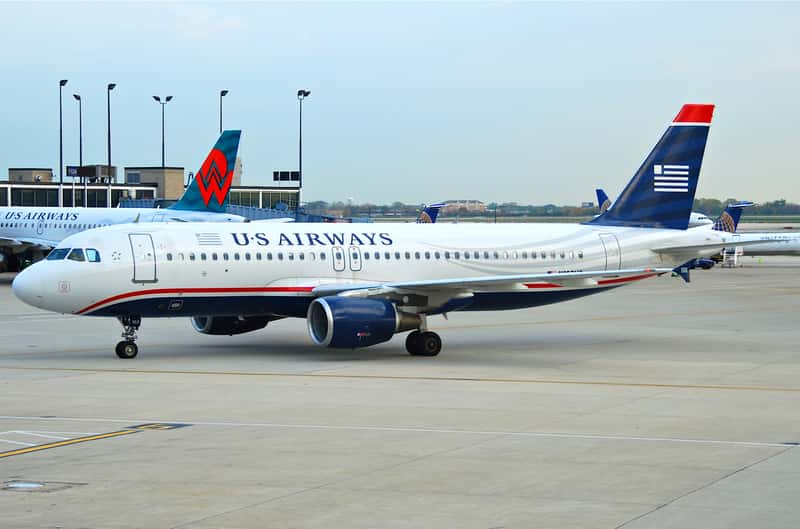
U.S. Transportation Secretary Sean Duffy and Federal Aviation Administration (FAA) Administrator Bryan Bedford announced Wednesday that air traffic across 40 major markets will be reduced by 10% starting Friday. The decision comes amid severe staffing shortages caused by the ongoing government shutdown, which has now stretched into its 36th day—the longest in U.S. history.
Officials said the measure is designed to ease pressure on overworked air traffic controllers and maintain flight safety standards.
Effort to Alleviate Pressure on Air Traffic Controllers

During a press conference, Bedford emphasized that the temporary reduction in flight capacity aims to “take the pressure off” controllers who continue to work without pay. He noted that fatigue among controllers has been increasing as the shutdown continues, with Thursday marking a full month since their last paycheck.
The Department of Transportation (DOT) and the FAA underscored that ensuring safety in U.S. airspace remains their highest priority despite the operational challenges.
Major U.S. Airports Expected to Be Affected
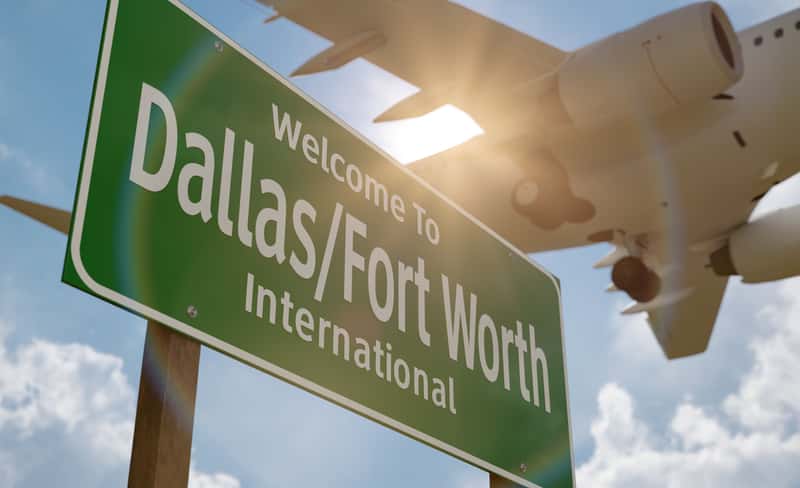
While the FAA has not yet released an official list, a preliminary proposal obtained by CBS News indicates that major hubs – including Boston Logan, New York LaGuardia, Los Angeles International, and Dallas/Fort Worth – are among the 40 markets likely to be affected. Bedford said a final list would be announced on Thursday and that the restrictions could also impact commercial airspace and even space launch operations.
Airlines and Industry Brace for Disruption
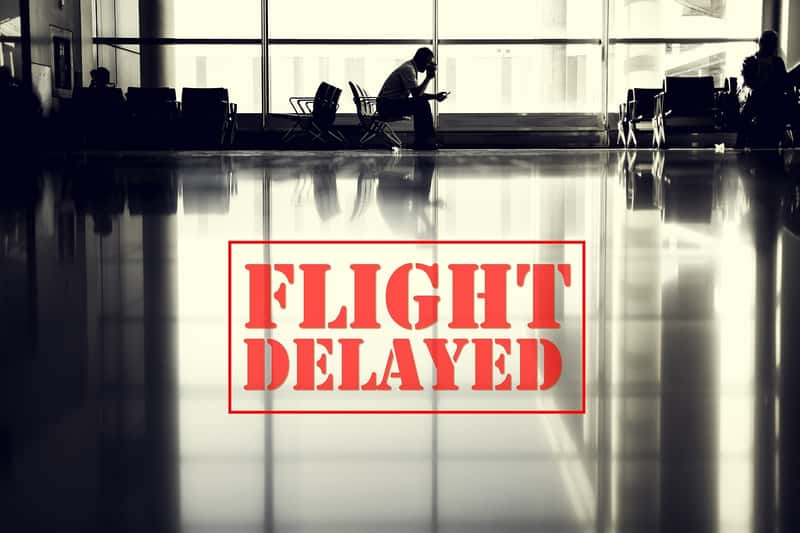
Airlines and aviation unions expressed growing frustration with Congress, urging lawmakers to resolve the shutdown immediately. The travel industry has already faced mounting strain, with more than 10,000 U.S. flights delayed over the past weekend and an additional 11,000 delays recorded this week, according to FlightAware.
The country was already short around 2,000 air traffic controllers before the shutdown, further compounding the current crisis.
Implementation Plan and Phased Flight Reductions

According to sources familiar with internal FAA and DOT discussions, airlines were informed late Wednesday that the reductions would be phased in gradually. Carriers are expected to trim their schedules by at least 4% on Friday, 5% on Saturday, and reach the full 10% reduction by next week.
The FAA has not yet issued a formal order detailing the procedure, leaving some uncertainty about how the measures will be implemented.
Confusion and Concern Among Airline Executives
Several airline representatives described widespread confusion over how the capacity cuts will be enforced and whether they will directly correspond to staffing levels at air traffic control centers. Industry leaders reportedly scrambled to develop contingency plans after the FAA’s unexpected announcement.
Sources said the decision to adopt a phased approach was made to prevent widespread travel disruptions and logistical challenges for airlines and passengers alike.
Airlines Respond and Await Further Guidance
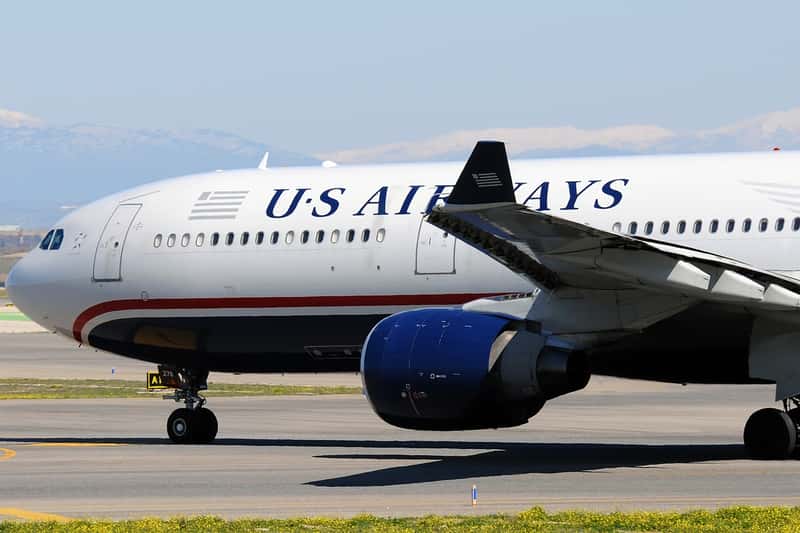
American Airlines released a statement Wednesday night confirming it would continue normal operations through Thursday but was awaiting additional details from the FAA regarding which flights might be affected beginning Friday. The airline said it expects “the vast majority of our customers’ travel will be unaffected.”
Meanwhile, federal agencies are holding ongoing consultations with airline executives to refine the implementation process and minimize disruption as the nation’s aviation system adapts to the unprecedented shutdown-induced reduction.