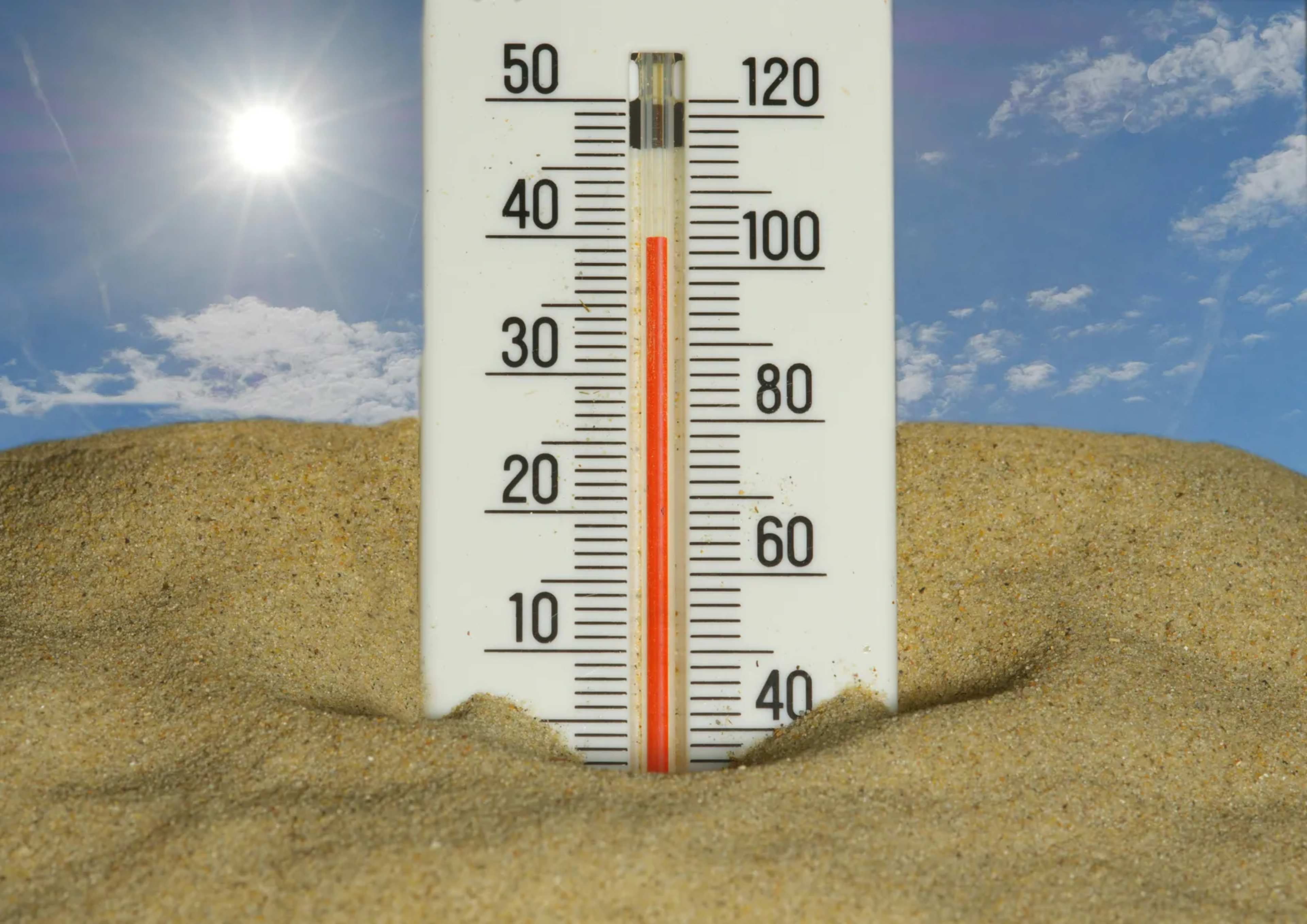
A study examining more than four decades of global weather data shows that extreme heat days are no longer limited to the traditional summer months. Instead, these dangerous conditions have spread into spring and fall across large parts of the world, disrupting the once-predictable cycle of seasons. The findings carry particular weight for travelers who have long viewed shoulder seasons as safer, cooler windows for trips. ([1])
Seasons Lose Their Familiar Rhythm
Researchers analyzed temperature records spanning more than 45 years and identified a clear expansion of the periods when the hottest conditions occur. What was once a concentrated summer phenomenon now stretches earlier into spring and later into fall in many regions. Both extreme dry heat and extreme humid heat have lengthened their seasonal windows over roughly half the globe.
The team focused on the hottest 5 percent of days worldwide, drawing on datasets from NASA and the European Centre for Medium-Range Weather Forecasts. Lead author Casey Ivanovich noted that extremes are already known to be more frequent, intense, and prolonged. The new analysis adds that these conditions are also arriving outside the months when people have come to expect them.
Health Risks Extend Into New Months
Prolonged exposure to extreme heat, whether dry or humid, places additional strain on the body’s ability to regulate temperature. When these conditions appear in spring or fall, populations may be less prepared, with fewer cooling resources in place and less public awareness of the danger. The study underscores that the health burden is no longer confined to peak summer.
Regional differences matter. In Phoenix, Arizona, for example, the wet-heat season has started earlier while the dry-heat season has extended later. Such shifts cannot yet be fully explained by existing research and highlight how local factors influence the timing of risk. Travelers heading to desert or humid destinations during transitional months now face conditions that once belonged strictly to midsummer.
What This Means for Planning Trips
Shoulder-season travel has long appealed to Americans seeking milder weather and lower crowds. The study’s findings suggest that assumption requires updating. Spring and fall trips to many popular U.S. and international destinations may now encounter heat levels previously associated with July or August.
Travelers can still reduce exposure by checking extended forecasts, choosing accommodations with reliable cooling, and scheduling outdoor activities for cooler parts of the day. The research does not eliminate shoulder seasons as viable options, but it does indicate that flexibility and awareness of changing seasonal patterns have become more important.
Remaining Questions and Next Steps
While the expansion of extreme heat seasons is documented across broad areas, the precise drivers behind regional variations remain under study. Not every location shows the same shift, and some areas may experience different combinations of dry and humid extremes. Continued monitoring will help clarify how these patterns evolve.
For now, the central message is straightforward: the calendar no longer reliably signals when dangerous heat will appear. Both residents and visitors benefit from treating spring and fall with the same caution once reserved for summer.