Leggings and joggers have moved well beyond the gym, and travel days show the change clearly. A recent style post argues that athletic pieces can carry a person through an entire day, from errands to a flight, if they are chosen with care. ([1])The author describes pairing joggers with an oversized hoodie for an airport trip, and the piece focuses on the details that keep that kind of outfit from looking careless.
Why Comfort Dressing Has Caught On
Sports leggings once signaled a fitness class or a run before work. That association has loosened. The same pair may now appear at a school pickup, a coffee stop, or a long list of errands, and few people look twice. The shift has changed what makes an athletic piece worth buying, since it needs to hold up across far more hours of the day.
The appeal is practical. Activewear tends to feel comfortable from the first hour and moves with the body, which makes it useful for a day that includes long periods of sitting, walking, and waiting. The approach works best when people choose pieces that match their actual routines instead of buying a full set of gym clothes and hoping it doubles as everyday wear.
Cut and Color Do Most of the Work
A look that appears intentional usually depends on a few decisions. Clean lines and a restrained palette make the biggest difference. Black, navy, camel, gray, and cream combine easily, and they help a sporty piece read as a deliberate choice rather than leftover training gear.
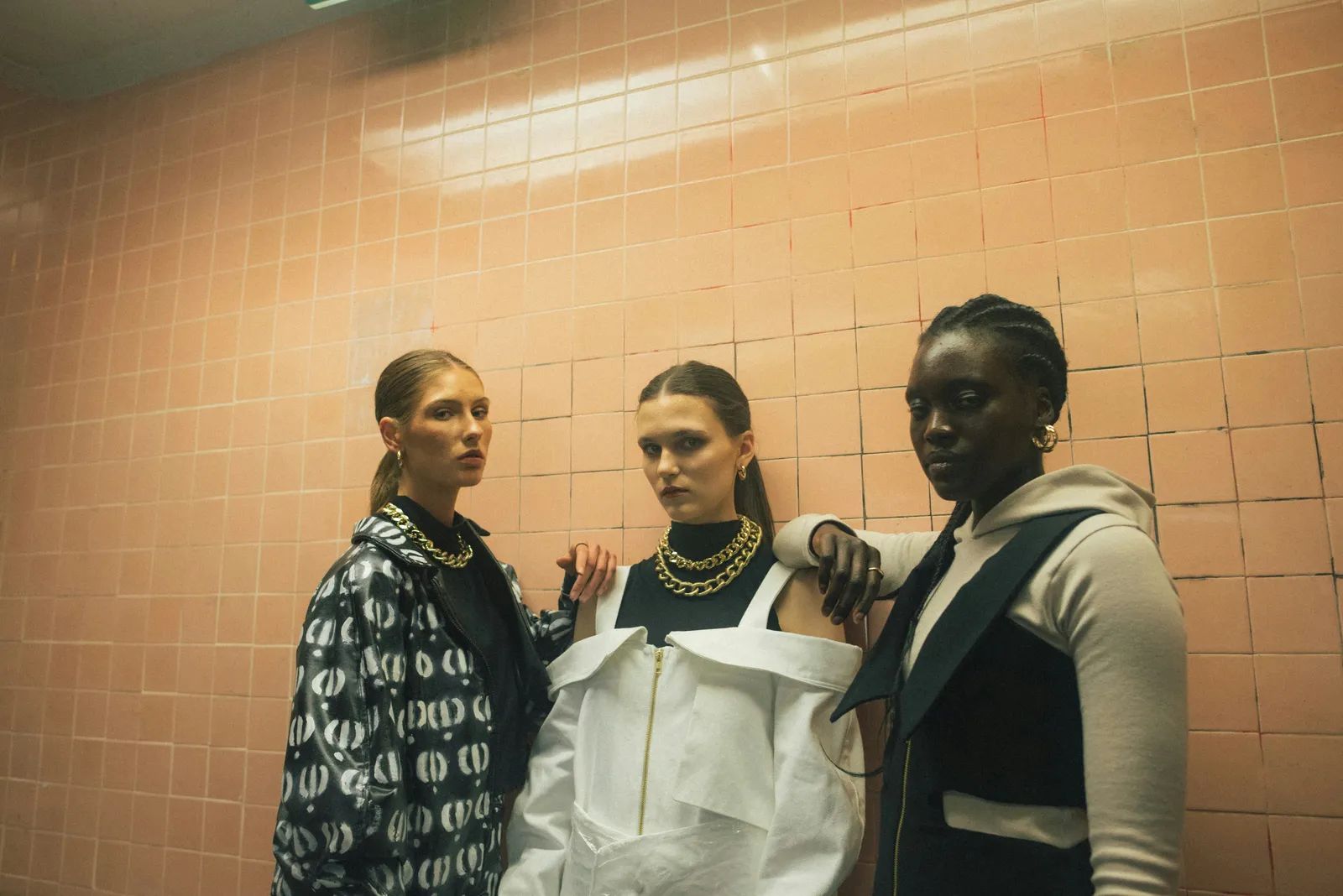
Fit matters just as much. A top that hangs loosely or leggings that have lost their shape can make an outfit look worn out faster than almost anything else. The source suggests judging a silhouette while standing still, not only in motion. A tracksuit with a slightly relaxed cut can look effortless, while the same set cut too large can seem careless. Small details add polish, and the post points to a few that work well:
- A zip neckline that adds structure to a simple top
- A smooth waistband without visible logos
- A tonal panel that breaks up a single color
- Minimal branding, which tends to sit more easily beside everyday clothes
Fabric and Stitching Show Over a Long Day
Quality becomes obvious once sporty pieces are worn for an entire day and then washed repeatedly. Cheap fabric can pill, thin at the knees, or lose stretch after a few washes. Well-made pieces hold their shape and stay comfortable longer, which matters when the same outfit must handle an early start and a late evening.
Fabric weight offers a useful clue. Heavier knits and tightly woven materials generally keep their structure, while very thin fabric can turn sheer or cling in the wrong places. Flat seams sit more comfortably against the skin, and neat hems suggest a piece built to last rather than discarded after one season. Shoppers can check the fabric’s feel, test the stretch, and look closely at how the seams are finished before buying.
Pairings That Make Activewear Look Deliberate
The simplest way to wear activewear beyond the gym is to layer it with everyday clothing. A technical jacket over a crisp white tee and straight-leg jeans reads as relaxed yet current. A fitted sporty top under a chunky knit adds warmth without bulk. A pair of clean joggers can also be worn with a tailored blazer for a more polished mix that still feels comfortable.
Footwear sets the tone. Clean sneakers keep the look sporty and casual, while loafers or simple boots push it in a more refined direction. Repeating a couple of colors across the outfit helps the whole look feel considered. Accessories finish the effect, and a structured bag, a watch with a plain strap, or sunglasses can turn functional clothing into something that looks chosen for the day.
What matters now
Fit and fabric determine whether activewear looks tidy or tired. Neutral colors, minimal logos, and a single polished layer such as a blazer or jacket help the look translate from gym to airport. Consistent palettes and clean footwear do more to make a casual outfit appear intentional than any single statement piece.
Related Stories From Travelbinger



Keeping Pieces Presentable Over Time
Activewear also responds to basic care. Washing pieces inside out in cool water, skipping fabric softener, and air drying rather than using high heat can help colors stay sharp and stretch hold up. The post notes that fabric softener can coat technical materials and reduce their performance.
Storage matters too. Garment-care professionals at Hallak Cleaners, in a storage guide published in January 2026, advised folding knits instead of hanging them, since hanging can stretch or distort the shape of heavier pieces. The post suggests keeping leggings and tees in a drawer rather than a crowded closet rail, where they are more likely to be pulled out of shape.
The author also recommends a small, flexible collection rather than a large one. Five or six pieces that work together in colors already worn tend to see more use than a closet full of items suited to only one occasion. When a piece loses its shape or fades, replacing it is a sign that it has been put to real use. For travelers, the appeal of comfort dressing is not really about a trend. It is about getting through a long day in clothes that feel good and still look deliberate.