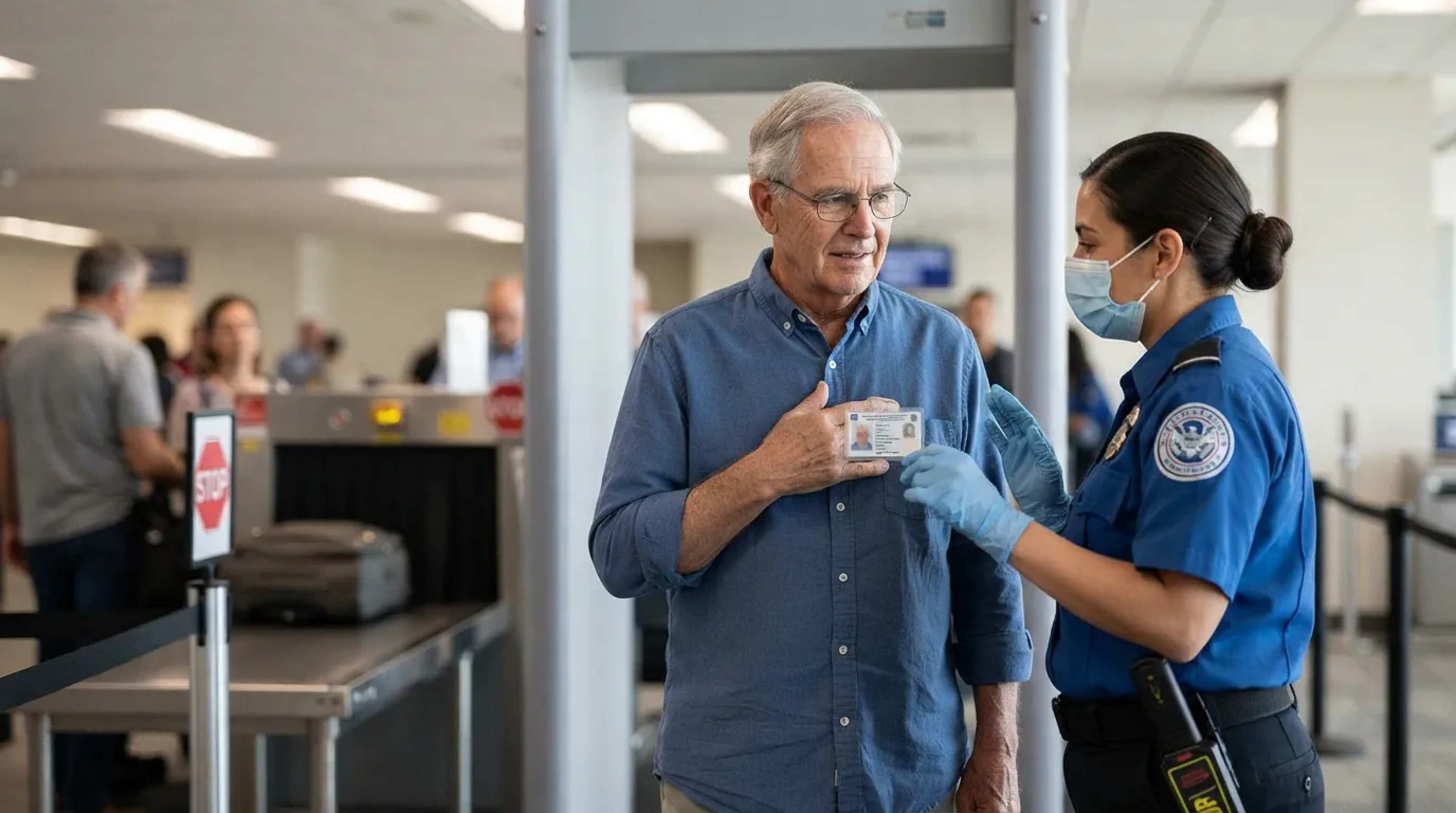
A carry-on gets judged three times before the plane pushes back: at the security belt, at the gate, and again in the overhead bin. The 25 ideas below are the ones that fail at one of those stops, from a confiscated jar of peanut butter to a surprise bag fee.
Most of them feel harmless, and a few feel downright smart. Stay to the end, because #1 involves a bag you’re carrying yourself and a rule that can switch on while you stand at the boarding door.
#25 – A Full-Size Shampoo Bottle in the Quart Bag
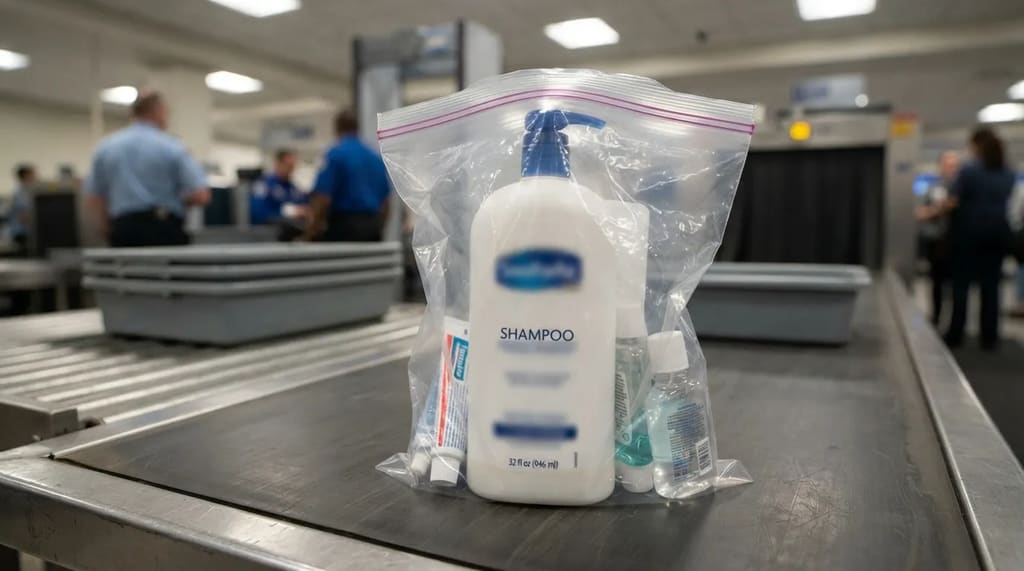
A bottle with one inch of shampoo left still counts as a full-size bottle. The rule is about the container, not what’s inside it.
Every liquid, gel, aerosol, cream and paste in a carry-on must follow the 3-1-1 rule: containers of 3.4 oz (100 ml) or less, all in one clear quart-sized bag, one bag per passenger.1 Mascara, toothpaste and gel deodorant count too.
Hand sanitizer follows the same 3.4-ounce limit. Anything bigger goes in the checked bag, and empty travel bottles filled at your own sink cost next to nothing.1
Fast Facts
- The 3-1-1 rule: 3.4 oz containers, 1 quart bag, 1 bag per passenger
- Size is judged by the container, not the amount left inside
- Mascara, toothpaste, gel deodorant and hand sanitizer all count
- Anything larger belongs in the checked bag
The rule also catches a lunch-box staple that doesn’t look like a liquid at all.
#24 – A Jar of Peanut Butter, Hummus or Salsa
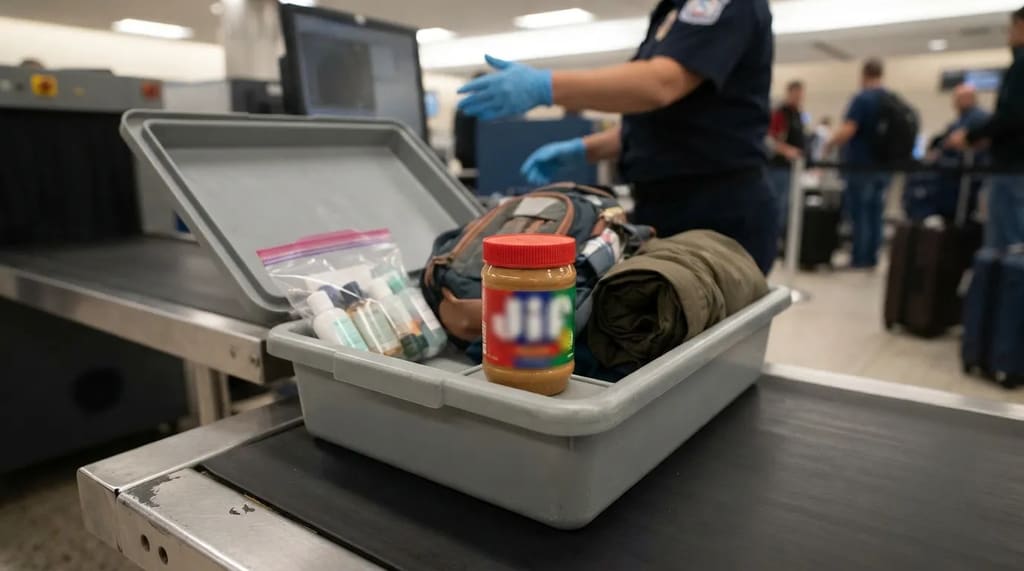
TSA screens anything spreadable, pourable, pumpable, squeezable or scoopable as a liquid. If you can spread it, pour it or scoop it, it counts as a liquid.
That sweeps in hummus, yogurt, soup, peanut butter, jam and salsa, which need 3.4 oz containers to clear security. A peanut butter sandwich is fine in a carry-on, but the jar goes in the checked bag.
My verdict: a jar of peanut butter isn’t worth a checked bag. Buy one when you land.
Cold packs for that picnic raise a different question, because an item can be allowed at home and rejected by the time you reach the belt.
#23 – Gel Packs That Melted Before Security
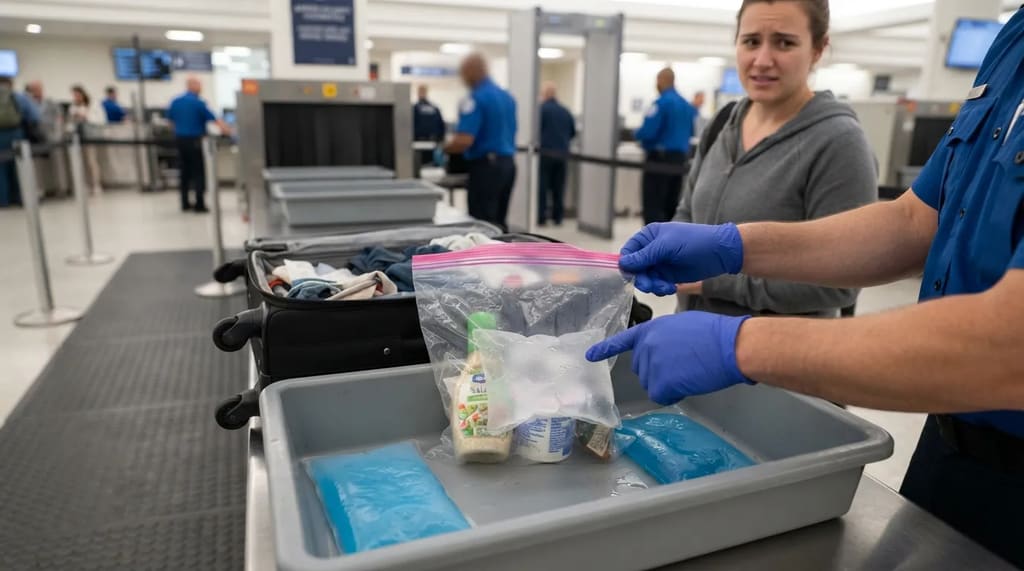
Freezer packs and bags of ice can stay in your carry-on only if they’re solid. Frozen solid at the checkpoint means it stays; slush means trouble.
A pack that sat in a warm car on the way to the airport is a gamble. Freeze it hard the night before, carry it in an insulated bag, and expect to lose it if it has softened.
The exception is medical. Ice and gel packs that keep medically necessary liquids cool are allowed in reasonable quantities.2
Medicine itself gets gentler treatment than a picnic pack, but only if you speak up before the bin goes through.
#22 – Liquid Medicine Hidden in the Quart Bag
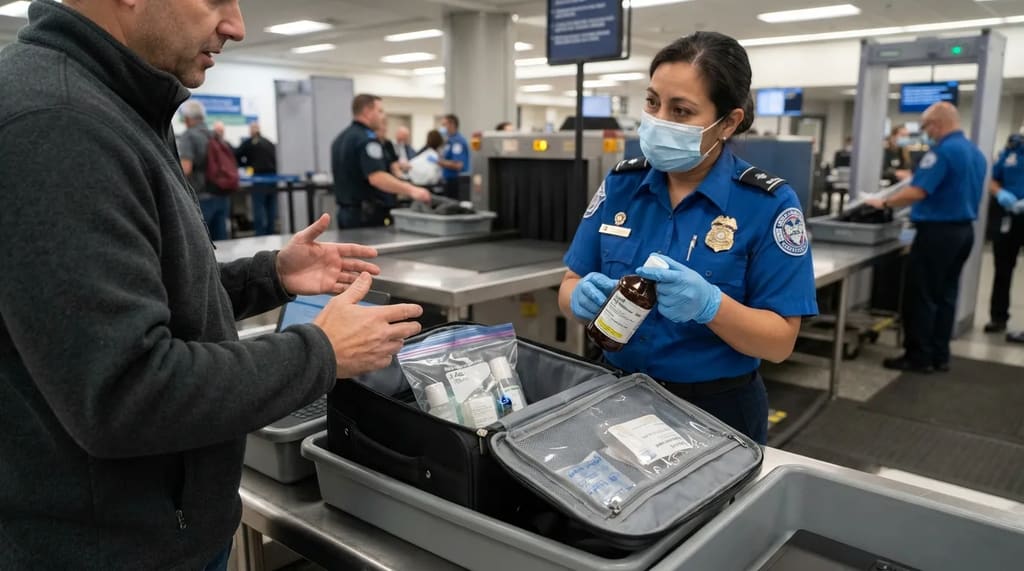
Medically necessary liquids, gels and aerosols are allowed in reasonable quantities. They don’t have to squeeze into the quart bag, and pills have no limit at all.
The catch is procedure. You must declare liquid medicine over 3.4 ounces to officers at the checkpoint.3 Tell the officer before the bottle goes into a bin.
A bottle that surprises an officer on the X-ray slows your line and your morning.
Liquor gets a harsher test than any shampoo, and the line is a percentage printed on the label.
#21 – Overproof Liquor Poured Into Tiny Bottles
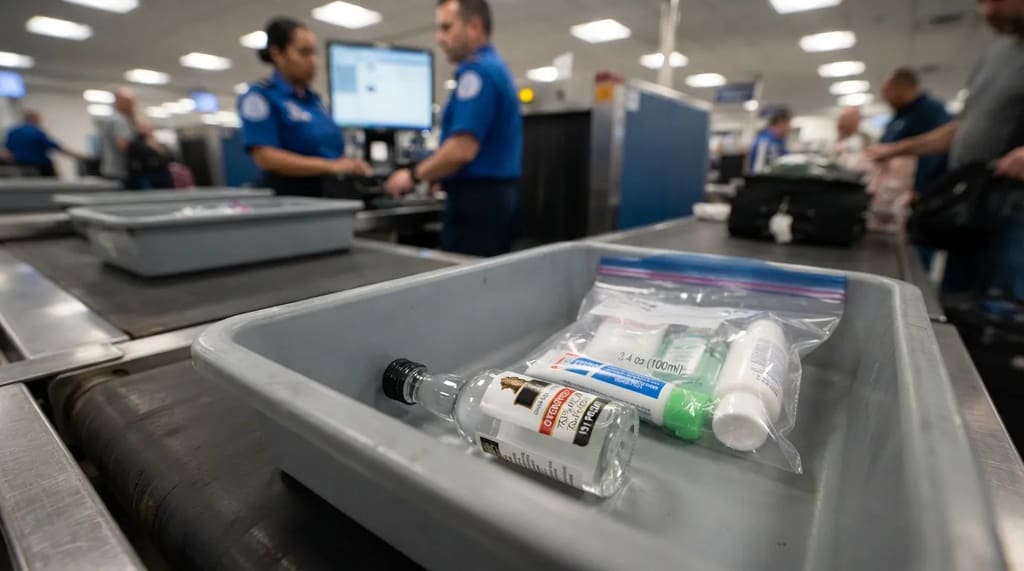
Shrinking the bottle doesn’t solve a strength problem. Any booze over 140 proof, which is 70 percent alcohol, is banned from carry-on bags.4
Anything over 140 proof is banned, however small the bottle. Ordinary liquor sits far below that line, but it still has to meet the 3.4-ounce limit and ride in the quart bag.
Sealed duty-free purchases are handled differently, so ask at the register how to carry them on a connection.
#20 – Hand Tools Longer Than Seven Inches
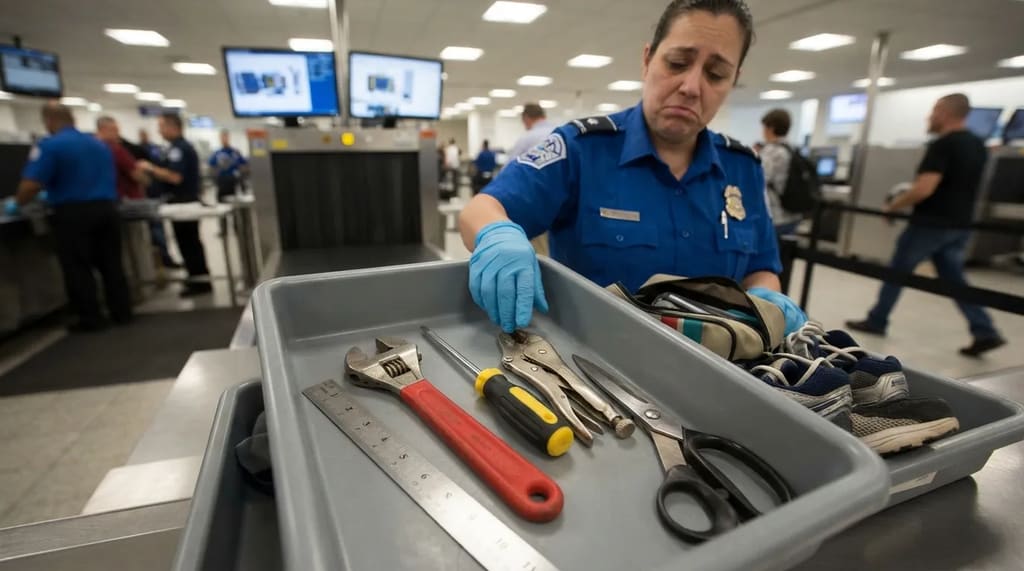
A toolbox habit can follow you to the airport when you’re heading to a child’s new house with a repair list. Screwdrivers, wrenches and pliers are allowed in a carry-on only if they’re seven inches or less, measured end to end.
Seven inches, end to end, is the cap for hand tools. Put a tape measure on the tool before you decide.
Scissors follow a size rule too: the blades must be shorter than 4 inches. Anything longer travels in the checked bag, wrapped so it can’t poke through the lining.
Quick Compare
- Screwdrivers, wrenches, pliers: 7 inches or less, carry-on is fine
- Scissors: blades shorter than 4 inches, carry-on is fine
- Anything longer: checked bag, wrapped well
Then there’s the blade that has lived in a coat pocket for years and is easy to forget until the X-ray finds it.
#19 – A Pocketknife That Lives in Your Coat
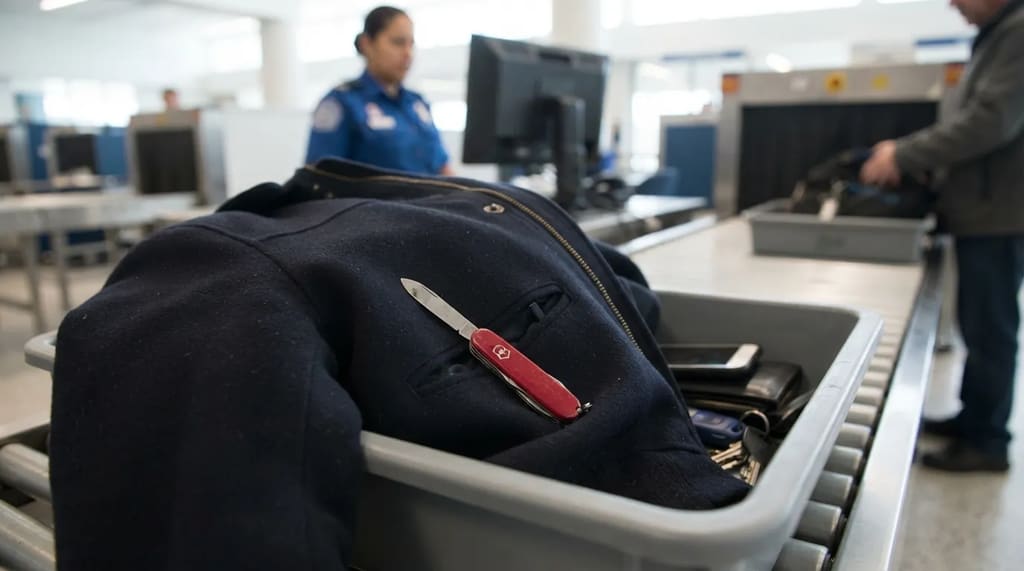
Pocketknives are prohibited in carry-on bags. Sharp objects go in checked luggage.
The odd part is where the line falls. A corkscrew passes the belt; a Swiss Army knife doesn’t.
A cane or umbrella with a concealed blade is still a blade, so it follows the same rule.
The fix is a habit: check coat pockets, handbags and that small zipper compartment the night before you leave. If a blade turns up at the checkpoint, you can surrender it or step out of line to check it.
Sports gear gets judged by a different logic, and that logic would catch a cast iron skillet too.
#18 – A Baseball Bat or Cast Iron Skillet
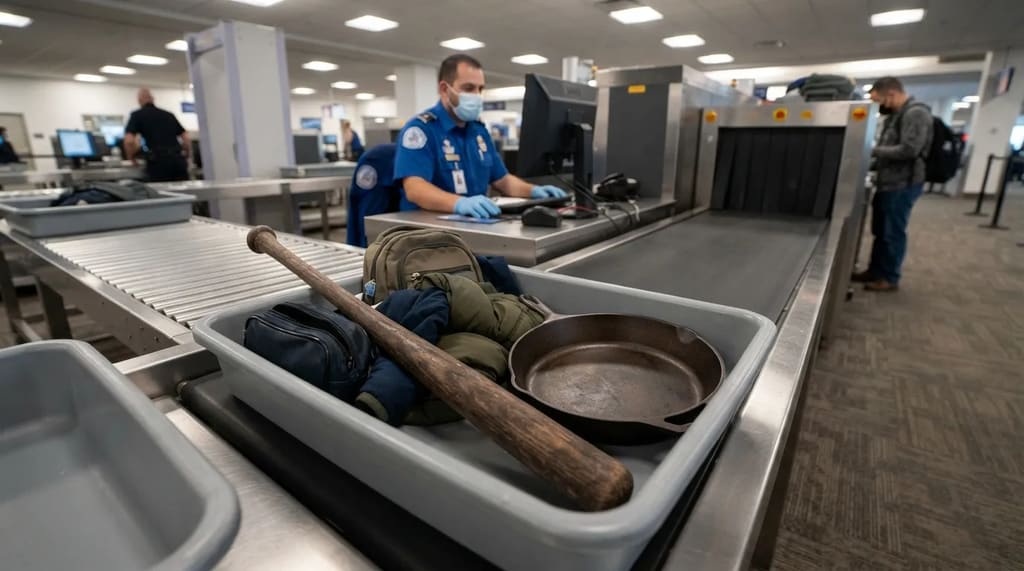
The test for bulky gear is whether it could be swung like a club. Baseball bats and bowling pins count as bludgeons, and pool cues, hockey sticks and paddles are also off limits.
Cast iron cookware isn’t allowed in carry-ons because of its weight and potential use as a bludgeon. If it could be swung like a club, it goes in checked luggage.
That matters when you’re moving a pan to a daughter’s kitchen or taking a grandson’s bat to a tournament. Pack it in the checked bag or ship it ahead.
A grandchild’s toy falls under similar logic, and the foam versions can get the same answer as the real ones.
#17 – A Grandchild’s Toy Gun or Foam Sword
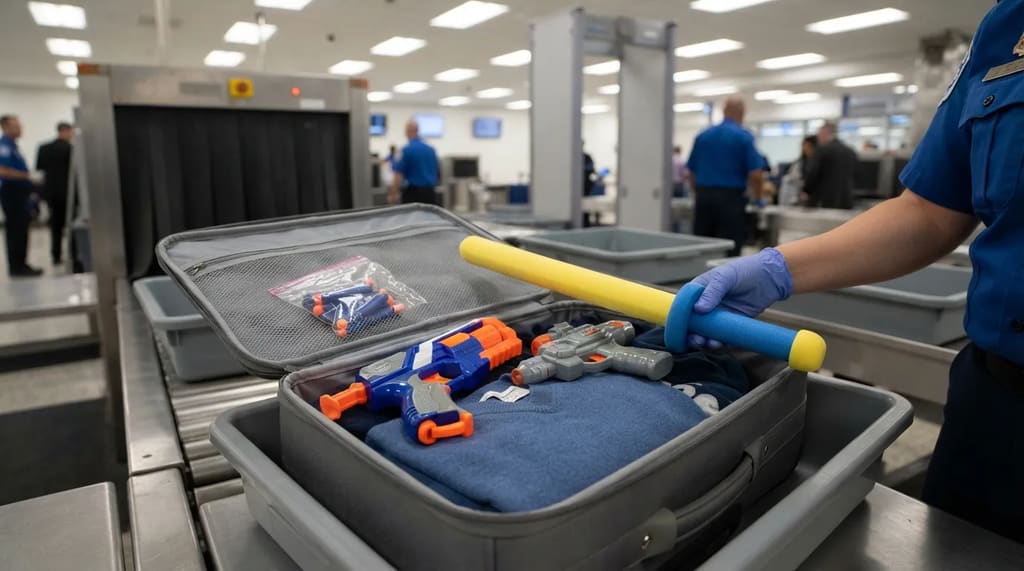
The toy is soft, bright orange and obviously fake, and it can still get stopped. Any replica firearm is prohibited in carry-on baggage and must travel in checked luggage.
That covers a costume piece, a movie prop and a child’s toy. Even Nerf guns and foam swords are safest in the checked bag.
If you’re carrying holiday gifts for the grandkids, think through the toy list before you pack the carry-on.
#16 – Leftover Fireworks, Lighter Fluid and Spray Paint
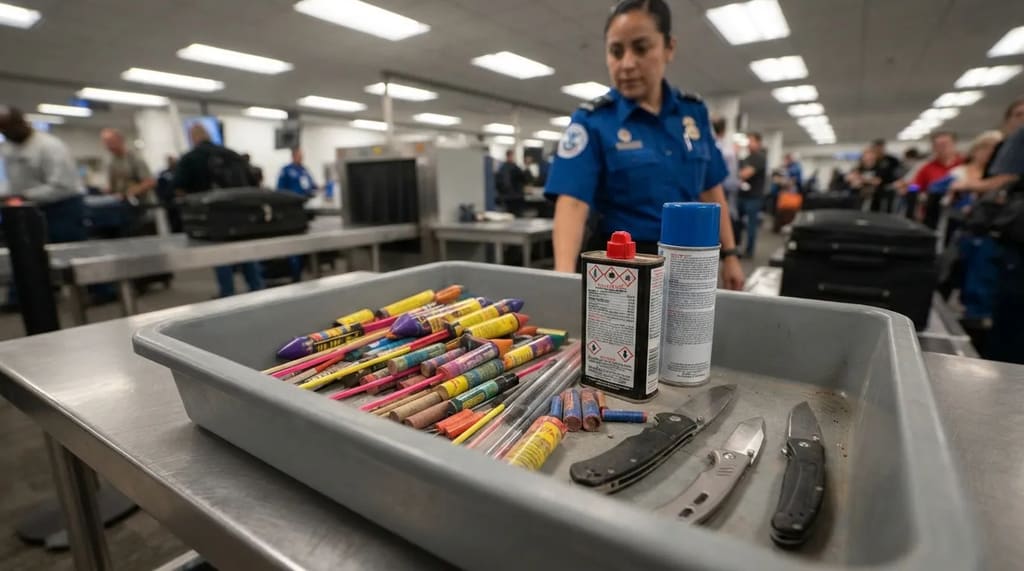
At Los Angeles International, an officer spotted multiple prohibited items on the X-ray in one woman’s carry-on, including 82 fireworks and three knives. The local TSA director’s advice was to “unpack your bag before you pack it.”
Fireworks are never allowed on board an aircraft, in carry-on or checked luggage. Flammable liquids like lighter fluid, paint thinner and spray paint are a no for both bags too.
Fireworks and flammable liquids are banned from carry-on and checked bags alike. If you can’t pack it anywhere, it stays home.
Now to the bag itself, because the free one under the seat has a size limit that changes from airline to airline.
#15 – A Personal Item That Won’t Slide Under the Seat
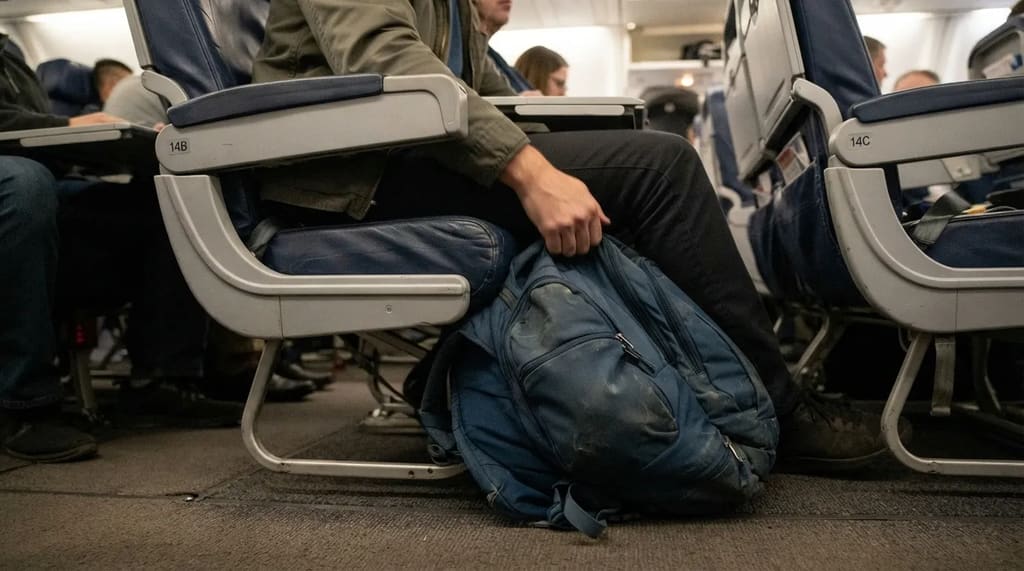
Your personal item must fit under the seat in front of you. An overstuffed backpack that can’t slide under is treated as a carry-on, which on a Basic Economy fare can mean a fee.
The published limits differ, so a bag sized for one airline can fail on another. United’s personal item limit is 17 x 10 x 9 inches, so measure against United’s tight limit and your bag should clear most of the others.
Pack it soft and slim, since a full backpack bulges past its stated dimensions.
The fare you buy decides whether you get a second bag at all, and the cheapest ticket isn’t the same product on every airline.
#14 – Assuming Basic Economy Includes a Carry-On
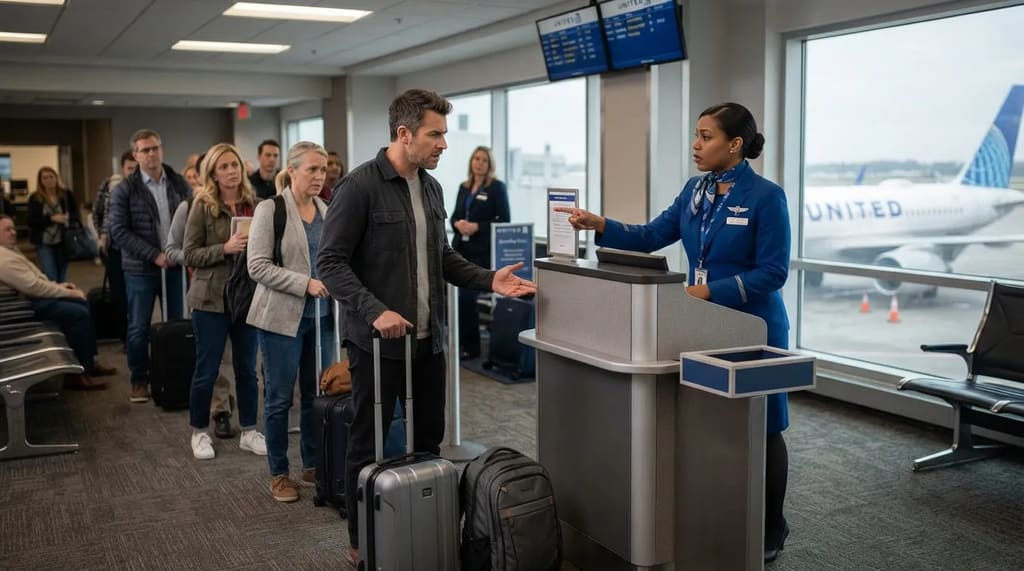
American and Delta include a carry-on and a personal item on Basic Economy. United Basic Economy generally includes only a personal item, with route and eligible-benefit exceptions.
United Basic Economy generally means a personal item only. Policies change, so confirm the rule for your own fare before you pay.
At a Glance
- American Basic Economy: carry-on plus personal item
- Delta Basic Economy: carry-on plus personal item
- United Basic Economy: generally a personal item only
- Frontier: prepaying a bag usually costs less than paying at the airport
A roller bag caught at the gate costs more than one added at booking. Compare the final total, bag included, before you click.
My verdict: if the trip needs a roller bag, the cheapest United fare stops being the bargain.
Budget airlines draw the line even tighter, and the base fare covers a lot less than a roller bag.
#13 – A “Free” Overhead Bag on a Budget Airline
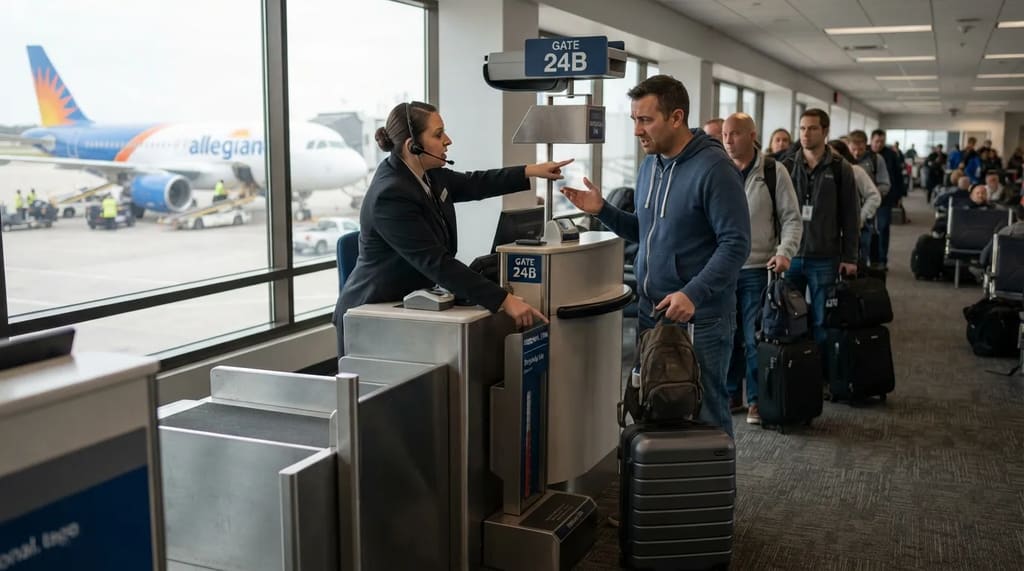
Budget carriers like Frontier and Allegiant give you a personal item on the base fare and charge separately for an overhead-bin bag. To them, the bin is a product.
Allegiant, for instance, permits a free 18 x 14 x 8 inch personal item and a paid 22 x 16 x 10 inch carry-on. Pay for the bag during booking, not at the airport.
If you travel with a spouse, add the bag fees for both of you before judging the fare. The gap between the budget price and a standard fare can shrink fast.
A paid bag still has limits, and on some airlines the limit is a number on a scale.
#12 – A Carry-On Packed Past the Weight Cap
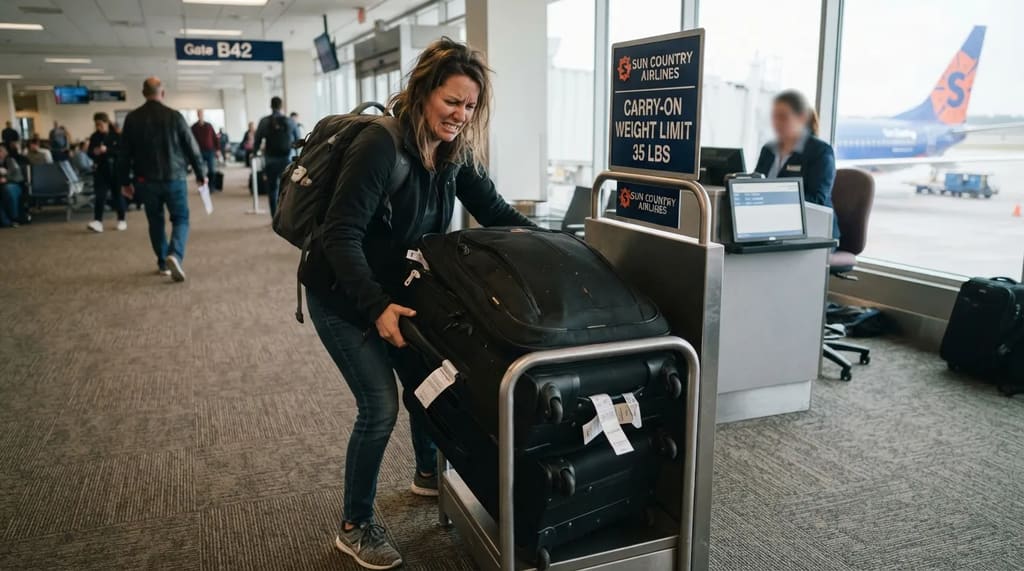
Sun Country caps carry-ons at 35 pounds. Frontier’s carry-on limit is also 35 pounds.
The big carriers are looser, and American lists no carry-on weight limit. Check the weight rule for your own airline, since some cap carry-ons at 35 pounds.
A rolling bag with shoes, a coat and a toiletry kit can pass 35 pounds without feeling heavy. If you fly abroad, assume the carrier sets its own limit and read it.
Even a bag under the weight cap still has to survive a metal frame at the gate.
#11 – A Hard Shell Case That Barely Fits the Sizer
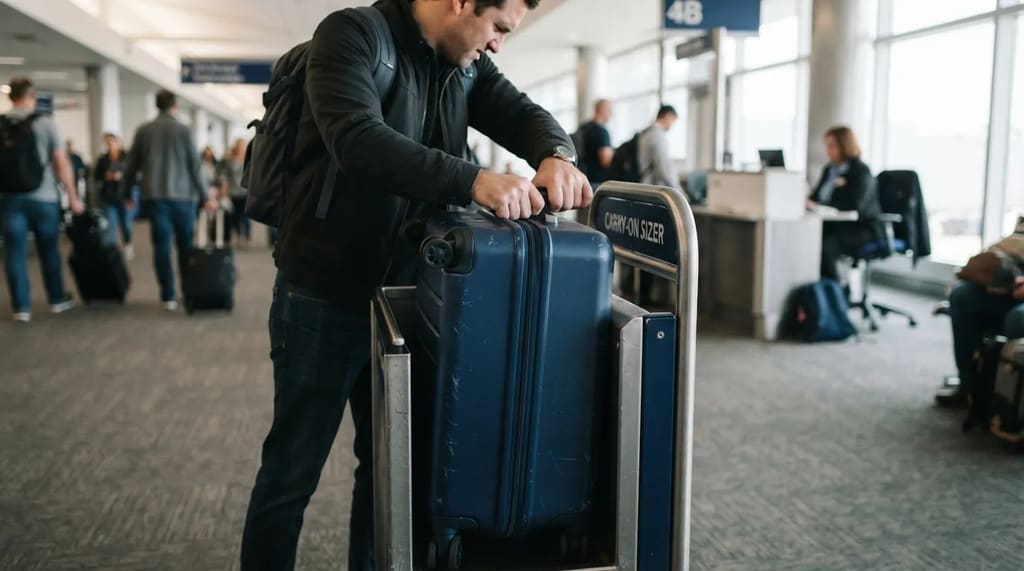
American’s carry-on limit is 22 x 14 x 9 inches, and its guidance counts wheels and handles in the measurement. Southwest allows a slightly larger 24 x 16 x 10 inches.5
Measure with the wheels and handle, not just the shell. A tape measure at home tells you more than the tag on the suitcase, which may list the body only.
My verdict: a soft-sided bag an inch under the limit beats a rigid case sitting exactly on it. Soft sides give a little, and a hard shell can’t.
A bag that passes the sizer can still get tagged at the door if the bin fills before you reach it.
#10 – Boarding Last With a Bag That Must Go Overhead
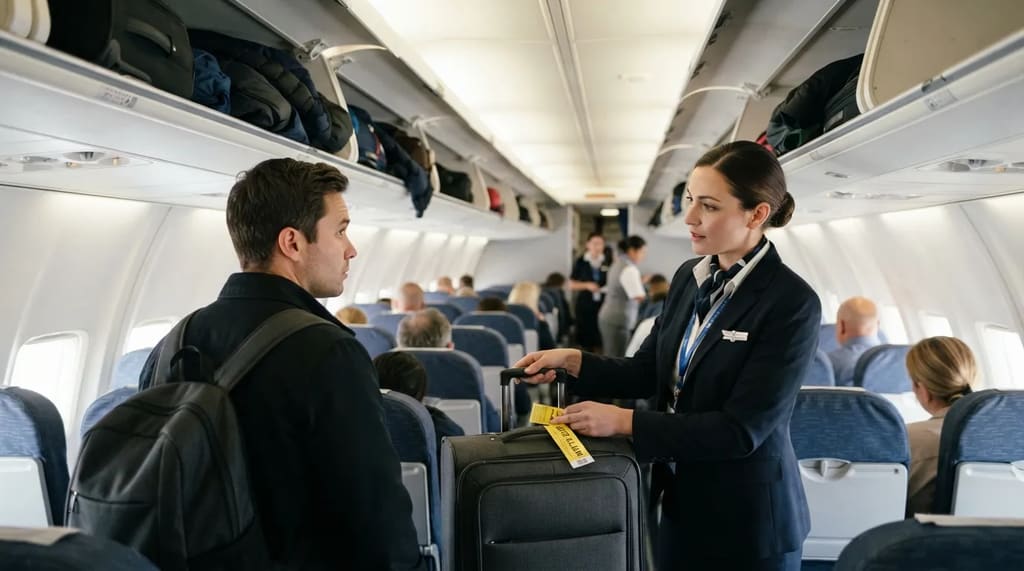
Overhead space is finite, and it fills in boarding order. If you walk on late with a full-size roller, the bins near your seat may already be packed.
That’s when the gate crew tags the bag and it goes to the hold, whatever its owner had planned. Board with your group so the bin space is still there.
If you need extra time to board, ask the agent about pre-boarding before boarding starts. Don’t wait for the line to form.
What sits inside a bag that may get tagged matters even more than the bag.
#9 – Medications and Glasses in the Bag That Might Be Tagged
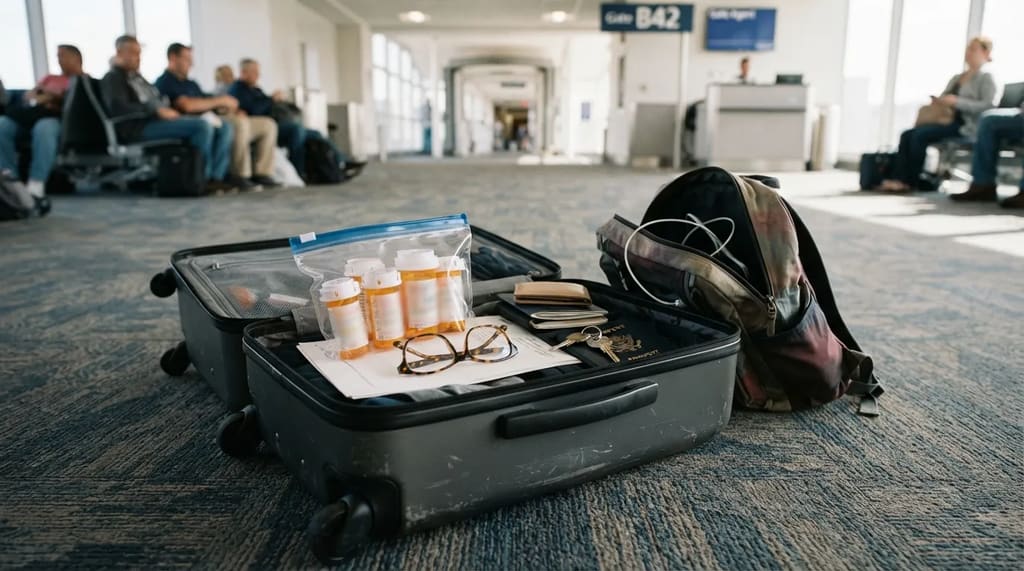
A tagged bag rides in the cargo hold, and it isn’t beside you when the plane lands. If your reading glasses and heart medicine are inside, you’re without both until baggage claim.
Keep medicine, glasses and documents in the bag that stays under your seat. Add your phone charger, house keys and any paperwork you can’t replace on a layover.
If the tagged bag turns up late, you’ll still have what you need for the first day.
Pre-screening status speeds up the line, but one belief about it will cost you a bottle.
#8 – Trusting PreCheck to Excuse Your Liquids
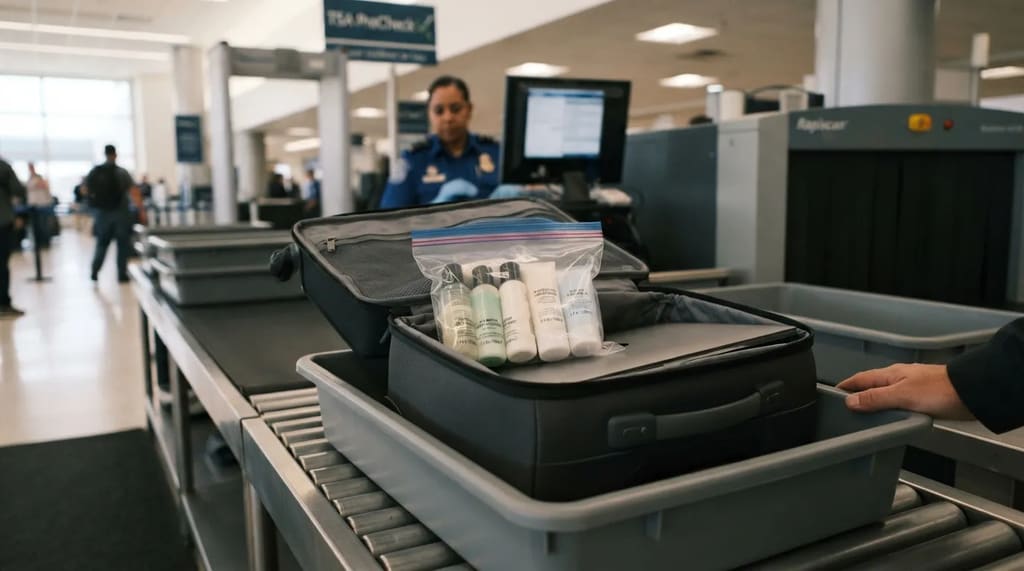
PreCheck changes how the quart bag is handled, not what’s allowed in it. You can usually leave the bag in your carry-on, but every container still has to be 3.4 ounces or less.
That means the shampoo from #25 and the jar from #24 get stopped in the PreCheck lane too. PreCheck changes the handling, not the limit.
Without PreCheck, you also pull laptops and large electronics out of the bag. The program saves you steps, never packing rules.
A different kind of problem starts with batteries and gas cartridges, where the checked bag is the dangerous place.
#7 – Vapes and Cordless Hair Tools in the Checked Bag
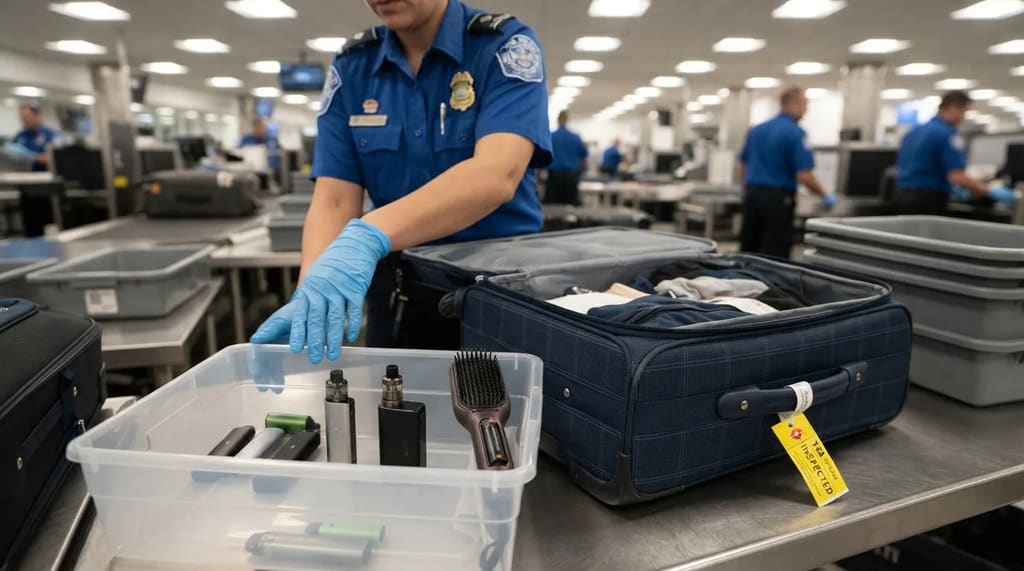
TSA and the FAA prohibit vapes and e-cigarettes in checked luggage, so they must travel in the carry-on.6 Vapes belong in the carry-on, never the checked bag.
The same reasoning reaches some cordless hair tools. TSA bans some of them in checked luggage, but they’re allowed in the carry-on if they have safety covers to prevent activation.
Hair tools with cords are fine in either bag. The logic is cabin access: a fire in the passenger compartment can be reached, and a fire in the hold is far harder to get at.
Worth Knowing
- Vapes and e-cigarettes: carry-on only
- Some cordless hair tools: carry-on only, with safety covers on
- Corded hair tools: fine in either bag
- The reason: crew can reach a cabin fire, but not one in the hold
The strictest rule on this list involves police, not a trash can.
#6 – A Firearm or Ammunition in the Carry-On
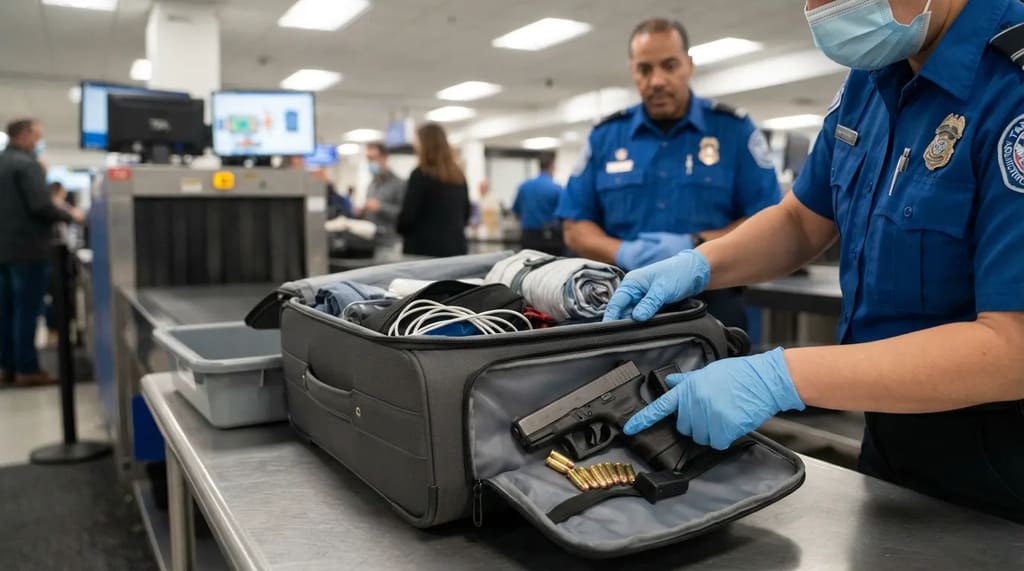
Many travelers still bring ammunition in their carry-ons. Ammunition and firearms are both banned from the cabin, and a concealed-carry permit doesn’t change that.
Firearms travel only in checked bags, unloaded, in a locked hard-sided case. You must also declare the firearm to the airline at check-in.
Related Stories From Travelbinger
An officer who finds a gun in a carry-on can call police, and in the LAX case an officer notified police, who interviewed the passenger. Ask your airline how it wants ammunition packed before you travel.
Now for the one that hides in plain sight in nearly every bag: a number on the back of a power bank.
#5 – A Power Bank Over 100 Watt-Hours
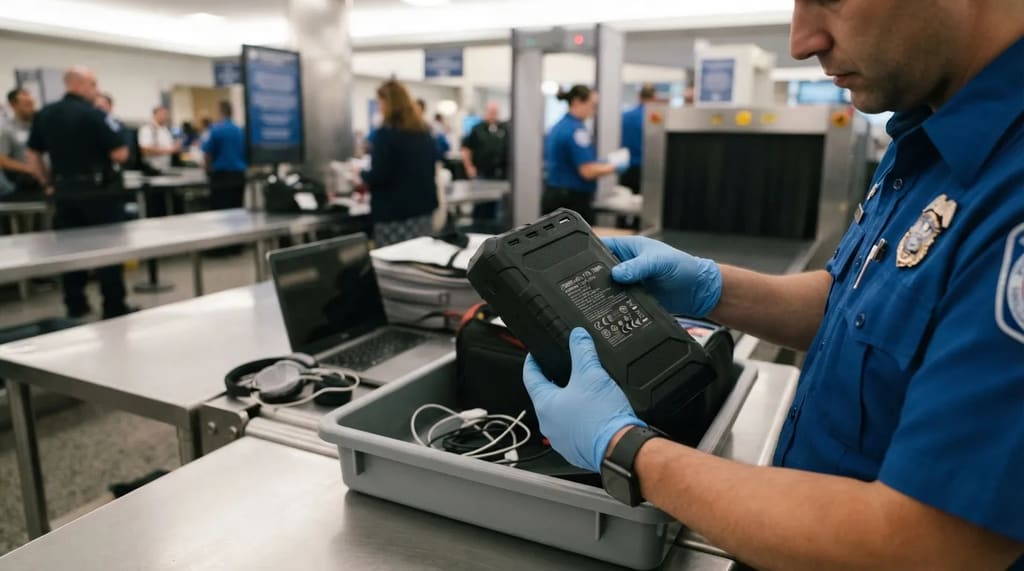
The big number on the box isn’t the number the rule uses. Power bank size is limited by watt-hours, not by the milliamp-hours printed in large type.
Batteries up to 100 Wh are allowed without restriction, those between 101 and 160 Wh need airline approval, and anything above 160 Wh is forbidden on passenger aircraft. 100 Wh or less needs no approval; 101 to 160 Wh needs the airline’s.7
If the label shows only mAh, multiply by 3.7 volts and divide by 1,000 for a rough Wh figure. A bank near the limit deserves a second look at the label.
Even a legal battery has rules once the plane is in the air.
#4 – Charging Your Power Bank From the Seat
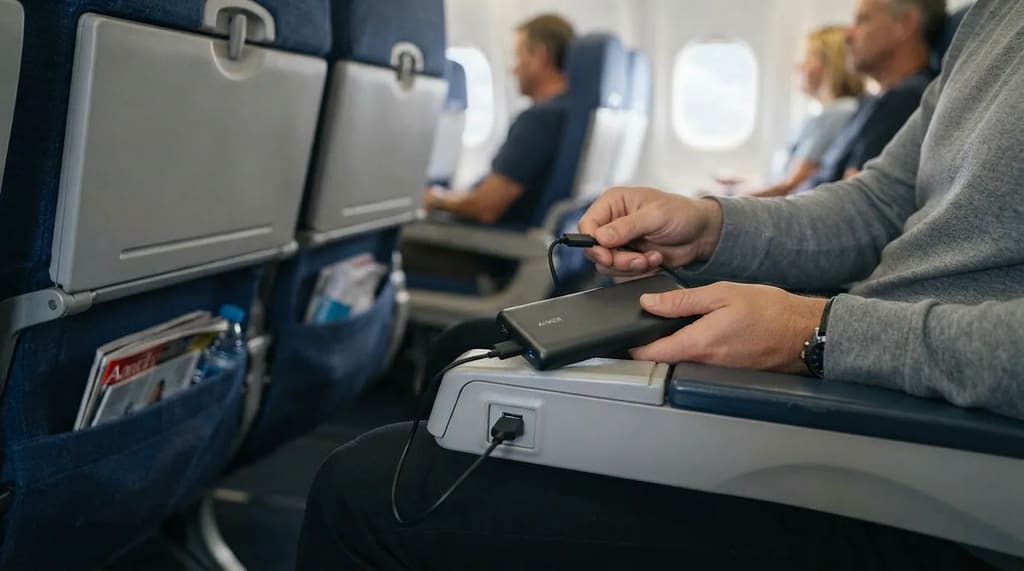
A power bank that’s legal at security can still break an airline’s in-flight rules. Airlines may set stricter limits on how many power banks you carry.
Aviation guidance that took effect on March 27, 2026 caps travelers at two power banks per person, carry-on only, with no recharging on board. For U.S. domestic flights under FAA rules alone, there’s no set number for banks under 100 Wh.
Check your airline’s own page for the count and for in-flight use. Rules differ by carrier and by route, and a foreign carrier may follow the global limit.
A legal bank can still cause trouble in a bag if its metal contacts meet a loose key.
#3 – Loose Spare Batteries Rattling With Keys and Coins
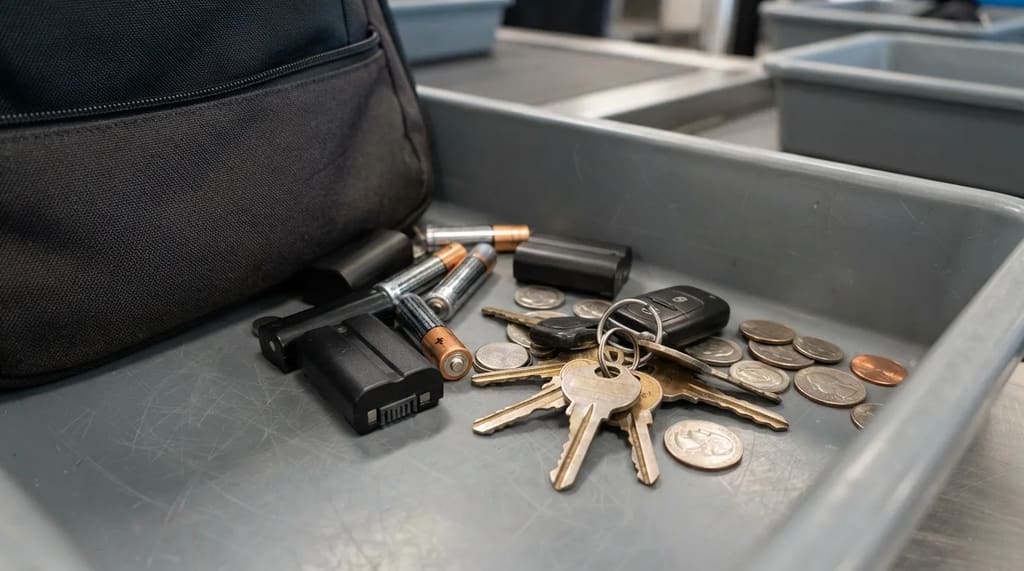
A spare battery with bare terminals is a short circuit waiting for a coin. Spares must be individually protected against short circuits.7
Put each spare in its own case, or cover its terminals with tape. Keep them in a separate pouch from keys, coins and jewelry, not in a bag’s bottom pocket.
Small camera and hearing-aid batteries are the easiest to lose track of, so they deserve the same care.
Where the spares ride matters even more than how they’re wrapped, and one tempting shortcut gets it wrong.
#2 – A Power Bank Zipped Into the Checked Bag
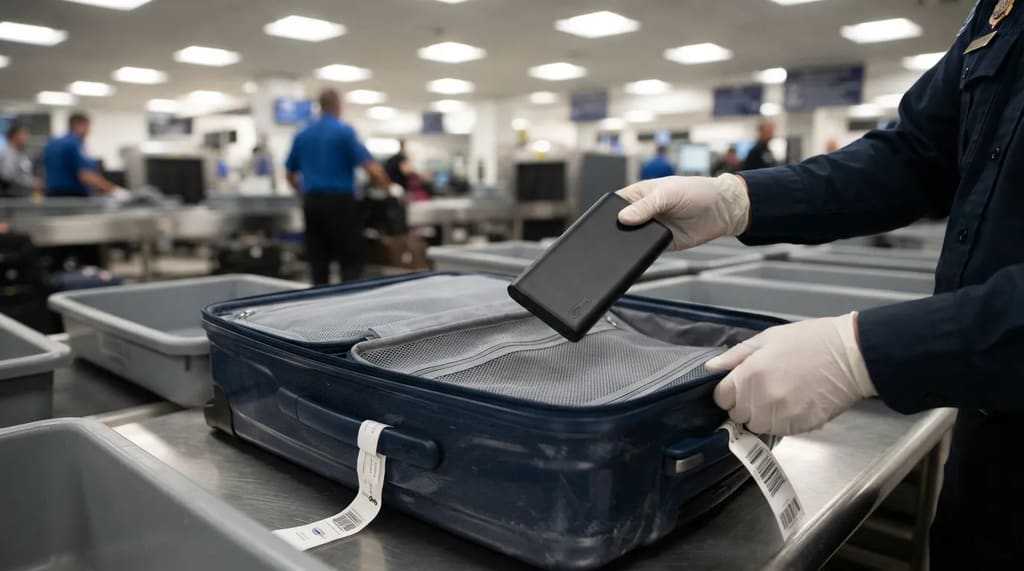
The FAA’s wording is plain: spare lithium-ion batteries, including power banks and cell phone battery charging cases, must be carried in carry-on baggage only. TSA lists power banks as allowed in carry-on and not allowed in checked bags.7 8
The reason is where a fire can happen. In checked luggage, a fire could go undetected until it spreads.
In the cabin, crew can see and respond. That’s why tucking one into a big suitcase to save space is the wrong trade.
But the ban follows you even when you never meant to check anything at all.
#1 – A Carry-On That Gets Tagged at the Gate With Batteries Inside
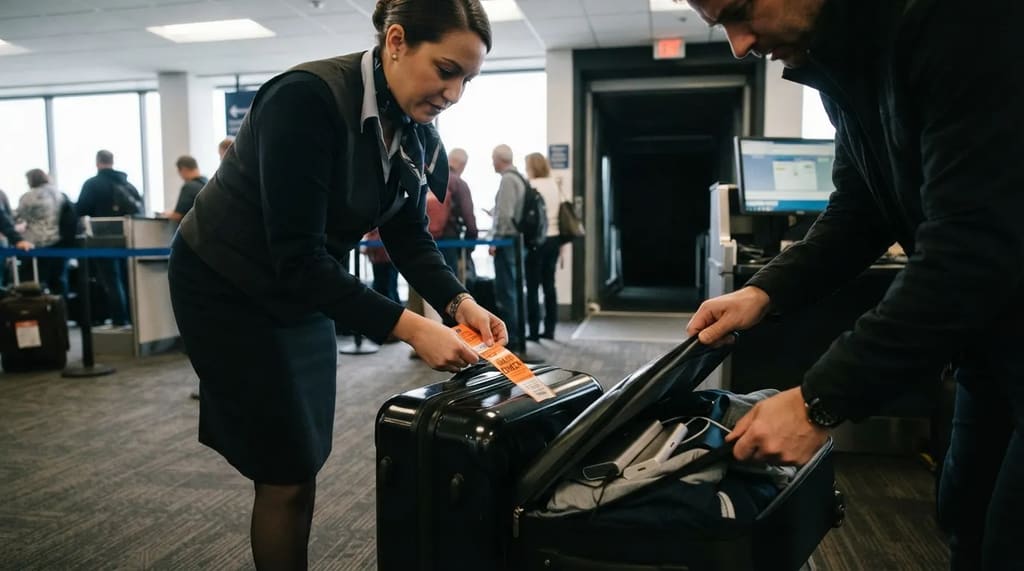
The costliest carry-on mistake is made on a bag you never planned to check. When the bins fill, an agent tags your roller, and from that moment it’s checked luggage under the rules from #2.
Everything battery-powered inside it is suddenly in the wrong place, and you’re standing at the boarding door with seconds to fix it. Before you hand the bag over, pull out every power bank, spare battery and vape.8
Keep them with you in the cabin. Smart luggage with a battery that can’t be removed is a bigger problem, since it generally can’t be checked at all.
So the best carry-on idea of all is a boring one: pack as if every bag might be tagged. The bag you never meant to check is the one most likely to take your batteries with it.
#26 – The Bonus Tip Nobody Shares
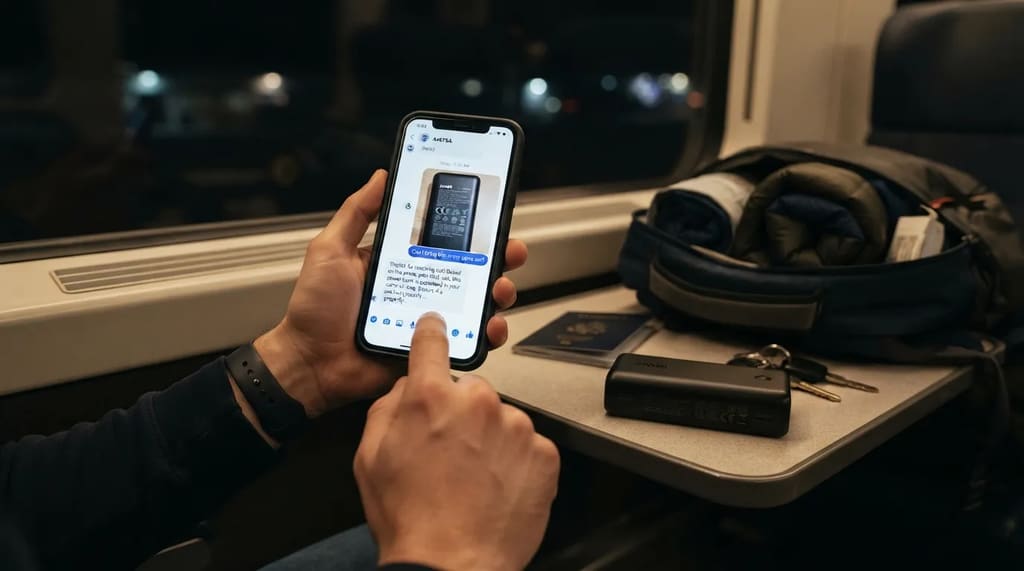
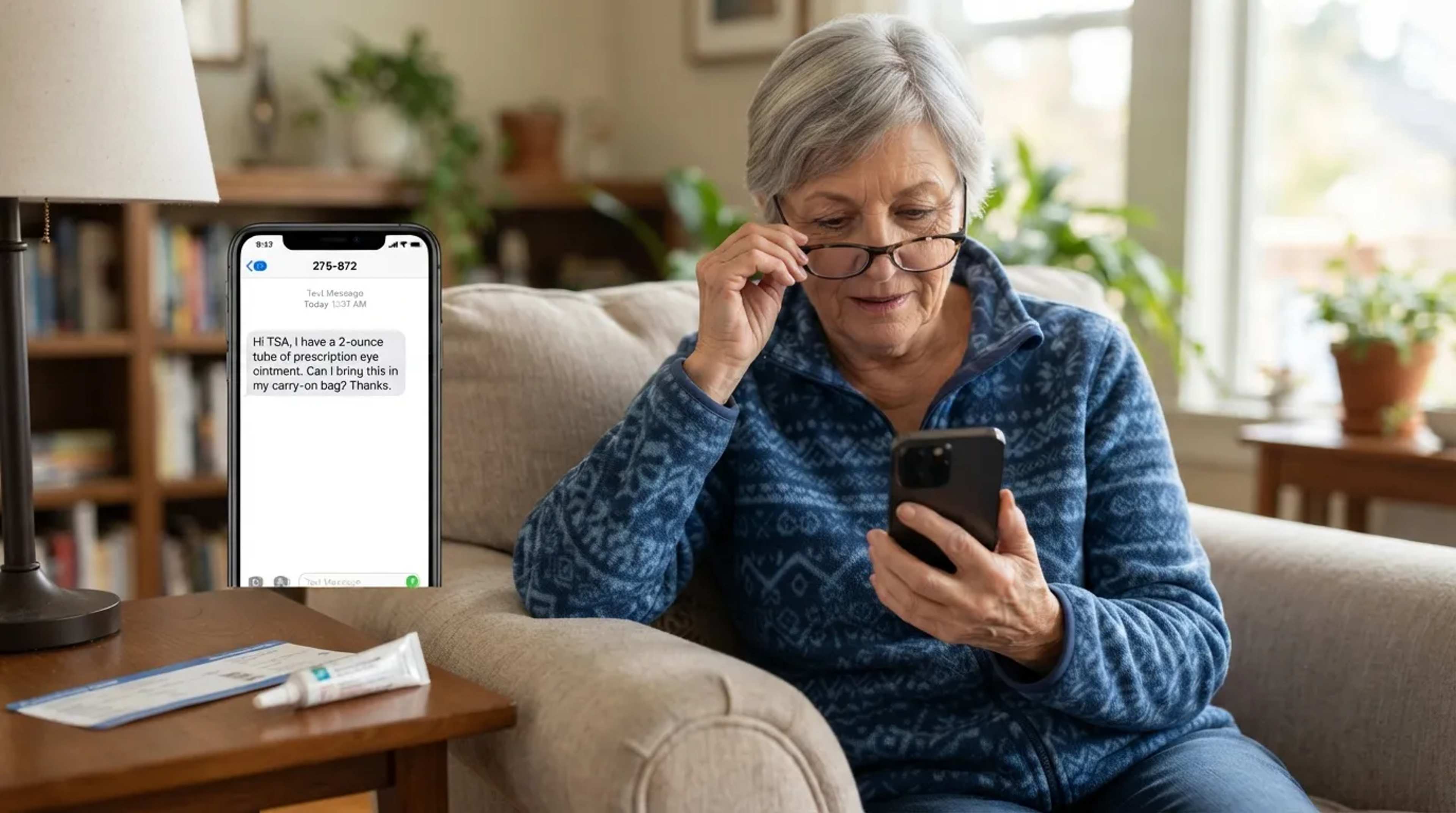
Stop guessing and ask TSA directly, with a photo. TSA runs a free service called AskTSA, and you can send it a picture of the exact item you’re unsure about.
Answers on the item itself are far more reliable than a forum post or a friend’s memory. It also gives you a written reply to point to if an officer’s call at the checkpoint seems different.
- Step 1: The night before, photograph anything questionable: the power bank label, the tool, the food jar or the toy.
- Step 2: Text the photo and your question to AskTSA at 275-872, or use the Ask TSA chat on the TSA website or Messenger.
- Step 3: Check tsa.gov’s “What Can I Bring?” search for the item name while you wait.
- Step 4: If the answer is no or maybe, move it to the checked bag or leave it home.
The final officer at the checkpoint always has the last word, so get your answer early and pack with it in hand.
- Away TSA Liquid Rules: https://www.awaytravel.com/blogs/the-away-pages/tsa-liquid-rules
- TSA Disabilities and Medical Conditions: https://www.tsa.gov/travel/tsa-cares/disabilities-and-medical-conditions
- TSA Liquid Medications: https://www.tsa.gov/travel/security-screening/whatcanibring/items/liquid-medications
- TSA Alcohol Over 140 Proof: https://www.tsa.gov/travel/security-screening/whatcanibring/items/alcoholic-beverages-over-140-proof
- US News Carry-On Sizes: https://travel.usnews.com/features/carry-on-luggage-sizes-size-restrictions-by-airline
- TSA What Can I Bring: https://www.tsa.gov/travel/security-screening/whatcanibring/all?page=14
- FAA Airline Passengers and Batteries: https://www.faa.gov/hazmat/packsafe/airline-passengers-and-batteries
- FAA PackSafe Portable Devices: https://www.faa.gov/hazmat/packsafe/portable-electronic-devices-with-batteries