There’s a particular kind of satisfaction that comes from realizing, halfway through a trip, that you haven’t taken a single photo in front of a landmark with a selfie stick vendor hovering nearby. Traveling like a local isn’t about avoiding famous sites entirely. It’s about how you move through a place, what you eat, who you talk to, and whether your daily rhythm starts to feel less like a checklist and more like actual life somewhere new.
Some travelers stumble into this naturally, others work at it deliberately, but the signs tend to be similar no matter how you got there. Below are the tells that suggest you left the tourist bubble behind, even if only for a few days.
Your restaurant choices have no English menu translations
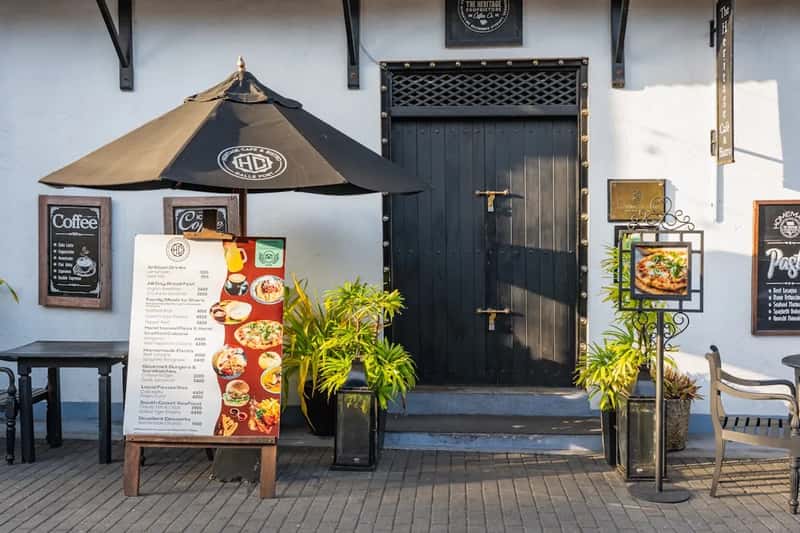
If the menu is only in the local language and the waitstaff seem mildly surprised you walked in, that’s usually a good sign. Tourist-heavy restaurants tend to cluster near major attractions and often adjust their offerings, pricing, and even flavors to suit visitor expectations rather than local tastes. Places without English menus, laminated photos of dishes, or a tout outside trying to lure people in are frequently the ones locals actually eat at regularly.
This doesn’t mean every hole in the wall is automatically authentic, but the absence of tourist-oriented signage is a reasonably reliable filter. Food writers and travel researchers have long noted that restaurants relying on foot traffic from landmarks often prioritize speed and familiarity over quality, since diners rarely return for a second visit. Skipping those spots in favor of neighborhood joints usually means better food and lower prices too.
You know which bus or metro line to take without checking a map every five minutes
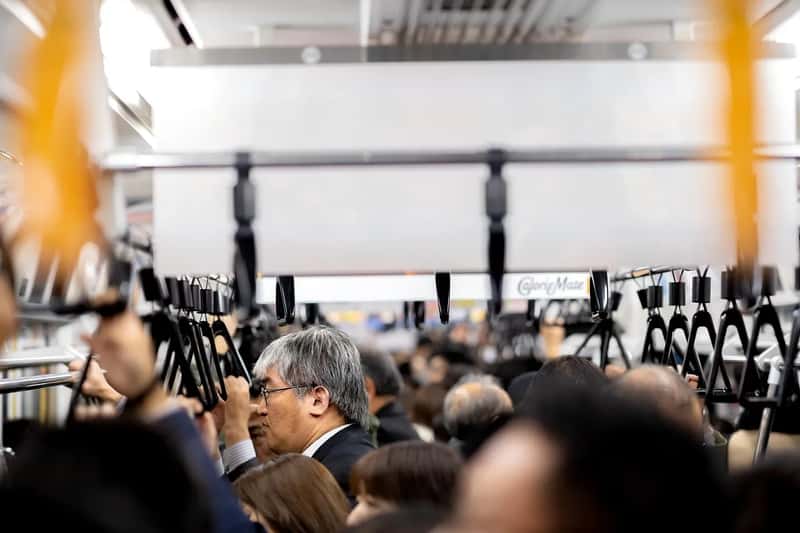
Getting comfortable with public transit is one of the clearest markers of local-style travel. It takes a bit of trial and error, maybe a wrong transfer or two, but once you stop pulling out your phone every few minutes to double check the route, something has shifted. You start recognizing station names, understanding fare structures, and even developing opinions about which line is more crowded at certain hours.
Public transportation systems in cities like Tokyo, London, and Berlin are famously extensive, and locals rely on them constantly rather than treating them as a novelty. Tourists often default to taxis or rideshare apps because they feel safer or simpler, but that convenience usually comes at a steep markup and removes you from the actual flow of the city. Mastering the transit map, even imperfectly, puts you closer to how residents actually experience their own urban geography.
You’ve stopped converting every price back to your home currency
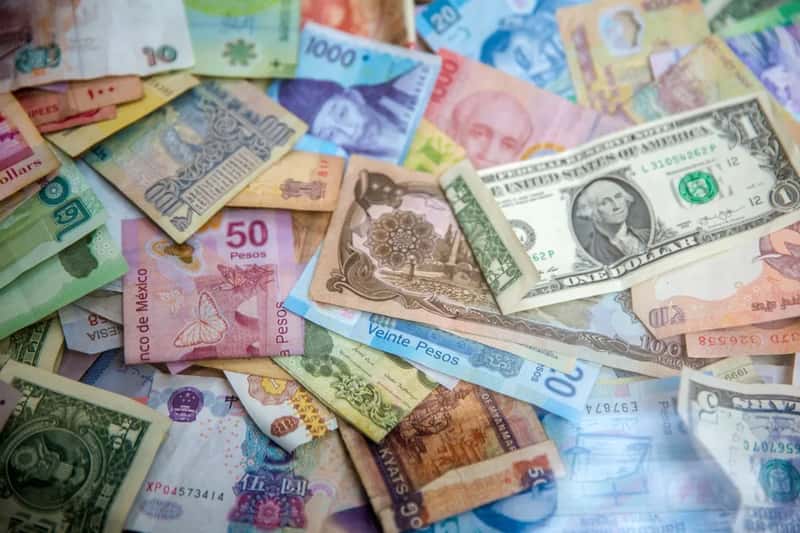
Early in a trip, almost everyone does the mental math, converting prices back to dollars, euros, or whatever currency feels familiar. At some point, though, that habit fades, and prices start to feel normal in the local currency itself. This shift matters because it changes how you spend; you stop treating every purchase as a novelty and start budgeting the way someone who actually lives there would.
Currency conversion apps and constant mental arithmetic are hallmarks of short-term tourist thinking, according to travel psychology research that has examined how spending behavior changes the longer someone stays in a foreign country. Extended stays tend to normalize local pricing structures, which is part of why long-term travelers and expats often report spending more sensibly than short-term visitors. Once a cup of coffee just costs “a normal amount” rather than requiring a calculation, you’ve crossed a small but meaningful threshold.
Locals ask you for directions instead of the other way around
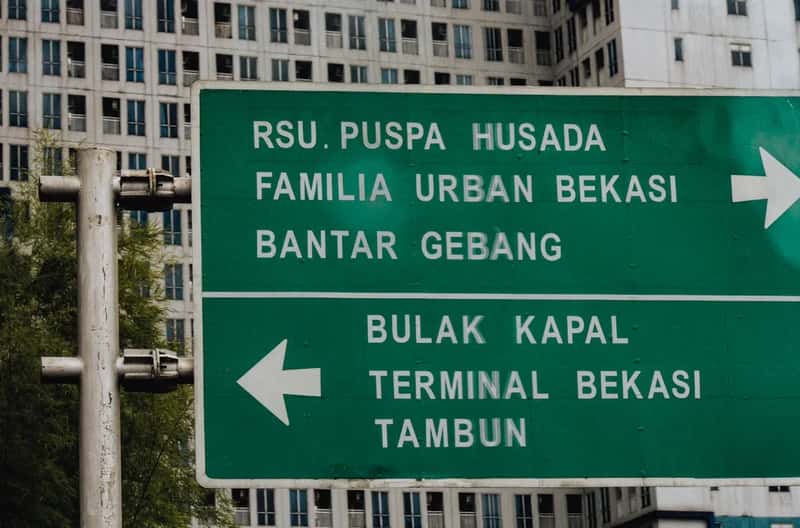
It sounds unlikely, but it happens more often than people expect, especially in neighborhoods slightly removed from major attractions. When someone stops you on the street assuming you live there, it usually means your body language, pace, and general orientation have shifted from “visitor scanning for landmarks” to “person who knows where they’re going.” This isn’t about blending in perfectly, since accents and appearance still give people away, but confidence in navigation reads as familiarity.
Urban geographers who study pedestrian behavior have noted that locals move differently than tourists, typically walking faster, avoiding eye contact with storefronts, and rarely stopping mid-sidewalk to check a phone. Adopting these subtle habits, even unconsciously, changes how approachable and “native” you appear to others navigating the same streets. It’s a small thing, but it reflects a real shift in comfort level with the environment.
Your itinerary has unstructured time built into it
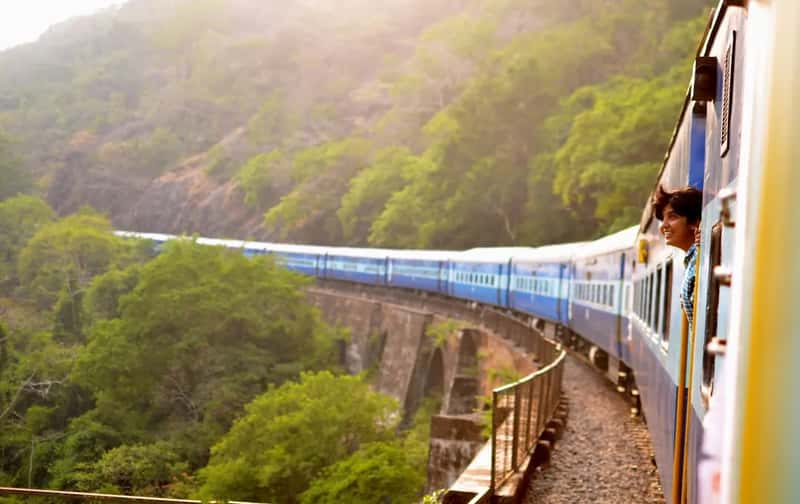
Tourist itineraries are often packed tight, hour by hour, attraction by attraction, because there’s a sense that every moment must be optimized for sightseeing. Traveling like a local usually means the opposite: mornings with nothing planned, afternoons that might just involve sitting at a café watching people pass by, evenings that unfold based on mood rather than a spreadsheet. This kind of slack in the schedule mirrors how residents actually spend their free time, which is rarely as regimented as a five day whirlwind tour.
Travel researchers have pointed out that overscheduling is one of the most common sources of trip fatigue and dissatisfaction, since constant movement between sites leaves little room to actually absorb a place. Slower travel, sometimes called “slow tourism,” has gained traction particularly since 2023 as more travelers report wanting fewer stops and deeper experiences rather than checklist-style itineraries. Unstructured time isn’t laziness; it’s often what allows the more memorable, unplanned moments to happen at all.
You’ve developed a favorite grocery store or market
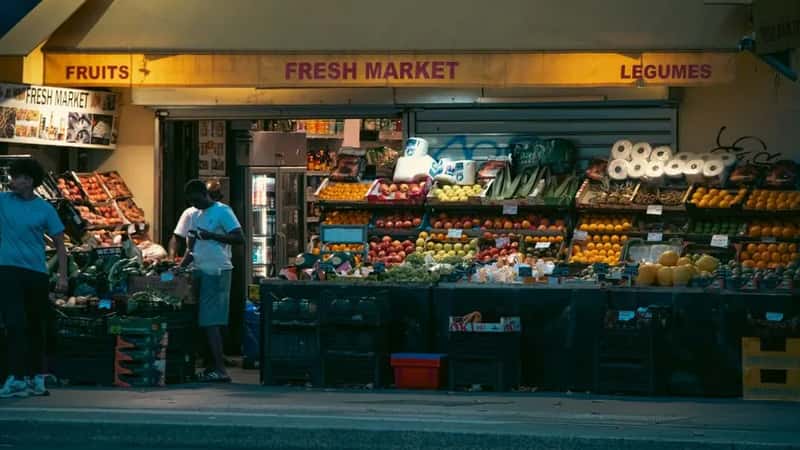
Nothing says “settling into a place” quite like having a preferred neighborhood grocery store, bakery, or produce stand. Locals don’t shop at flashy international supermarket chains near tourist zones; they have their regular spots, often small and unglamorous, where the same vendors recognize repeat customers. If you find yourself returning to the same market stall because the fruit is better or the prices are fairer, you’ve essentially replicated a local routine.
Farmers markets and neighborhood grocers also tend to reflect what a region actually eats day to day, which is often quite different from what’s served in restaurants aimed at visitors. Food anthropologists studying local food systems have found that these smaller markets preserve regional agricultural practices and seasonal eating patterns that supermarket chains and tourist restaurants frequently smooth over. Shopping there, even just once or twice, offers a more accurate picture of daily life than any curated food tour could.
You know the tipping and etiquette norms without googling them

Every country has its own unwritten rules around tipping, greetings, dining etiquette, and general social conduct, and tourists often fumble these in fairly obvious ways. Somewhere along the way, if you stop hesitating over whether to tip, how to greet a shopkeeper, or which hand to use for certain gestures, that awkward beat of visible uncertainty disappears. This matters more than it might seem, because etiquette missteps are usually what mark someone as clearly unfamiliar with a place.
Countries like Japan famously discourage tipping altogether, while parts of Europe expect a modest rounding up rather than the twenty percent norm common in the United States. Cultural etiquette researchers have documented how quickly these norms can trip up even experienced travelers, since expectations vary so widely from one region to the next. Internalizing them, rather than repeatedly checking a phrasebook or app, is a quiet but telling sign of adaptation.
Your photos don’t feature famous landmarks front and center
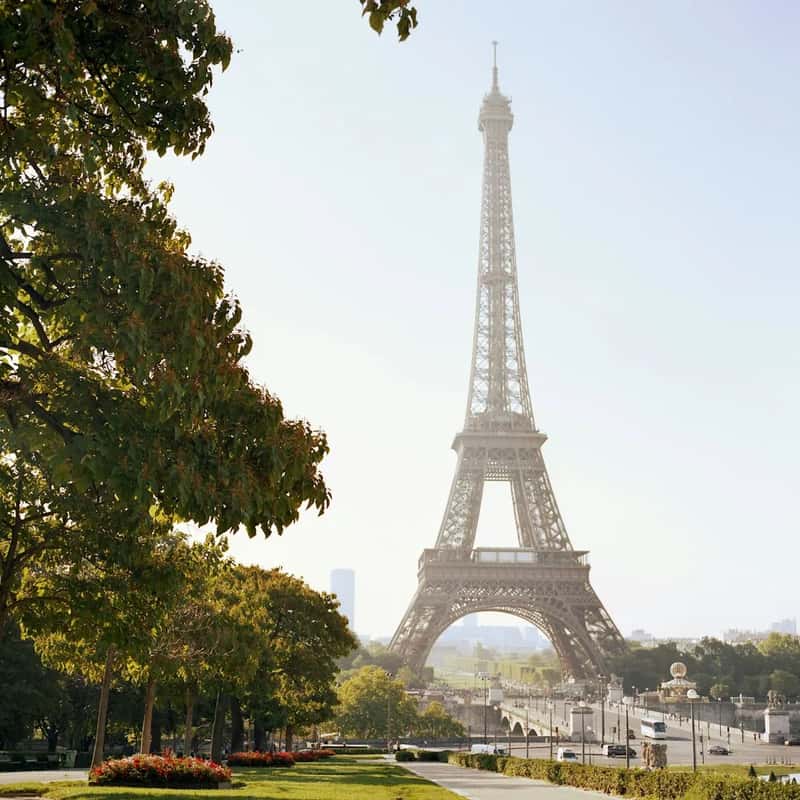
There’s nothing wrong with a photo in front of a famous monument, but if your camera roll is dominated by candid street scenes, food close-ups, or shots of neighborhoods nobody back home will recognize, that’s usually a marker of a different kind of trip. Tourist photography tends to center on iconic, easily identifiable backdrops, partly because that’s what signals “I went there” to people at home. Local-style travel photography, by contrast, often documents texture and daily life rather than proof of presence at a monument.
Photography researchers studying tourist behavior have noted that the compulsion to photograph landmarks is partly performative, driven by social media validation rather than genuine visual interest. When that pressure fades and photos start capturing quieter, less “postable” moments, it often reflects a shift toward experiencing a place rather than documenting a visit to it. This isn’t a judgment on landmark photos themselves, just an observation about what tends to change once the tourist mindset relaxes.
You’ve picked up a few phrases beyond “hello” and “thank you”

Basic pleasantries are standard tourist vocabulary, but locals notice the difference when a visitor knows slightly more, enough to order food with modifications, ask a follow up question, or make a small joke. Language acquisition doesn’t need to be extensive to signal genuine engagement; even a handful of extra phrases can shift how you’re perceived and treated. Shopkeepers and restaurant staff often respond warmly to this effort, sometimes offering better service or more candid recommendations as a result.
Linguists who study travel and language exposure have found that even minimal effort toward local language use improves social reception significantly compared to relying entirely on English. This is especially true in countries where English fluency isn’t universal, since the attempt itself communicates respect for the culture rather than an assumption that everyone should accommodate the visitor. Small linguistic gestures, more than fluency itself, tend to be what locals remember and appreciate.
You stopped visiting attractions during peak tourist hours
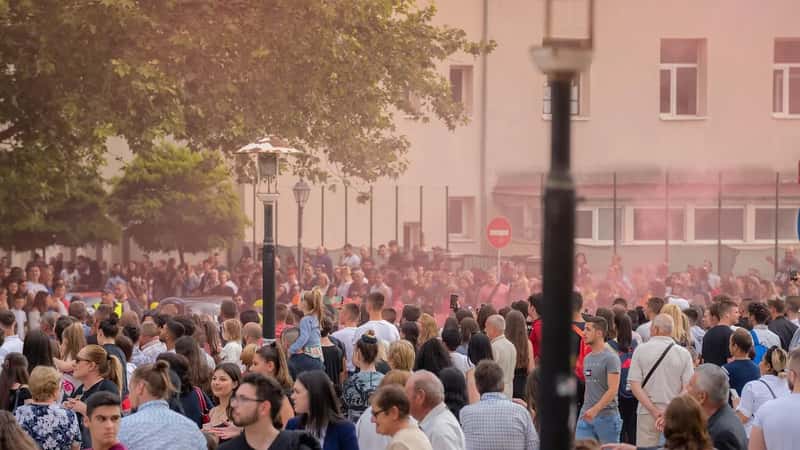
Major sites tend to have predictable rush periods, usually mid-morning through early afternoon, when tour buses arrive and lines stretch around the block. Locals who visit these same attractions, if they bother at all, tend to go early, late, or on off days specifically to avoid the crowds. If your own schedule has shifted to match that pattern, arriving right at opening or visiting on a weekday afternoon instead of a Saturday, you’ve essentially adopted local timing logic.
Attraction data from cities like Paris and Rome consistently shows sharp visitor spikes between late morning and mid-afternoon, with dramatically thinner crowds in the first hour after opening. Timing visits around these patterns isn’t just about avoiding lines; it often results in better lighting for photos, shorter waits, and a calmer overall experience. This kind of scheduling awareness usually develops only after a few frustrating encounters with crowds, which is part of why it’s such a reliable sign of adaptation.