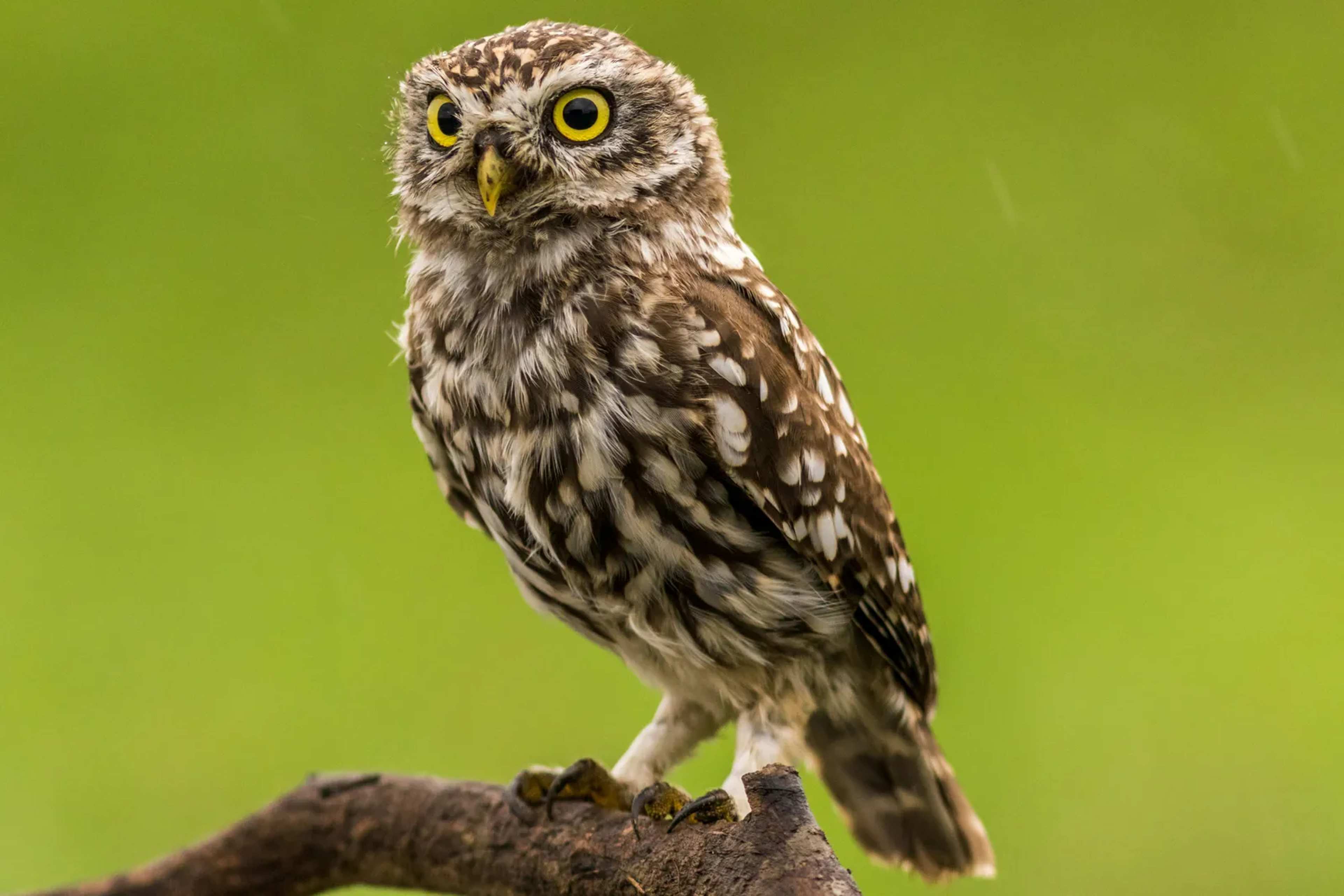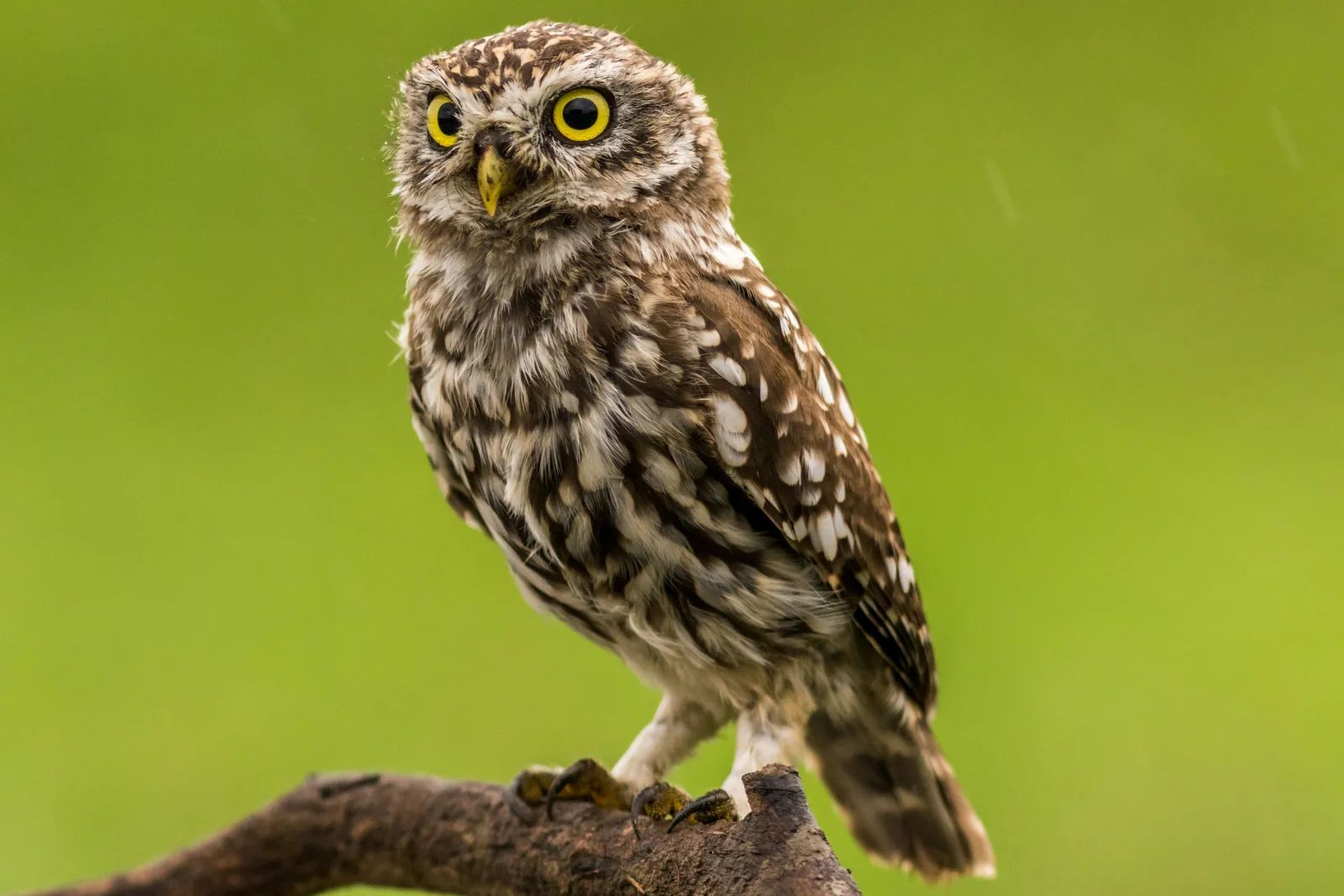
Owls patrol North American nights with remarkable precision, their specialized feathers muffling sound so completely that prey often never hears them coming. These birds of prey help keep rodent and insect numbers in check, supporting healthier forests, farms, and suburban yards. The National Wildlife Federation highlights their ecological value and the practical steps people can take to protect them. ([1])
Feathers Built for Stealth
The leading edges of an owl’s flight feathers carry a fringe that breaks up airflow and reduces turbulence. Trailing edges feature a soft, comb-like structure that further dampens noise. Together these adaptations let species such as the great horned owl glide almost silently over open fields or wooded edges. Researchers note that this quiet approach gives owls an advantage when hunting small mammals that rely on sound to detect danger.
Species Found Across the United States
Several owls occupy distinct habitats from coast to coast. The American barn owl favors old barns and other human structures, its heart-shaped face helping funnel sound to its ears. Barred owls call from mature eastern forests and Pacific Northwest swamps with a distinctive “who cooks for you” phrase. Burrowing owls live in underground tunnels on open grasslands, while eastern and western screech-owls occupy suburban yards and open woodlands. The great horned owl ranges through deserts, cities, and everything in between.
Role in Balanced Ecosystems
By preying on mice, rats, beetles, and moths, owls limit crop damage and reduce the need for chemical controls. They also remove sick or weak individuals from prey populations, which can slow the spread of disease. This natural service benefits both wildlife communities and agricultural areas where rodent outbreaks would otherwise require more intensive management.
Threats and Ongoing Protection
Habitat loss from logging, development, and deforestation remains the primary pressure on several species. Three owls – the cactus ferruginous pygmy-owl, Mexican spotted owl, and northern spotted owl – currently receive protection under the Endangered Species Act. Secondary poisoning from rodenticides poses another risk when owls consume contaminated prey. Conservation measures include preserving dead trees for nesting, installing nest boxes, and leaving unmowed patches that support the small mammals owls eat.
Practical Steps for Homeowners
Residents can support local owls without specialized equipment.
- Install an owl box designed for screech-owls or barn owls in a quiet corner of the yard.
- Avoid anticoagulant rodenticides and instead use exclusion methods or mechanical traps when needed.
- Leave safe snags standing and reduce lawn mowing in selected areas to shelter prey species.
- Support policies such as the Endangered Species Act and funding measures that aid at-risk wildlife.
Owls continue to reveal how small changes in human behavior can sustain the quiet predators that patrol American landscapes after dark.