The Hollywood Walk of Fame is one of the most photographed sidewalks on earth. It’s also a stretch of pavement where you look down at names, dodge costumed characters, and wonder if that’s really all there is. If you came to Los Angeles because you love movies, music, or the glamour of the place, a few other spots will give you far more for your time.
This isn’t a takedown of the Walk. It’s a case for spending your limited hours somewhere that tells the story better. These seven picks are all in Los Angeles, and most are close enough to Hollywood that you won’t lose a day to traffic.
What the Walk of Fame Actually Delivers
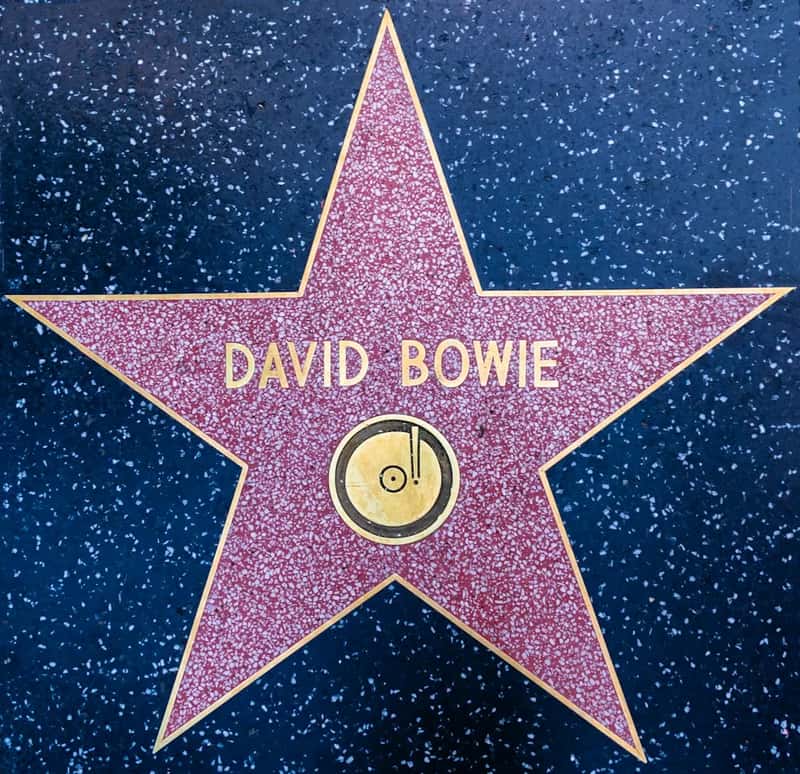
Start with the facts, because the Walk deserves a fair hearing. There’s no ticket, no gate and no set hours, so you can walk it any time, day or night.[1] That makes it a handy quick stop. As of September 16, 2026, with a ceremony honoring Nia Long, there are 2,857 stars embedded along the boulevard.[2]
The catch is that a star is just a name, a category emblem, and a patch of terrazzo. The honorees are chosen by a committee, and a sponsor pays a fee on selection and the honoree must agree to attend a ceremony within two years.[3] That doesn’t make the stars meaningless. It does mean the sidewalk is more of a civic tradition than a museum, so don’t expect much storytelling. If you want context, craft, or atmosphere, you’ll need to look elsewhere.
The Academy Museum of Motion Pictures
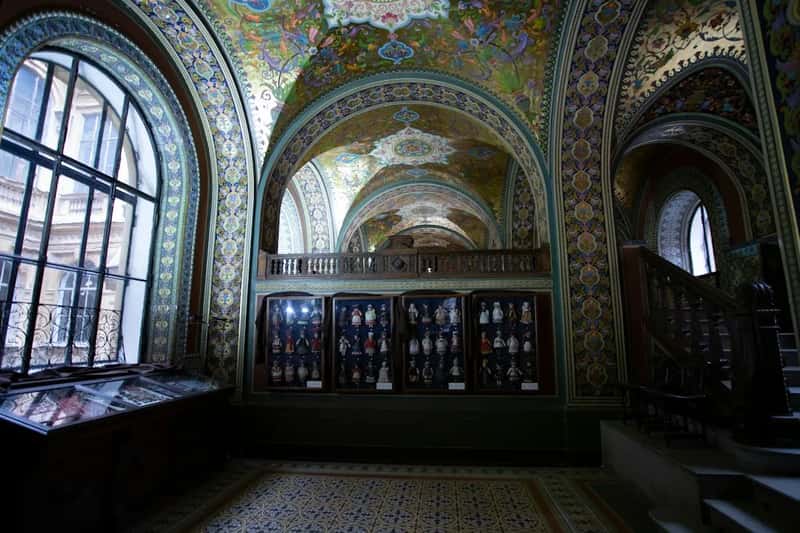
If you want to learn how movies actually get made, head to Wilshire Boulevard. The Academy Museum sits at 6067 Wilshire and is described as the largest film museum in the United States.[4] General admission is US$25 for adults, with visitors under 18 entering free.[4] That’s a fair price for what’s inside.
Plan on 2 to 3 hours to cover the core exhibitions[4], and longer if you catch a screening or eat at the museum’s restaurant. The museum’s own site lists Wednesday through Monday hours of 10am to 6pm, with Tuesdays closed[5], which trips up plenty of visitors. There’s also a discount after 4:30pm, when adults pay $18.[5] Exhibitions rotate, so check the schedule. For example, the East Rolex Gallery on Level 3 will be closed from October 19 to December 12, 2026.[5]
Griffith Observatory
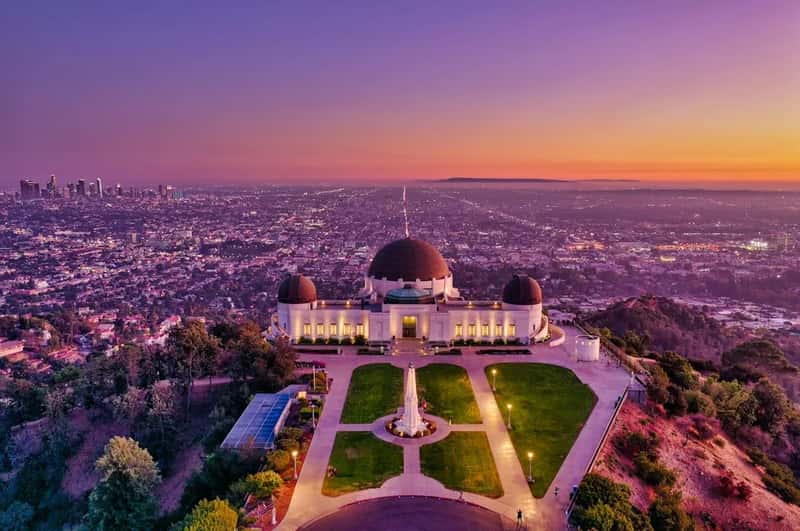
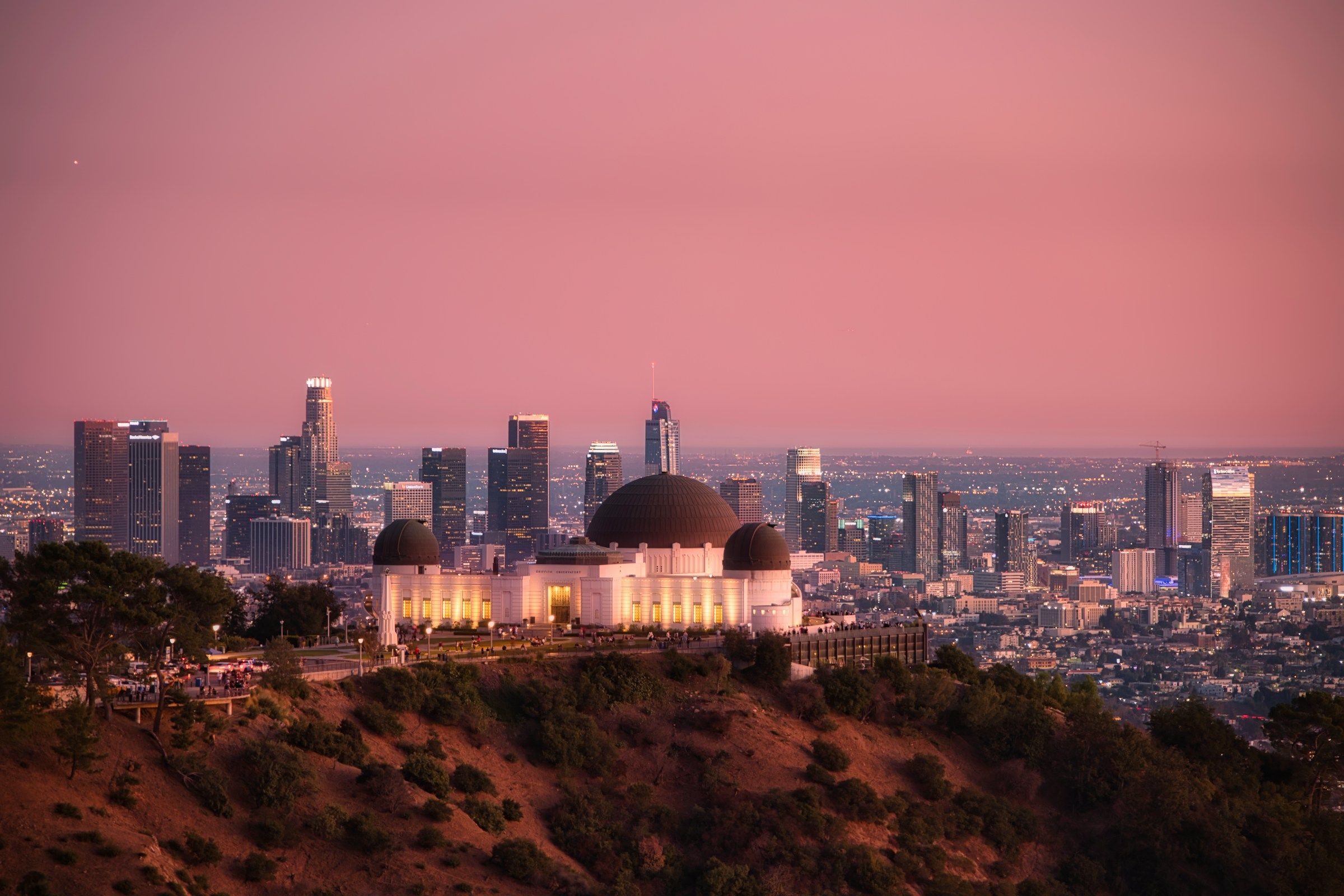
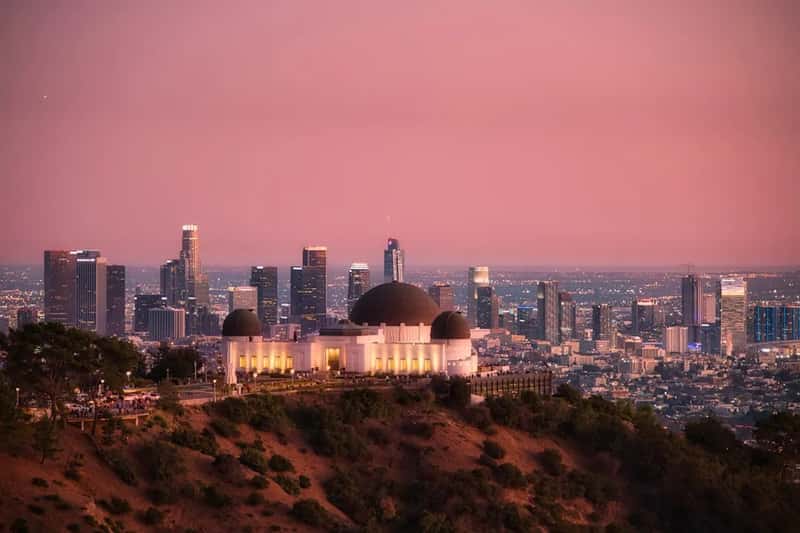
For the best view of Hollywood, leave Hollywood. Griffith Observatory sits on the slope of Mount Hollywood and looks out over the city. It has a close view of the Hollywood Sign[6] and a wide range of space and science displays. It’s also a film location in its own right, featured in movies from Rebel Without a Cause to La La Land.[7]
The best part is the price. Admission has been free since the observatory opened in 1935, in accordance with the will of its benefactor, Griffith J. Griffith.[6] It draws over 1.5 million visitors annually[8], so it’s popular, but the terraces handle crowds well. Planetarium shows cost extra, and parking on the hill costs a fee, though you can hike up or take the DASH bus.[9] Sunset is the classic time to go, and free public telescope viewing is available each evening skies are clear and the building is open.[10]
Hollywood Forever Cemetery and Cinespia
It sounds odd to recommend a cemetery for a fun night out, yet this is one of the most Hollywood experiences in town. Hollywood Forever opened in 1899, paralleling the rise of the film industry[11], and the grounds are full of the city’s early history. In summer and early fall, the Fairbanks Lawn becomes an open air cinema.
Cinespia runs the screenings, and 2026 was its big milestone. The series celebrated its 25th anniversary in 2026[12], and it began when John Wyatt founded it in 2002 with a single screening of Strangers on a Train.[12] Crowds can reach up to 4,000 attendees per night.[12] The format is relaxed. Films play outdoors on a grassy field under the stars, with a DJ spinning as the sun sets and again after the movie.[13] Bring a blanket, and a small tarp underneath is recommended, since the field can get damp in the evening.[13]
The Getty Center
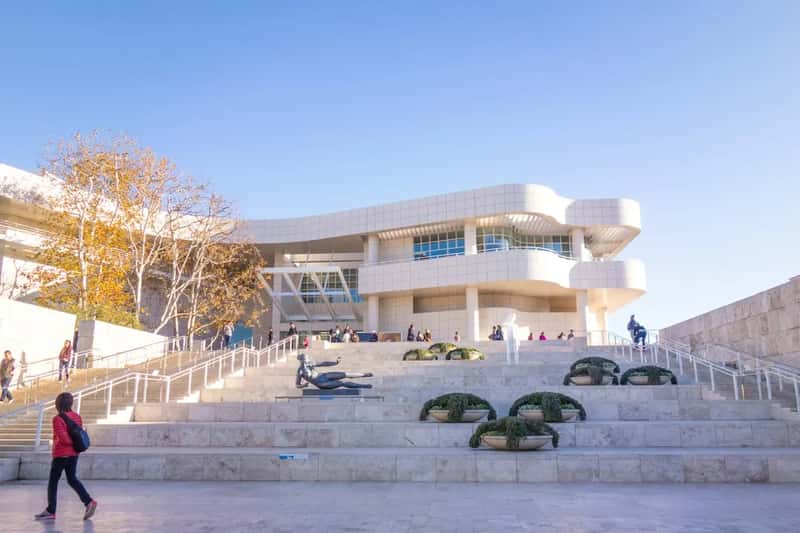
The Getty Center isn’t a movie attraction, but it’s one of the best places in Los Angeles to spend an afternoon. It sits on a hilltop in Brentwood with sweeping views, gardens, and a collection that includes Van Gogh’s Irises. General admission is free, though parking carries a fee, so check the Getty’s website for current rates and reservation details before you go.
The architecture alone is worth the trip, with its pale travertine buildings and clean lines. Visitors ride a tram from the parking structure up to the main plaza, which gives the whole visit a little ceremony. It’s a good fit if you want culture and views without the crush of a tourist strip. Pick a weekday if you can, and give it a few unhurried hours.
A Night at the Hollywood Bowl
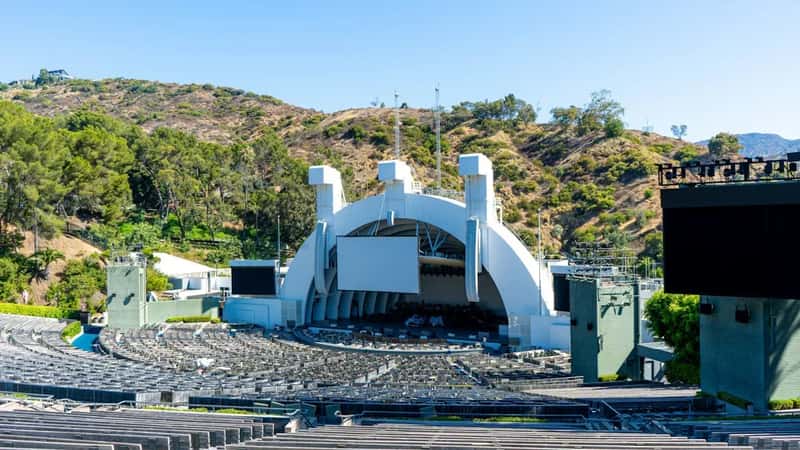
The Hollywood Bowl is the closest thing Hollywood has to a living landmark. The natural amphitheater in the hills has hosted concerts since the early 1920s, and it’s the summer home of the Los Angeles Philharmonic. It seats well over 17,000 people, yet the setting still feels intimate once the sun goes down.
Unlike the Walk of Fame, the Bowl is about the experience rather than the name on the ground. Many concertgoers bring picnic dinners and make an evening of it. Lineups change each season, so look at the official calendar to see what fits your taste, whether that’s classical, pop, or a film score with live orchestra. Seats vary widely in price, so it’s worth comparing sections before you buy.
A Real Studio Tour
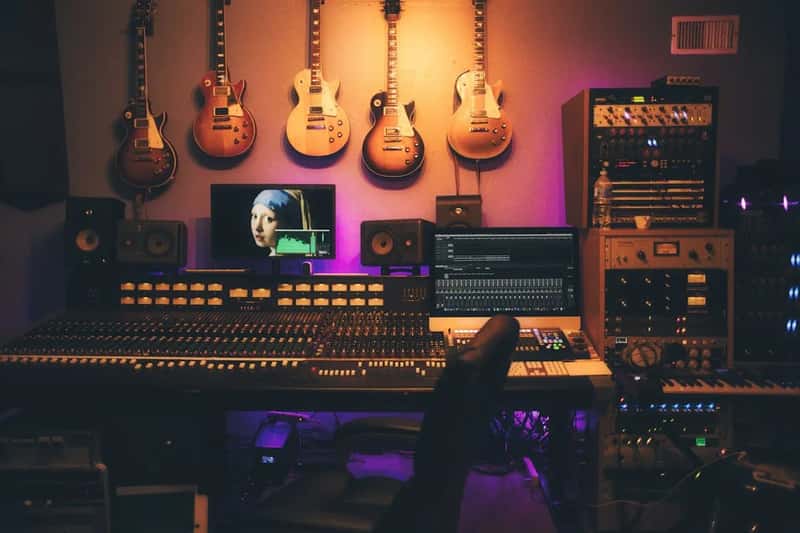
If you want to see where movies and television are actually made, a studio tour beats any sidewalk. Warner Bros. Studio Tour Hollywood is in Burbank, not Hollywood proper, and Paramount Pictures offers tours on its historic lot in Hollywood itself. Both take you behind the gates to see sound stages, backlots, and production facilities that the public rarely gets to see.
Tour formats, prices, and availability change, and working productions can affect what’s open on any given day. Book directly through the studio’s official site rather than a street vendor, and read the current details before you commit. Expect to spend a few hours. It’s the closest most visitors will come to the machinery behind the glamour.
Putting a Smarter Hollywood Day Together
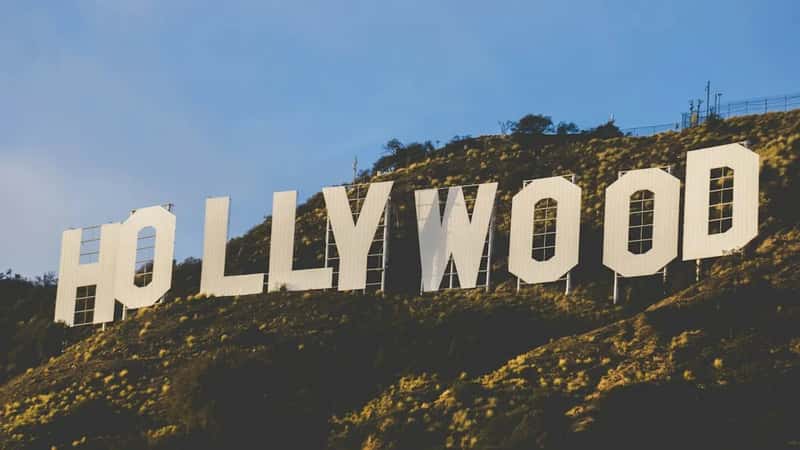
You don’t have to skip the Walk of Fame entirely. Since it’s free and always open, a ten minute stroll costs you nothing, and you can find a favorite star using the official directory at walkoffame.com. Treat it as a photo stop, not the main event. Then spend your real time and energy elsewhere.
A good pairing is the Academy Museum in the late afternoon, using the after 4:30pm discount, followed by an evening somewhere else. Griffith Observatory works well for sunset, and a Cinespia night or Hollywood Bowl show can anchor a different day. Check opening days first, since the Academy Museum is closed Tuesdays and Griffith Observatory is closed Mondays, according to current visitor guides.
Final Thoughts
The Walk of Fame is fine for what it is, a free sidewalk with a famous name. It just doesn’t tell you much about why Hollywood matters. The Academy Museum explains the craft, Griffith Observatory gives you the view, and Hollywood Forever gives you the nostalgia and a good night out. The Getty, the Bowl, and a studio tour round out a trip that feels like Los Angeles rather than a checklist.
Next time someone says you can’t visit Hollywood without walking the boulevard, remember that the best stars in this city are the ones overhead at Griffith Observatory.