Homeowners across the country often greet the first big leaf drop with rakes and yard-waste bags in hand. Yet a growing number are discovering that holding off on cleanup can draw a surprising variety of feathered visitors right to their own property. The National Wildlife Federation’s annual Leave the Leaves campaign highlights how those fallen layers support birds in ways that feeders alone cannot match.
A Ready-Made Foraging Ground
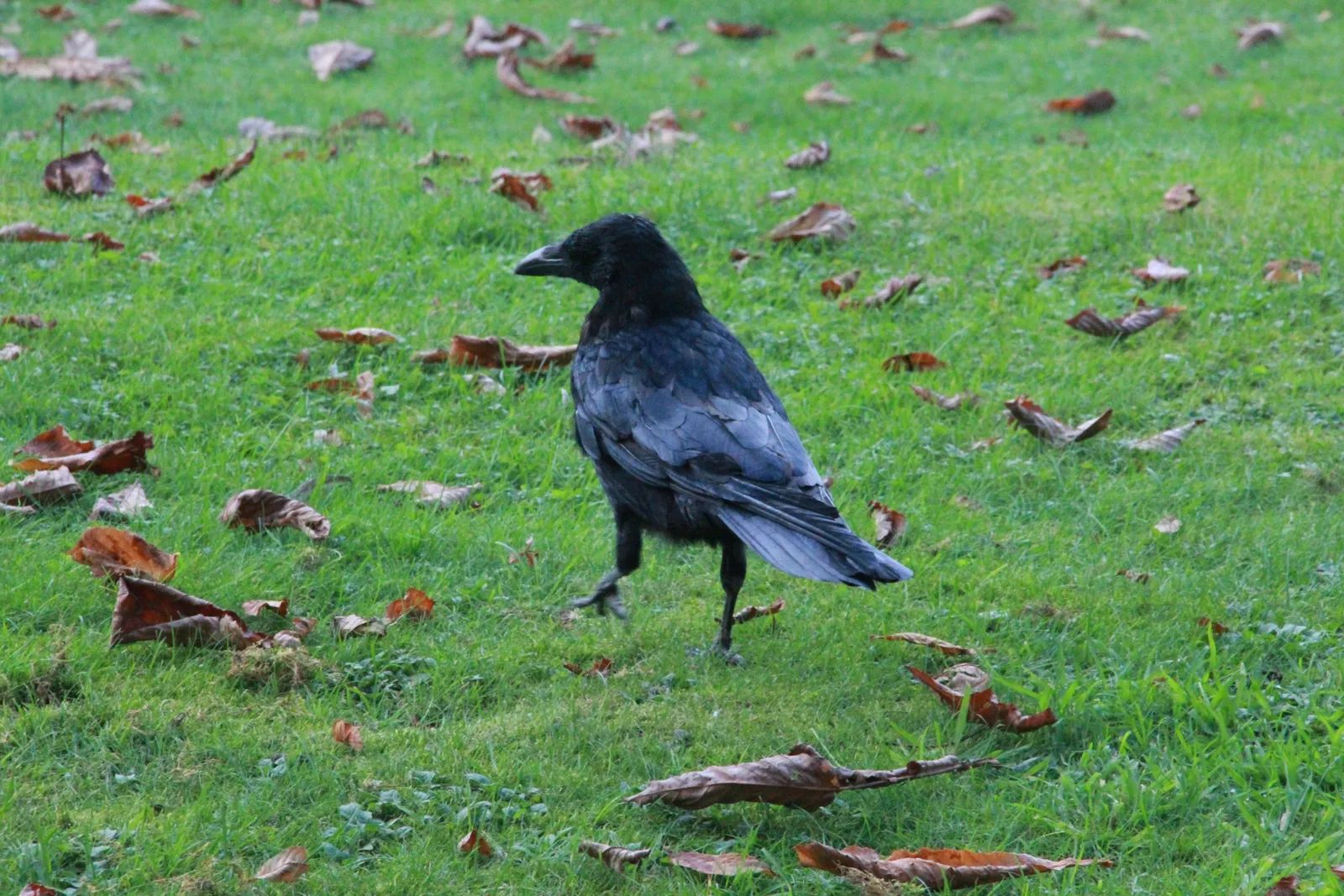
Most backyard birds find the bulk of their meals by searching the ground rather than visiting feeders. A thick carpet of leaves creates a moist, sheltered zone where insects, spiders, and fallen seeds stay hidden yet accessible. Species such as juncos, sparrows, and thrushes use their feet to flip through the debris, uncovering meals while the leaves themselves provide natural camouflage from hawks and cats overhead. ([1])
The payoff shows up quickly once the habit takes hold. Yards that keep their leaf cover often see steady activity from ground-foraging birds throughout the cooler months, turning an ordinary lawn into a quiet observation spot for anyone willing to watch from a window or porch chair.
Nesting Supplies Delivered Straight to the Garden
By spring, many species are already scouting for building materials. Leaving leaves and small twigs in place supplies exactly what they need without extra effort from the homeowner. Some birds go further, tucking their nests directly into the leaf litter itself. Kentucky warblers and ovenbirds, for example, rely on a deep layer for both concealment and insulation, giving their young a better chance against predators and temperature swings.
The result is a self-sustaining cycle: the same leaves that shelter insects in fall become the foundation for successful breeding the following season. Homeowners who resist the urge to clear everything notice more nesting activity without planting a single additional shrub.
The Insect Connection That Feeds the Whole Web
Even birds that rarely touch the ground still depend on the leaf layer indirectly. Countless moths, butterflies, and fireflies spend part of their life cycle tucked beneath the debris, emerging later as essential prey. Roughly 95 percent of North American land birds rely on insects to raise their young, making the leaf habitat a quiet engine for the entire local food chain.
Reducing yard waste also keeps those insects on site rather than sending them away in bags. The shift requires little more than restraint, yet it supports a broader web of wildlife that many people only notice once the birds start showing up in greater numbers.
Putting the Habit Into Practice
Start small by raking leaves only from driveways and walkways while piling the rest along fence lines or under trees. A single season of this approach often reveals which spots attract the most activity. The National Wildlife Federation encourages participants to share their results and consider certifying their yard as wildlife habitat, a step that connects individual choices to larger conservation efforts.
Wild Birds Unlimited has partnered with the same program for years, underscoring that seed feeders work best when paired with the natural insect supply that leaves provide. The change feels almost too simple at first, yet the steady presence of foraging and nesting birds quickly makes the case for leaving the rake in the shed a little longer each fall.