I had a whole itinerary drafted for a Rockies trip this summer, the kind with color coded spreadsheets and a shortlist of turquoise lakes I’d been saving photos of for years. Then, sometime in early spring, I started noticing the same warning showing up in every news alert I skimmed, and I quietly closed the browser tab with my flight search still open. What started as a scheduling headache turned into one of the more sensible decisions I’ve made about how to spend a vacation budget.
A wildfire season that changed the math early
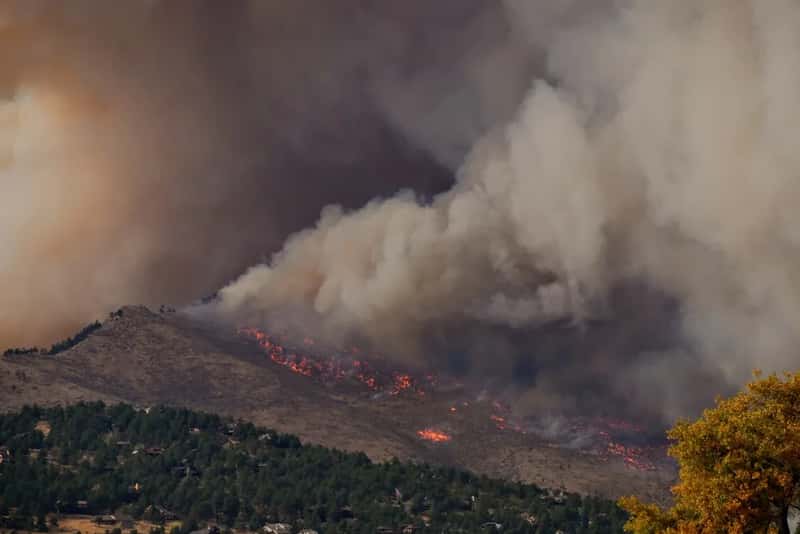
By early August, Canada was dealing with a genuinely active fire season, not a scattered handful of blazes in remote forest. Roughly 800 wildfires were burning nationally, with the most active evacuations in northwestern Ontario, where about 1,876 people remained displaced, and in British Columbia’s southern interior, where more than 5,000 people were placed under new evacuation orders in a single 24 hour span around August 1.[1] That’s not a footnote you scroll past when you’re supposed to be there in three weeks.
What made it harder to plan around wasn’t just the fires themselves but where the smoke ended up. Smoke traveled far from the actual fire zones, and both Toronto and Vancouver had high risk air quality alerts that summer from fires burning hundreds of kilometres away.[1] Even the towns I hadn’t planned on visiting were getting swept into the same haze.
Air quality problems that ignore your itinerary
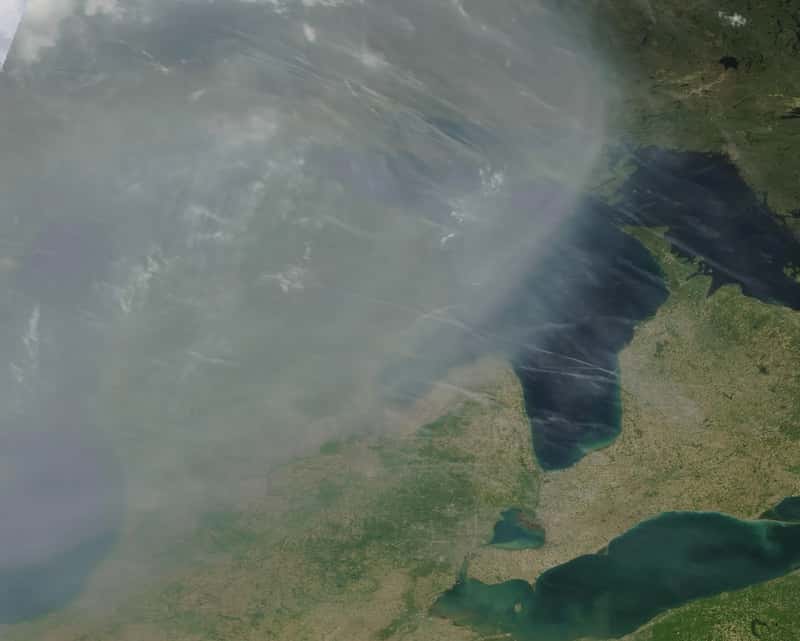
The frustrating part of wildfire smoke is that it doesn’t respect distance the way you’d expect. Wildfires burning hundreds of kilometres away were affecting tourism in British Columbia’s Columbia Valley, with some visitors cancelling or reconsidering their trips even though the region itself remained untouched by fire.[2] A town could be perfectly fine on the ground and still get lumped in with a bad air quality day two provinces over.
There wasn’t a nationwide shutdown ordering anyone to stay home, which is worth being honest about. No blanket national tourism ban appeared in the federal sources tracking the season, and it was local orders, closures, and requests to avoid non essential travel in specific impacted regions that actually determined whether a trip needed to change.[1] Still, planning a multi week trip around a map that could shift week to week felt like a bet I didn’t need to make.
Fire bans changed what a trip there would even look like
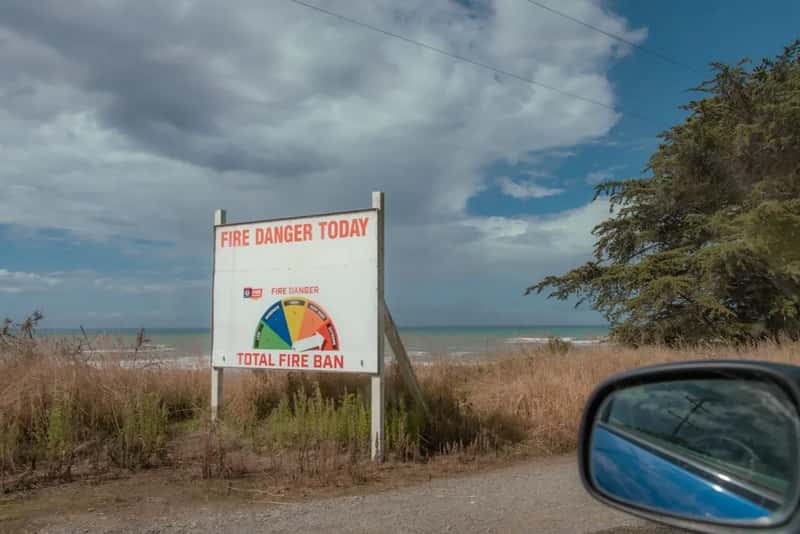
Even the destinations that stayed technically open weren’t operating like a normal summer. A fire ban had been in place across Banff, Yoho, and Kootenay national parks since July 30, 2026, with fire danger rated extreme, meaning no campfires, charcoal barbecues, or tiki torches were permitted anywhere in those parks.[3] For a trip built partly around evening campfires by a lake, that single rule quietly reshaped the whole plan.
To be fair, the situation on the ground wasn’t as dire as the word “extreme” makes it sound. It amounted to an instruction to visitors rather than a warning to stay away entirely, and the trails, roads, and towns themselves remained open.[3] Still, planning outdoor evenings around a park’s fire restrictions is a different trip than the one I’d originally sketched out.
Jasper still hadn’t fully recovered
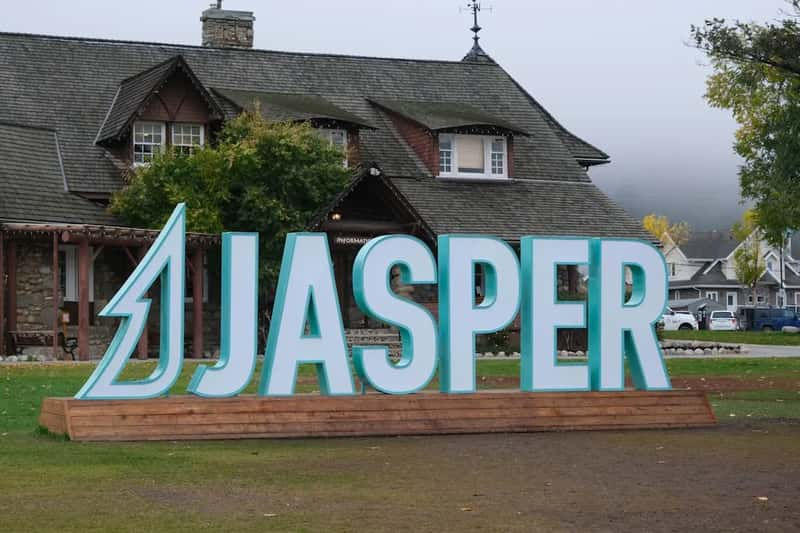
Jasper had been on my shortlist specifically, and that’s where the picture got more sobering. About one fifth of the town’s overnight accommodations had burned when a wildfire swept through the previous summer, a detail that Tourism Jasper’s own leadership acknowledged when discussing how the numbers were still recovering.[4] That’s not a minor dent in a small mountain town’s bed supply.
Interest in visiting hadn’t dropped off at all, which somehow made things trickier rather than easier. Fewer tourists were making it to Jasper than usual, but it wasn’t for a lack of people eager to visit the picturesque Rocky Mountain town, it was simply a matter of the accommodation base still being smaller than it used to be.[4] Booking a room there this year meant competing for a noticeably thinner supply.
The Rockies had quietly gotten a lot more expensive
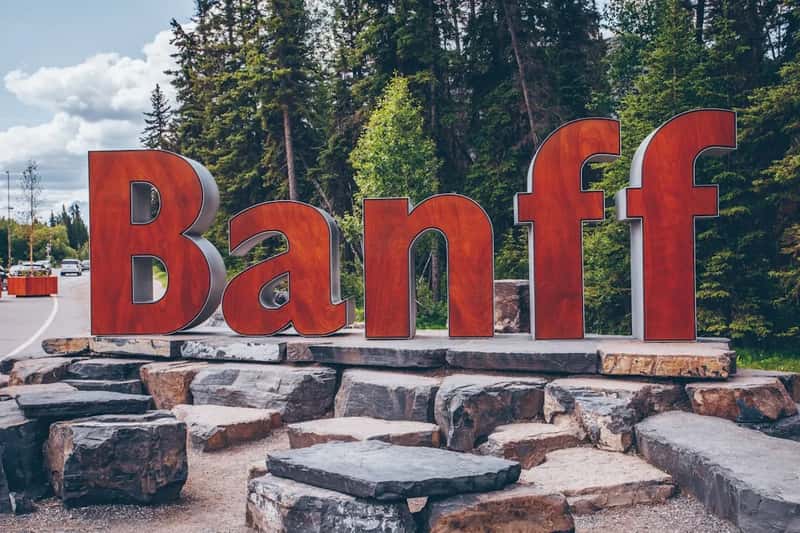
Even setting the fires aside, the numbers on a Rockies trip stopped looking like the budget adventure I remembered from a few years back. Mid range hotel prices across the Rockies were averaging somewhere between CAD $180 and $350 a night in 2026.[5] Banff specifically wasn’t any gentler on the wallet. The average cost for a hotel in Banff had climbed to around $350 a night.[6]
Even the park entry fee, which used to feel like an afterthought, had gone up. A Parks Canada pass for Banff, Jasper, and Yoho ran CAD $11 per adult per day, or CAD $83.75 for a Discovery Pass covering a full year of unlimited access.[5] None of these numbers are outrageous on their own, but stacked together across a two week trip, they added up faster than I’d budgeted for.
Booking windows had narrowed considerably
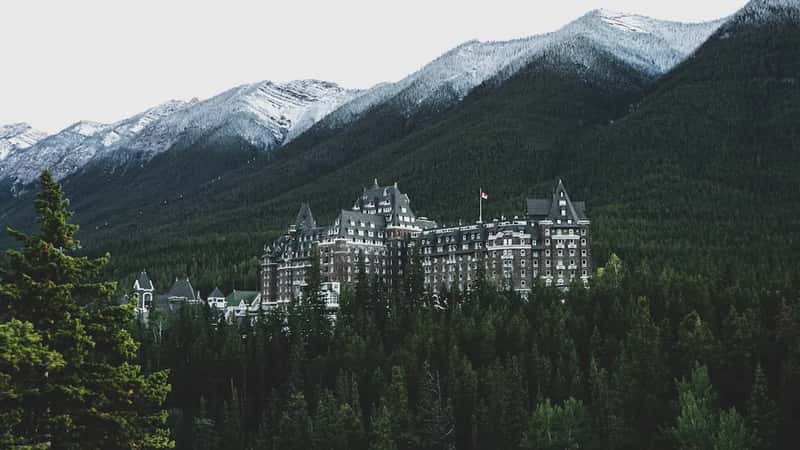
Part of the price pressure came down to simple supply. Banff and Jasper carried a real premium over the rest of the country because accommodation supply was tightly constrained relative to demand, and booking early or considering camping was one of the only ways to close that gap.[7] By the time I was seriously comparing dates, a lot of the reasonably priced windows were already gone.
Banff’s physical size doesn’t help matters either. Banff may be a top spot for tourists, but it’s also a relatively small town, which means accommodations go fast, and anyone planning a summer or winter visit needs to book well in advance.[8] I’d missed that early booking window, and the remaining options were the expensive leftovers.
A political chill that made the border feel more complicated
There was also a broader mood hanging over any cross border trip this year that had nothing to do with weather or hotel rates. President Trump had proposed annexing Canada, imposed several rounds of tariffs on Canadian goods, and repeatedly broken off trade talks with Ottawa, contributing to a chill in cross border travel and spending.[9] That kind of rhetoric doesn’t disappear the moment you cross a checkpoint.
The strain wasn’t one sided, either. Visits by Canadians to the U.S. fell roughly a quarter in 2025, resulting in billions less in tourism spending, with Canadians spending $13.3 billion in the U.S. that year, down from nearly $15 billion in 2024.[10] When both directions of a shared border are cooling off at once, it says something about the general climate you’re walking into, whichever way you’re headed.
Airlines were already rerouting around the tension
Airlines tend to notice these shifts before travelers fully process them, and their scheduling choices this year told their own story. Air Canada was expanding flights to Mexico while Air Transat suspended all of its U.S. flights for the summer of 2026.[11] That’s not a small operational tweak, that’s a carrier reading the room and moving its planes accordingly.
Watching capacity shift like that made me less inclined to build a trip around routes that might get thinner or costlier without much warning. Connections that used to be reliable start feeling like a gamble when the airlines themselves are hedging. It’s a quiet signal, but it’s one worth paying attention to before locking in nonrefundable flights.
Where the trip actually went instead
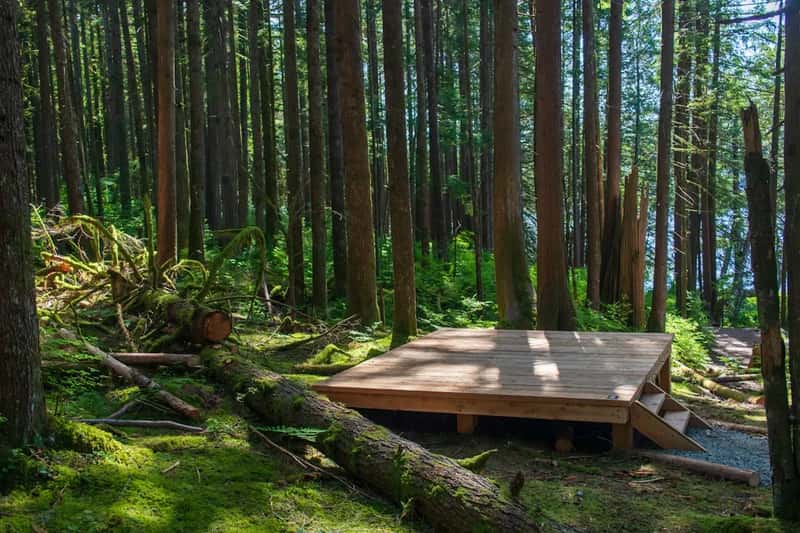
Instead of chasing the Rockies through smoke advisories and inflated hotel rates, I redirected the same budget toward a slower, closer trip through the Pacific Northwest side of the border, staying well south of the active fire zones. The scenery wasn’t a perfect substitute for turquoise glacial lakes, but the air was clear, the campsites were open without restriction, and nothing required checking an evacuation map before breakfast. It felt less like a downgrade and more like trading one kind of mountain trip for a calmer version of the same idea.
The flexibility alone was worth something I hadn’t fully appreciated before. I could change plans day to day without worrying about smoke rolling in or a fire ban altering what activities were even allowed. That kind of ease doesn’t show up on a spreadsheet, but it shapes how a trip actually feels while you’re living inside it.
What the savings actually bought me
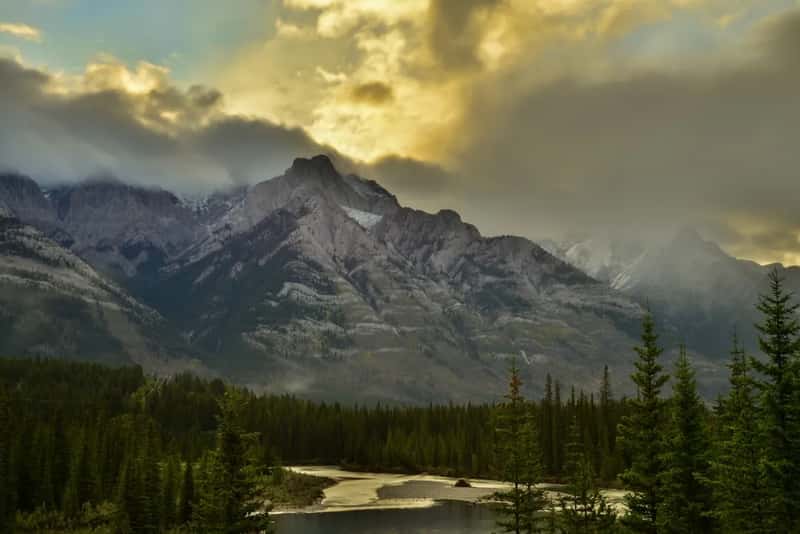
The money I didn’t spend on peak season Banff hotel rates went toward extending the trip by several extra days elsewhere, which ended up mattering more than any single landmark I skipped. Shoulder season pricing patterns in the Rockies suggest I would have paid a real premium for exactly the wrong window anyway. Shoulder season stays in the region typically run notably cheaper than the peak summer months, sometimes by a third or more.[12] I’d simply have been paying top dollar during the least forgiving part of the calendar.
None of this means the Rockies are off my list permanently. It just means this particular year, with an active fire season, a stretched accommodation market, and a noticeably cooler political mood along the border, wasn’t the right window to force it. Sometimes the best travel decision is recognizing when a destination needs a season to sort itself out before you show up.
The takeaway
Looking back on the season, skipping the trip wasn’t really about avoiding Canada as a place. It was about reading the specific conditions of one particular year and choosing not to fight against all of them at once. The mountains will still be there once the smoke clears and the accommodation supply catches back up, and honestly, that’s a trip worth waiting to get right.