Nestled between Italy, Austria, Hungary, and Croatia lies a country that somehow remains delightfully under-the-radar despite offering everything travelers seek in a European adventure: pristine nature, charming architecture, world-class cuisine, and authentic cultural experiences, all without the crushing crowds that plague Europe’s more famous destinations. Slovenia packs extraordinary diversity into a country smaller than New Jersey, making it possible to swim in the Adriatic Sea, explore limestone caves, and stand in Alpine meadows all in a single day.
The Only Country With “Love” in Its Name

There’s something poetic about Slovenia containing the word “love” within its name (though locals will tell you it actually derives from “slovo,” meaning “word”). This linguistic coincidence feels appropriate for a nation that inspires profound affection among those who visit. With over 60% of its territory covered in forests and nearly 40% protected as natural parkland, Slovenia holds the distinction of being Europe’s greenest destination, both literally and environmentally.
Many seasoned travelers who discover Slovenia are reluctant to spread the word too widely. It’s the European equivalent of finding a perfect restaurant with no wait, there’s a temptation to keep it to yourself.
Ljubljana: The Fairytale Capital Without the Tourist Crush
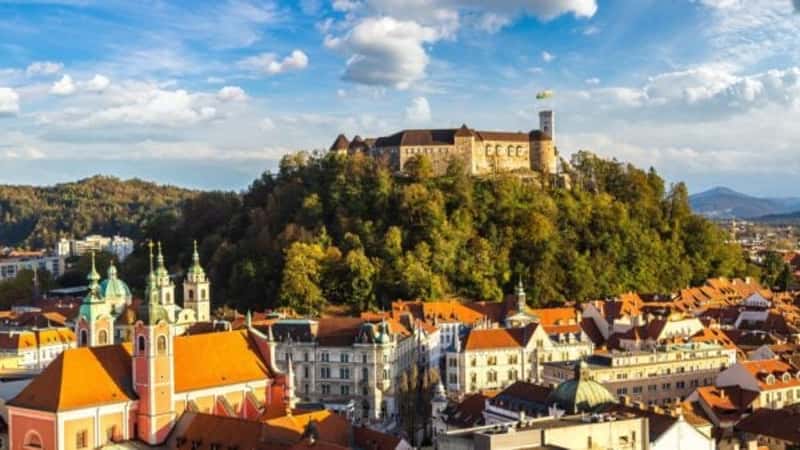
European capital cities typically mean one thing: crowds. Not in Ljubljana. Slovenia’s capital feels like what would happen if you asked an artist to design the perfect mid-sized European city. The pedestrian-only center wraps around a winding emerald river crossed by distinctive bridges, including those designed by beloved architect Jože Plečnik, whose influence on the city rivals what Gaudí did for Barcelona.
Dragon Bridge stands guard at the edge of a vibrant central market, while Ljubljana Castle watches over the scene from its hilltop perch. Cafés line the riverbanks where locals and visitors alike linger over coffee or local wines. Unlike Prague or Vienna, you won’t find yourself battling selfie sticks or waiting in hour-long lines. Instead, you can actually hear the street musicians and have genuine conversations with shop owners who aren’t suffering from tourist fatigue.
Ljubljana gives you that magical European feeling without making you feel like you’re at an amusement park. You can still have spontaneous moments and discoveries here, something increasingly rare in Europe’s more famous capitals.
From Alps to Adriatic in Just Two Hours
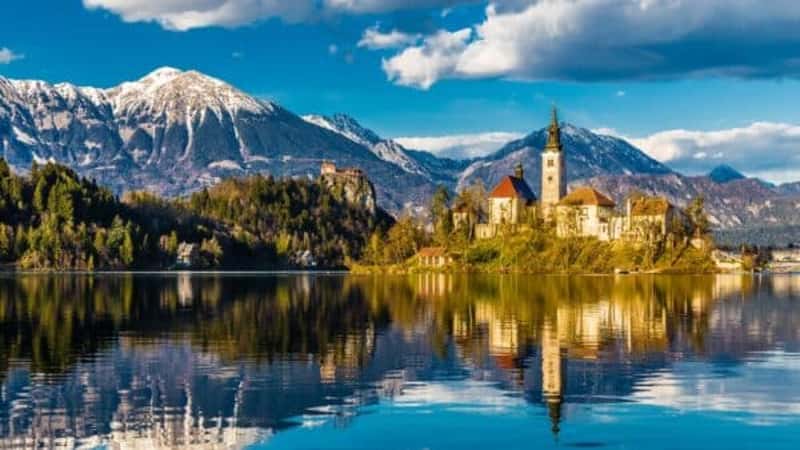
Slovenia’s compact size creates its greatest travel superpower: diversity of experiences within minimal travel time. Where else can you start your day with a sunrise hike in the Julian Alps, explore an 800-year-old castle carved into a cliff by lunchtime, and finish with a sunset swim in the Adriatic Sea?
Lake Bled deservedly appears on postcards with its island church and clifftop castle, but venture just a bit further to Lake Bohinj for equally stunning alpine scenery with a fraction of the visitors. The Soča Valley dazzles with its impossible turquoise river flowing between mountain peaks, while the wine regions of Goriška Brda and Vipava Valley produce world-class wines that rarely make it beyond Slovenia’s borders due to limited production and enthusiastic local consumption.
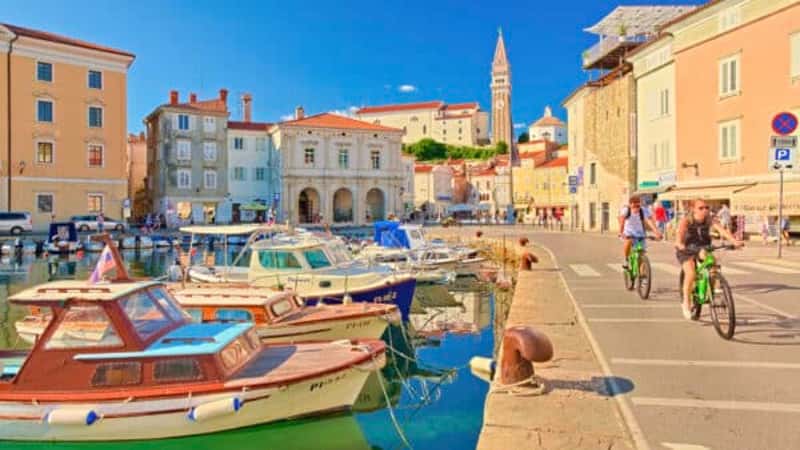
Along the compact 29-mile coastline, picturesque towns like Piran showcase Venetian architecture without Venice’s overwhelming tourism. Experiencing Slovenia is like getting all of Europe’s greatest hits in one small, accessible package. Few places offer such remarkable diversity within such short driving distances.
A Culinary Powerhouse Hiding in Plain Sight

Slovenia’s food scene represents another revelation for travelers. Bordering Italy, Austria, Hungary, and Croatia, Slovenian cuisine has absorbed influences from its neighbors while maintaining distinct traditions. The country’s varied landscapes, from mountains to Mediterranean, provide exceptional ingredients, while a new generation of chefs trained internationally has returned home to showcase Slovenia’s bounty.
Ana Roš, named World’s Best Female Chef in 2017, brought global attention to Slovenia with her restaurant Hiša Franko in the Soča Valley. Yet beyond such high-profile establishments, even humble village restaurants often serve remarkable farm-to-table meals using ingredients sourced within walking distance.
Slovenia’s cuisine is what happens when you combine Italian reverence for ingredients, Austrian precision, Balkan soul, and Hungarian depth of flavor. Plus, their wine regions are producing some of the most exciting natural wines in Europe, often in such small quantities that they rarely make it beyond the country’s borders.
The Cave That Will Make You Believe in Magic Again
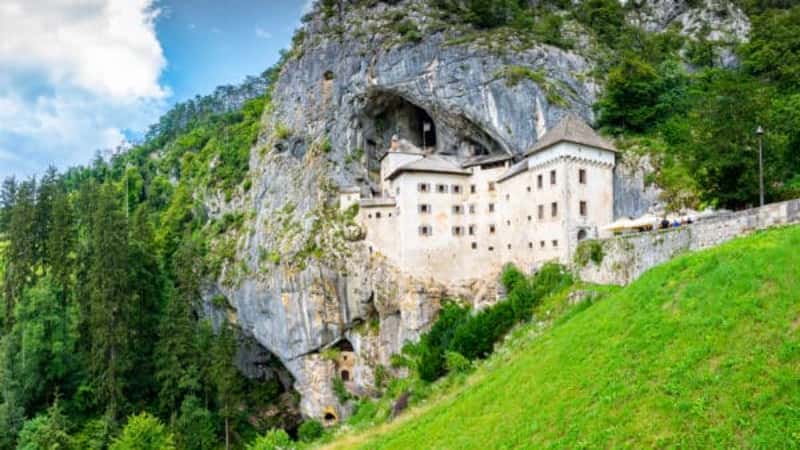
While natural wonders abound throughout Slovenia, none captures the imagination quite like Postojna Cave. This 24-kilometer underground kingdom of spectacular limestone formations has been astounding visitors since 1819. An electric train carries visitors through chambers where stalactites and stalagmites create otherworldly landscapes that feel plucked from fantasy novels.
Nearby, Predjama Castle, built directly into the mouth of another cave, defies architectural logic as it clings to a 123-meter cliff face. Dating from the 13th century, the castle tells tales of knights and sieges that feel entirely believable when you’re standing in its improbable shadow.
These natural wonders reconnect visitors with a childlike sense of wonder. They remind you why you fell in love with travel in the first place, offering genuine awe in an age of over-photographed landmarks.
Outdoor Adventures Without the Alpine Price Tag

Slovenia offers outdoor experiences comparable to Switzerland or Austria at a fraction of the cost. Mountaineers challenge themselves on Triglav, the nation’s highest peak and a symbol so important it appears on the flag. Hikers explore over 10,000 kilometers of marked trails through diverse landscapes. Water enthusiasts find paradise along the Soča River, where emerald waters provide world-class kayaking, rafting, and fly fishing.
Winter transforms the mountains into affordable ski destinations where a day pass costs about half what you’d pay in the French or Swiss Alps. Many visitors report spending less for a week skiing in Slovenia, including accommodations and meals, than just the lift ticket would have cost in more famous Alpine destinations. This affordability extends to accommodations, dining, and activities throughout the country.
Where Sustainability Isn’t Just Marketing

Long before “sustainable tourism” became a buzzword, Slovenia was quietly building its entire tourism strategy around environmental and cultural preservation. The country’s dedication earned it the title of World’s First Green Destination in 2016, with rigorous certification programs ensuring that development doesn’t come at the expense of natural resources.
What makes Slovenia special is that sustainability isn’t a separate program, it’s integrated into everything. From small family farms maintaining centuries-old agricultural traditions to innovative urban planning in Ljubljana, the commitment to balance is evident throughout the country.
This approach ensures that Slovenia remains authentic rather than transforming into a tourism-dependent economy that loses its soul in the process. Travelers benefit from experiences that connect them with genuine local culture rather than staged performances for visitor consumption.
The People Who Make Slovenia Unforgettable

Beyond landscapes and architecture, Slovenia’s greatest asset may be its people. With near-universal English proficiency and a genuine warmth toward visitors, Slovenians create connections that transform good trips into unforgettable ones.
Slovenians have a wonderful combination of Central European efficiency and Mediterranean warmth. They’re incredibly proud of their country but without the nationalism you find elsewhere. They genuinely want to share their homeland with appreciative visitors, often going out of their way to enhance travelers’ experiences.
This openness manifests in unexpected moments: the shopkeeper who closes early to show you a hidden viewpoint, the winemaker who invites you home for dinner after a tasting, or the hiker who adjusts their route to guide you to a special alpine meadow. These human connections often become travelers’ most treasured memories.
When to Go and How to Experience Slovenia
Slovenia rewards visitors year-round, with each season offering distinct pleasures. Summer brings vibrant outdoor cafe culture and festival season to Ljubljana, while alpine wildflowers peak in June and July. Fall transforms wine regions into a photographer’s dream as vineyards blaze with color. Winter offers uncrowded skiing and the magical Christmas market in Ljubljana, while spring brings perfect hiking weather and Easter traditions.
The secret to experiencing Slovenia is to combine the greatest hits with lesser-known spots. Yes, see Lake Bled, but then continue to Bohinj. Visit Ljubljana, but also explore smaller towns like Škofja Loka or Ptuj. That balance gives you both the iconic postcard moments and authentic discoveries that make travel meaningful.
With direct flights increasing from major European hubs and excellent road connections to neighboring countries, Slovenia has never been more accessible. The introduction of the Julian Alps Hiking Trail and other newly developed routes makes it easier for first-time visitors to craft memorable itineraries.
The Final Word: Go Now, Before Everyone Else Does

Every traveler has experienced it: that bittersweet moment when a once-authentic destination appears on too many “hot list” features and suddenly transforms. Slovenia currently exists in that precious window, sophisticated enough to offer excellent infrastructure and experiences, yet still untouched by mass tourism’s homogenizing effects.
Veteran travelers often describe Slovenia as what other European destinations were like 30 years ago, before overtourism changed them. It still has that magical quality where you feel like you’ve discovered something special rather than just checking off another Instagram spot.
For travelers seeking authentic European experiences, combining natural beauty, cultural richness, culinary excellence, and human connection, Slovenia offers an increasingly rare proposition: a destination that exceeds expectations while still feeling like a personal discovery. The only question is whether you’ll visit before the secret gets out.