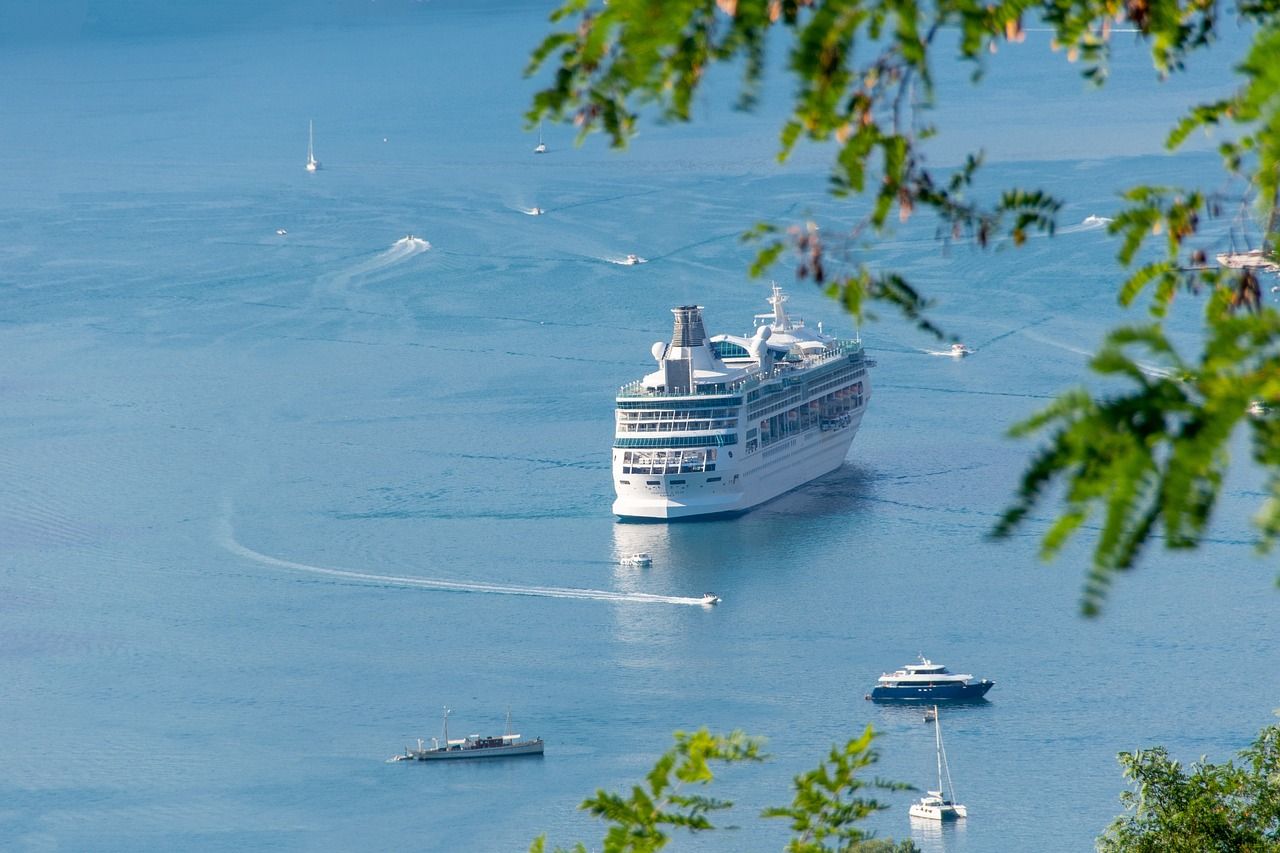
A U.S. cruise ship on a residential world voyage suspended its operations in Cambodia because of fuel costs, forcing hundreds of passengers to leave their floating homes.[1] The ship is the Villa Vie Odyssey. It was sold as a way to live and travel at sea for years at a time, not as a holiday with a return date.
Some of the details are still unsettled, including exact resident numbers and the date of the notice, and the company’s future is uncertain. The core facts are consistent across Reuters, AP, CNN and trade outlets. This article sticks to what those reports support.
A Voyage Designed Never to End
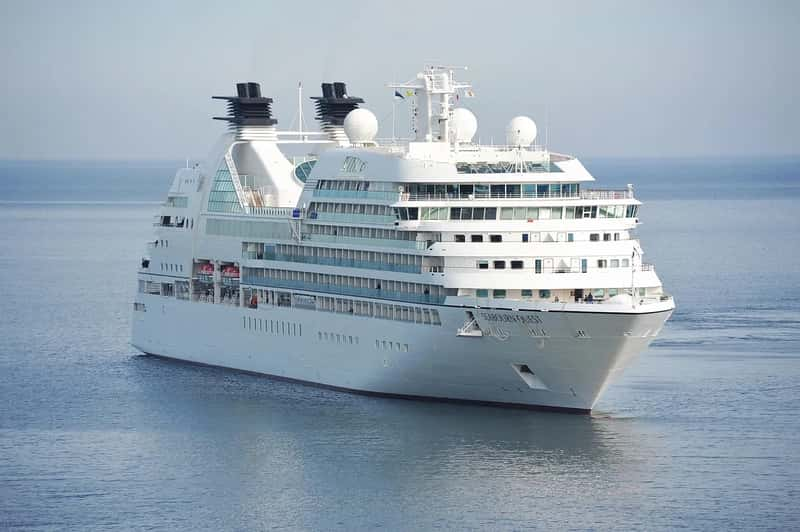
The Villa Vie Odyssey is a former Fred. Olsen Cruise Lines vessel that was repurposed as a residential ship.[2] Its long-term world voyage began from Belfast in October 2024.[2] According to the operator’s website, it sails continuously around the globe and offers residents visits to more than 400 destinations.[3]
Passengers could commit to long stays. The cruise line offers lifetime and five-year residency options.[3] Reuters reported that the ship had been cruising for at least 755 days, as one of only a handful of vessels offering long-term or even permanent residences on board.[4]
The Fuel Numbers Behind the Collapse
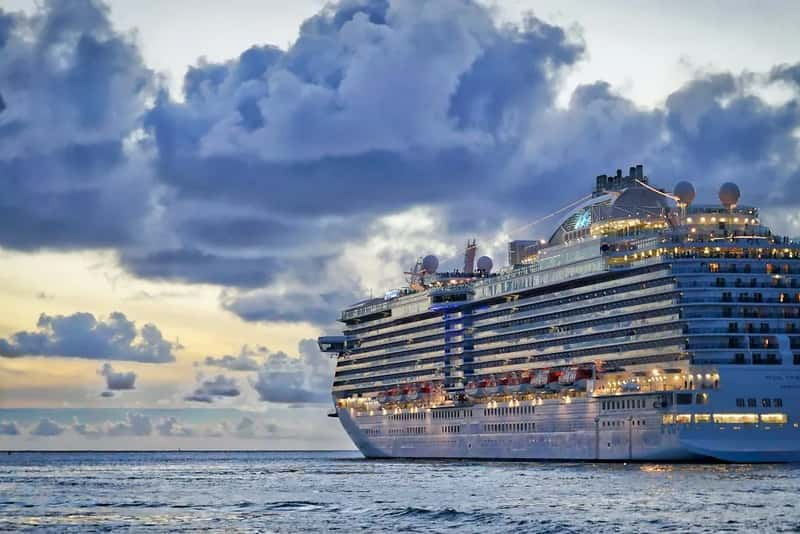
The company points to a sharp jump in what it pays for fuel. Monthly fuel expenses per cabin, which historically averaged $1,800, reached an estimated $6,000 to $8,000 in parts of Asia.[5] That is an increase of as much as 344 percent.[6]
The figures come from the operator, not from an independent audit. Even so, they are the basis on which the company made its decision, and major outlets have repeated them with attribution. Bloomberg noted that Villa Vie claims fuel has as much as quadrupled in price since the Iran war began.[7]
Why the Iran War Hit Asia So Hard
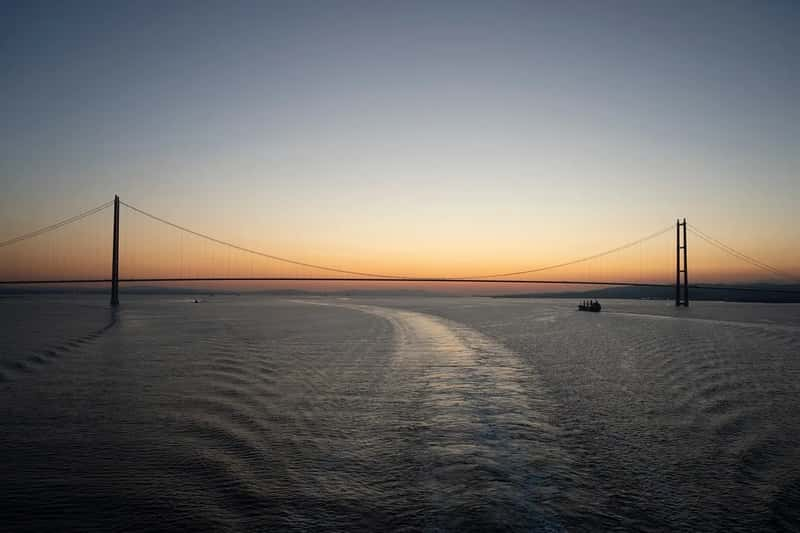
The company blames the conflict with Iran. It said the conflict began in late February and has disrupted energy markets and shipping operations worldwide.[6] Traffic through the Strait of Hormuz has been curtailed since the war began, squeezing supplies of petroleum-based fuels, especially in Southeast Asia, and sharply raising prices.[5]
Geography made the Odyssey especially exposed. CNN noted that Asia is a heavy importer of energy from the Middle East.[8] A ship that spends months in the region has few options for buying fuel elsewhere at a better price.
Slowing Down Wasn’t Enough
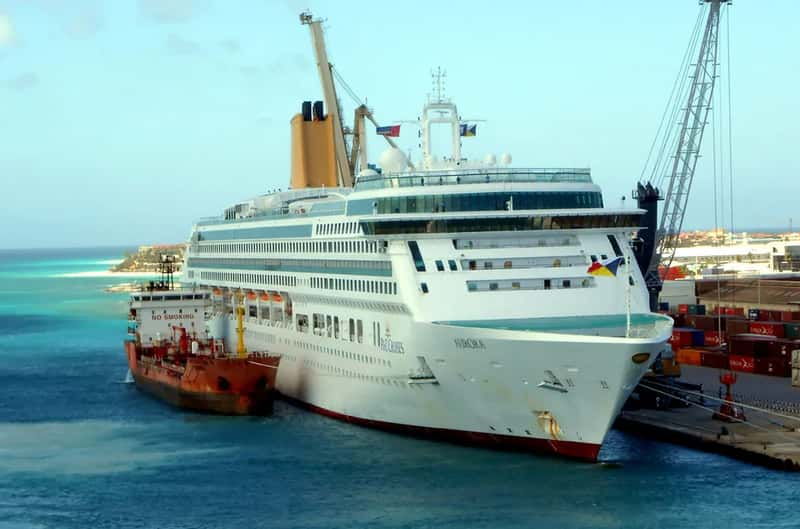
The operator says it tried to adapt before shutting down. It said it took significant steps to reduce fuel consumption, including slowing the itinerary and spending more time in port.[8] Slower sailing burns less fuel, and longer port stays cut the hours spent under way.
Those measures fell short. The company said they did not offset the extraordinary increase in fuel costs and that it could not keep carrying the resulting operating losses.[8] It added that passing the full increase on to residents was not a realistic solution.[3]
Money Problems Before the Final Notice
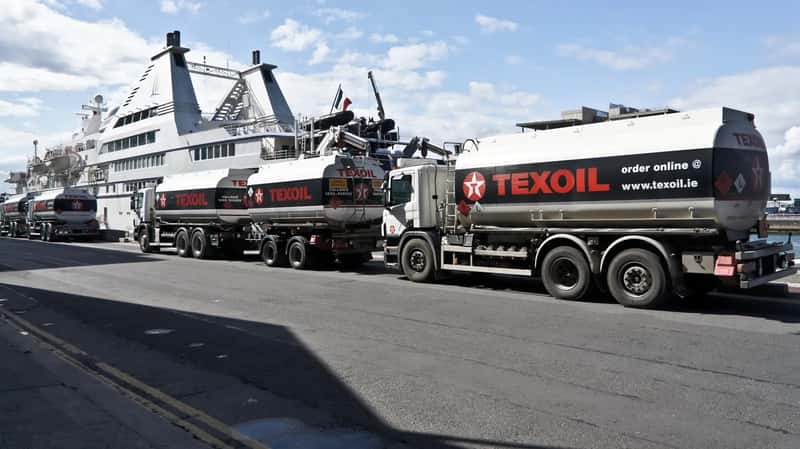
The shutdown followed earlier fundraising efforts. Cruise Industry News reported that Villa Vie had asked residents for financial contributions, including a recent request for $360,000 to cover fuel.[6] In April, the company reportedly offered residents an emergency loan opportunity seeking $3 million, with interest rates from 12 to 24 percent.[6]
Some residents had also raised concerns before the end. Cruise Hive reported that residents had noticed service decreases and what appeared to be poor management of the operation in recent months.[9] Those are resident perceptions, not findings, and the company has not responded to them in the sources reviewed here.
Conclusion
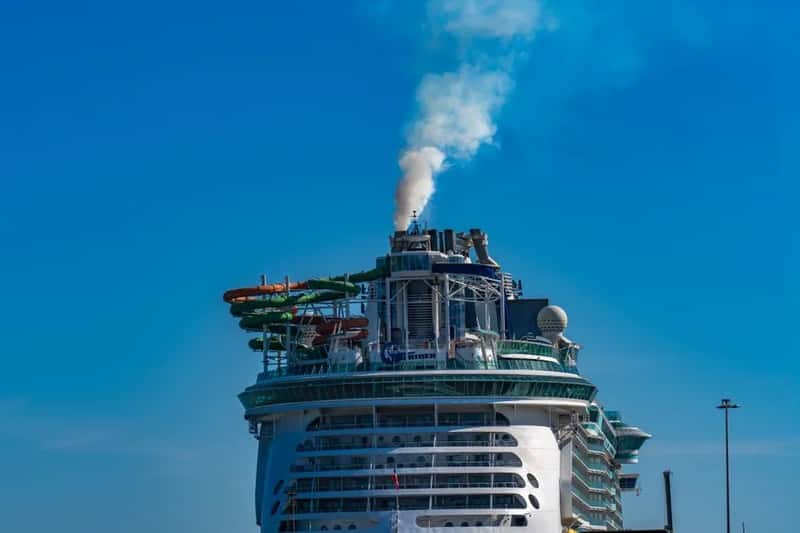
The Odyssey’s story shows how exposed a fixed-price lifestyle product is to a fuel shock. Residential ships rely on a smaller, fairly fixed base of residents and a complex financing model, which leaves less buffer when a core expense multiplies.[12] Larger operators feel fuel swings too. Carnival’s filings indicate that a 10 percent change in fuel cost per metric ton would reduce its 2026 net income by $156 million, versus $57 million for Royal Caribbean.[13] Resorts World Cruises has begun charging up to $25 per guest per day to offset fuel costs.[14]
For the people who lived aboard, the outcome is more personal than any market analysis. A home that was supposed to keep moving has stopped in a port they didn’t choose, and its restart depends on financing that hasn’t been confirmed.