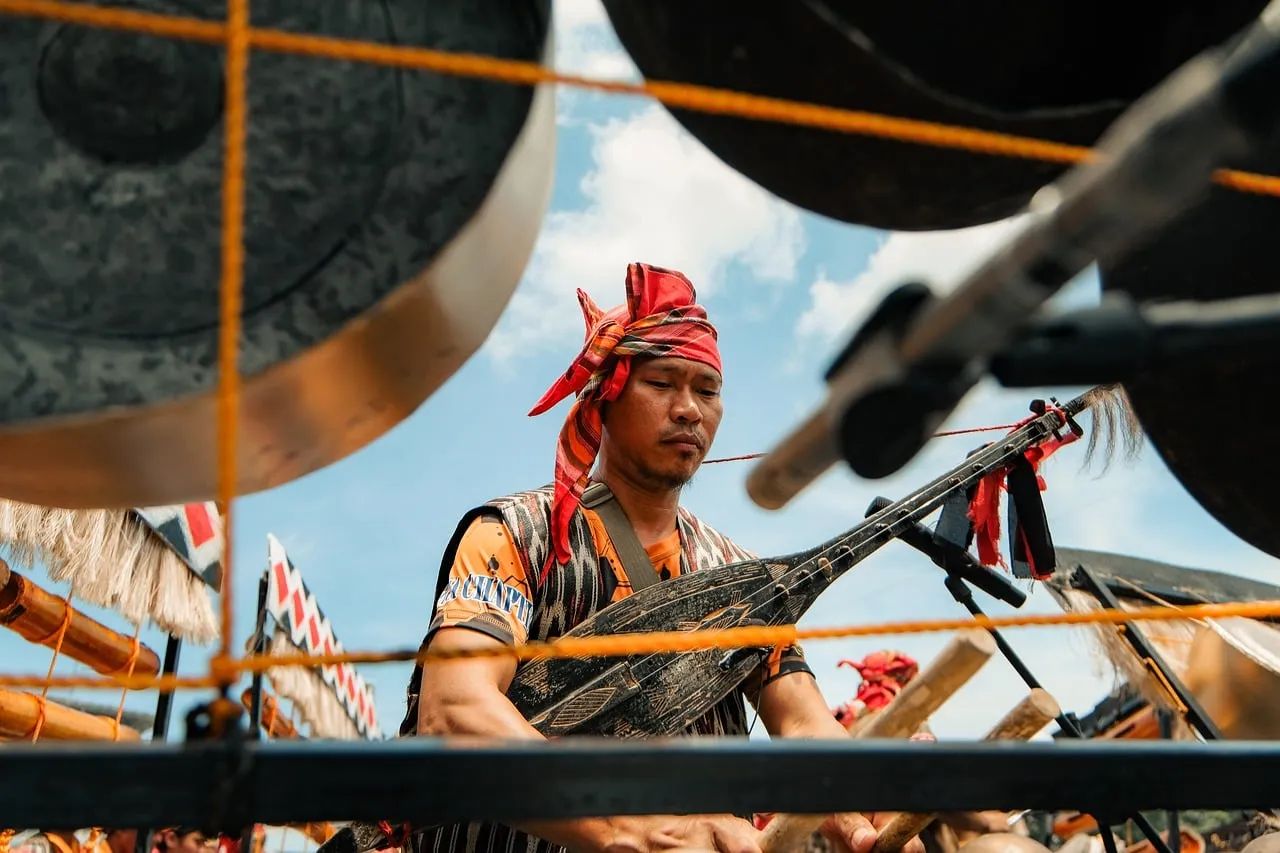
Few festivals in the Philippines combine a Catholic feast with such a loud street party. Each January, the Ati-Atihan Festival fills the streets of Kalibo, the capital of Aklan province on Panay Island, with drumbeats, tribal-inspired costumes and dancers whose faces are blackened with soot. Celebrated on the third Sunday of January in Kalibo, Aklan, Ati-Atihan is known as the “Mother of All Philippine Festivals”. The main day for 2027 is expected on Sunday, 17 January ([1]).
A religious feast with a street-party heartbeat
The contrast is the first thing most visitors notice. The Ati-Atihan Festival blends local traditions with Christian themes, honoring the Santo Niño (the infant Jesus) and commemorating Panay Island’s original inhabitants, the Atis. Spanish missionaries later folded the Santo Niño image into the celebration, and the event took on its present form over centuries.
The body painting is the element that draws the most questions. Earlier accounts sometimes described it as blackface, but it was done to mimic their appearance, and the festival is presented as a way of honoring the Ati people and the Santo Niño together. Visitors who understand that background tend to see the costumes as a tribute rather than a costume party.
Dancing, processions and a healing ritual
The celebration is not a single event. Its religious and social threads run side by side through the week, and the schedule rewards people who plan around both.
- Everyone, not only the competing groups, is allowed to crowd the principal streets of Kalibo to dance nonstop for several days.
- Locals display their ingenuity in making colorful towering figures made of paper mache, bamboos or other indigenous materials in the Higante Contest.
- Devotees attend open-air masses, process with Santo Niño images, and practise the Paapak healing ritual.
The festival ends with a large procession. It ends with a procession of thousands of people carrying different kinds of images of Santo Niño. That closing walk gives the street dancing a quieter, more reflective finish.
Reading the calendar
Dates matter more than usual this year. One travel guide places the 2027 dates at 15 to 17 January, while the main day itself remains the Sunday. The schedule below reflects how the days are generally described in published guides.
| Day | What to expect |
|---|---|
| Friday, 15 January | Peak days are the third Sunday of January and the preceding Friday and Saturday. |
| Saturday, 16 January | Peak crowds and street dancing continue ahead of the final day. |
| Sunday, 17 January | Concluded every 3rd Sunday of January with a High Mass to kick off the final day of merrymaking and procession. |
Official confirmation is still pending in at least one respect. One guide notes that the Kalibo municipality has not yet published the 2027 calendar. A separate report says the preparations are already moving forward, with an official opening salvo set for November 8, 2026.
Getting there and pairing the trip with Boracay
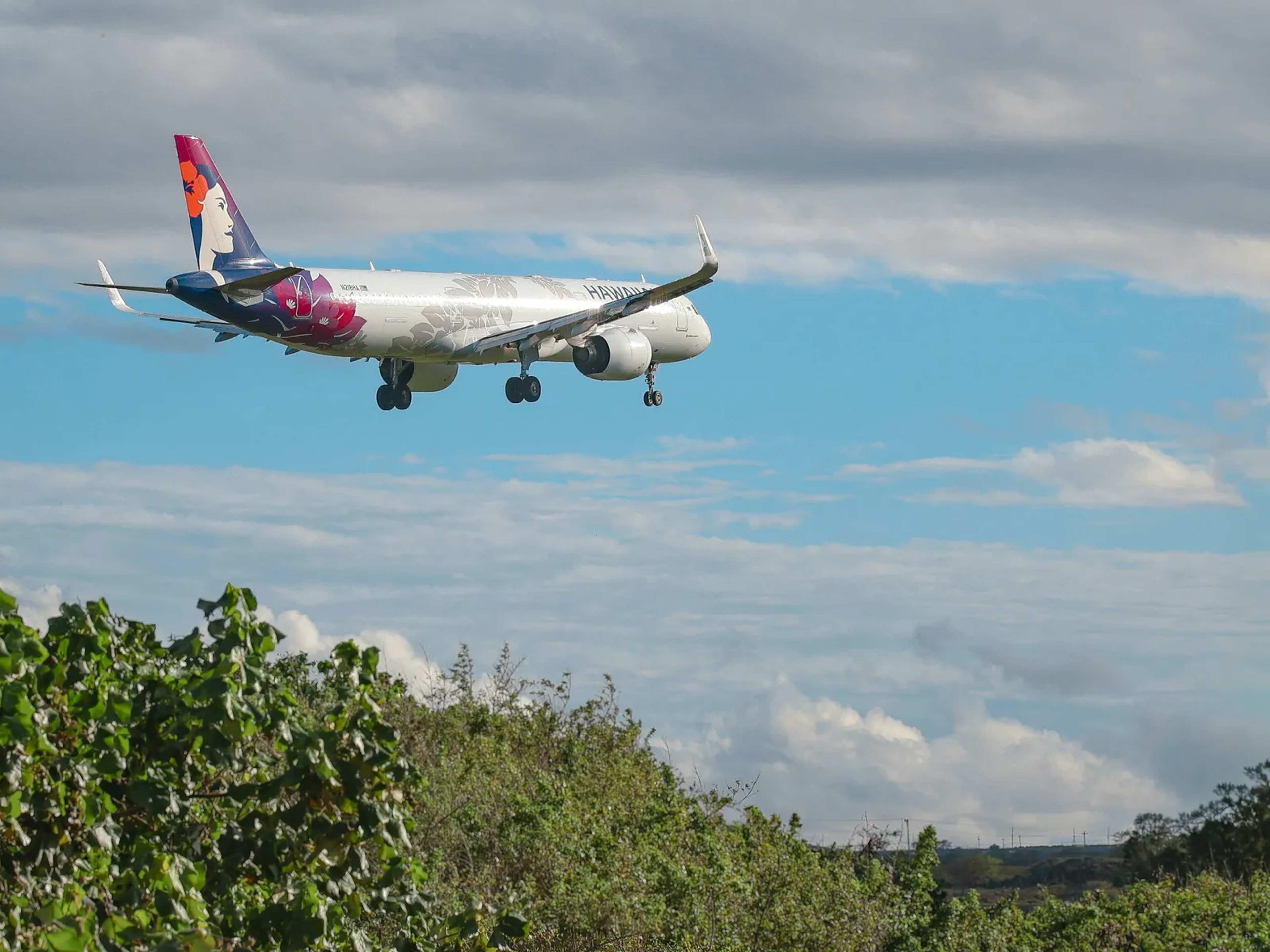
Most travelers reach the festival by air. Flights from Manila land at Kalibo International Airport, which is close to the center of town. Kalibo International Airport sits 2 km from the town centre, so the walk to the festival streets is short.
Many visitors plan to continue to Boracay afterward, and the festival period can make that transfer more complicated. Guides note that the festival peak days shut down Kalibo, and one预测 suggests that the road between Kalibo and Caticlan may face heavy traffic in 2027. Travelers who want both experiences should build in extra time for transfers, especially on the weekend.
A festival worth planning around
The Ati-Atihan remains one of the Philippines’ most recognizable cultural events, and its appeal lies in how old traditions still shape the modern street scene. Anyone heading to Kalibo in January 2027 should keep flexible dates, confirm the official program once the municipality publishes it, and approach the celebration with an understanding of its religious roots.