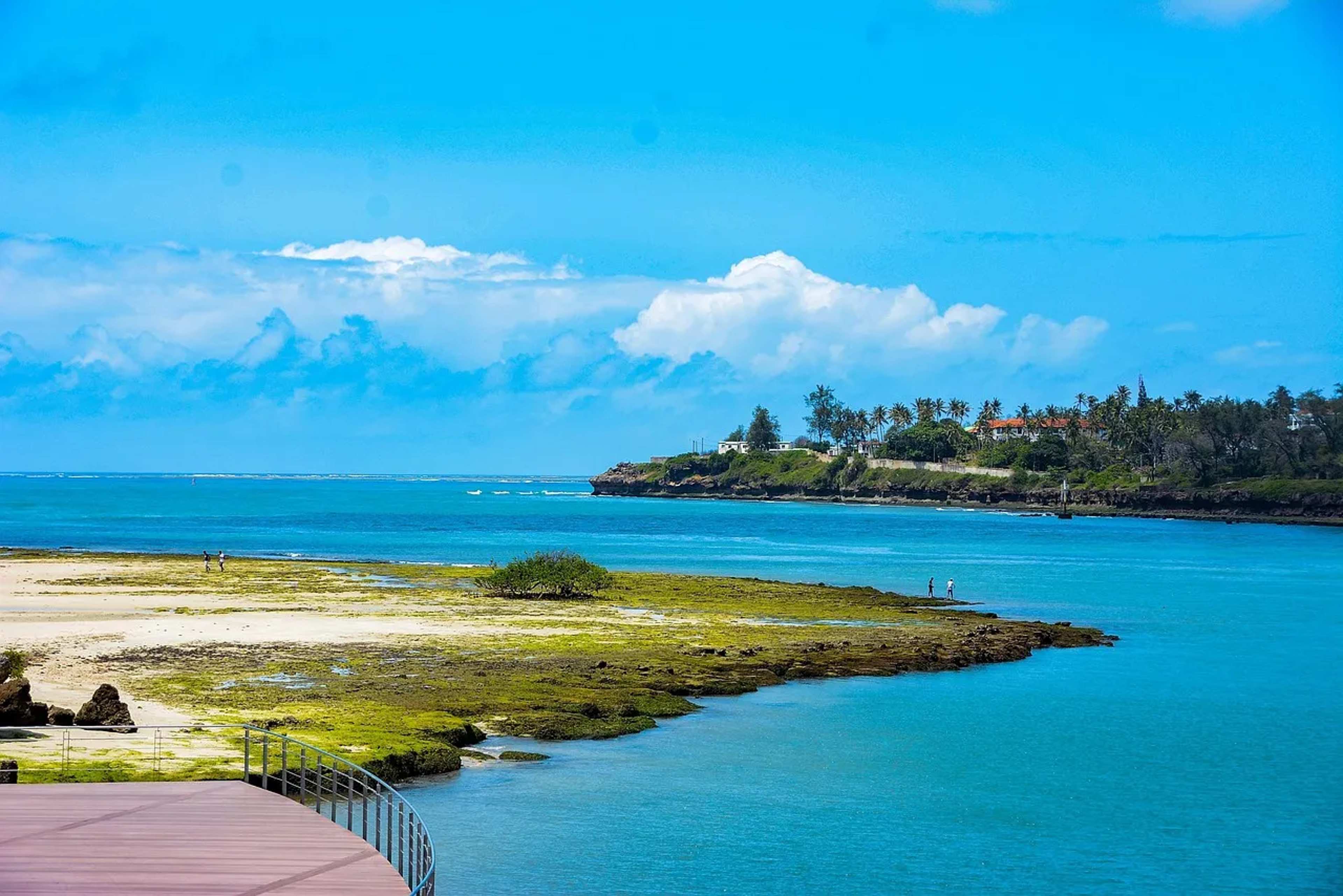
Few places in East Africa carry as much ecological weight as Kenya’s northern coast. Lamu and Tana River counties form a biodiversity hotspot where the country’s longest river meets the Indian Ocean, and the people who protect its marine and land habitats often pay a price for doing so. Raabia Hawa is one of them. Her work, which has drawn threats from the militant group al-Shabaab, is now being recognized with a major conservation prize, according to a Mongabay report [1]. ([1])
From the newsroom to the mangroves
Hawa did not begin her career in conservation. She worked as a broadcast journalist and later as a Montessori teacher before becoming an environmental defender. In 2014 she founded the Ulinzi Africa Foundation, and the name means “the defenders” in Swahili. The organization started with frontline ranger patrols aimed at elephant poaching and other wildlife crime.
Over time the foundation’s agenda widened. It now confronts illegal industrial bottom-trawling, which damages seabeds and depletes fish stocks, and it supports local communities that resist extractive mining concessions. Hawa’s focus on areas that official conservation bodies have largely overlooked has become the foundation’s defining feature.
Threats near the Somali border
Operating close to the Somali border exposes the foundation to serious political insecurity. Hawa has spoken out against environmental destruction, and that stance has brought death threats. Al-Shabaab has also designated her as a target, a danger that shapes how she and her team move through the region.
The foundation has nonetheless kept working on limited resources. Ulinzi has relied heavily on volunteer support from Hawa’s family rather than large institutional funding. That arrangement makes the organization’s survival a matter of personal commitment as much as financial planning.
Three fronts in the fight for the coast
Hawa’s work now spans several overlapping challenges. Among them:
- Anti-poaching patrols that protect elephants and other wildlife
- Efforts to counter illegal industrial bottom-trawling by fishing vessels
- Support for rural women who oppose mining companies seeking concessions
Hawa has said that the gap between global biodiversity targets and conditions on the ground remains wide. Commitments made in international forums rarely reach the villages and waters where frontline defenders operate. She has argued that local women and community groups need to be part of the response, not only its audience.
What the award means for the coast
Hawa was in London to receive the 2026 Tusk Award for Conservation in Africa. The prize provides Ulinzi with three years of funding, a commitment that could allow the foundation to plan beyond short-term grants. For a group that has operated on a shoestring, that stability carries practical weight.
Hawa has dedicated the award to her father, Abdul Kadir Hawa, whom she credits for her success. The recognition shines a light on a stretch of Kenyan coastline that rarely draws international attention. Whether the funding and visibility translate into lasting protection for Lamu and Tana River will depend on how the foundation navigates the threats it continues to face.