Southwest Airlines took an unusual step this spring to keep its West Coast operations running smoothly. The Dallas-based carrier chartered a vessel to carry jet fuel from Texas all the way to Los Angeles, a move it had never made before in its history. The decision came at a moment when fuel markets were rattled and West Coast supplies looked especially fragile.
Southwest Airlines hired a ship this spring to send jet fuel from Texas to California, where prices are much higher and concerns had grown about supply, CFO Tom Doxey told CNBC. It was a first for the Dallas airline. The episode offers a window into just how strained fuel logistics became after tensions flared in the Middle East earlier this year.
A Ship Instead of a Pipeline
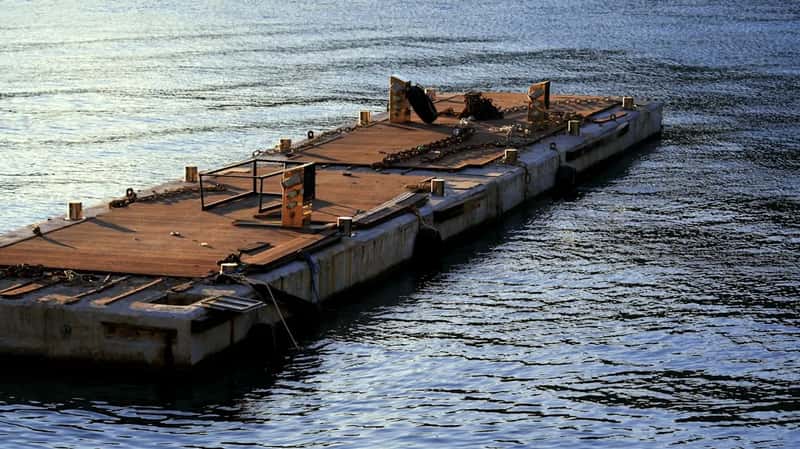
Rather than relying on the usual pipeline and trucking networks that typically move fuel around the country, Southwest turned to maritime shipping, something airlines rarely do domestically. Southwest Airlines sent a barge with 12.6 million gallons of jet fuel through the Panama Canal to Los Angeles this spring in case of fuel shortages. That route, while longer than a direct coastal path, allowed the company to move a large volume of fuel in a single trip.
Southwest Airlines chartered a ship this spring to move jet fuel from Texas to California, where prices were higher and supply concerns had intensified, a first for the airline, Chief Financial Officer Tom Doxey told CNBC. It’s a striking illustration of how a domestic airline, one built on point-to-point flying and low costs, found itself reaching for an option normally associated with international energy trading rather than routine fuel logistics.
The Journey From Houston to LAX
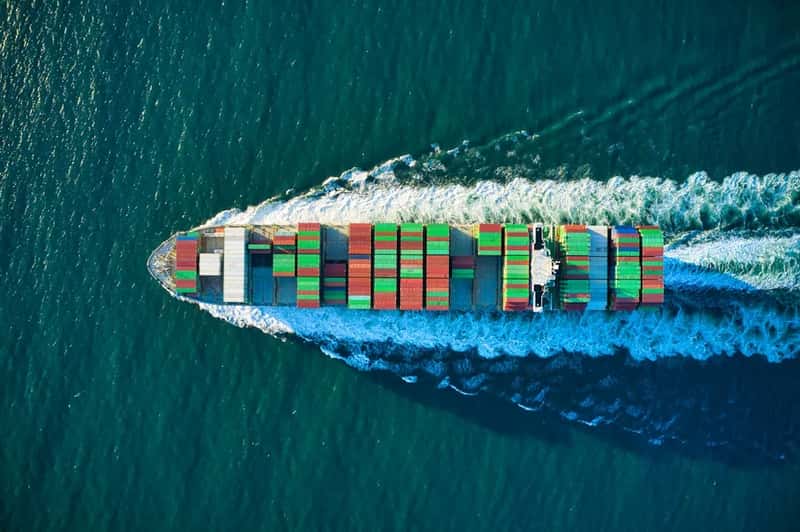
The specifics of the voyage give a clear sense of scale. The ship, which left from Houston and went through the Panama Canal, arrived May 28 in Los Angeles and had about 12.6 million gallons aboard, Southwest said. That’s a substantial cargo, even if it represents only a sliver of what the airline burns through in normal operations.
For context, Southwest used 564 million gallons of jet fuel in the last quarter. Put another way, it was carrying 12.6 million gallons, representing around 2.23% of the 564 million gallons used by Southwest in Q2. Small as that share sounds, it mattered a great deal at the specific moment the shipment arrived.
Why California Needed the Extra Supply

California’s fuel market operates differently than much of the rest of the country, and that difference became painfully clear this year. The West Coast is much more reliant on imports than other parts of the country. When global supply chains wobble, that reliance turns into a real vulnerability rather than just an abstract statistic.
The need to ship fuel to California from elsewhere reportedly arose from the fact that, amid the ongoing fuel crisis, the Golden State was an area where there were particularly high levels of concern regarding supply. This had also driven prices to much higher levels than elsewhere, due to the West Coast being more reliant on foreign fuel imports. Doxey didn’t mince words about the timing either. “It brought like a week’s supply to the West Coast at a time when supply was most constricted… when it was most at risk,” Doxey said.
The Iran Conflict’s Ripple Effect on Fuel Markets

None of this happened in a vacuum. Jet fuel prices spiked and have been volatile since the U.S. and Israel struck Iran in February. The conflict disrupted shipping lanes and rattled traders who worried about broader supply disruptions across the region.
Worries about supplies intensified as countries restricted exports this year, fearful of running low on fuel. By April, the pain was already showing up in everyday numbers. The average price for a gallon of jet fuel in Chicago, Houston, Los Angeles and New York was $4.81 on Tuesday, up from $2.50 the day before the war started, according to Argus Media.
The Jones Act Waiver That Made It Possible

Under normal circumstances, Southwest’s plan wouldn’t have been legal at all. For the shipment to California, the airline said it used a waiver of the Jones Act, a law from 1920 that requires shipments between U.S. ports to be carried on a U.S. ship. That century-old statute exists to protect American shipbuilding and maritime labor, but it also limits the pool of vessels available during emergencies.
Southwest secured a Jones Act waiver to make the move possible, that 1920 statute ordinarily mandates that any cargo transported between domestic ports must sail aboard a U.S.-flagged ship. Without that temporary exemption, chartering a foreign-flagged tanker for a Houston-to-Los Angeles run simply wouldn’t have been an option, no matter how urgent the need.
A Costly Quarter for Southwest’s Bottom Line
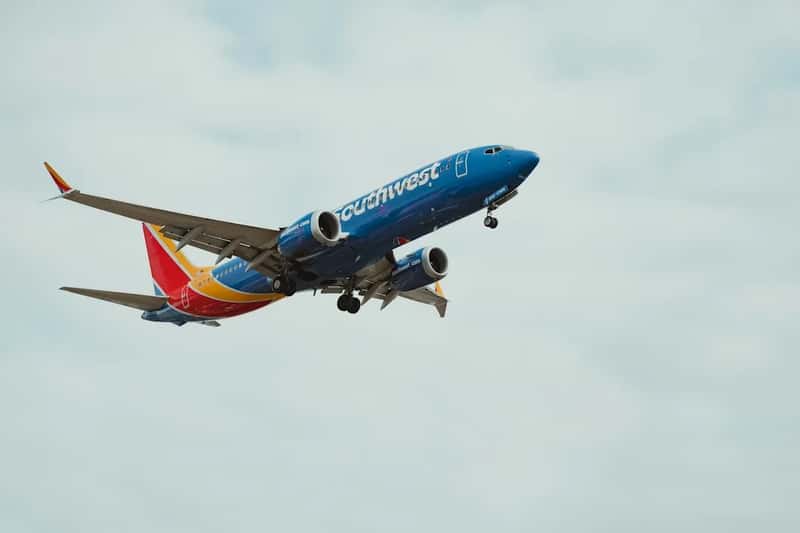
The seaborne fuel run was a clever workaround, but it didn’t erase the financial damage from months of volatile pricing. Southwest said Thursday that its fuel expenses were up nearly $900 million in the second quarter from last year. That’s a staggering jump for a single line item on a quarterly earnings report.
Among airline operating costs, only labor exceeds jet fuel. That fact alone explains why even modest price swings can swing an airline’s profitability dramatically, and why a week’s worth of West Coast supply was worth chartering an entire ship over.
How the Broader Airline Industry Is Coping
Southwest wasn’t alone in feeling the squeeze. United Airlines, which flies more internationally than any other U.S. carrier, said last week it is relying on the latest available fuel prices for its quarterly estimates because of the volatility. The airline said jet fuel added $575 million in costs, or a $1.12 hit to adjusted earnings per share, for the third quarter alone. That kind of uncertainty is forcing finance teams across the industry to rethink how they even forecast earnings.
The industry-wide numbers paint an even starker picture. The International Air Transport Association now expects combined industry net profit to fall to $23 billion in 2026, down from $45 billion in 2025, as jet fuel prices average around $152 per barrel this year. North American airlines are forecast to earn $9.4 billion, compared with $12.4 billion in 2025. Those figures underscore just how much of an outlier this year has been for carriers used to relatively stable fuel costs.
Why Airlines Stopped Hedging Fuel Costs

Part of what made this year’s price spike so painful is that most U.S. carriers had walked away from a tool that once protected them from exactly this kind of shock. U.S. airlines have abandoned fuel hedges, which help them lock in costs through futures contracts, over the past decade or so as the U.S. was awash in supply, keeping a lid on prices. That decision made sense during years of abundant domestic production, but it left carriers more exposed when the Iran conflict upended global markets.
Over the past ten years or so, U.S. airlines largely stopped using futures contracts to hedge against fuel price swings, a strategy they felt less urgency to maintain when domestic supply was plentiful and prices remained relatively stable. Southwest’s ocean shipment, in a sense, became a substitute for the hedging strategy the industry had largely set aside, a physical rather than financial way of managing risk when it mattered most.