Every cruise ship pulls into port with the same scene waiting on the dock: a row of booths, laminated signs, and reps promising “today only” deals on snorkeling trips and bus tours. It feels official. It feels safe. So thousands of passengers hand over a credit card without asking a single question.
Here’s what that booth doesn’t want you thinking about: the exact same boat, the exact same guide, sometimes the exact same tour bus, is often booked through someone else down the street for a fraction of the price. The gap between the cruisers who know this and the ones who don’t can run into hundreds of dollars by the end of a single week at sea.
The Booth on the Dock Isn’t Your Only Option
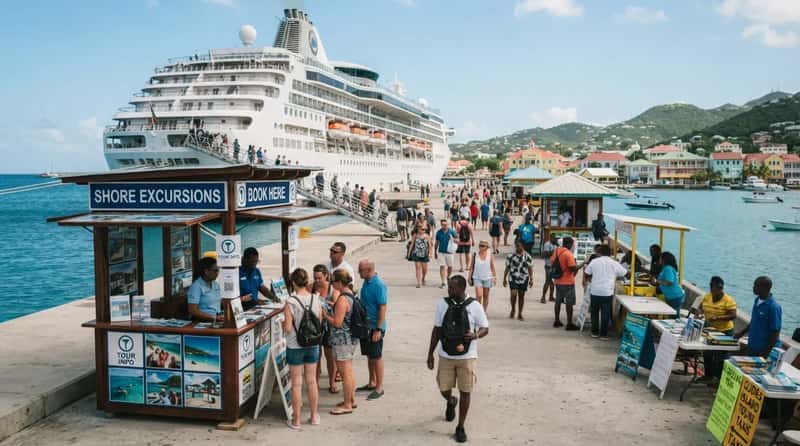
Most first-time cruisers assume the excursion desk on the ship, or the booth waiting at the pier, is the only legitimate way to book a tour. It isn’t. Your cruise line sells excursions through a partner provider, but independent operators and third-party sellers offer the same experiences on their own terms.
That one fact changes everything about how a smart port day gets planned. The same snorkeling trip, the same walking tour, the same jungle hike is frequently available through more than one seller, at more than one price. Nobody mentions that at the gangway, and that’s exactly the point.
The Markup Nobody Puts on the Brochure
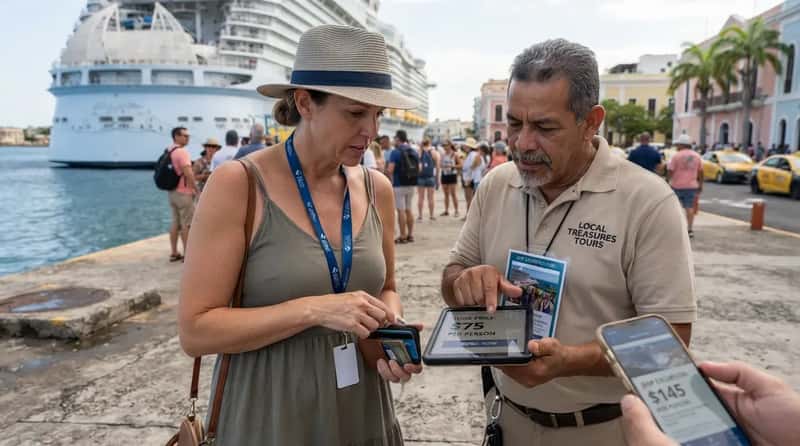
Here’s the number that should make every cruiser pause before tapping “book” on the ship’s app: the cruise line’s cut can run as high as 50% on a same-day excursion. That’s not a rounding error. That’s half of what you paid going straight to the cruise line instead of the guide standing in front of you.
Commission structures vary by line and by contract, but the pattern holds up everywhere. Ship excursions are generally pricier because they carry the cruise line’s operational costs on top of a steep markup, while booking directly with a local operator or a third-party platform often runs 10% to 40% cheaper. Multiply that across a week-long cruise with a family of four, and the savings stop looking small.
Juneau’s Whale-Watching Tour Is the Perfect Example
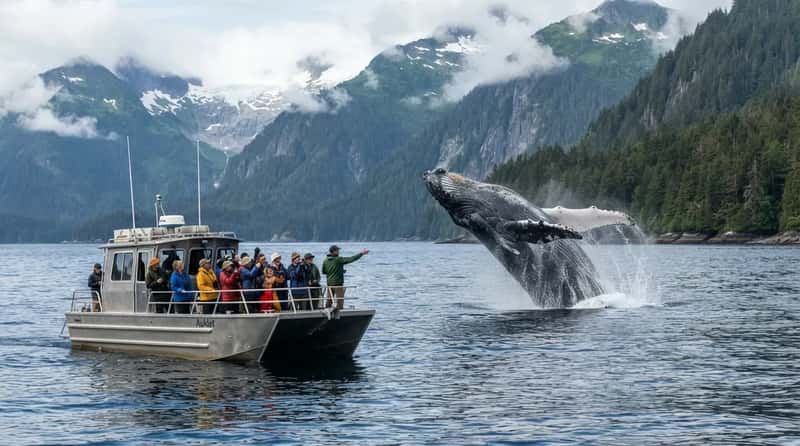
Numbers land harder than percentages, so look at Alaska. A whale-watching trip booked through the cruise line in Juneau can run $215 to $265 and pack 50 or more people onto the boat. That’s a crowded rail and a premium price for the same stretch of ocean everyone else is staring at.
Book the identical style of trip through an independent operator, and the math flips. A comparable small-group tour often runs around $199, caps out at 18 guests, and includes direct access to a marine naturalist. Fewer people crowding the rail, a lower price, and arguably a better trip. That’s not a coincidence, and it’s the whole argument for skipping the ship’s markup on wildlife tours specifically.
Quick Compare
- Ship-booked tour: $215–$265, boat holds 50+ passengers
- Independent tour: around $199, capped at 18 guests
- Independent perk: direct access to a marine naturalist
- Same water, same whales, noticeably less crowding
The Myth That the Ship Won’t Wait for You
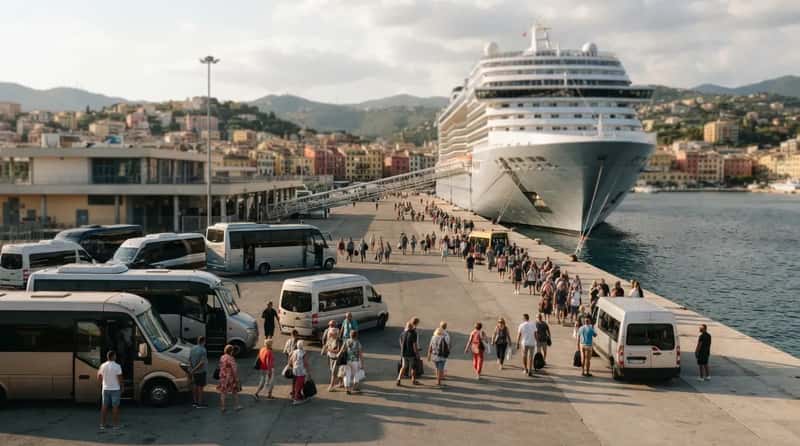
Cruise lines lean hard on one line to keep you booking through them: go independent, and you’re on your own if something runs late. It’s technically true, but the fear gets oversold for tours that follow the same clock as the ship.
Cruise lines often warn they can’t guarantee your return unless you book through them, yet independent bookers are frequently on the exact same tour as ship-booked guests, timed around the same departure. Guides and drivers in tourist-heavy ports are trained around ship schedules whether or not the cruise line takes a cut. The real risk isn’t the tour itself, it’s picking an operator with zero relationship to your ship’s timetable at all.
The One Perk You Give Up Going Independent
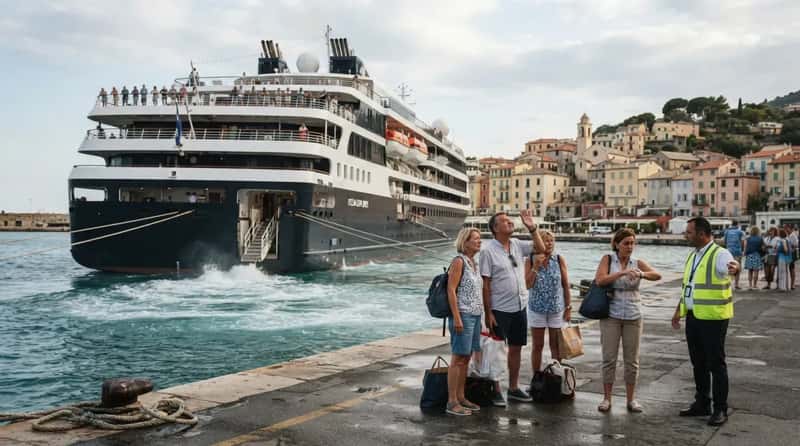
There’s one benefit that’s genuinely real, and worth understanding before you decide anything. When you book a shore excursion through the cruise line, the line guarantees that if your tour runs late, the ship will wait, and if it can’t wait, the cruise line arranges your return at no extra cost.
That protection vanishes the moment you step off on your own. The ship will not wait for any guest touring independently, since getting back on time becomes entirely your responsibility. This is the single biggest trade-off in the whole decision, and it’s exactly why “always book independent” is the wrong rule. The smarter move is knowing which port days actually need that guarantee.
The Middlemen Built Specifically to Beat the Ship’s Price

Once you know the cruise line isn’t the only seller, the next question is where to actually book. A handful of platforms exist purely to undercut ship pricing while keeping the same safety-conscious scheduling. Shore Excursions Group is one example, offering a curated collection of tours that are often smaller, more creative, and noticeably cheaper than what the ship sells.
The savings aren’t marginal. SEG estimates savings of 20% to 40% on most tours compared to booking through the ship. Some of these platforms even copy the ship’s safety net, offering their own return-to-ship guarantee and a full refund if the ship misses port entirely. That single feature closes most of the gap that used to make ship booking the automatic “safe” choice.
Fast Facts
- Typical savings versus ship pricing: 20% to 40%
- Many third-party platforms offer their own return-to-ship guarantee
- Full refunds if the ship skips the port entirely
- Tours are often smaller and more specialized than the ship’s version
The Refund Trap Hidden in the Fine Print
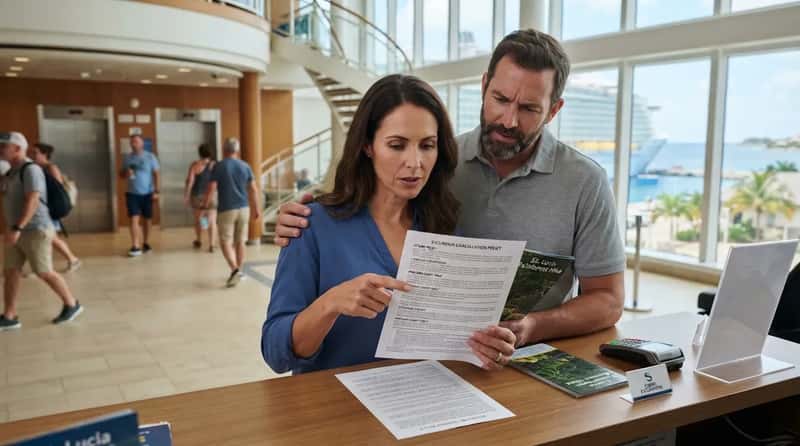
Here’s a detail almost nobody reads until it’s too late: cruise line refund policies are stingier than most passengers assume. Cancellation windows typically run 3 to 30 days before embarkation, which doesn’t leave much room for changed plans, and refunds usually land as onboard credit instead of cash back to your card.
A canceled excursion doesn’t put money back in your pocket. It puts a credit toward spending more on the ship. Independent sellers frequently beat this too, with some operators offering full refunds for cancellations up to 7 days before the tour date. If your plans are even slightly uncertain, that flexibility alone can be worth more than the ship’s guarantee.
Quick Compare
- Ship cancellation window: 3 to 30 days before embarkation
- Ship refund type: usually onboard credit, not cash
- Independent cancellation window: full refunds up to 7 days before the tour
- Independent refund type: often goes back to your original payment
Where the Ship’s Premium Is Actually Worth Paying

None of this means independent booking wins everywhere, and pretending otherwise would be dishonest. In smaller, more offbeat ports across Africa, Asia, the Middle East, and South America, limited tourism infrastructure can create real obstacles with transportation or reliable guides. A cruise line tour guarantees you’ll actually use your sightseeing time instead of fighting logistics.
Distance matters just as much as location. A tour that drives two hours inland to a ruin or a rainforest carries real risk of traffic or delay, and the ship’s promise to wait is worth the extra cost when missing the boat is a genuine possibility. If your port day involves a long transfer or a remote reserve, this is exactly when the premium buys real peace of mind, not just convenience.
Skip the Tour Entirely in These Ports
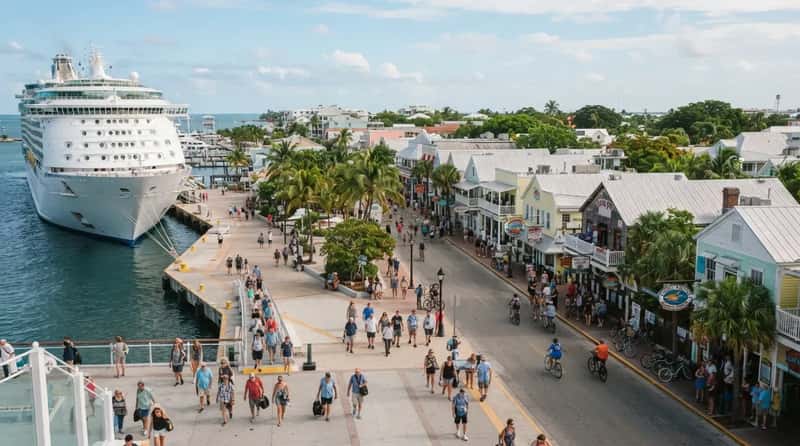
The most overlooked money-saver isn’t a cheaper tour. It’s realizing you don’t need one at all. In plenty of ports of call, you can walk off the ship, stroll straight into town, or catch a quick cab, no booking required.
Experienced cruisers have proven this works well in specific spots like Key West, Florida, Tallinn, Estonia, Monaco, Nassau in the Bahamas, Skagway, Alaska, Geiranger, Norway, and San Juan, Puerto Rico. These are walkable, tourist-friendly towns where a map does the job an organized bus tour would charge you for. Save the excursion budget for ports where you actually need the transportation or the local expertise.
At a Glance
- Key West, Florida – walk straight from the pier into downtown
- Tallinn, Estonia – historic old town is steps from the ship
- Monaco – compact enough to explore entirely on foot
- Nassau, Bahamas – beaches and shops within easy walking distance
- Skagway, Alaska and San Juan, Puerto Rico – both built for walkable port days
The Smartest Cruisers Mix All Three Strategies
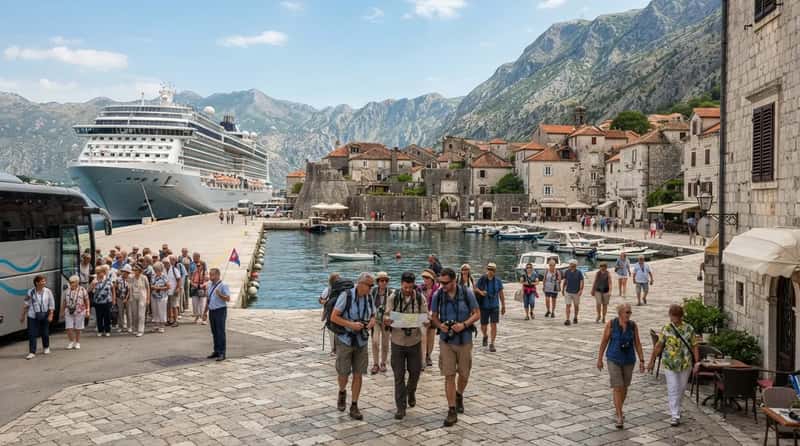
This isn’t really a choice between two camps. The travelers who get the most out of every port day treat it as a toolkit, not a rulebook, booking cruise line excursions for complex or remote destinations, arranging independent tours for specialized interests, and exploring on foot in familiar, walkable cities.
Think of it port by port instead of trip by trip. Book the ship’s tour for the long, remote days where the wait guarantee is worth it, and go independent near port where simple, close-in activities reward the savings. That single mental shift, treating each stop as its own decision instead of picking one strategy for the whole cruise, is the real difference between overpaying every port day and only paying the premium when it’s genuinely earned.
The booth on the dock isn’t lying to you, but it isn’t telling you everything either. The cruise line’s cut can run as high as half the ticket price, independent operators frequently run the same tours on the same schedule for a fraction of the cost, and platforms built specifically to undercut ship pricing now offer their own return-to-ship guarantees. The premium only earns its keep in remote ports, long transfers, or high-stakes wildlife tours where the safety net truly matters. Everywhere else, that dockside booth is selling convenience, not value, and now you know the difference before you ever hit the gangway.