Ever stood at airport security watching someone frantically repack their entire suitcase? Maybe that someone was you. The travel landscape has shifted dramatically, and what worked in your suitcase last year might now be costing you time, money, or even getting confiscated at TSA checkpoints. Minimalist travel is no longer a niche concept for backpackers or digital nomads – it’s a global movement that’s changing the way people pack, plan, and stay.
In 2025, U.S. airlines earned over $7 billion in baggage revenue, a figure expected to rise again in 2026. Those numbers aren’t just statistics. They represent frustrated travelers paying extra because they didn’t know the new rules. Let’s be real here: professional travelers have figured out what’s dragging down their bags and slowing down their trips. They’ve been quietly removing certain items, traveling lighter, and breezing through airports while everyone else struggles.
So let’s dive in. Be prepared to rethink everything you thought you knew about packing.
1. Smart Luggage With Non-Removable Batteries
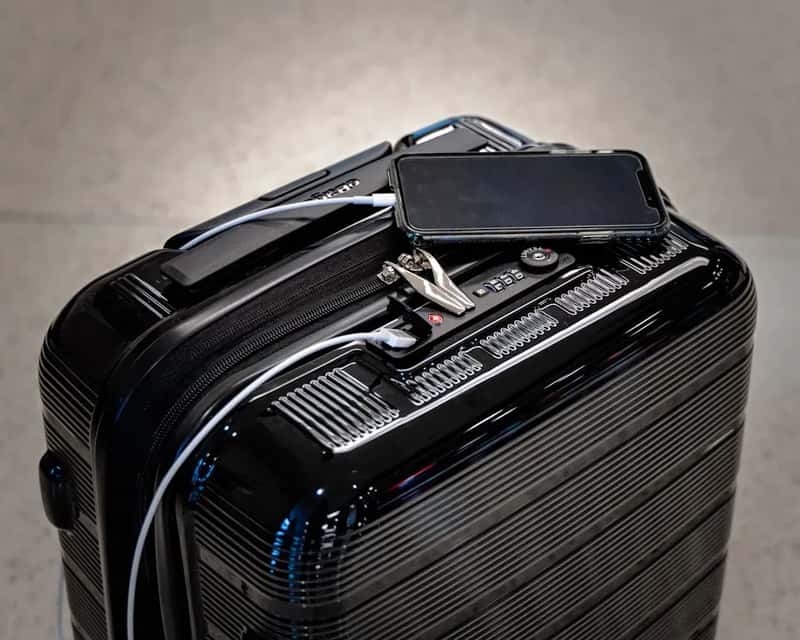
Smart luggage is still allowed, but only if the lithium-ion battery can be removed. TSA agents are cracking down on bags with built-in power banks that can’t be detached. These batteries pose a fire risk in cargo holds, and airlines are enforcing the rule more strictly in 2026.
That fancy smart suitcase you bought two years ago? If the battery doesn’t pop out easily, it’s now a liability. Any suitcase with a non-removable battery is not allowed on any U.S. airline. This ban, in place since 2018 under FAA guidelines for fire safety, is now being enforced with zero exceptions. Travelers are discovering this the hard way at gate checks.
Professional travelers ditched these bags months ago. They either swapped them for regular luggage or invested in newer models where the battery slides out in seconds. Honestly, it sounds crazy, but the headache just isn’t worth it anymore.
2. Full-Size Toiletries and Bulky Bottles
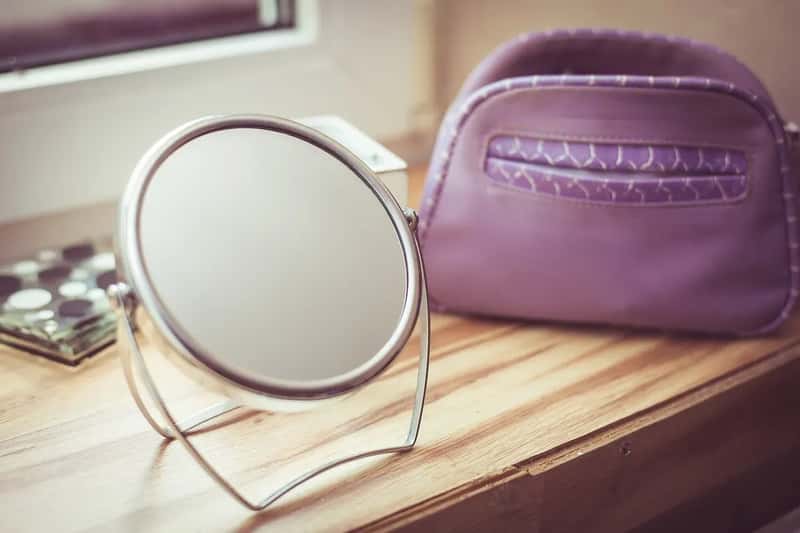
Think about this for a moment. How much shampoo do you actually use in a week? Probably not the entire travel-sized bottle you packed. Minimalist travelers don’t want to haul around full-sized shampoo bottles, hair dryers, or extra chargers. Instead, they expect these essentials to be waiting for them.
Toiletry kits are tiny now – travelers use solid shampoo bars and multi-purpose products like moisturizer with SPF or two-in-one shampoo/conditioner. This saves space and avoids liquid limits at security. The shift toward solid products isn’t just trendy – it’s practical. A shampoo bar lasts weeks, weighs almost nothing, and won’t leak all over your clothes.
Hotels provide basics anyway. Why carry what you don’t need?
3. Multiple Pairs of Shoes
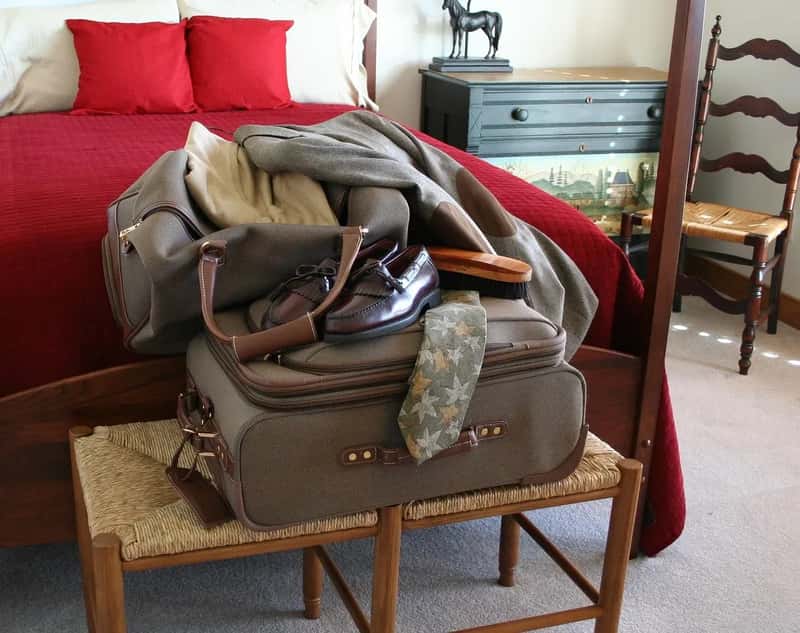
Let me guess. You packed running shoes, dress shoes, sandals, and maybe even hiking boots for that weekend city trip. Experienced travelers stopped doing this years ago.
Travel shoes can be a minimalist travel challenge: Well before your trip look for a comfortable pair of shoes that are versatile enough for both walking tours and dinners out. Wear these on travel days, and if necessary, add a pair of flip flops, or similar, to your pack. But limit your packing to two pairs of shoes.
Shoes are bulky, heavy, and eat up precious suitcase space. Pro travelers wear their heaviest pair during transit and pack one lightweight backup. It’s hard to say for sure, but most vacation activities don’t actually require specialized footwear. One versatile pair handles nearly everything.
4. Paper Books and Magazines
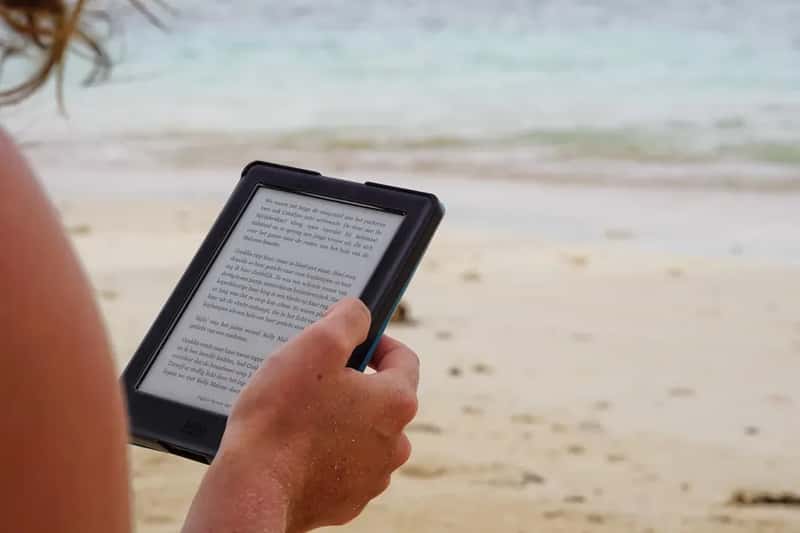
Travelers have stopped packing paper books and now use a Kindle. Boarding passes live on phones, and important travel docs stay in a cloud folder that works offline.
That thriller you wanted to read on the plane? It weighs more than you think. Multiple books for a two-week trip can add a couple of pounds to your bag. Digital readers hold thousands of books, weigh ounces, and the battery lasts weeks.
Still, I know it sounds crazy, but letting go of physical books was one of those changes that felt odd at first. Then you realize you can carry an entire library without the shoulder pain. The nostalgia fades quickly when you’re not lugging around extra weight.
5. Excessive Electronics and Chargers

Travelers used to bring a bunch of chargers and devices, but now keep it simple: One universal charger, wireless earbuds, and only the tech actually used. How many charging cables did you pack last time? Three? Four? Different cables for phone, tablet, camera, headphones?
Your phone can replace many gadgets. It’s your camera, GPS, entertainment center, and travel guide all in one. Explore the phone’s camera settings and load language translation apps before your trip.
Professional travelers streamlined their tech years ago. One universal charger handles everything. Wireless earbuds replace bulky headphones. The smartphone camera beats dragging along a DSLR for casual shots. Less tech means fewer things to lose, charge, or worry about.
6. Hair Dryers and Styling Tools

Here’s the thing. Nearly every hotel and vacation rental on the planet provides a hair dryer. Minimalist travelers don’t want to haul around full-sized shampoo bottles, hair dryers, or extra chargers. Yet people still pack full-size styling tools that weigh a ton and require voltage converters.
Travel-sized versions exist if you absolutely must bring your own. Professional travelers either rely on what’s provided or invest in a compact, dual-voltage tool that works worldwide. The difference in bag weight is significant.
Honestly, this one took me a while to accept. Then I realized I was carrying around two pounds of unnecessary equipment. That weight adds up fast when you’re trying to keep everything under airline limits.
7. Protein Powder and Large Containers of Supplements
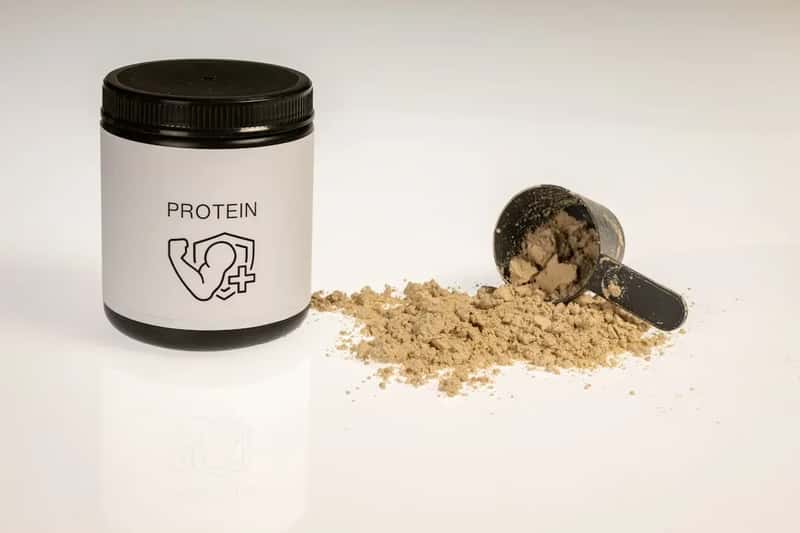
Protein powders and other powdered supplements over 12 ounces are now subject to additional screening. TSA agents may open containers, swab them for explosives, or even confiscate them if they can’t be verified. This rule applies to baby formula and drink mixes, too. To avoid delays, pack powders in checked luggage or bring smaller quantities in your carry-on.
Fitness enthusiasts learned this lesson the hard way in early 2026. What used to sail through security now causes delays and extra scrutiny. Pro travelers either buy supplements at their destination or pack tiny amounts in clearly labeled containers.
The vast majority of destinations have stores. You can purchase what you need when you arrive. It’s not worth the security headache.
8. Aerosol Products Over TSA Limits
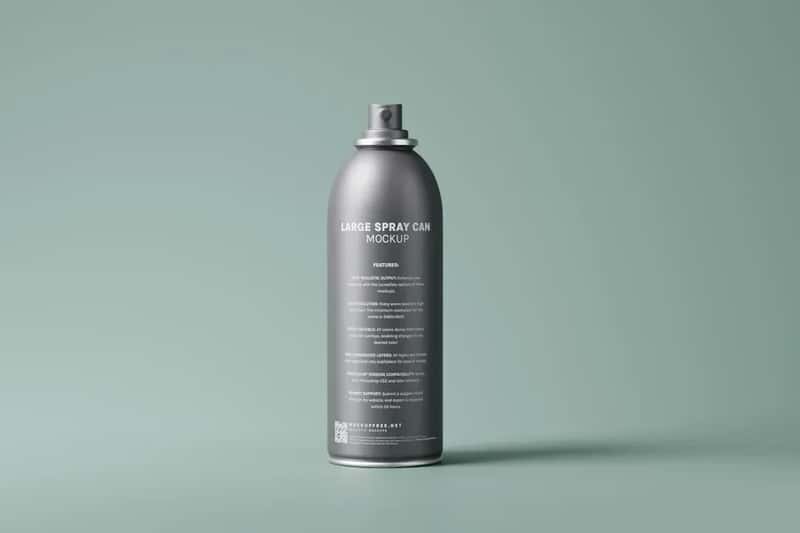
Aerosol deodorants over 3.4 ounces are officially banned from carry-ons in 2026, even if they’re labeled as travel-friendly. TSA has tightened enforcement on pressurized containers due to increased incidents of leakage and flammability. Stick or roll-on deodorants are still fine, but anything in a spray can is likely to get tossed. If you rely on aerosol products, pack them in your checked bag or switch to solid alternatives.
Travelers have pivoted to solid deodorants, roll-ons, or small spray versions that fit TSA requirements. The enforcement is strict now. Gate agents aren’t making exceptions anymore.
Switch to solid versions and never worry about it again. Problem solved.
9. Overpacked Personal Items and Oversized Totes

For years, many travelers used the “personal item” as a hidden bonus bag. They stuffed large backpacks, oversized totes, and even small duffel bags and called them personal items. In 2026, airlines are closing that loophole.
Airlines are getting stricter about carry-on bags, with tightening rules in 2025/2026 focusing on size and weight. Most airlines have similar size and dimension limits for carry-on bags, while Southwest Airlines allows slightly larger bags. Gate agents measure bags more consistently now using automated systems.
Professional travelers sized down their personal items months ago. They’re using slim backpacks or small totes that clearly fit under the seat. No more gaming the system with a stuffed bag that’s technically a “purse.”
10. Just-in-Case Clothing Items
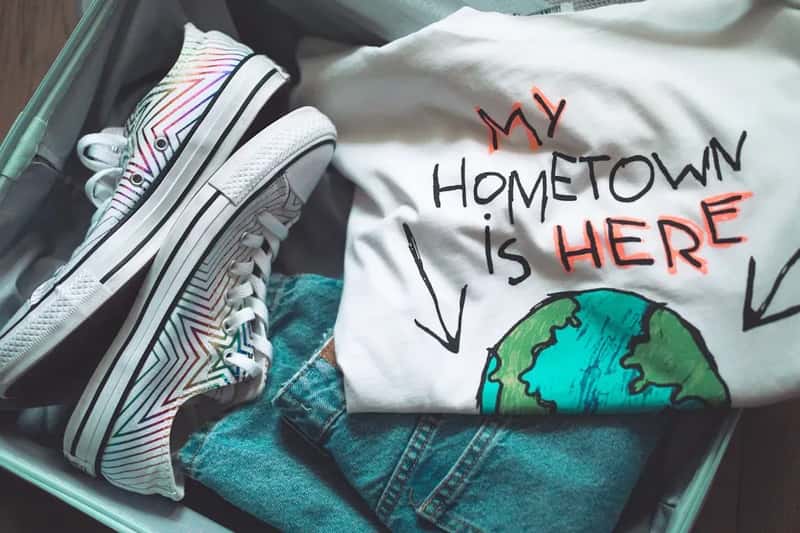
That extra sweater in case it gets cold? The formal outfit for a dinner you probably won’t attend? The backup jeans? If you ever have to ask yourself, “Why did I bring this item again?” you probably should have never packed it in the first place.
Minimalist travel is all about getting rid of the stuff that doesn’t matter either because it’s just taking up space or because it’s too heavy. With a minimalist travel packing list, you will be able to spend more time exploring the world and engaging with people instead of carrying around your possessions!
Experienced travelers plan their outfits carefully, choosing versatile pieces that mix and match. They wear the bulkiest items during travel days. They pack what they’ll actually wear, not what they might possibly need in some hypothetical scenario.
Laundry services exist everywhere. Pack less, wash once, and move on.
11. Decorative or Sentimental Non-Essentials

I get it. That lucky charm or favorite coffee mug feels important. Professional travelers leave sentimental items at home unless they’re truly essential. Every ounce matters when you’re trying to travel efficiently.
Every kilo you pack causes carbon emissions. No matter if it’s on a plane, train, bus, or car. Beyond the practical reasons, lighter bags mean easier mobility through crowded airports, train stations, and city streets. Sentimental items rarely justify the extra weight.
Take photos of meaningful objects if you need that emotional connection. Leave the physical items where they belong – at home, waiting for your return.
12. Travel-Size Versions of Hotel Amenities
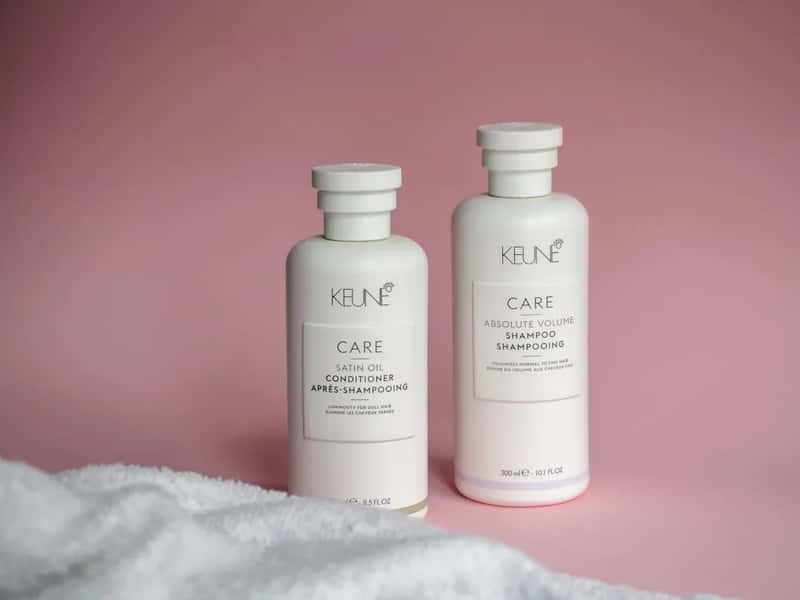
Minimalist travelers don’t want to haul around full-sized shampoo bottles, hair dryers, or extra chargers. Instead, they expect these essentials to be waiting for them. Hotels provide soap, shampoo, conditioner, body lotion, and other basics. Vacation rentals usually stock these items too.
Why pack travel-sized versions of things that will be there when you arrive? Savvy travelers bring only specialty items they genuinely can’t live without – specific skincare products, prescription items, or unique toiletries unavailable elsewhere.
Everything else? Let the hotel handle it. That’s literally what they’re there for. Focus your limited packing space on items that actually matter.
Conclusion: Pack Smarter, Travel Better
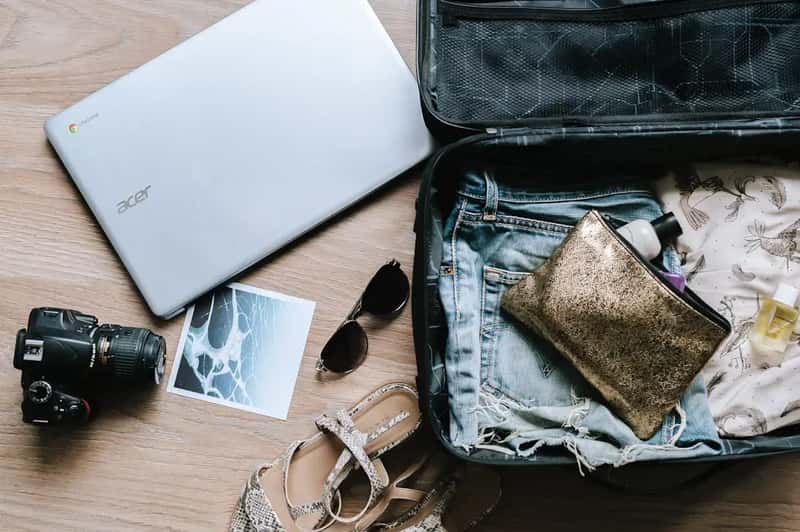
The travel game changed dramatically. What started as a niche for backpackers and travel bloggers has grown into a mainstream approach that prioritizes freedom, simplicity, and sustainability. By understanding what minimalist travelers want and need, you can better prepare for your travels.
Professional travelers figured out that less truly is more. They eliminated items that added weight without adding value. They adapted to stricter TSA rules and airline policies before those rules became problems. They prioritized mobility, efficiency, and smart packing over bringing everything just in case.
You don’t need half the stuff currently sitting in your suitcase. Start removing these twelve categories and watch your travel experience transform. Lighter bags mean easier movement, lower fees, and less stress. You’ll breeze through security while others struggle.
What surprised you most on this list? Did you expect that some of these everyday items would become travel liabilities? Drop your thoughts in the comments.