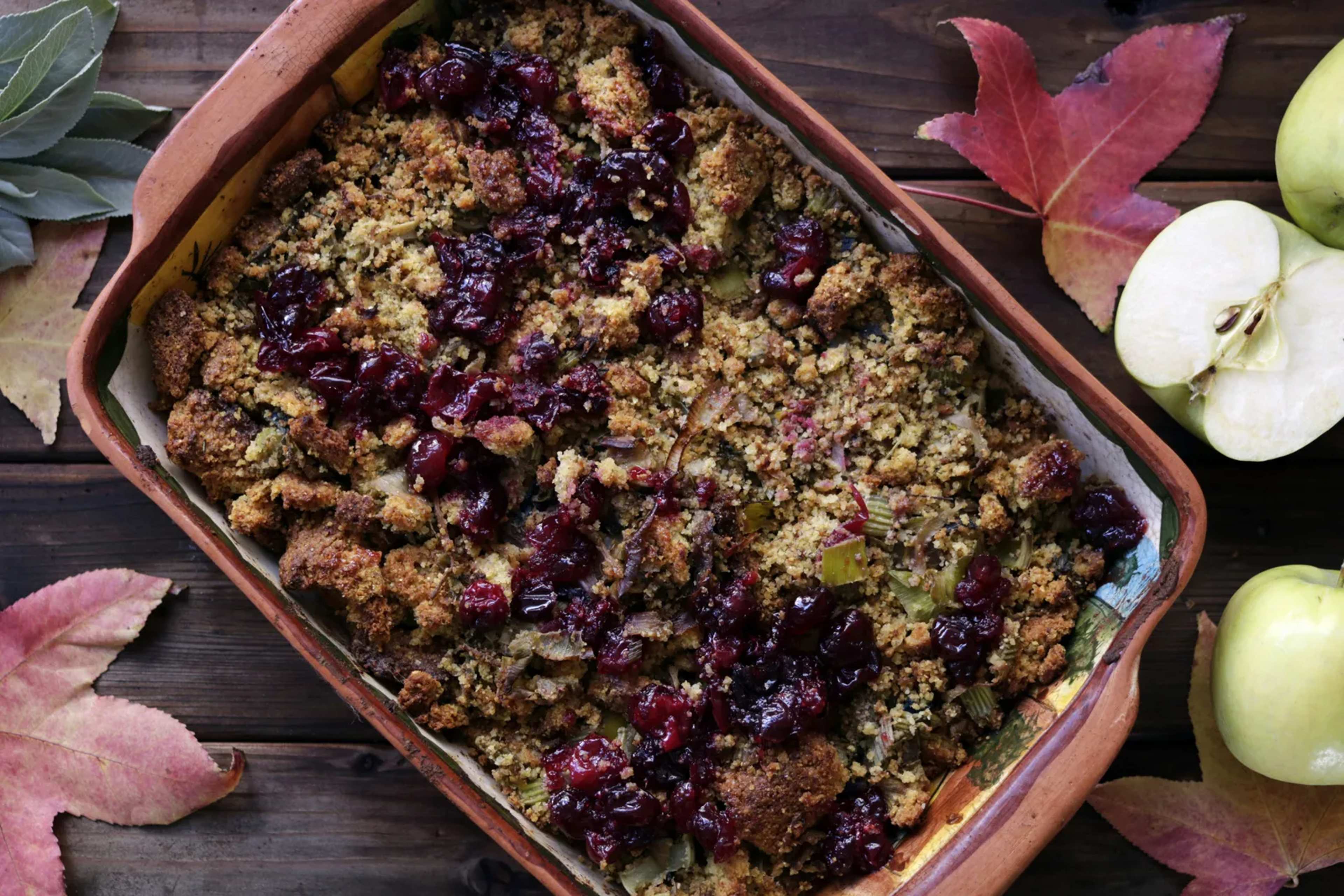
Thanksgiving hosts often pull a box of Stove Top from the pantry weeks ahead of the big meal, only to wonder later whether the mix or the leftovers are still safe. The distinction matters because the dry product and the cooked dish follow entirely different timelines. Federal guidance separates quality concerns from safety requirements, and many cooks overlook how quickly prepared stuffing must move into the refrigerator. ([1])
The Date on the Box Is Not a Deadline
Product dating on shelf-stable items like stuffing mix signals peak flavor and texture rather than a safety cutoff. Federal rules do not require dates on most foods except infant formula, so the printed information serves manufacturers and retailers more than consumers worried about illness. A box that sits past its “best if used by” mark can still be fine if it remains sealed, dry, and free of damage or pests.
Extension services place unopened bread-based mixes in the 12-to-18-month range for best quality when stored in a cool, dry cupboard. Once opened, the mix should move into a tightly sealed container to limit exposure to insects that can chew through cardboard or thin plastic. Regular checks for webbing, holes, or off odors help catch problems early.
Prepared Stuffing Runs on a Strict Clock
Once water and any add-ins turn the mix into a finished dish, it becomes a cooked leftover subject to time-and-temperature rules. Refrigeration must occur within two hours of cooking, or one hour if the kitchen exceeds 90 degrees. After that window closes, the safest step is to discard the food rather than risk bacterial growth.
Even when chilled promptly in shallow containers, prepared stuffing keeps for three to four days in a refrigerator set at 40 degrees or below. Some online sources suggest longer periods, yet those claims lack cited authority and run counter to the more conservative federal recommendation. Hosts planning large gatherings benefit from labeling containers with the cooking date to stay within the window.
Freezing, Reheating, and Making Ahead
Uncooked assembled stuffing should not sit in the refrigerator. Dry and wet components can be measured and chilled separately, then combined just before cooking or frozen immediately in shallow containers. Cooking straight from frozen until the center reaches 165 degrees preserves safety without thawing first.
Already cooked leftovers freeze well for quality periods listed between one and six months across different federal pages, though texture may dry slightly over time. Reheating requires an internal temperature of 165 degrees, checked in multiple spots if using a microwave, with a splash of broth added if the mixture seems dry. These steps restore heat without extending the original safety limits.
Practical Checks Before Serving
Signs that warrant discarding the mix or leftovers include mold, clumping from moisture, a musty smell, or evidence of pantry pests. Normal appearance and odor do not guarantee safety once time or temperature limits have been exceeded. A small real-world example is the common practice of leaving a serving dish on the table during a long holiday meal; after two hours at room temperature the remaining portion moves from edible to trash.
- Check the box for damage or infestation before use.
- Refrigerate cooked portions promptly in shallow dishes.
- Label and track dates on all leftovers.
- Reheat fully to 165 degrees before serving again.
- When in doubt, follow the shorter federal window rather than unverified extensions.
These distinctions help families enjoy the holiday without unnecessary waste or worry, yet they also leave room for individual judgment when storage conditions vary. The core message remains consistent: the box date concerns quality, while the cooked dish demands attention to the refrigeration clock.