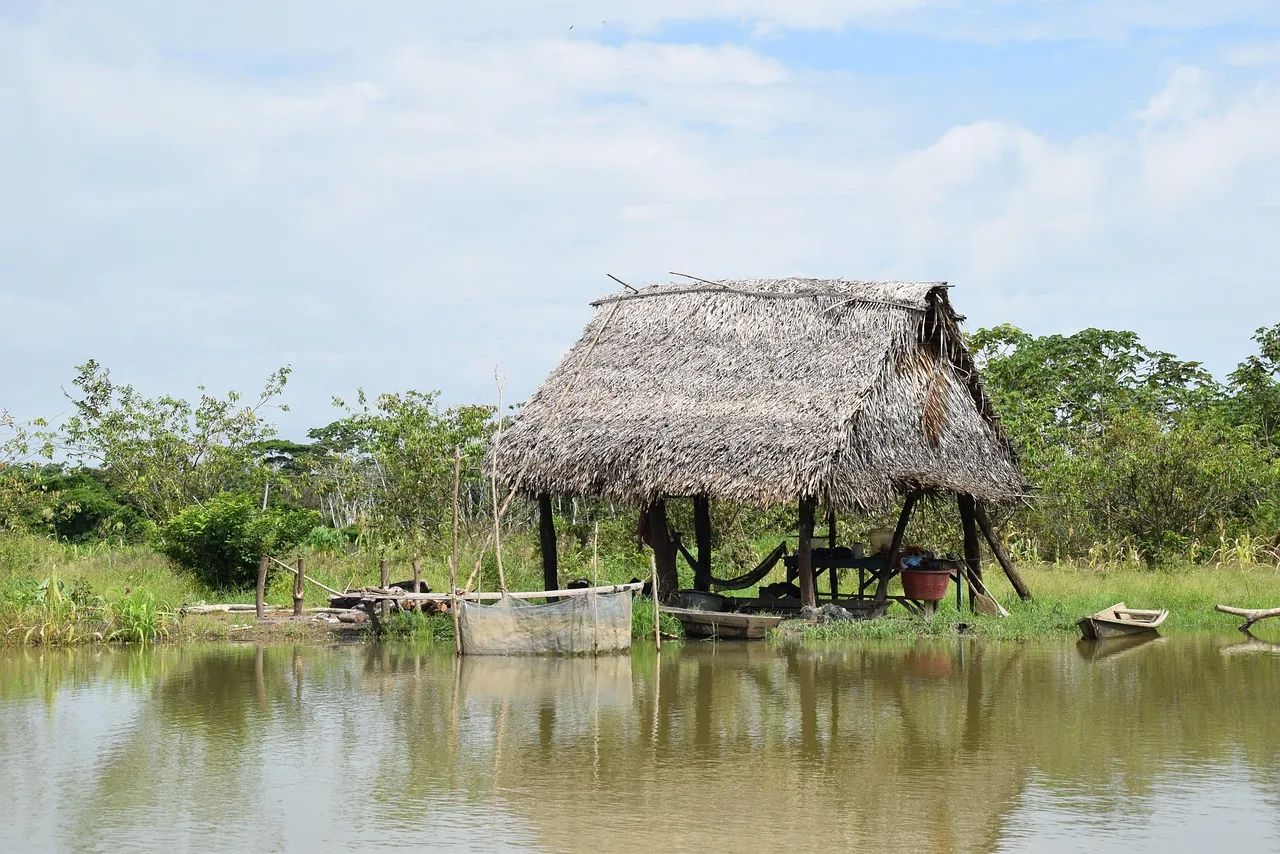
Suriname has begun enforcing rules against unauthorized clearing of its vast rainforest interior, directly affecting Mennonite families who arrived in recent years to build farming communities. The move reverses earlier plans that would have transferred large tracts of primary forest to agricultural use. President Jennifer Geerlings-Simons made the position clear during an August 4 briefing, stating that those operating without legal permission must leave.
Clearing Without Permission
Officials have identified multiple sites where land was opened for crops and livestock without proper authorization. These activities occurred in remote areas previously designated for conservation or limited use. The government is now reviewing permits and adjusting zoning maps that cover hundreds of thousands of hectares.
Mennonite groups, known for their conservative religious practices and agricultural traditions, formed a significant part of the settlements. Many families had relocated from Bolivia and neighboring countries with the aim of creating self-sufficient communities. Their presence drew attention after earlier reports highlighted the scale of planned relocation programs.
Scale of Earlier Proposals
Plans discussed in 2023 called for relocating roughly 1,000 Mennonite families onto as much as 30,000 hectares. Separate proposals sought to shift nearly 467,000 hectares of mostly untouched forest from the land policy ministry to the agriculture ministry for future development. Those transfers have now been placed under review.
The policy shift comes as Suriname maintains one of the highest forest cover percentages in the world. Any large-scale conversion would have altered that status and drawn international scrutiny. Government statements emphasize that existing laws on land use remain in force regardless of prior discussions.
Immediate Steps Underway
Investigations into illegal settlements are active, and authorities have begun notifying occupants of the need to vacate. The president’s remarks left little room for interpretation: individuals clearing land without approval are considered to be there illegally. Measures to address the situation will follow standard administrative and legal channels.
Stakeholders include the affected families, local communities near the sites, and ministries responsible for land management and agriculture. The timeline for removals has not been detailed publicly, yet the direction is consistent with renewed enforcement priorities.
Practical Outcomes Ahead
- Revised zoning maps will limit future agricultural expansion in sensitive zones.
- Existing clearings face removal orders and potential restoration requirements.
- Future relocation programs for any group must meet current legal standards.
- Monitoring of interior regions will increase to prevent repeat violations.
These changes affect both the Mennonite settlers and broader agribusiness interests that had explored opportunities in the same areas. The government has signaled that enforcement will apply uniformly.
Human Impact and Next Phase
Families who invested time and resources in new homes now confront the prospect of relocation once more. Some had already begun planting and building infrastructure before the policy reversal. The outcome will depend on how quickly authorities complete the review process and issue formal notices.
Suriname’s decision underscores the tension between development ambitions and the need to protect remaining forest. The coming months will show whether the enforcement produces lasting changes or encounters further legal and practical hurdles.