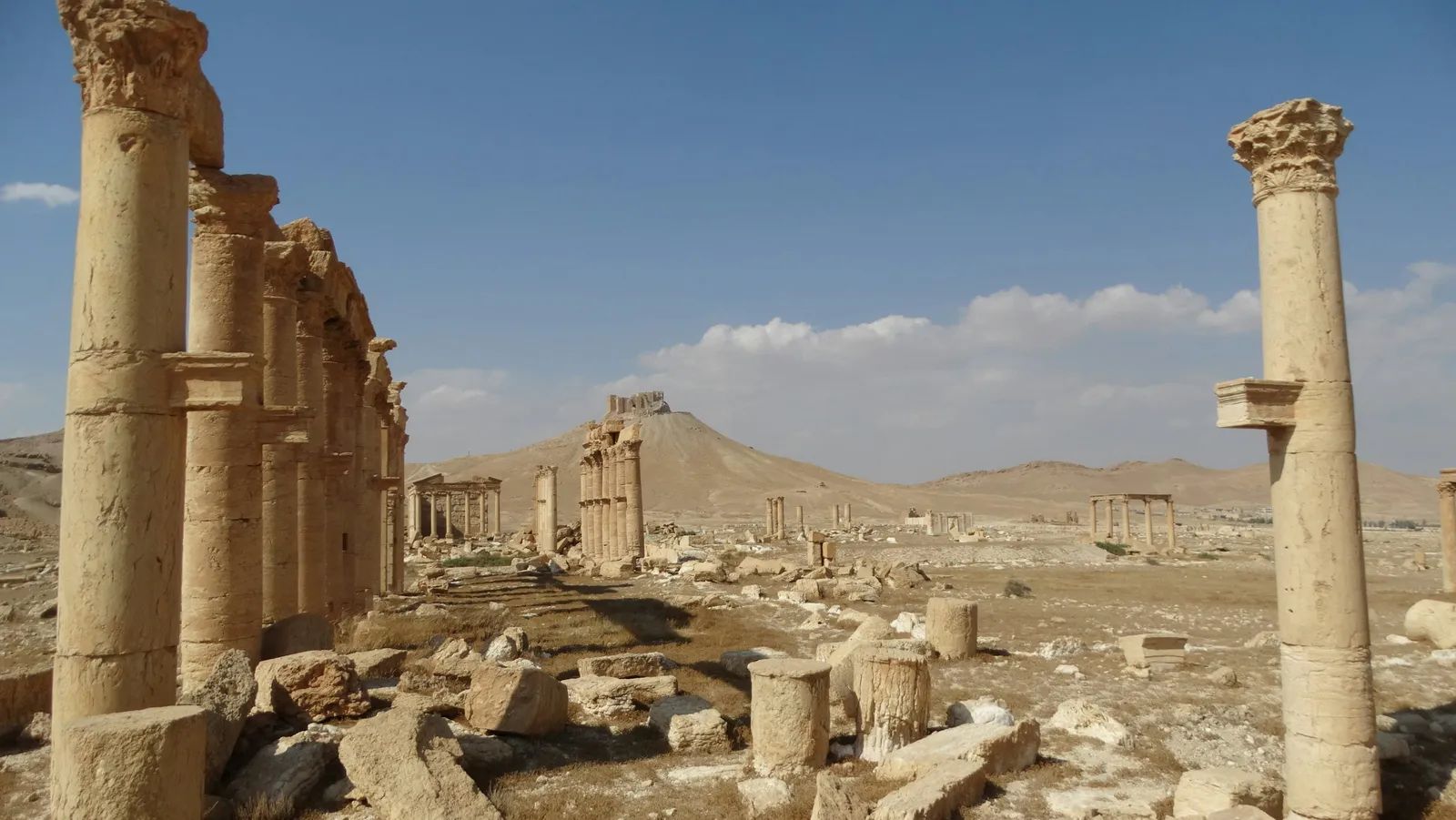
Syria has entered a new phase for foreign visitors following the December 2024 change in government. An operator who has led more than twenty expeditions to the country and returned in 2025 reports that independent travel is now possible in several western regions, though conditions remain fluid. The practical effects of these shifts appear most clearly in checkpoints, entry rules, and daily routines on the ground. ([1])
Checkpoint routines and visible symbols
Travelers now encounter soldiers with long beards at many roadblocks, a noticeable departure from the clean-shaven personnel of the prior administration. The new national flag flies in public spaces across cities that once displayed portraits of the former leader. Those portraits have largely disappeared, replaced by open discussion among residents about past hardships under the previous rule.
These surface changes have not yet produced uniform policies on secular practices. Some bars and liquor outlets that operated before have closed voluntarily amid uncertainty over future enforcement. Independent movement between major sites has become feasible without mandatory tour-operator escort, at least for the present.
Entry requirements and costs
Visa-on-arrival access expanded in early 2025 for citizens of most European Union countries, the United States, Australia, and several high-income Asian nations. The single-entry permit covers thirty days and can be obtained at land borders with Lebanon or Jordan as well as at Damascus International Airport. Nationals from many African countries, India, China, and the Philippines remain ineligible for this option and must pursue other arrangements.
Fees vary by nationality. United States passport holders pay two hundred dollars, while Canadian travelers pay one hundred. European Union passports, including those from Switzerland and Norway, cost seventy-five dollars. Jordanian, Lebanese, Malaysian, and Mauritanian citizens enter without charge. Cash remains the only accepted payment method inside the country because international cards and ATMs do not function.
Safety picture and permitted zones
Western Syria, including Damascus, Aleppo, Homs, Palmyra, Bosra, and Krak de Chevaliers, shows continued stability for visitors. Markets and historic districts operate normally, and local residents report that daily life has returned to a familiar rhythm in these areas. The operator notes no dramatic improvement or deterioration in tourist safety compared with the final years of the previous government.
Regions along the coast, particularly Latakia, carry higher risk due to reported incidents involving minority communities. Newly accessible areas such as Idlib require awareness of stricter local customs, including dress expectations for women. Raqqa and surrounding territory under Kurdish administration now permits entry from the west with proper documentation. American travelers should consult current official guidance before any plans, as post-conflict environments can shift quickly.
Movement, connectivity, and daily costs
Shared taxis and local buses connect the main western cities without major obstacles. A Damascus-to-Aleppo bus ride costs roughly fifty to seventy thousand Syrian pounds, while a private room in a budget Damascus hotel runs thirty-five to forty-five dollars. Wi-Fi functions adequately in recommended hotels, and Syriatel SIM cards remain available for purchase in Damascus.
Inflation continues to affect everyday expenses. A simple lunch in a local restaurant ranges from fifty to eighty thousand Syrian pounds. Breakfast dishes such as hummus or fuul stay inexpensive and widely available. Visitors must carry sufficient cash in new one-hundred-dollar bills, as older notes are often refused at exchange offices.
Local reception and visitor conduct
Residents in visited cities consistently express relief at the return of foreign travelers, viewing it as a sign that normalcy is slowly returning. Many approach visitors with questions and offers of assistance. Responsible conduct includes avoiding photographs of military installations, refraining from selfies at damaged sites, and using sensitive language when discussing recent history.
Support for small businesses operating amid reconstruction helps sustain communities still recovering from years of conflict. The operator emphasizes that genuine engagement with locals provides the clearest picture of current conditions and future uncertainties alike.