Most travelers walk into a hotel room, drop their bags, and head straight for the bed or the bathroom. It’s a fair instinct after a long flight or a day of meetings, but it also means a lot of small, useful details go unnoticed. Some of those details carry more weight, and in a few cases more actual value, than guests realize until it’s too late or until they’ve already checked out.
The in-room safe protects more than you’d guess
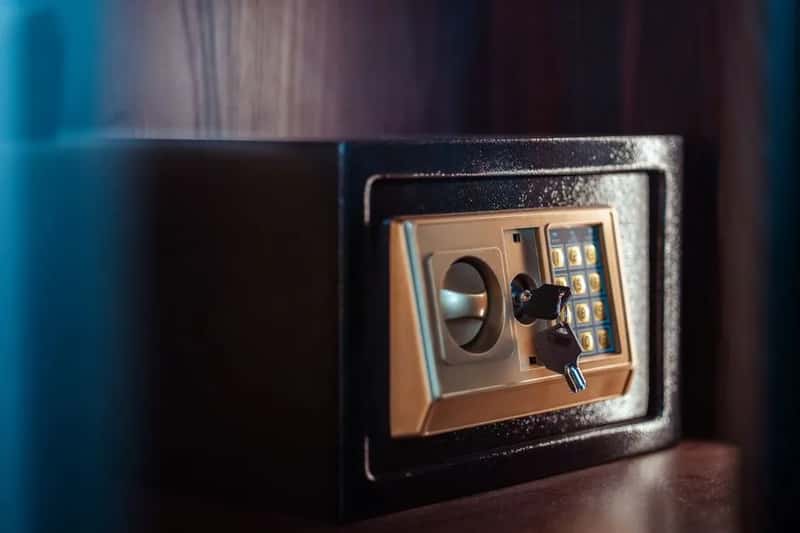
It’s easy to treat the little safe in the closet as an afterthought, something you glance at once and then ignore for the rest of the stay. Yet hotel lost and found reports suggest that guests routinely leave behind items worth far more than a single night’s rate. A guest somehow managed to leave behind a luxury watch worth a whopping 6 million dollars in their room, enough to book out the entire property for over a year.[1]
That’s an extreme case, but it points to a pattern. People travel with expensive jewelry, electronics, and documents far more often than they think about protecting them. A safe that takes thirty seconds to set up is one of the few features in a hotel room that actively works in your favor without you having to do anything else.
Local welcome gifts often carry real retail value
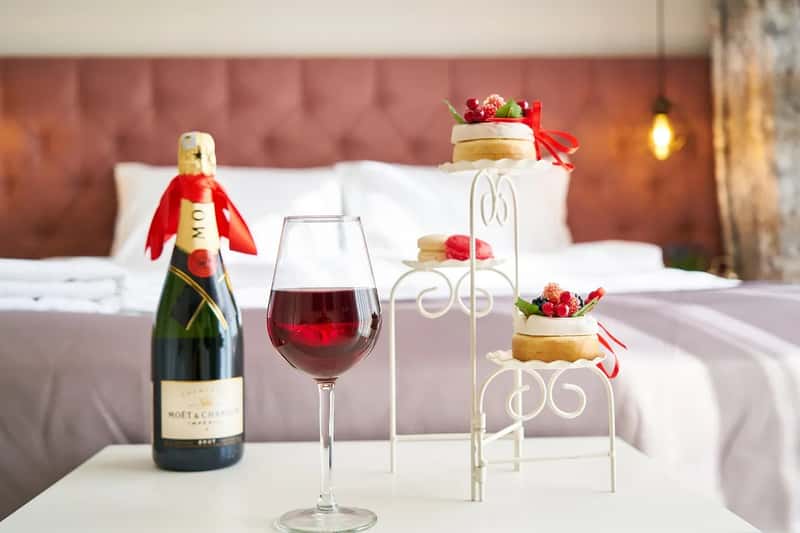
Many properties, especially boutique and luxury ones, have quietly shifted from generic branded trinkets to locally made products that guests can actually use at home. In a world that feels increasingly homogenous, hotels love to offer that elusive sense of place, so they tend to get generous with locally made items and especially products created on-site.[2] That’s not just a nice gesture, it’s often something with a genuine price tag if you looked it up in a shop.
At Tenuta di Murlo in Umbria, guests are gifted olive oil, rosé, and red wine, while at Hotel don Pepe Gran Melia in Spain visitors take home ceramic candleholders made by local Marbella potters, and at Palacio de los Duques in Madrid guests can snag a sample Carner candle, fragrance and illustrated book.[2] None of these are life changing amounts of money, but stacked together over a few stays, they add up to more than most people expect from a “welcome amenity.”
Robes and loungewear sometimes come with a purchase option
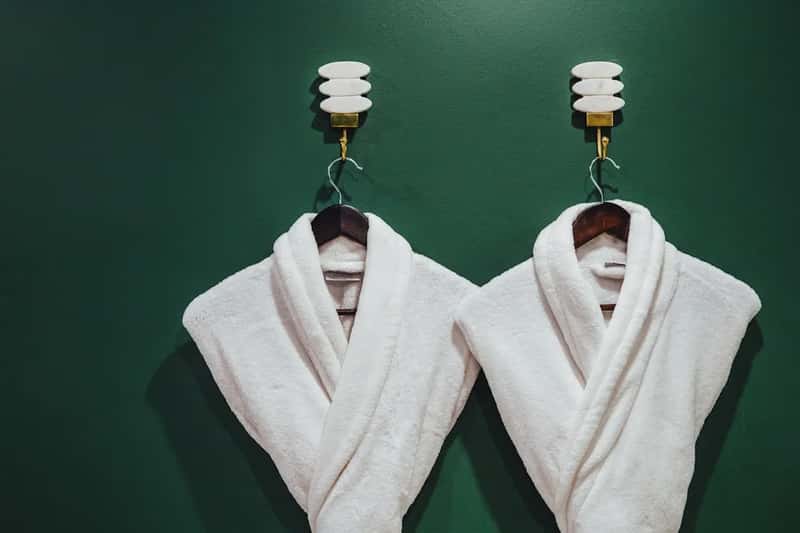
The plush robe hanging in the closet has long been one of the most quietly coveted items in a hotel room, and hotels know it. Hotel robes are cozy and plush, and perhaps most significantly, they embody the decadence of escape, which is why people want to steal them and do all the time.[2] Rather than fight that instinct, some properties have leaned into it.
The chic Hotel Saint Vincent in New Orleans, for example, has collaborated with Marfa, Texas based design studio Far West on in room marbled silk robes that also sell in their shop, ByGeorge, for 395 dollars.[2] That’s a steep price for a robe, but it turns a routine hotel amenity into a legitimate designer product. More broadly, many hotels now have a robe purchase program, and walking out with one without asking will likely show up as a charge on your credit card.[3] The smarter move is simply asking at the front desk whether the one you’re wearing is for sale.
Blackout curtains and soundproofing protect something harder to replace than money

Sleep quality doesn’t show up on a hotel’s price list, but it’s arguably the most valuable thing a room can deliver. Many modern hotel rooms now include soundproofing features to provide a more peaceful environment, with double glazed windows, heavy doors, and specially insulated walls helping block out street noise, hallway sounds, or neighboring room disturbances.[4] Guests rarely think to test these features on arrival, even though they’re often the reason a stay feels restful instead of exhausting.
Blackout curtains deserve the same attention. They’re frequently mentioned as one of the more underused perks sitting in plain sight, and pairing them with the room’s soundproofing can make a real difference for anyone dealing with jet lag or an early flight the next morning. It costs nothing to close them fully and test the room’s darkness before deciding whether to ask for a different location on the floor.
The minibar hides both quiet freebies and genuine splurges
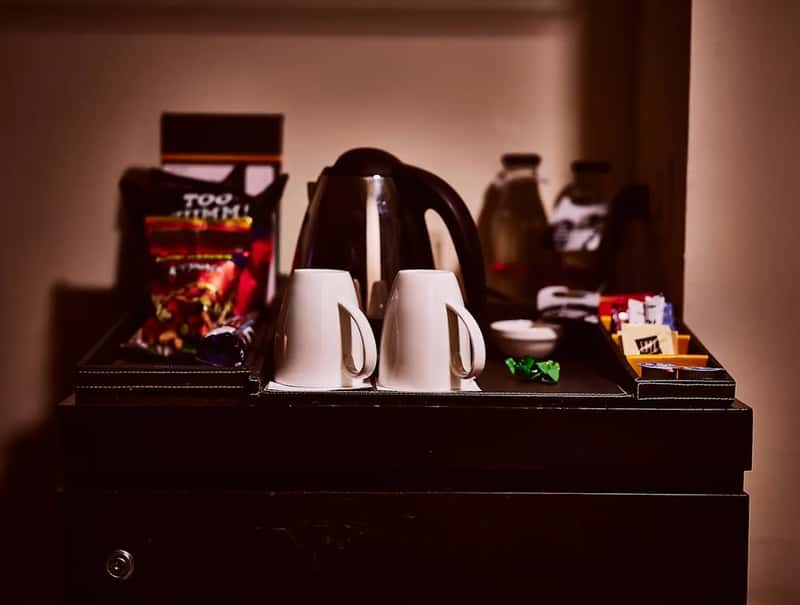
Minibars get a bad reputation for markups, and often deserve it, but they’re also where hotels tend to sneak in small complimentary touches. It pays to keep an eye out for what’s for purchase in the minibar versus what’s complimentary, since odds are good that the mini sampling of chocolates or vinegar is up for grabs.[2] Reading the card or tag next to each item before assuming everything is billable can save an unpleasant surprise at checkout.
On the other end of the spectrum, some properties have turned their minibars into genuine talking points. At the W Retreat and Spa in the Maldives, mini bars include designer Heidi Klein bikinis, and at the Banyan Tree Ringha in China, which sits over 10,000 feet above sea level, cans of oxygen count as the hotel’s best high altitude treat.[5] Even at a more modest level, boxed chocolates or locally sourced snacks can be worth checking simply because they’re better, and sometimes pricier, than they first appear.