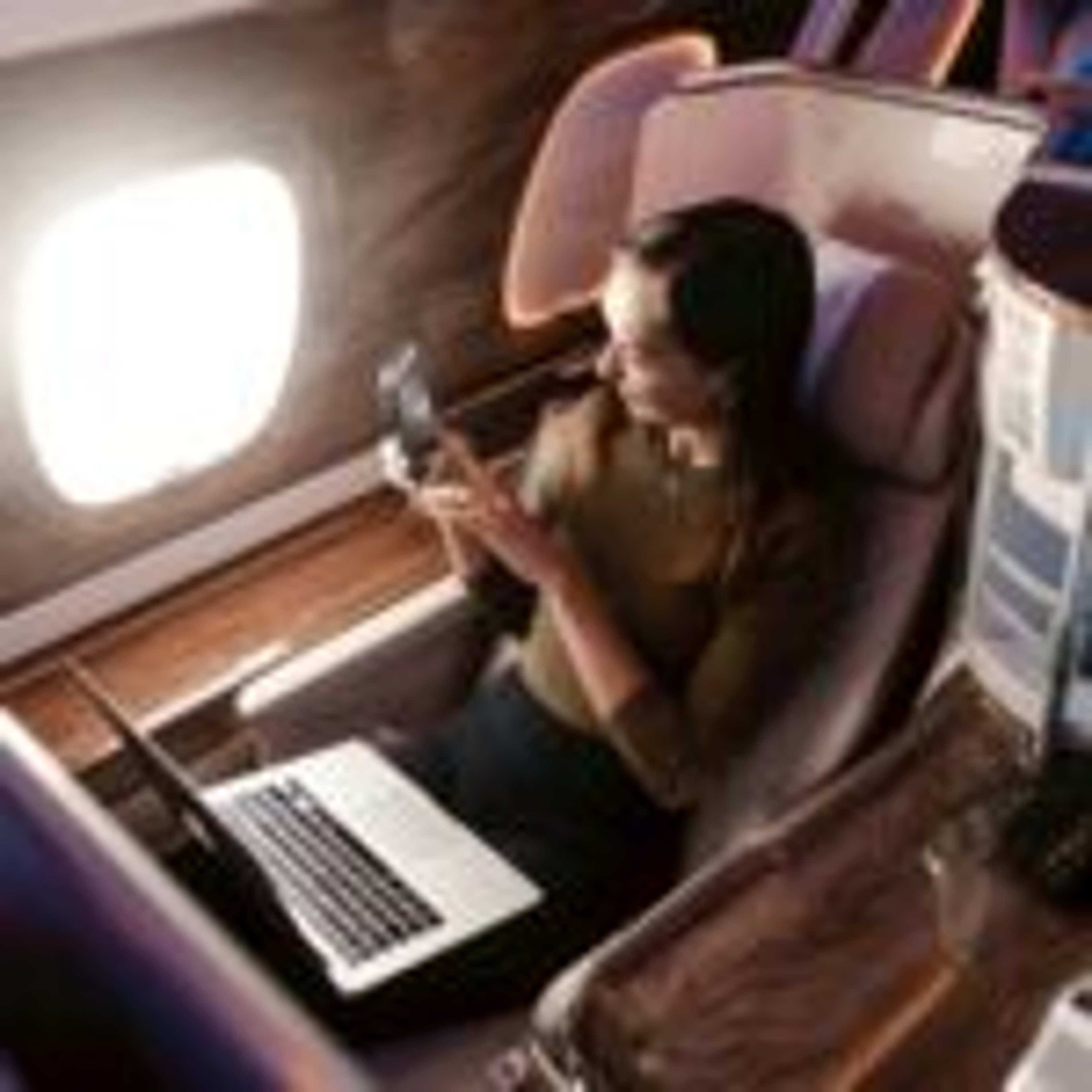
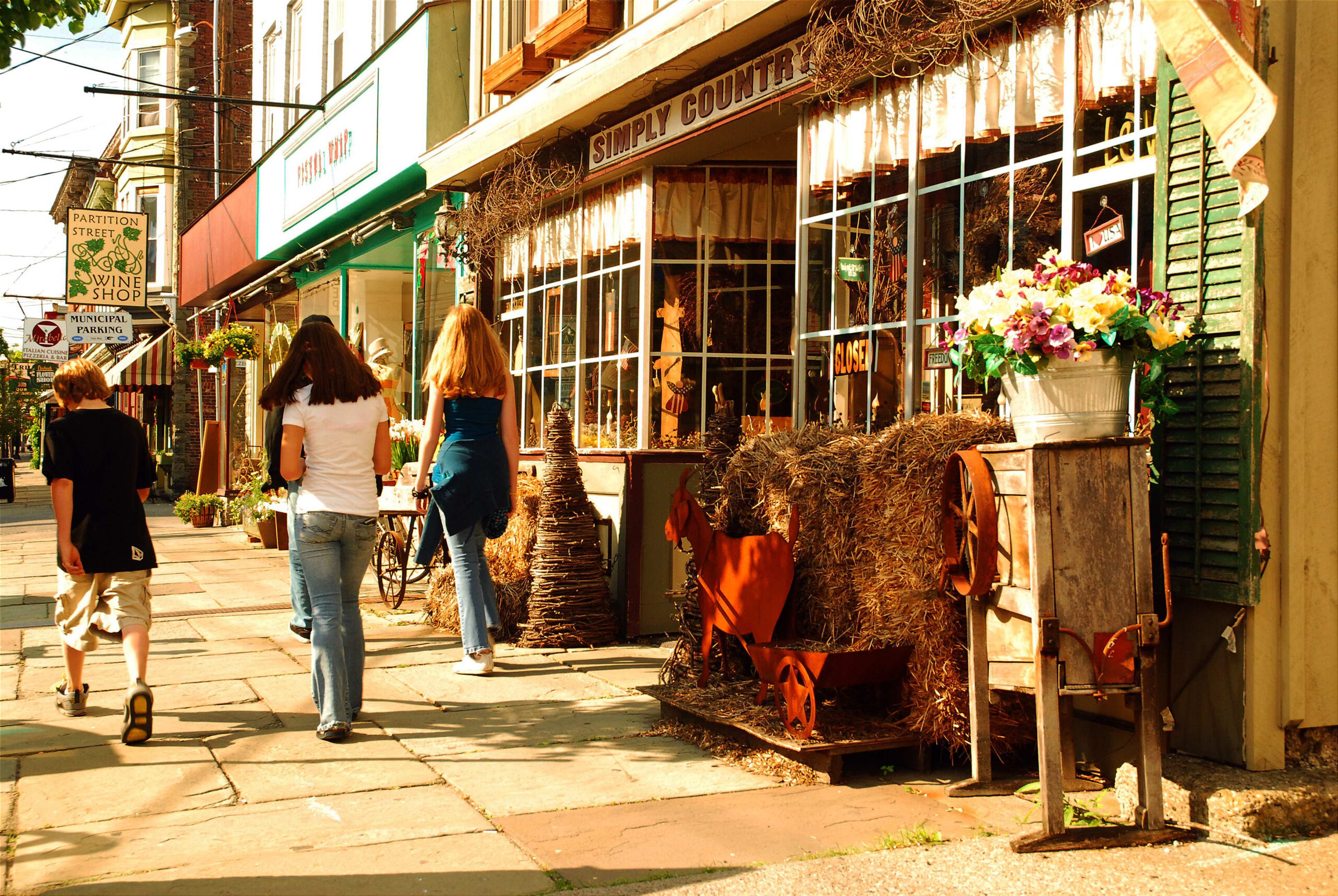
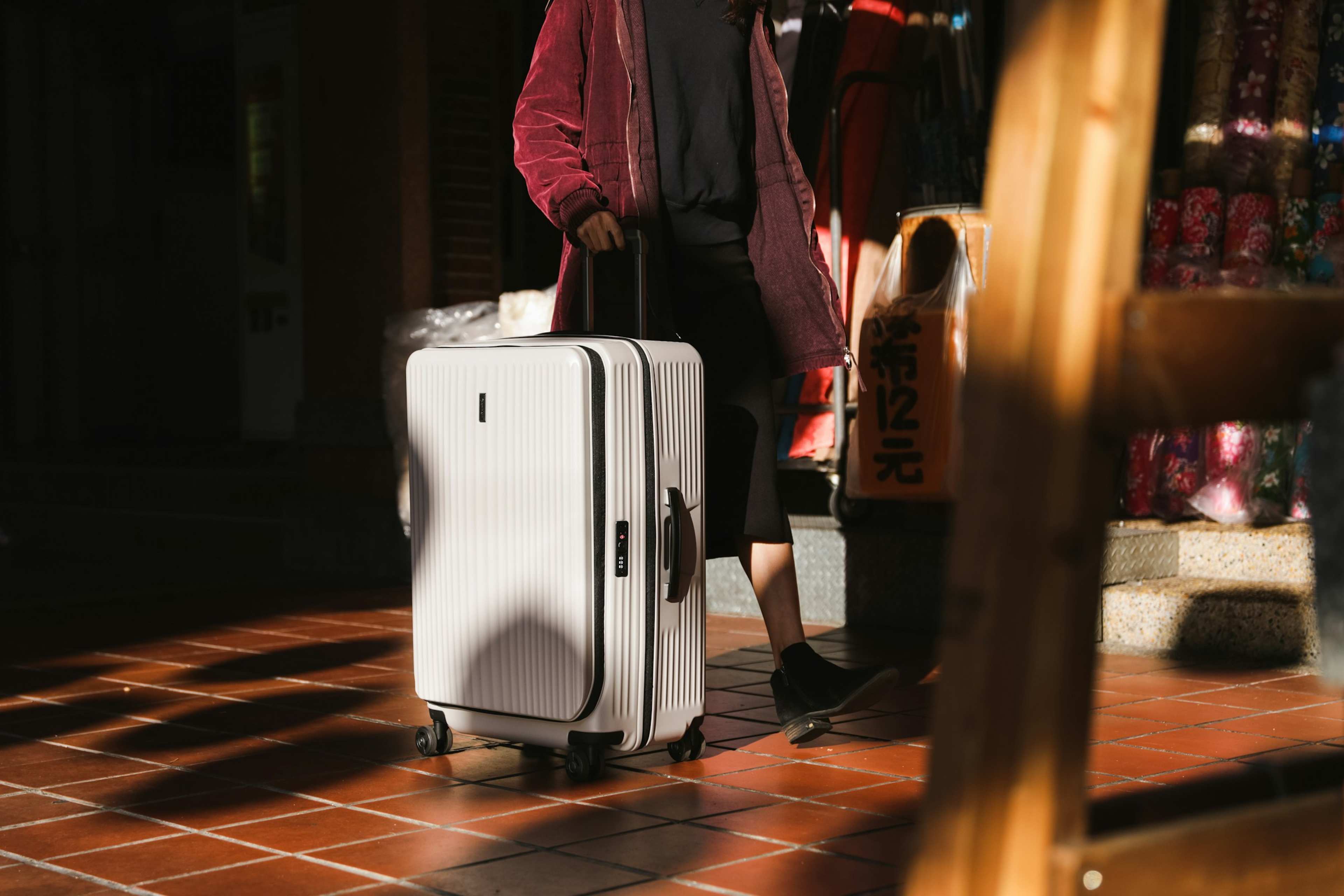
There’s a strange new silence forming in the world of travel. People are booking dream vacations, boarding private jets, checking into suites with ocean views, and then… saying nothing. No Instagram stories. No Facebook check-ins. Nothing. It feels like a complete reversal from the era where showing off your passport stamps was basically a personality trait.
The thing is, expensive travel is happening more than ever. Data from 2024 shows a strong appetite for travel, with the vast majority of travelers planning to spend the same or more on trips compared to 2023. Yet a quiet but unmistakable cultural shift is underway. People who once flaunted every upgrade are now keeping their most luxurious adventures entirely to themselves. The reasons go much deeper than simple modesty. Let’s dive in.
1. The Social Gap Between Travelers Has Never Been Wider

About roughly a third of people said it was too expensive to travel in 2024, up from about a quarter in 2023, according to a Deloitte summer travel survey. That’s a significant jump in just one year. When nearly a third of your social circle simply cannot afford a vacation, posting about your $10,000 trip to Bali starts to feel genuinely uncomfortable.
Around 46% of Americans said they are planning a summer vacation in 2026, down from 53% in 2025, with recent tariffs and fears of a recession causing more travelers to take a wait-and-see approach to summer trips. The divide is not subtle anymore. Those who can still afford luxury travel are quietly aware that flaunting it risks damaging real friendships. It’s the social version of eating a steak dinner in front of someone who skipped lunch.
2. The “Quiet Luxury” Movement Is Reshaping How the Wealthy Travel

Stealth wealth is spilling into the travel industry, as the rich forgo glitzy see-and-be-seen destinations for more discreet getaways. This is not just a vibe shift. It’s a full-blown cultural realignment. The loudest traveler in the room is no longer the most admired one.
Today’s affluent globetrotters are no longer just in search of five-star hotels and Michelin-starred meals – they want exclusivity, anonymity, and serenity. This shift is not just about escaping the crowds; it’s about reclaiming control over personal space, time, and experience. Think about it like fashion. The person wearing a discreet, unbranded cashmere coat often has more money than the one dripping in logos. Travel has followed the exact same logic.
What makes privacy such a powerful status symbol in 2026 is that it cannot be mass replicated easily. Any large travel company can add champagne, aesthetics, and branded experiences. Privacy is harder. Staying quiet about a luxury trip has become, paradoxically, the ultimate flex.
3. Real Safety and Security Risks Are a Legitimate Concern

This one doesn’t get talked about enough. Sharing your travel location and spending habits publicly is not just a social choice. It carries genuine risks. Check Point Research, a cybersecurity firm, says that in 2024, one in every 33 newly registered vacation-related domains were malicious or suspicious, including phishing sites imitating Booking.com, Kayak, and other popular travel platforms.
Frequent travelers are likely targets, as travel rewards, airline miles, and other stored payment details on travel accounts can be lucrative and easily monetizable. Beyond digital threats, broadcasting that you are away from home for two weeks with a $10,000 budget attached to your name is essentially an open invitation. High net worth individuals often face unique security concerns when traveling due to their elevated profiles and substantial financial resources, making it essential to be acutely aware of potential security risks. Simply put, silence is sometimes the smartest travel strategy of all.
4. Social Media Envy Is Real – and Travelers Know It
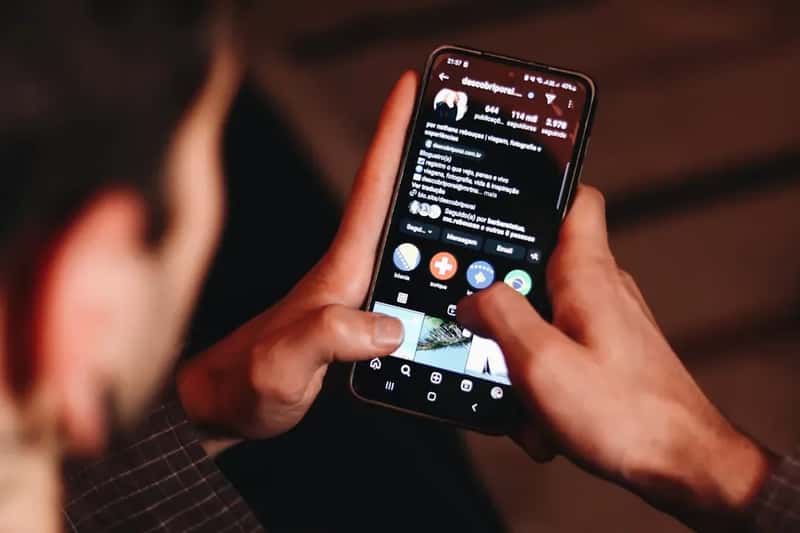
Honestly, a lot of people who stay quiet about expensive trips do so because they understand exactly how social media envy works. They’ve felt it themselves. Travel photos are the number one cause of social media envy, due to the simple fact that everybody wants to go on holiday and experience a break from reality.
Nearly half of Americans want to make followers jealous with their travel experience, yet almost six in ten travelers believe frequent social media use negatively impacted their most recent vacation. That’s a fascinating contradiction. People know it creates envy, yet they’re also aware it ruins their own experience. The travel experience frequently becomes the subject of social comparison and envy among users, and envy generally has been considered a negative emotion, inducing depression in the envier. Empathetic travelers who genuinely care about their friendships are increasingly choosing not to light that particular match.
5. Guilt About Spending Can Be Surprisingly Powerful

Here’s a psychological angle that rarely gets acknowledged. Spending money on a vacation isn’t inherently irresponsible, but spending money instead of putting it aside in savings can sometimes cause guilt – even though building an emergency fund doesn’t mean you have to sacrifice vacations. I think this is more common than people admit. You spend $10,000 on a trip, you have a brilliant time, and then a small voice asks whether you should have done it at all.
Nearly one in three Americans say their financial situation is worse compared to a year ago, up from one in four in 2024, and high-income Americans are leading that shift. Even among those who can objectively afford luxury travel, the current economic mood creates a background hum of unease. Keeping the trip quiet means keeping the guilt quiet too. It’s not entirely rational, but it’s very human.
6. The Experience Itself Becomes More Valuable Without an Audience
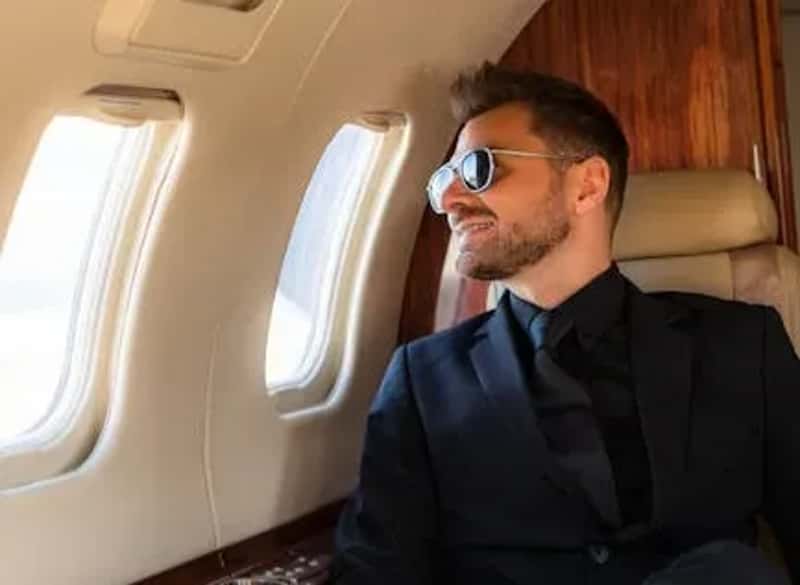
There’s growing evidence that people are choosing to protect their travel experiences from the noise of social media performance. The demand for privacy-centric travel surged dramatically in the wake of the COVID-19 pandemic. What began as a safety necessity soon morphed into a lifestyle preference. Travelers discovered the immense value of having a destination to themselves, preferring private villas over hotel rooms and charter flights over first-class tickets.
Data from 2024 shows a strong appetite for travel, and an overwhelming majority say that having the right travel experience matters more than the price of the trip. When your entire trip becomes content, you’re no longer traveling. You’re working. More and more people are recognizing that. According to 2024 data, nearly two thirds of surveyed travelers were more interested in taking a major, once-in-a-lifetime trip than in previous years. Protecting that once-in-a-lifetime memory from the scroll of social media starts to feel like an act of self-preservation.
7. The Perception of Wealth Has Become Politically and Socially Complicated
It’s hard to say for sure exactly when this tipping point arrived, but at some point in the last few years, openly displaying wealth became socially risky in a new way. Nearly one in three respondents say their financial situation is worse than a year ago, and even high earners are trading down, opting for shorter stays, fewer flights, and less luxurious lodging. The optics of a $10,000 vacation, posted publicly while your colleagues are scaling back, can carry real professional and social consequences.
In Europe, private jet services have seen a remarkable increase of roughly a fifth in bookings compared to 2025, with the primary drivers cited as a growing desire for privacy, comfort, and exclusivity. Luxury travel is genuinely booming, but it’s increasingly invisible. New startups are emerging to handle everything from encrypted travel planning to drone surveillance for added security, and at its core, this privacy trend is a form of subtle status signaling. The most expensive trips in the world are also, increasingly, the least photographed ones.
The Quiet Vacation Is Here to Stay

What’s unfolding across the travel world right now is genuinely fascinating. Expensive trips are not disappearing. The desire to explore, to spend, to experience something extraordinary is as strong as ever. What’s changing is the performance layer around it.
The combination of widening economic inequality, real security threats, psychological guilt, social empathy, and a growing culture of quiet luxury has produced a traveler who would rather keep it all to themselves. The travel booking trends heading into 2026 revolve around one core idea: travelers want more meaning from their trips. Maybe that meaning is better preserved in private.
The next time someone in your life seems unusually tanned and relaxed for a Monday, but says nothing about where they went, don’t be surprised. They might have just returned from the best trip of their life. They just didn’t feel like sharing it. What do you think – does keeping a luxury vacation secret feel like wisdom or a missed connection? Tell us in the comments.