You picked it up from a colorful market stall, tucked it lovingly into your carry-on, and figured it was just a harmless little memento. What nobody tells you is that some of the world’s most popular travel souvenirs can land you in serious legal trouble the moment you walk through customs. We’re talking fines, confiscation, and in some extreme cases, even criminal charges.
You grab that one last “authentic” souvenir from a local shop on the way to the airport, and you figure if it’s for sale, it’s fair game to bring home. That’s a surprisingly common and costly mistake. The gap between “sold legally in another country” and “legal to bring home” is wider than most travelers ever realize. So before you start packing, read this carefully. Let’s dive in.
1. Ivory Carvings and Figurines
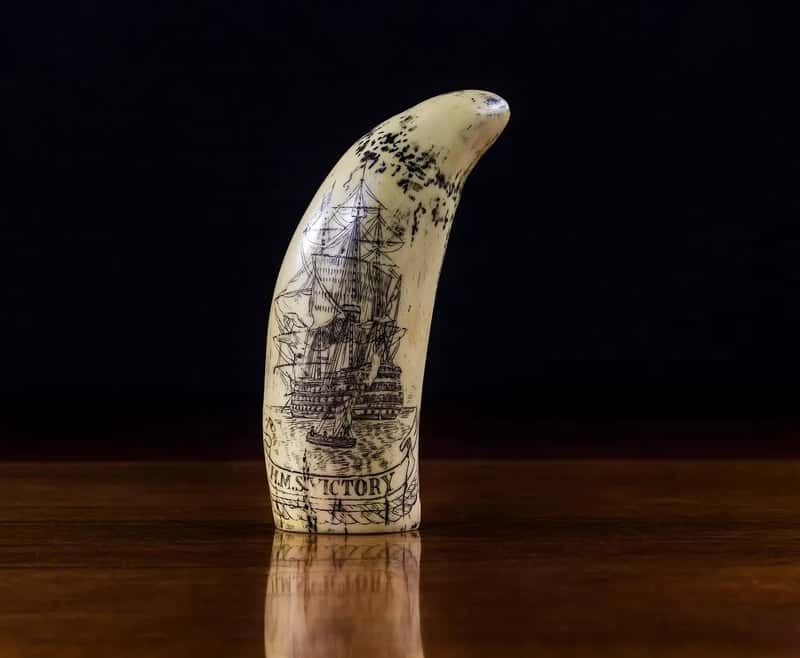
There’s something undeniably striking about a hand-carved ivory figurine picked up from a market in Asia or Africa. The craftsmanship can be extraordinary. But the moment you try to carry one back home, you’re likely stepping into serious legal territory.
Ivory carvings and tortoise shell trinkets are still sold in some markets, but their trade is tightly restricted worldwide. The 2025 update to CITES regulations placed even stricter controls on ivory, aiming to stop the ongoing poaching crisis. Many countries, including the United States and nations in the European Union, have total bans on the import or export of ivory items, even antiques.
Ivory is illegal to bring into the US unless it is at least 100 years old, and you must be able to provide documentation to prove this. Honest opinion? The documentation burden alone makes this practically impossible for the average traveler. Most ivory is prohibited unless accompanied by a permit.
2. Coral and Certain Seashells
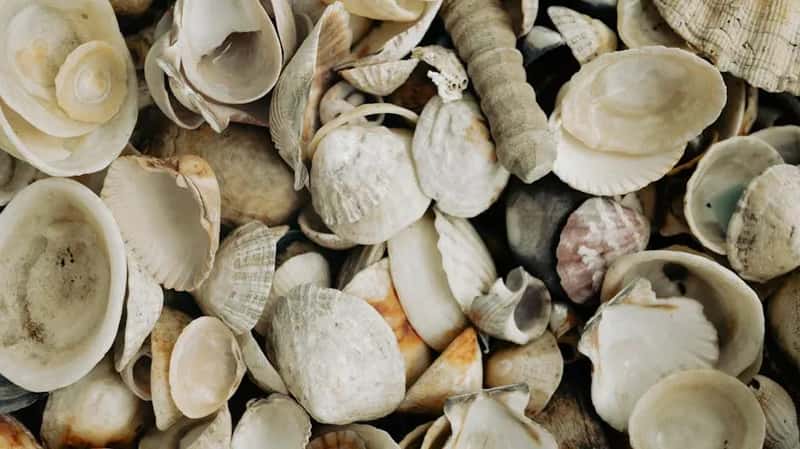
Walking along a tropical beach and slipping a piece of coral into your pocket feels completely harmless. It’s just a rock, right? Wrong. That little fragment of reef could technically earn you a hefty fine and a very unpleasant customs experience.
Coral reefs are valuable, fragile ecosystems and are protected under international regulations such as CITES, the Convention on International Trade in Endangered Species. A 2024 World Wildlife Fund report found that over nearly a third of the world’s coral reefs are now endangered, largely due to human impact and illegal collecting. In countries like Australia, Indonesia, and the Philippines, taking coral or certain shells is illegal and can carry hefty fines.
Customs officers around the world have become much more vigilant, and travelers have faced legal action for even small souvenirs. Removing coral or shells disrupts the ecosystem and can harm local wildlife populations. It really is best to leave it exactly where you found it.
3. Beach Sand and Rocks

Here’s one that genuinely surprises people: filling a little bottle with sand from a beautiful beach as a souvenir is actually illegal in several countries. It sounds absurdly minor. It’s not.
Similar laws exist in Italy, Spain, and other beach-rich countries, where the removal of sand from protected areas can result in fines and in some cases criminal charges. Customs officials are increasingly on the lookout for travelers smuggling sand in their luggage. The loss of sand can lead to beach erosion and impact both tourism and wildlife.
Souvenir rocks, peat, sand, and clay are only allowed through U.S. customs if inspectors find them completely devoid of soil or other organic materials. That’s a nearly impossible standard to meet with a scoop of wet beach sand. Think twice before pocketing that seemingly harmless handful.
4. Exotic Bird Feathers
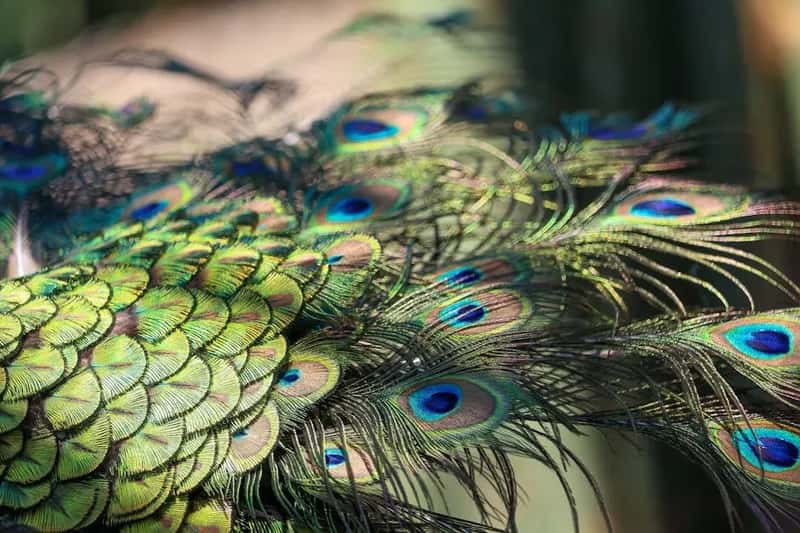
Feathers are sold everywhere from Mexican markets to Southeast Asian bazaars. They look beautiful woven into jewelry or decorative items. Bringing them home, though, can trigger federal wildlife violations that most shoppers never see coming.
In 2023, U.S. Customs intercepted several shipments containing illegal feathers from exotic birds, such as parrots and eagles, intended for crafts or jewelry. Many countries have similar laws to prevent the decline of bird populations due to over-collection. Even picking up a single feather from the ground can be illegal if it comes from a protected species.
Travelers should always avoid buying or carrying feathers unless they have clear documentation and legal permission. And honestly, how many market vendors hand over proper wildlife documentation with a feather necklace? The answer is basically none.
5. Kinder Surprise Eggs
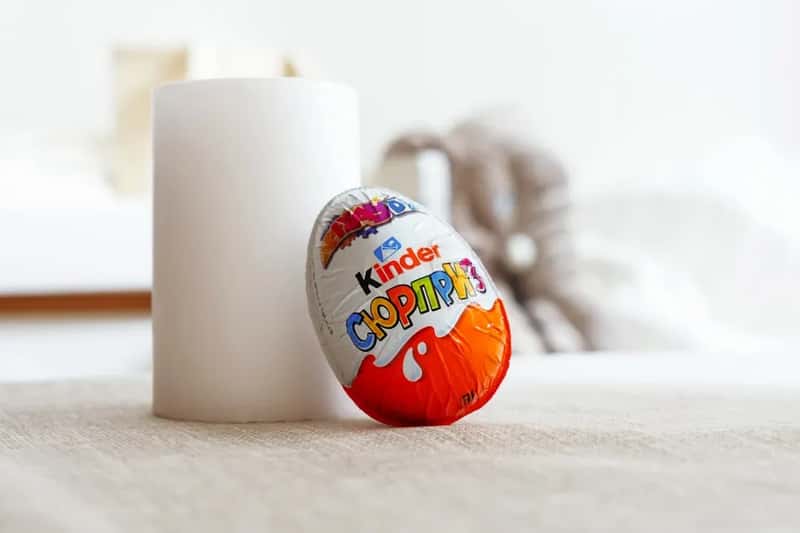
This one consistently shocks people, especially Europeans and Canadians who grew up eating Kinder Surprise eggs without a second thought. In the United States, this beloved chocolate egg is treated with the same seriousness as a controlled substance. No exaggeration.
Since the plastic egg and toy inside are considered inedible and shouldn’t be eaten, the product breaks the 1938 Food, Drug, and Cosmetic Act. CBP has officially reminded the public that Kinder Chocolate Eggs are banned from importation into the United States because the unassembled small toy “surprise” inside poses a choking hazard for young children.
Trying to bring in a Kinder Surprise Egg into the United States can have you facing fines up to $2,500 per egg. Since they are not illegal in Canada and Mexico, U.S. Border Patrol will confiscate the eggs at the border. Based on U.S. Customs and Border Protection data, tens of thousands of Kinder Eggs are seized each year. Yes, really.
6. Ancient Artifacts and Archaeological Items
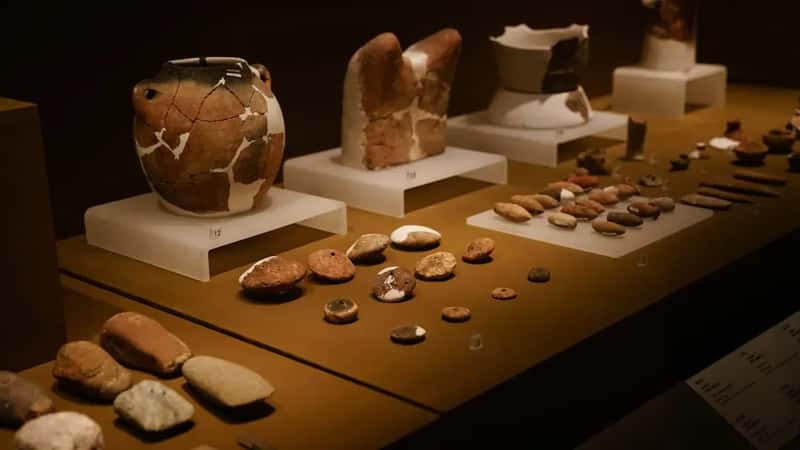
Wandering through the souks of Cairo or the markets of Peru, it’s easy to fall for a beautiful carved figurine or a fragment of ancient pottery. The seller might even swear it’s authentic. That’s exactly the problem.
When visiting a foreign land, some travelers get so fascinated by the art and culture that they decide to bring artifacts home as souvenirs. It may bring a lot of trouble if that piece of art is stolen or unlawful to export under the laws of the nation of origin. According to the U.S. National Stolen Property Act, one cannot claim legal ownership of stolen art, artifacts, or antiquities, regardless of how many times they have changed hands.
Pre-Columbian sculptures from El Salvador and Peru are restricted, as are terracotta figurines from Mali, Khmer stone sculptures from Cambodia, and Native American artifacts from Canada. Customs agencies frequently seize artifacts that tourists attempt to take home without proper documentation. Penalties can include confiscation, fines, and even jail time, depending on the country and the item. Even buying from seemingly reputable shops does not guarantee legality, as many illicit items enter the market through illegal channels.
7. Certain Plants, Seeds, and Bonsai Trees
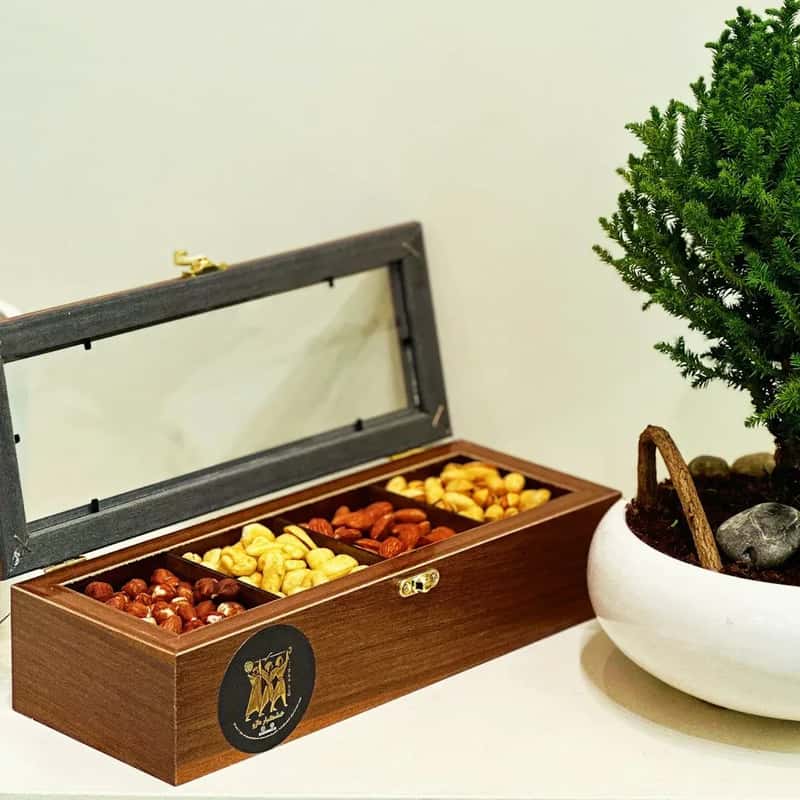
Bringing home a little bonsai tree or a packet of exotic flower seeds might seem like the most wholesome possible souvenir. But customs agents treat these with surprising intensity, and the reasons behind that are genuinely alarming when you dig into them.
Bringing back a rare flower or packet of seeds might seem harmless, but it’s a serious biosecurity risk. Many countries, including the United States, Australia, and members of the EU, have strict laws about importing plants, seeds, or even soil. The USDA’s 2024 guidelines stress that unauthorized plant materials can introduce pests or diseases that harm local agriculture and ecosystems.
Plants and plant-based items raise red flags at the border. Bonsai trees may seem like an elegant, harmless gift, but they can carry soil and insects that pose significant agricultural risks. Seeds, plant cuttings, untreated wooden crafts, and dried floral arrangements are routinely removed from travelers’ luggage. Every year, $140 billion is spent to eradicate and reverse the damage caused by exotic wildlife that throws the country’s ecosystem out of balance.
8. Snakeskin, Crocodile Leather, and Reptile Products
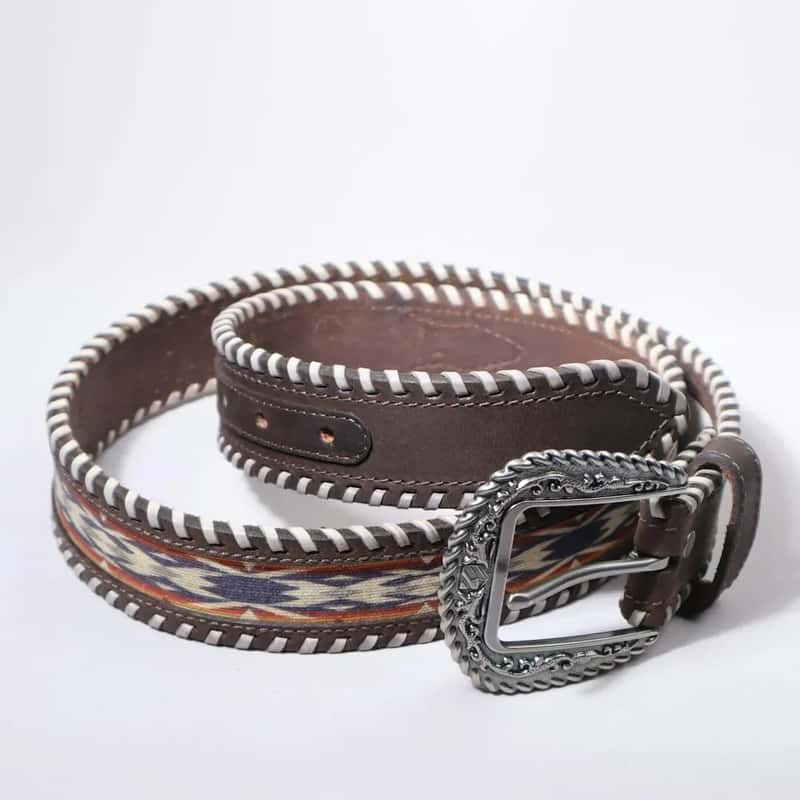
That gorgeous snakeskin wallet or crocodile leather belt in a Bangkok market looks incredible. The price tag probably made it feel like a steal. The problem is that stunning accessories made from reptile skin are among the most regularly flagged items at international customs checkpoints.
Wildlife-derived souvenirs are a close second in customs confiscations after food items. Items such as ivory jewelry or carved whale bones appeal to travelers seeking something rare or culturally meaningful. These objects often fall under CITES regulations, meaning they cannot cross borders without export and import permits.
Similar issues arise with crocodile-leather belts, snakeskin bags, coral sculptures, and turtle shell accessories. Even if purchased from reputable shops, these souvenirs frequently fail compliance checks at the port of entry. I know it sounds extreme, but even a single belt can result in confiscation and a formal customs violation on your record.
9. Fresh Fruits, Vegetables, and Cured Meats

Trying to smuggle home a perfect Spanish jamón or a couple of ripe mangoes from a tropical island sounds like something only the most devoted food lover would attempt. It happens constantly, though, and the consequences are no joke.
A single piece of fruit can carry invasive pests like the Mediterranean fruit fly that could cause billions of dollars in damage to U.S. farms. Meat products can carry animal diseases like Foot-and-Mouth or African Swine Fever. The risk is just too high, so customs maintains a zero-tolerance policy.
While all fresh and frozen fruits and vegetables are prohibited from entering the United States, some dried fruits and vegetables are allowed if they meet specific requirements. First-time offenders who fail to disclose agricultural products at U.S. ports of entry face a $300 civil penalty. Civil penalties for failure to declare prohibited agricultural products may range up to $1,000 per first-time offense for non-commercial quantities, and if the items are determined to be for commercial use, violations are assessed at a much higher rate.
10. Counterfeit Designer Goods
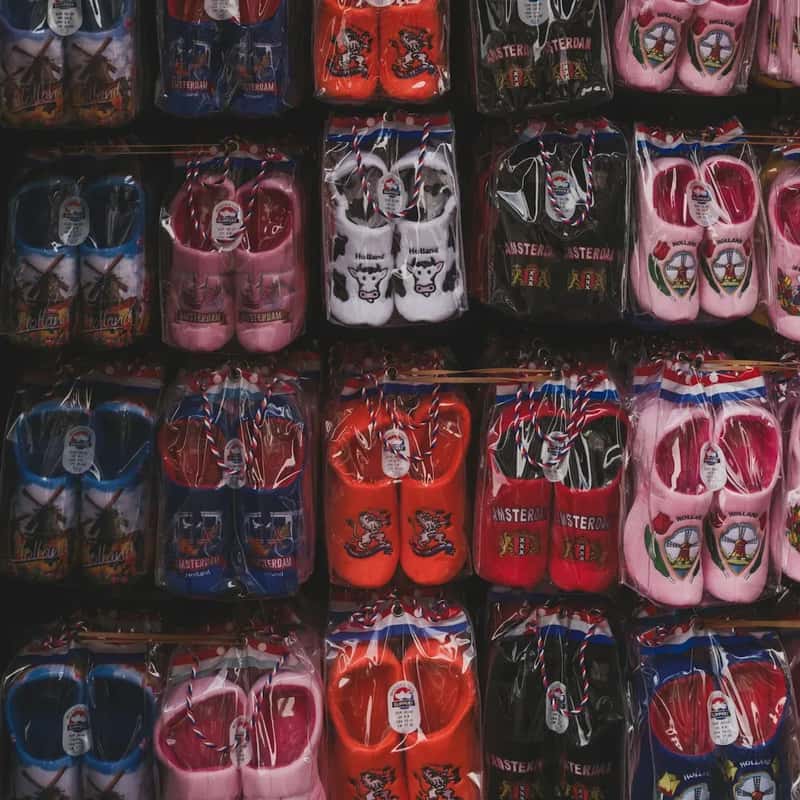
Picking up a “Gucci” bag or a “Rolex” watch from a street vendor for a fraction of the real price feels like finding treasure. In reality, it’s one of the most commonly confiscated souvenir categories at every major port of entry worldwide. The scale of enforcement might genuinely shock you.
During fiscal year 2024, CBP seized over 32 million counterfeit goods with an estimated manufacturer’s suggested retail price worth over $5.4 billion, had the goods been genuine. That number grew even further: during fiscal year 2025, CBP seized over 78 million counterfeit goods with an estimated retail price worth over $7.3 billion.
The United States Customs and Border Protection actively prohibits the importation of counterfeit and pirated goods, including fake brand-name clothing, electronics, and other consumer goods. Nearly 90% of all CBP intellectual property rights seizures came from China and Hong Kong in Fiscal Year 2024. Even personal-quantity items bought abroad as “fun souvenirs” are subject to seizure, full stop.
11. Absinthe (High-Proof or Improperly Labeled)

Absinthe has a legendary mystique, and picking up a bottle in Prague or Paris feels deeply romantic. Many travelers assume that because it’s now widely sold in the U.S., bringing a bottle home from Europe is no problem. That assumption can be costly.
Absinthe that contains more than 10 parts per million of thujone is illegal to bring into the U.S. There are also restrictions regarding labeling. Since many brands of absinthe are now legal in the States, you may not want to risk customs seizing your bottle.
Alcohol and spirits present a consistent area of confusion at customs. Absinthe is confiscated often because bottles purchased abroad are not properly labeled according to U.S. or Canadian standards. Travelers who attempt to bring home more alcohol or tobacco than allowed by duty-free limits also face seizures. High-proof absinthe, particularly anything exceeding 140 proof, faces a strict barrier at U.S. border control. It is classified as a prohibited import, a consequence of historical concerns regarding its association with psychoactive effects from the wormwood component traditionally used in its production.
The Bottom Line: Know Before You Pack
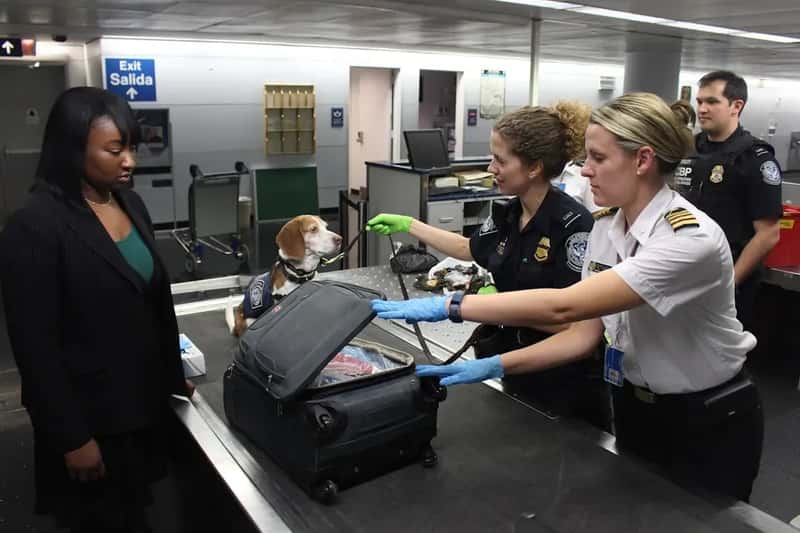
It’s genuinely easy to walk into a customs violation without ever meaning to. The world’s markets are full of beautiful, tempting things. The gap between “for sale here” and “legal to take home” is wider than most people ever realize, and customs agents are not interested in your good intentions.
Customs and Border Protection will prevent you from bringing items that are prohibited or restricted, which require special licenses or permits. By knowing what you can and can’t bring into the country, you’ll save yourself both hassles with customs agents and possibly fines from having something you bought confiscated.
There is virtually no penalty for declaring something unnecessary, but there are plenty of penalties for not declaring something required. Think of it this way: the souvenir that cost you twenty dollars can cost you thousands more if the wrong agent opens your bag. Always check the rules before you buy, and when in doubt, leave it on the shelf.
Did any of these surprise you? Drop your thoughts in the comments below.