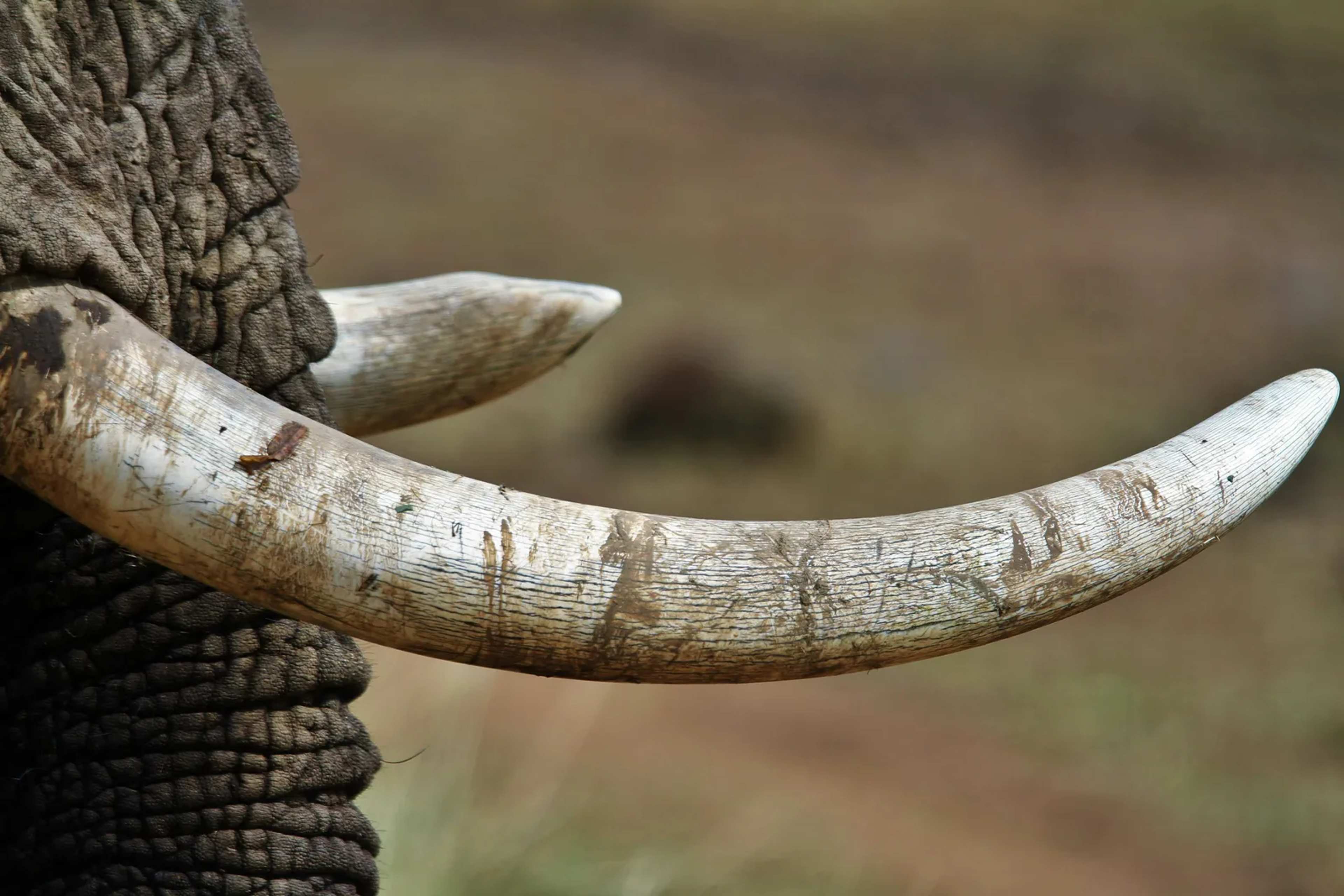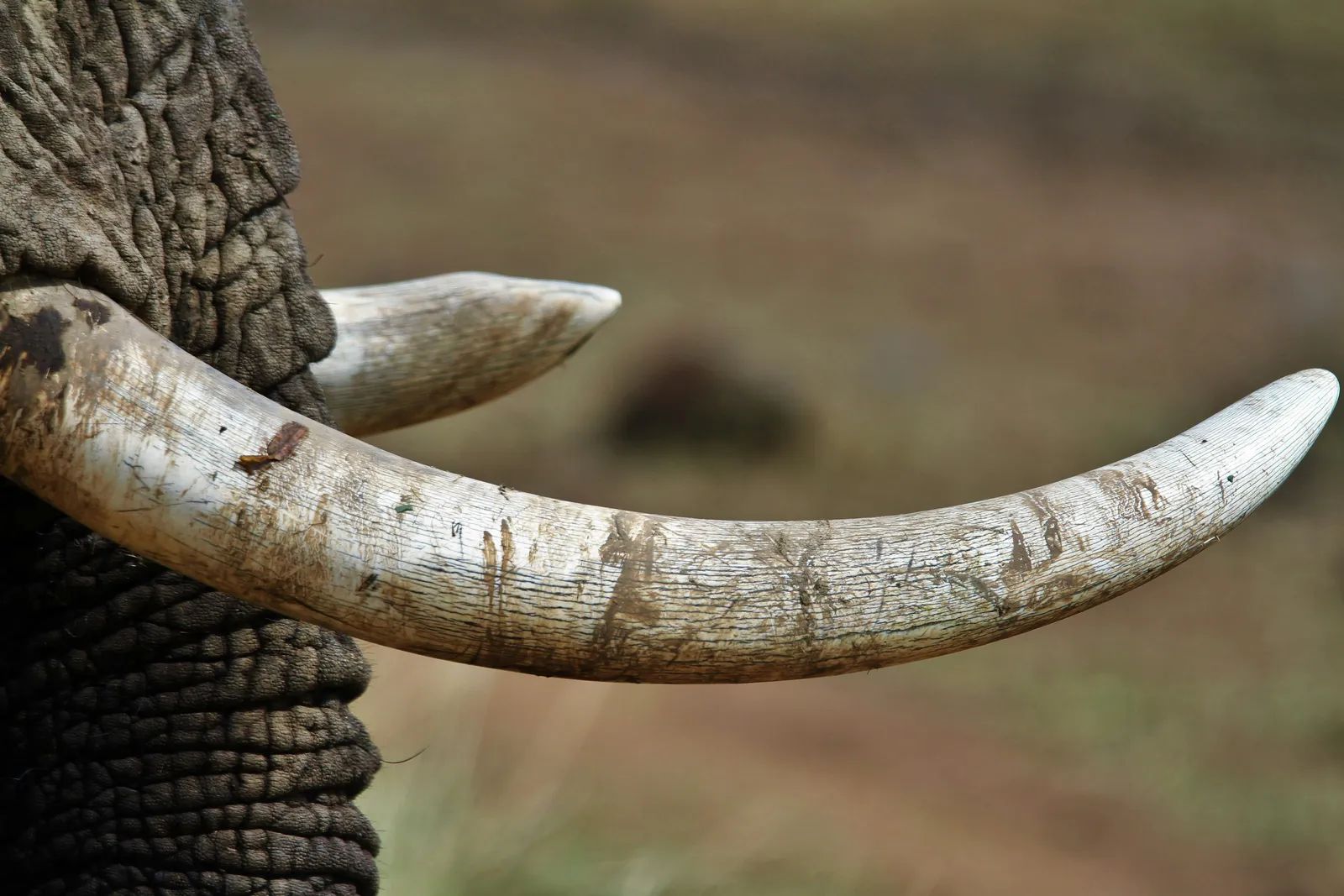
Thai officials intercepted roughly 400 pieces of African elephant ivory concealed inside timber logs shipped from Zambia, exposing a sophisticated attempt to mask the contraband. The two containers, declared as processed timber, arrived at Laem Chabang Port in Chonburi province and were examined by the Department of National Parks, Wildlife and Plant Conservation. DNA analysis will now determine the elephants’ geographic origins, a step that could strengthen international cooperation against trafficking networks. ([1])
Details of the Interception
The shipment reached Thailand in early October and drew immediate scrutiny from port authorities. Inspectors discovered the tusks carefully hidden within the logs, a method that exploits routine timber trade routes. Environment Minister Suchart Chomklin directed a specialized team to catalog every item and prepare samples for forensic examination. The operation underscores how traffickers continue to adapt concealment techniques despite stricter port controls.
Officials emphasized that the volume of ivory exceeds thresholds set by the Convention on International Trade in Endangered Species. Under those rules, large seizures require prompt DNA collection to support enforcement. The Thai team began this process shortly after the announcement on October 7, moving faster than many past cases. This timeline matters because evidence degrades and networks can shift routes before investigators connect the dots.
Role of Forensic Analysis
DNA testing serves a practical purpose beyond identification. Results can reveal whether the ivory originated solely in Zambia or involved elephants from neighboring countries, narrowing the search for poaching hotspots. Thai authorities plan to share findings with Interpol, enabling coordinated action against organizers and destination markets. Early sampling also sets a precedent for other nations handling similar seizures.
Mary Rice of the Environmental Investigation Agency noted that initiating DNA work at this stage reflects stronger leadership in disrupting ivory flows. She pointed out that another major seizure earlier in the year in Zambia has yet to receive comparable analysis. Without consistent forensic follow-through, enforcement gaps allow traffickers to operate with reduced risk of exposure.
Stakeholders and Next Steps
Several groups now share responsibility for advancing the case:
- Thai DNP experts and forensic specialists who will complete the inventory and testing.
- Interpol liaison teams that will use origin data to map trafficking routes.
- Source-country wildlife agencies that may receive requests for further investigation once origins are confirmed.
- International treaty bodies monitoring compliance with CITES reporting deadlines.
Each party faces clear deadlines and data-sharing obligations that could influence future enforcement budgets and training priorities.
Enforcement Implications
The seizure illustrates how timber shipments remain a persistent vulnerability in global supply chains. Traffickers exploit documentation gaps and the sheer volume of legitimate wood trade to move high-value contraband. Successful DNA tracing could prompt tighter inspection protocols at multiple ports and encourage more countries to adopt rapid forensic responses. Over time, such measures raise the operational costs for criminal networks and protect remaining elephant populations from targeted poaching.
Whether the current investigation yields arrests or route disruptions remains to be seen, yet the decision to prioritize genetic evidence marks a measurable shift in how authorities treat large-scale ivory cases. Continued follow-through will determine if this approach becomes standard practice or remains an exception.