Moving to a new country isn’t just about pretty streets and good weather – it’s about everyday life. This data-driven guide to the 10 best countries to live in by quality of life looks at where people actually enjoy the highest standards of living, from income and healthcare to safety, stability, and work–life balance.
Whether you’re thinking about relocating, daydreaming about a fresh start abroad, or just curious how your own country stacks up, these rankings reveal which nations truly deliver when it comes to comfort, opportunity, and long-term happiness. These are the countries where life doesn’t just look good on paper – it feels good day to day.
Luxembourg Takes the Top Spot

Luxembourg leads the 2025 quality of life rankings according to various international quality of life indices. This tiny European nation punches well above its weight when it comes to citizen satisfaction. Despite being small, Luxembourg offers an incredibly high quality of life in a peaceful, easygoing setting where healthcare and education are top-notch and largely public, with free nationwide public transportation and nearly half the population made up of foreigners, creating a naturally international yet close-knit atmosphere.
The country’s success stems from its strategic position between economic powerhouses and its commitment to public services. Citizens enjoy excellent infrastructure, low crime rates, and a stable political environment that fosters both personal and professional growth.
The Netherlands Offers Modern Living Excellence

The Netherlands ranks highly in international quality of life assessments, showcasing why this nation consistently attracts international residents. The Netherlands ranks with a focus on safety, political stability, and excellent public services, while also offering one of the highest levels of income equality, contributing to its high quality of life.
The Netherlands is known for having among the shortest average workweeks among developed nations. This progressive approach to work-life balance, combined with world-class cycling infrastructure and environmental consciousness, creates an appealing lifestyle for residents seeking both professional success and personal fulfillment.
Denmark Dominates Multiple Rankings
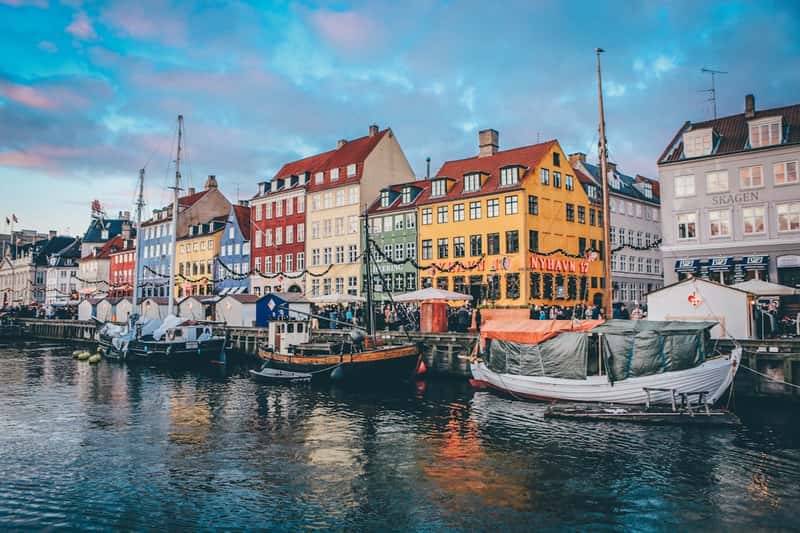
Denmark consistently ranks at or near the top in U.S. News quality of life rankings. The country’s high ranking is due in part to its level of equality and sense of responsibility for social welfare. Some 84% of expats in Denmark are satisfied with their work-life balance, compared to a global average of 60%.
Known for its political and economic stability, Denmark offers free healthcare, subsidized childcare, and free education. The Danish concept of “hygge” represents more than just coziness; it embodies a cultural commitment to finding joy in simple pleasures and maintaining strong social connections.
Switzerland Combines Prosperity With Natural Beauty

According to the 2024 Human Progress Index (HPI) report by CEOWORLD Magazine, Switzerland is the world’s best country for quality of life. Switzerland ranks third for quality of life, boasting economic stability and a top-notch healthcare system, and while it may be expensive, the well-developed public services and picturesque landscapes make it highly desirable. Switzerland ranks among the highest in Human Development Index measures, underscoring its highly developed healthcare, income levels, and educational standards.
The Swiss model demonstrates how high living costs can be offset by exceptional quality in every aspect of life. From pristine mountain environments to world-class financial services, Switzerland offers a unique blend of natural beauty and urban sophistication.
Finland Champions Happiness and Stability

Finland has earned the title of the world’s happiest country for several years running, including in the 2024 World Happiness Report. Finland is renowned for its happiness and stability, with excellent healthcare and education systems offering residents a balanced lifestyle, and like its Scandinavian neighbors, Finland focuses on social welfare and equality.
Healthcare and education, even at the university level, are free, and work-life balance is taken seriously, with nature everywhere and deeply cherished through forests, lakes, and the northern lights as part of daily life. The Finnish concept of “sisu” represents a quiet strength that helps people navigate life’s challenges with resilience and calm.
Norway Excels in Social Welfare
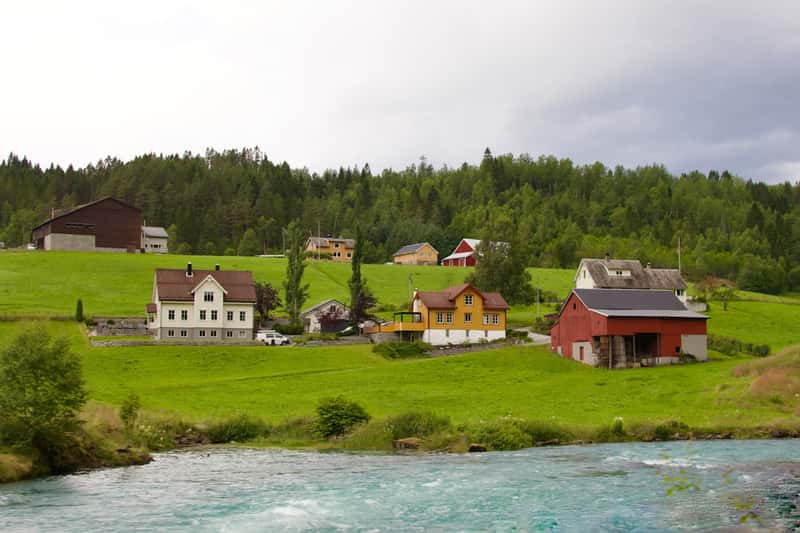
Norway ranks fourth, thanks to its comprehensive public health system, political stability, and focus on social welfare, excelling in providing safety and job satisfaction, with strong policies for work-life balance. Norway shares many of Switzerland’s best qualities, including very high per-capita wealth and a comprehensive national healthcare system that delivers medical attention to all patients regardless of their financial status, frequently ranking as one of the world’s most democratic countries with one of the lowest crime rates.
The Norwegian model proves that natural resource wealth, when properly managed, can create lasting benefits for all citizens. The country’s sovereign wealth fund ensures that oil revenues translate into long-term prosperity and social stability.
Canada Leads the Americas

Canada comes in fifth place, known for its family-friendly environment, excellent public services, and high level of income equality. Canada may have fallen two places this year, but it remains the only country in the Americas to feature in the top ten for life-work balance. Canada fits the criteria well for families with children, with strong family support, developed infrastructure, and a stable social system.
Canada’s vast natural spaces, multicultural cities, and progressive policies create an environment where diversity thrives alongside high living standards. The country’s healthcare system and educational opportunities make it particularly attractive to young families and professionals seeking stability.
Germany Balances Work and Life Effectively

Germany ranks seventh, driven by its economic strength and well-developed public services, with healthcare and education systems among the best in the world, making it a top choice for quality of life. Rising two places from the 2024 ranking, Germany climbs to position four in the 2025 life-work balance index, with punctuality and professionalism seen as German values, but there’s also a strong emphasis on working smarter, not harder.
Germany’s “Mittelstand” economy, built on skilled craftsmanship and innovation, provides stable employment while maintaining strong worker protections. The country’s cultural richness and central European location make it an ideal base for both career development and lifestyle enjoyment.
Australia Offers Unique Lifestyle Benefits

Australia ranks eighth, offering a high quality of life through its well-developed healthcare and public education systems, known for its laid-back lifestyle and natural beauty, making it a popular destination for expats. The top 10 includes Australia, with these countries having a stable economy, developed infrastructure and a high standard of living, with top performers including Australia among major international rankings.
Australia’s appeal lies in its combination of modern urban centers and pristine natural environments. The country’s strong economy, favorable climate, and cultural emphasis on outdoor living create an enviable lifestyle that attracts people from around the world.
Iceland Delivers Small Nation Excellence

Norway and Iceland are next in the CEOWORLD rankings, with Iceland being a small yet socially advanced nation with free healthcare and education, low crime, robust social safety nets, and one of the highest per-capita GDPs while relying heavily on green energy. Iceland, with an HDI of 0.959, comes third on the list, showcasing excellent standards.
Iceland’s unique position as a Nordic island nation allows it to combine Scandinavian social policies with a distinctive cultural identity. The country’s commitment to renewable energy and environmental protection creates a sustainable model for modern living that other nations increasingly study and emulate.
Multiple international organizations use sophisticated methodologies to measure the quality of life. A total of 44 factors were used to calculate the quality of life, with data from organizations including The World Bank Group, CIA Factbook, OECD, UNESCO Institute for Statistics, Transparency.org, UNHCR, German Weather Service and indep, and independent research. These rankings consistently show that the countries offering the best quality of life share common traits: strong social safety nets, excellent public services, political stability, and cultures that prioritize work-life balance alongside economic prosperity.
What would you choose if you could live anywhere in the world? Tell us in the comments.