Walk into a coffee shop in Amsterdam, a co-working space in Vienna, or a ferry terminal in Copenhagen, and there’s a good chance the conversation will slide into English without anyone missing a beat. That’s not an accident of geography. It reflects decades of deliberate schooling choices, media habits, and economic pressure that have turned English into a genuine second language for millions of Europeans rather than a subject they merely studied for a test.
Every year, EF Education First publishes its English Proficiency Index, drawing on millions of test results from adults around the world to rank countries by how well non-native speakers actually use English. The latest edition, released in late 2025 and based on 2024 test data, offers the clearest picture yet of where fluency runs deepest, and the answers are almost entirely European, with a few familiar names swapping places near the top.
1. The Netherlands

The Netherlands has topped this ranking so consistently that it barely counts as news anymore, yet the numbers still stand out. In the 2025 edition, the Netherlands sits at number one out of 123 countries and regions, holding the very high proficiency band and ranking first among 37 European nations. The country scored 624 points, comfortably ahead of the pack.
Part of the explanation lies in how the Dutch consume media. Television and film are rarely dubbed, so children grow up hearing English dialogue with subtitles rather than voiceovers, which trains the ear early. Add a school system that introduces English instruction in primary grades and a business culture that operates in English by default, and fluency becomes less of an achievement and more of a daily habit.
2. Croatia
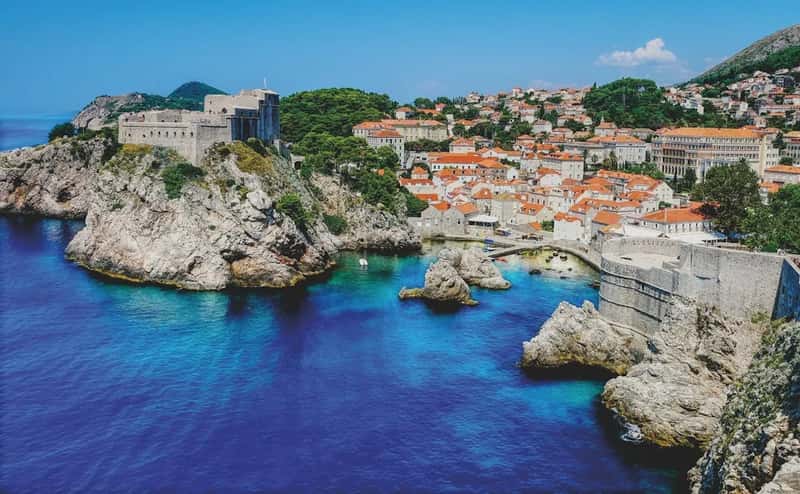
Croatia’s rise to second place surprised even some longtime observers of the index, since the country isn’t always mentioned in the same breath as the traditional Nordic frontrunners. The Netherlands remains number one, followed by Croatia and Austria, both of which improved their rankings. That climb reflects a broader Balkan trend of younger generations gaining confidence in English through gaming, streaming, and social media.
Tourism plays an outsized role here too. With millions of visitors arriving along the Adriatic coast each summer, Croatians working in hospitality, retail, and transport have strong practical incentives to keep their English sharp year round. That everyday exposure, layered on top of formal schooling, appears to be paying off in the test scores.
3. Austria

Austria landed just behind Croatia with a score of 616, placing it firmly in the very high proficiency band alongside its northern and western European neighbors. Vienna’s role as a hub for international organizations, from the United Nations to various diplomatic missions, keeps English in constant use across white-collar sectors of the economy.
Austrian schools also tend to introduce foreign language instruction early, and German speakers generally find English grammar and vocabulary easier to absorb than speakers of more linguistically distant languages. That structural head start, combined with steady exposure through business and academia, helps explain why Austria consistently lands near the very top of these rankings year after year.
4. Germany
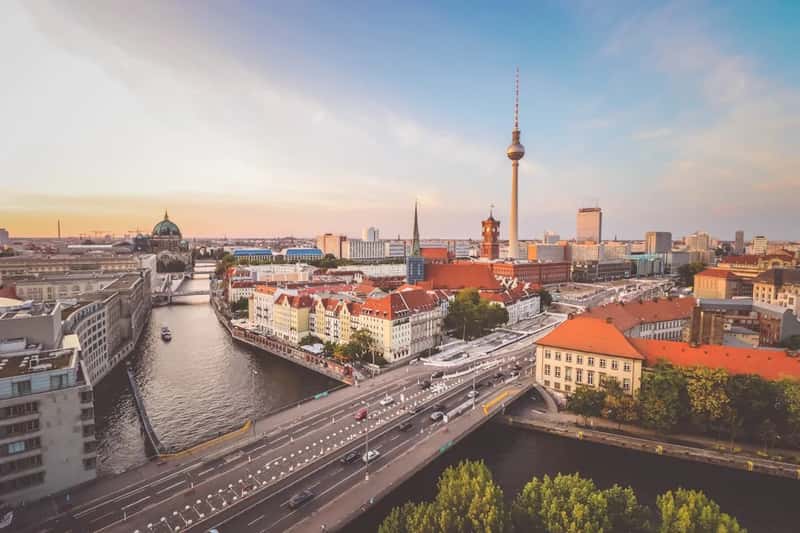
Germany’s fourth-place finish marked one of the more notable movements in the 2025 index. Germany climbed to number four with one of the biggest gains in Europe. With a score of 615, the country now sits just behind Austria, a shift that reflects sustained investment in bilingual education and the growing dominance of English in German tech and finance sectors.
Berlin’s startup scene, in particular, often operates entirely in English, even among teams where no one grew up speaking it natively. University programs increasingly offer English-taught degrees to attract international students, which in turn pushes domestic students to sharpen their own skills to keep pace with classmates and coursework.
5. Norway

Norway has long been a fixture near the summit of this index, and while it slipped slightly from its earlier standing, a score of 613 still keeps it comfortably in fifth place. Norwegian television, much like Dutch programming, leans heavily on subtitled rather than dubbed content, giving viewers constant informal exposure to spoken English from childhood onward.
The country’s small population and export-driven economy also mean that English functions as a practical bridge language for trade, shipping, and energy sectors that depend on international partnerships. Norwegians tend to describe English less as a foreign language and more as a professional necessity, which shows in how naturally many switch between the two.
6. Portugal

Portugal’s sixth-place finish, with a score of 612, reflects steady gains rather than a sudden leap. The country has quietly built a reputation for strong English skills over the past decade, helped along by a tourism industry that depends on multilingual staff and a growing tech sector centered around Lisbon and Porto.
Portuguese schools introduce English early and often treat it as a near-mandatory subject through secondary education. The rise of Portugal as a destination for remote workers and digital nomads has added further pressure, and opportunity, for locals to keep their English conversational and workplace-ready.
7. Denmark
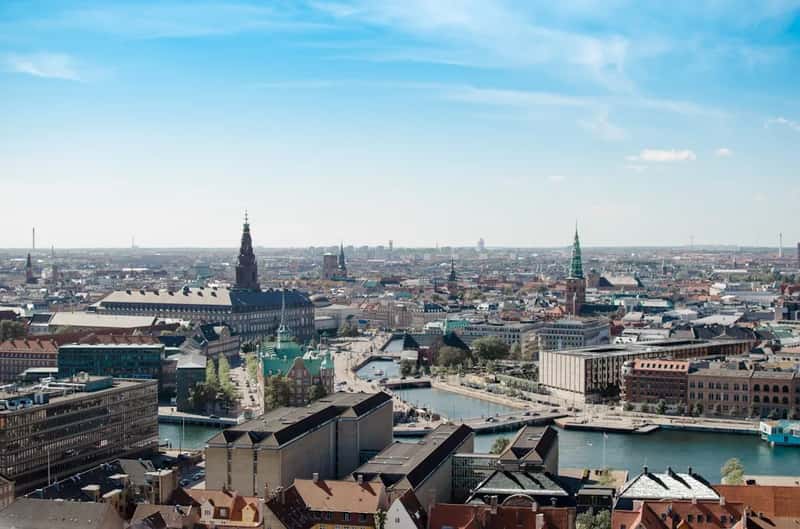
Denmark’s score of 611 keeps it just inside the top tier, continuing a long tradition of strong Scandinavian performance in this index. Danish television, like its Dutch and Norwegian counterparts, favors subtitles over dubbing, and English-language content from streaming platforms has only reinforced that early exposure.
Danish universities also offer a substantial number of English-taught master’s programs, drawing international students and pushing domestic learners to match that standard. Business culture in Copenhagen, especially in shipping, pharmaceuticals, and design, frequently operates in English as a matter of course rather than exception.
8. Sweden
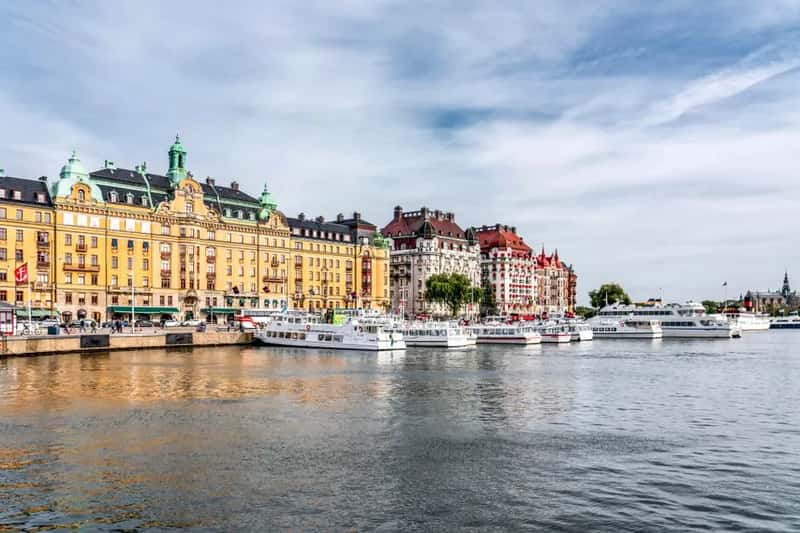
Sweden rounds out the upper half of the ranking with a score of 609, a slight dip from its earlier years near the very top but still solidly in the very high proficiency category. Swedish schools begin formal English instruction remarkably early, often by age seven or eight, and the subject carries real weight throughout the curriculum.
Swedish pop culture’s global reach, from music to gaming to television exports, has created a feedback loop where English fluency is both a cultural export and an import. Many young Swedes report feeling as comfortable reading and writing in English as they do in their native language, particularly online.
9. Belgium

Belgium’s ninth-place score of 608 reflects a country where multilingualism is already baked into daily life, given the split between Dutch, French, and German speakers. English often serves as the practical common ground between these groups, especially in business and academic settings in Brussels.
The presence of major European Union institutions in Brussels adds another layer of English usage that goes beyond typical classroom instruction. Civil servants, lobbyists, and international staff working across EU bodies frequently rely on English as the default working language, which filters into the broader local job market.
10. Slovakia
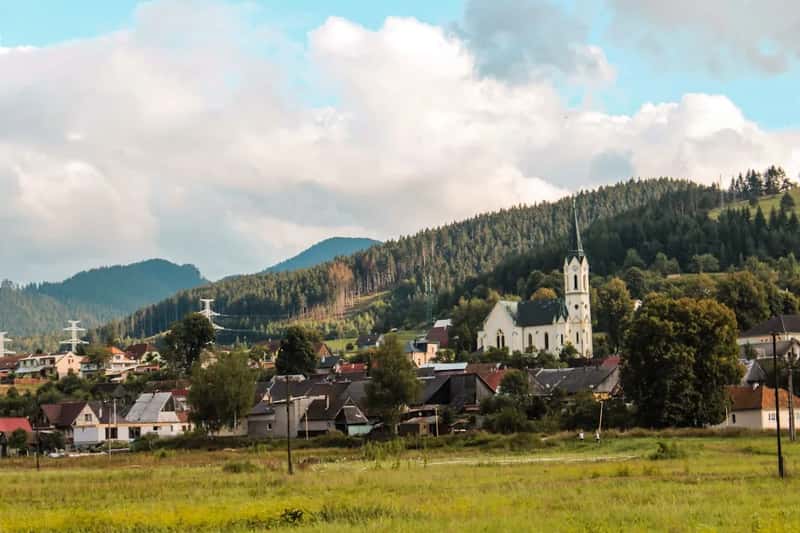
Slovakia closes out the top ten with a score of 606, making it the highest-ranked country from Central and Eastern Europe in this year’s index. That placement marks a meaningful shift for a region that historically scored lower on these rankings than its western neighbors.
Slovak schools have leaned into English instruction as a path toward better job prospects, particularly as multinational manufacturing and tech companies have expanded operations in the country. Younger Slovaks in particular appear to be driving the improvement, benefiting from more consistent access to English media and international travel than earlier generations had.
What the rankings actually measure

It’s worth remembering that this index measures adult test takers who chose to sit an English exam, not the entire population of a country. The test takers were self-selected, and 123 countries and territories appear in this edition of the index. That means the numbers say more about a segment of motivated learners than about universal fluency across an entire nation.
Singapore’s absence from the current list is a useful reminder of how these rankings shift for administrative reasons as much as linguistic ones. Singapore, which had long ranked highly and was frequently the top performer in Asia in earlier editions, was excluded from the index since 2025 after being re-classified as a native English-speaking country. The list, in other words, is a snapshot of non-native proficiency, not a complete map of where English is spoken well worldwide.