Most people picture a World Heritage Site as a single landmark, a temple or a cathedral or a reef. The list itself is far bigger than that. After this summer’s Busan meeting, it stands at 1,273 sites spread across 173 countries.[1]
Those sites aren’t spread evenly, and the gaps between countries are often bigger than you’d expect. The ranking below uses 2026 figures, and it counts a shared property once for every country that takes part in it. That’s why totals can differ slightly between sources.
1. Italy: 62 Sites
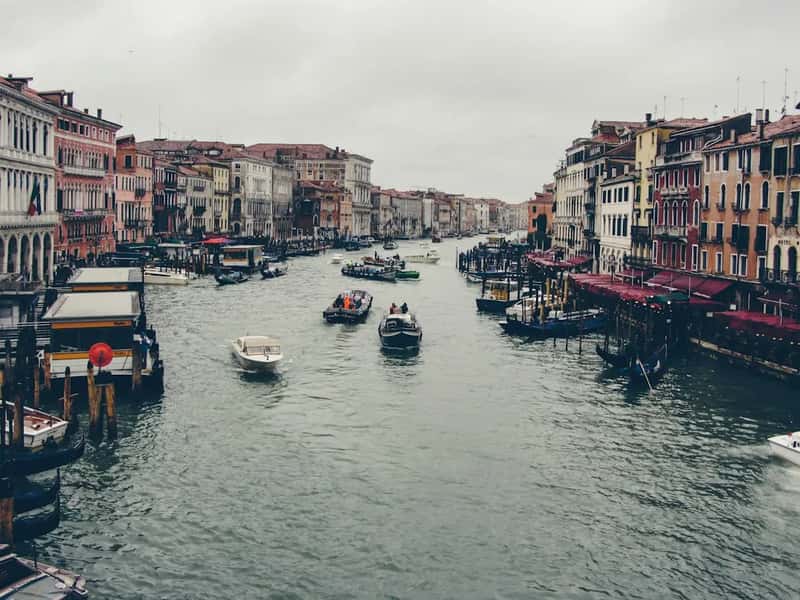
Italy leads the world with 62 UNESCO World Heritage Sites, narrowly ahead of China with 61.[2] The lead is small, but it has held for years.
Its position reflects a dense concentration of heritage, spanning Roman antiquity, medieval cities, and Renaissance art and architecture.[3] One recent addition was the Domus de Janas, a group of rock-cut tombs in Sardinia created between the fifth and third millennia BCE.[4] Not every entry is a famous monument, then.
2. China: 61 Sites
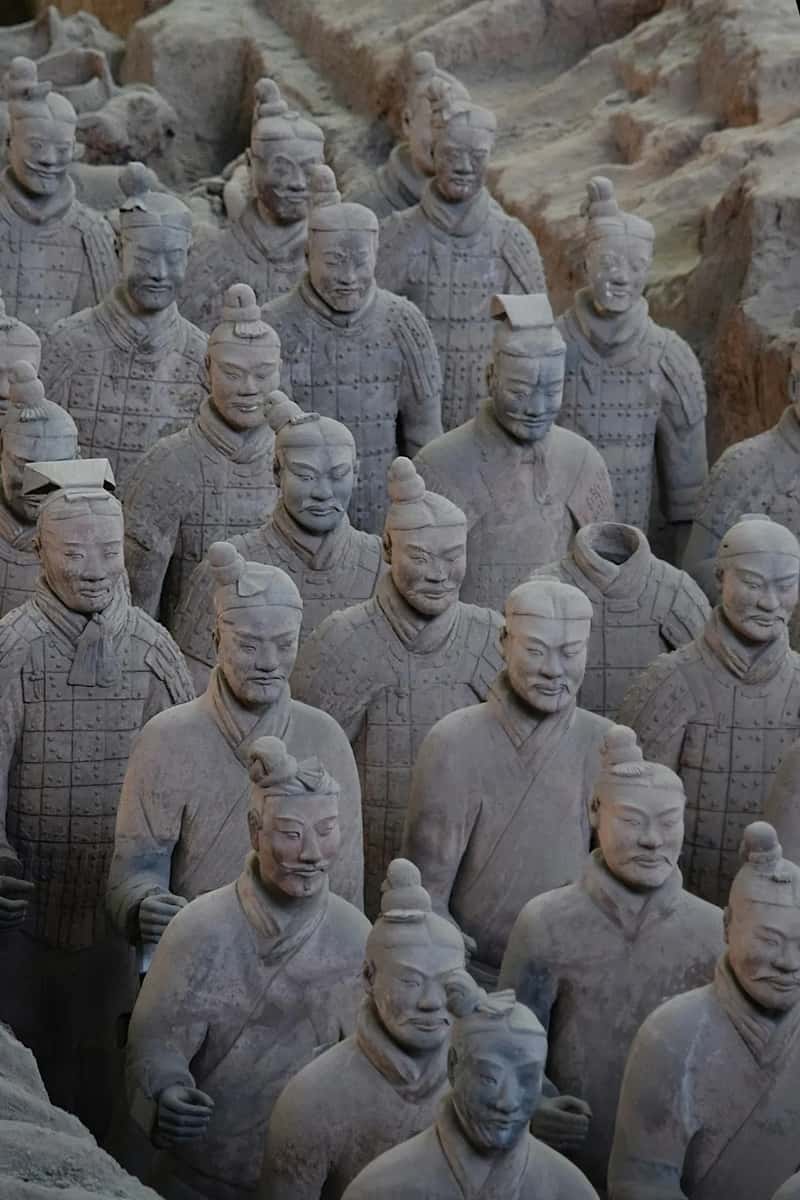
China sits one place behind Italy. Its 61 sites cover thousands of years of history, including imperial and religious heritage and archaeological sites, alongside natural properties such as biodiversity hotspots, karst formations and mountain regions.[5]
The mix is more balanced than Italy’s. In March 2026, when China had 60 properties, UNESCO’s country page showed 41 cultural, 15 natural, and 4 mixed.[6] The Xixia Imperial Tombs, the imperial cemetery of the Xixia Dynasty, were added in 2025.[4]
3. France: 56 Sites
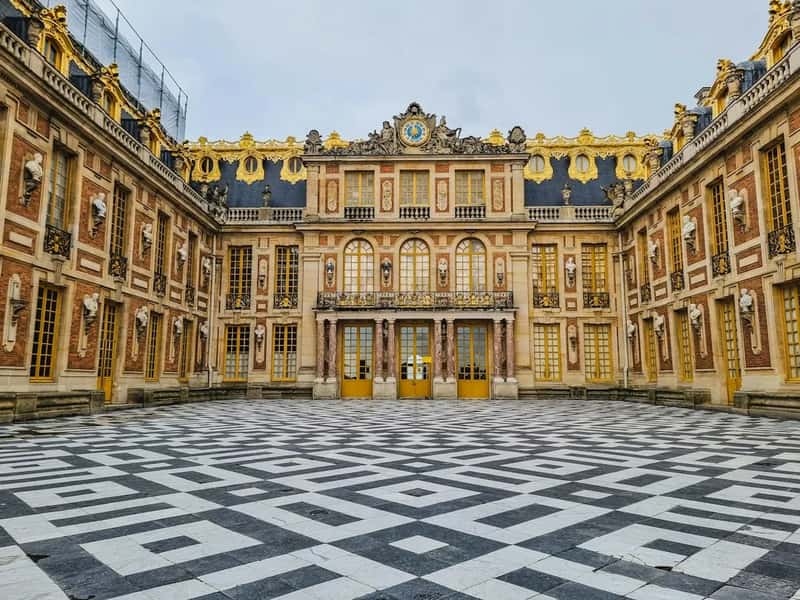
France ranks third with 56 sites.[5] That’s a step up from earlier in the year, since UNESCO’s country pages in March showed France with 54.[6]
The list includes names most travelers know well. Examples include the Pont du Gard, Notre-Dame Cathedral, and Versailles.[7] Together they show how much of France’s heritage is architectural.
4. Germany: 55 Sites
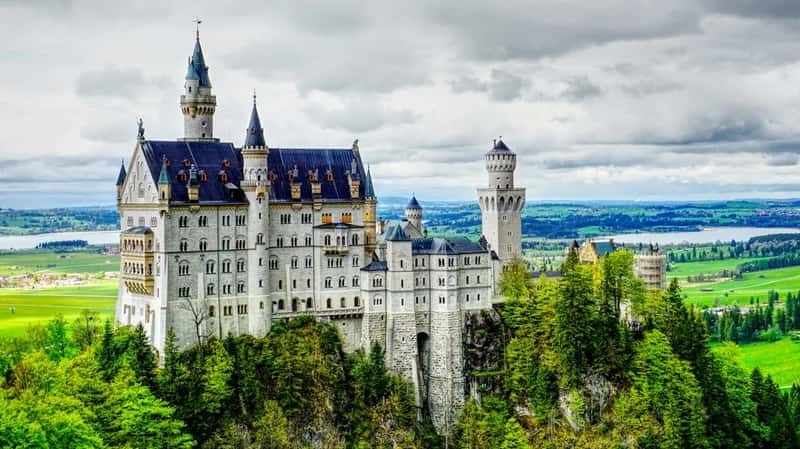
Germany comes fourth with 55. Of these, 52 are cultural properties.[6]
Its ranking rests on churches, historic towns, frontier remains, industrial landscapes, and architectural ensembles such as Aachen Cathedral and Cologne Cathedral.[6] The most recent German addition in the sources I found is the group of palaces of King Ludwig II of Bavaria, including Neuschwanstein, added in 2025.[4]
5. Spain: 50 Sites
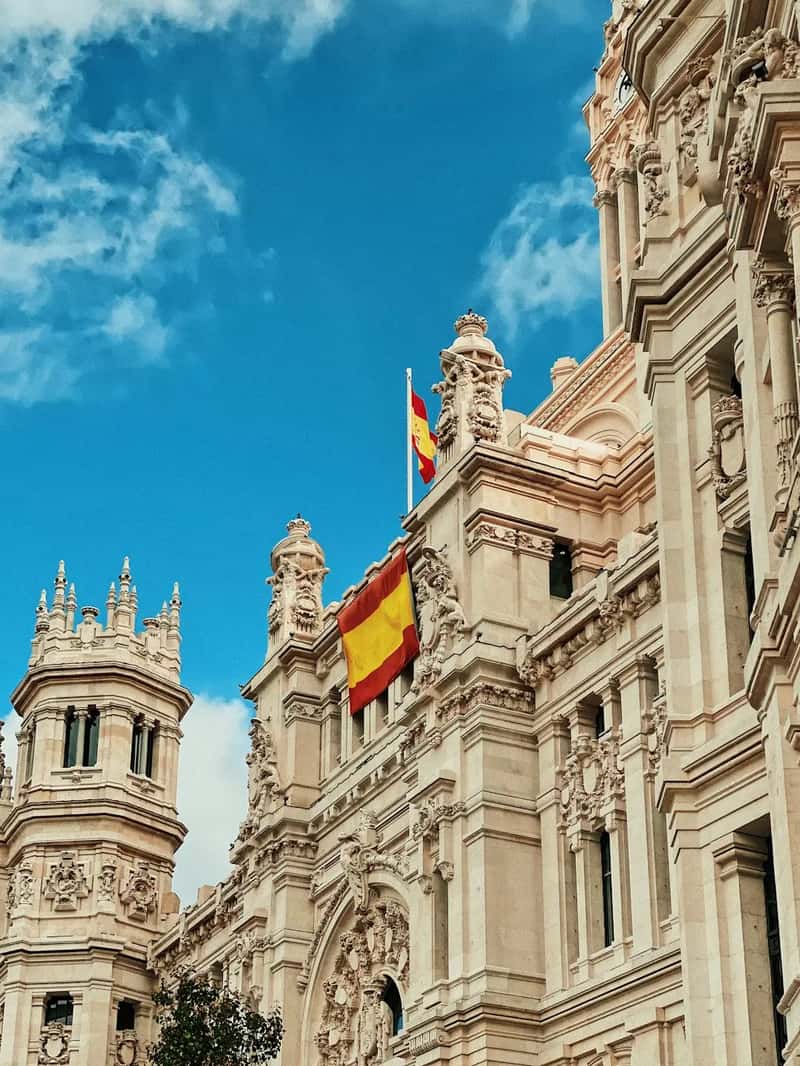
Spain follows Germany with 50 sites.[5] Its figure hasn’t moved in the comparisons I looked at, which ran from March to September 2026.
The Alhambra, the Sagrada Familia and the pilgrimage city of Santiago de Compostela are among its best known entries. Spain’s list also includes natural areas. Garajonay National Park is one example.[8]
6. India: 45 Sites
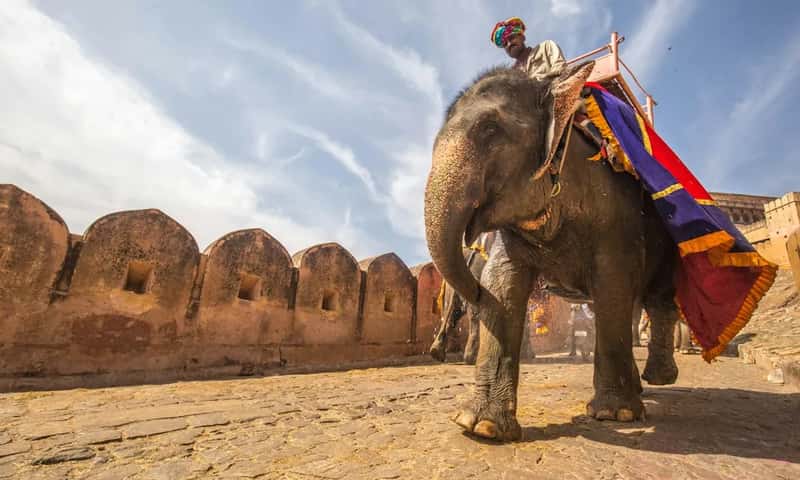
India ranks sixth globally with 45 sites, nine more than Mexico.[2] That makes it the highest ranked country outside Europe and East Asia.
The Ancient Buddhist Site of Sarnath was inscribed during the 48th session in Busan.[9] Its list ranges widely, from Mughal masterpieces like the Taj Mahal to ancient Buddhist and Hindu rock cut temples.[10]
7. Mexico: 36 Sites
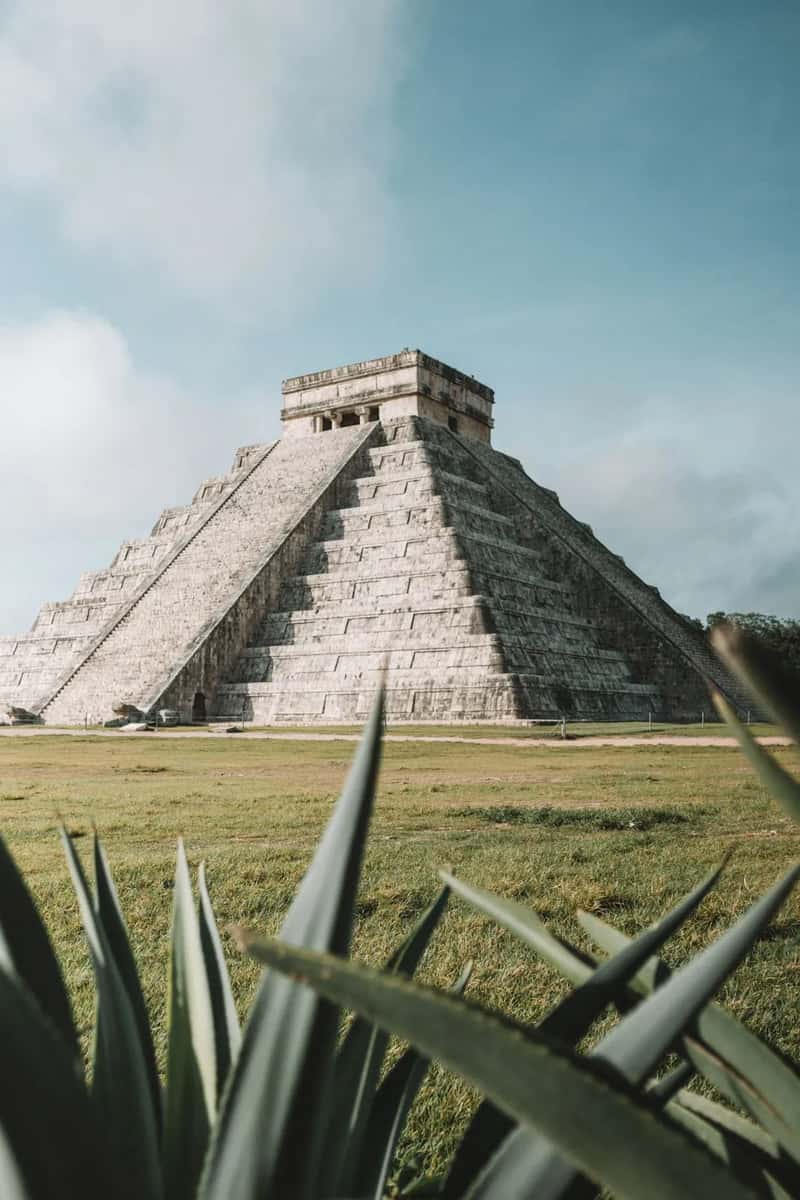
In the Americas, Mexico is the clear leader with 36 sites.[10] No other country in the region gets close.
Its high ranking stems from a mix of pre-Columbian archaeological wonders like Teotihuacan and well preserved Spanish colonial cities.[10] Natural sites such as the Monarch Butterfly Biosphere Reserve add to the picture.[11]
8. United Kingdom: 35 Sites
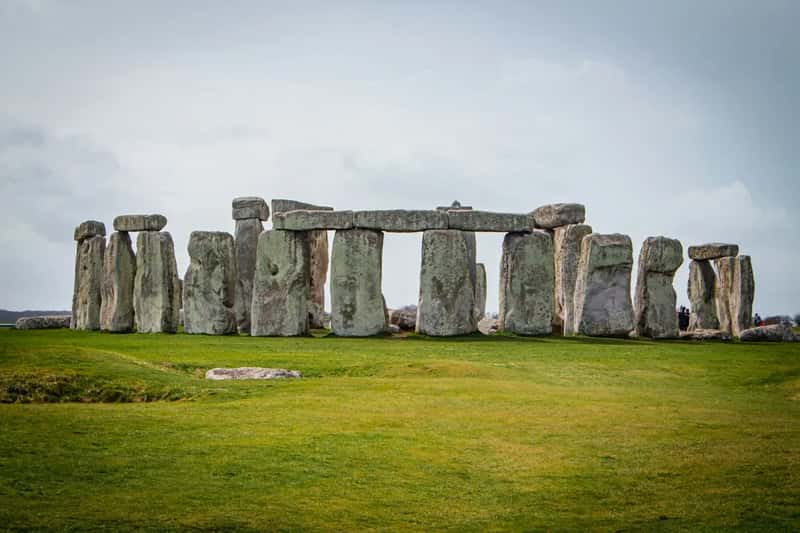
The United Kingdom has 35 sites.[5] It covers a broad stretch of time.
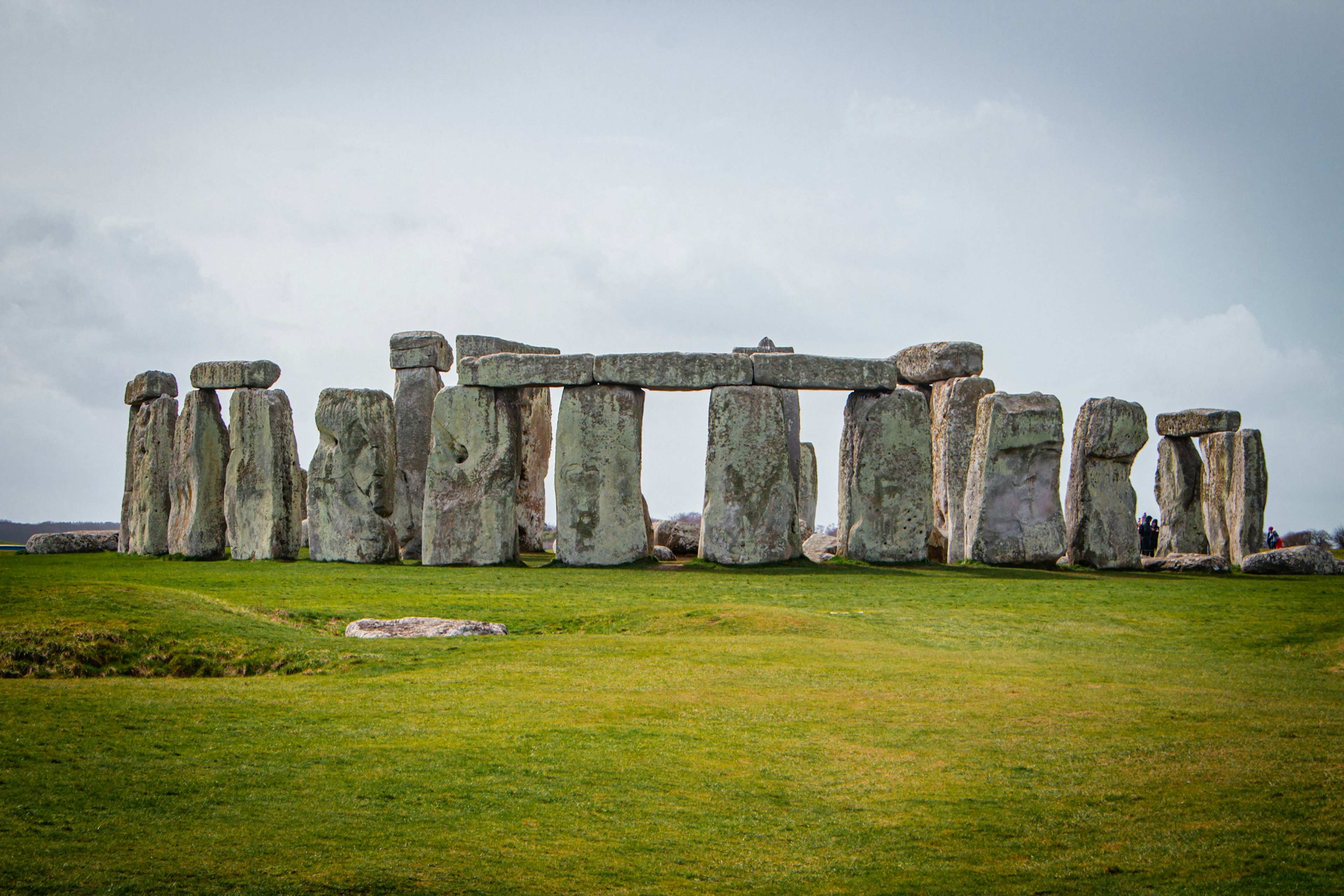
The list runs from prehistoric Stonehenge and the Jurassic Coast to the Palace of Westminster and Maritime Greenwich, with Giant’s Causeway and Hadrian’s Wall too.[11] Membership isn’t permanent, though. The Liverpool waterfront was removed in 2021.[12]
9. Russia: 33 Sites
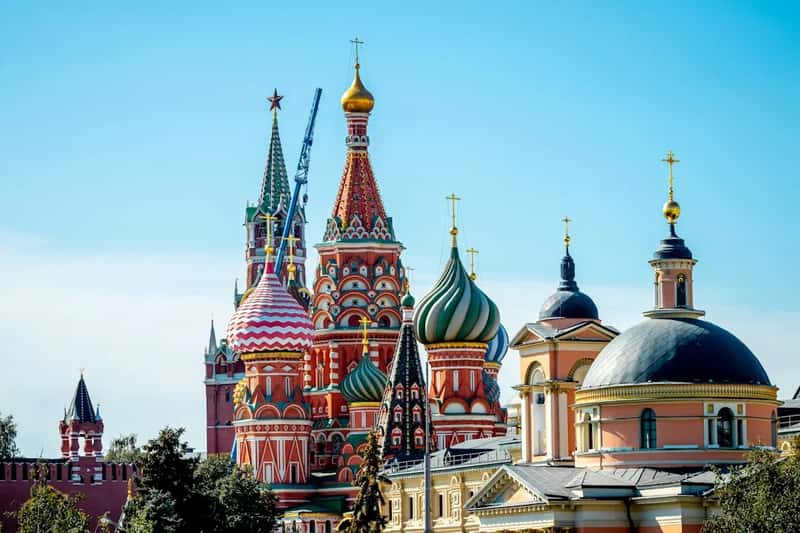
Russia has 33 sites.[5] The country’s entries mix grand architecture with vast wilderness.
The Moscow Kremlin, Red Square, and the Historic Centre of Saint Petersburg represent centuries of political and artistic achievement.[11] Lake Baikal and the Volcanoes of Kamchatka showcase some of Earth’s most unusual ecosystems.[11]
10. Iran: 30 Sites
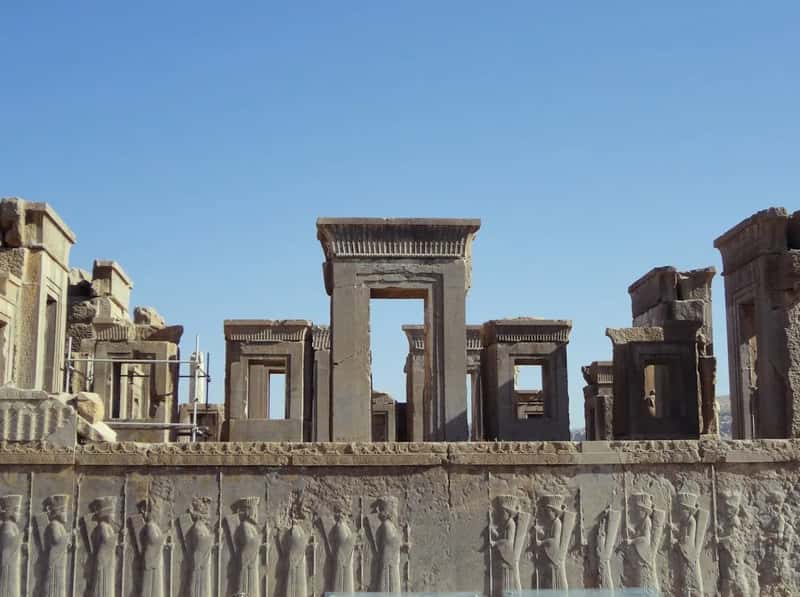
Iran completes the top 10 with 30 sites.[3] Earlier in 2026, one ranking put Iran at 29.[10] Sources have differed slightly on the count.
Among the most celebrated examples are Persepolis, Pasargadae, Meidan Emam in Isfahan, the Sheikh Safi al-din Khānegāh, and the Lut Desert.[11] Just behind Iran, Japan and the United States have 27 each.[5]
The Wider List Today
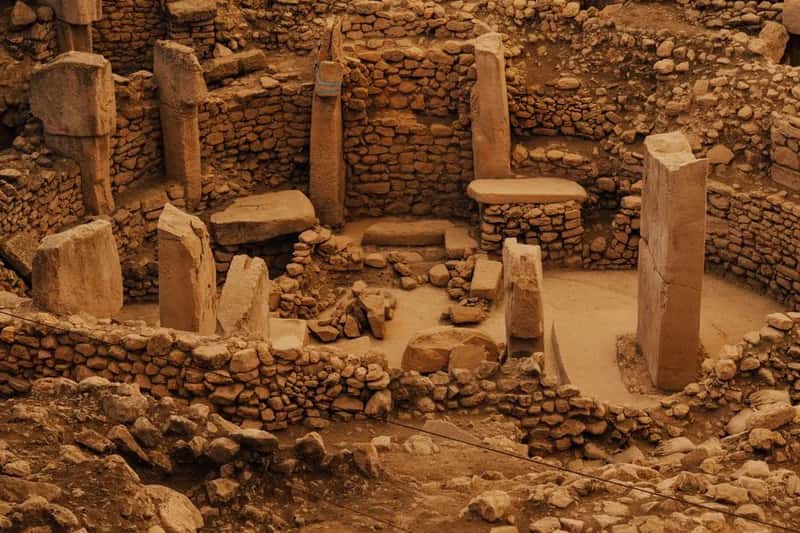
UNESCO’s World Heritage Committee closed its 48th session in Busan on July 29, 2026, after adding 25 properties.[1] Nineteen were cultural, five natural and one mixed.[9]
The session also brought the first ever inscriptions for Comoros, São Tomé and Príncipe, and South Sudan.[13] The next committee session has no announced date or location yet.