Most people assume the standard workweek looks roughly the same everywhere: five days, eight hours a day, maybe a little overtime thrown in. The reality is far messier. Depending on where someone lives, the number of hours spent earning a paycheck can differ by more than a full workday, and sometimes by two.
Labor economists track this using modelled estimates from organizations like the International Labour Organization, often reproduced and updated through sources such as World Population Review. The numbers tell two very different stories depending on which end of the list you’re looking at. Some countries land near the bottom because of strong labor protections and a cultural preference for balance. Others land there for far less comfortable reasons, including conflict, informal labor markets, or chronic underemployment. Here’s a look at both extremes.
1. Yemen: 22.95 hours a week

Yemen ranks first with 22.95 average weekly hours according to ILO modelled estimates. On paper, that makes it the country with the lightest workload on earth. In practice, the figure says far more about a fractured economy than about employee wellbeing.
Years of conflict have disrupted formal employment, closed businesses, and pushed many workers into irregular or part-time arrangements simply because steady, full-time jobs are scarce. This should not be interpreted as proof that Yemen has the world’s best overall work-life balance. It’s a case where a low number reflects hardship rather than choice.
2. Netherlands: roughly 26.6 hours a week
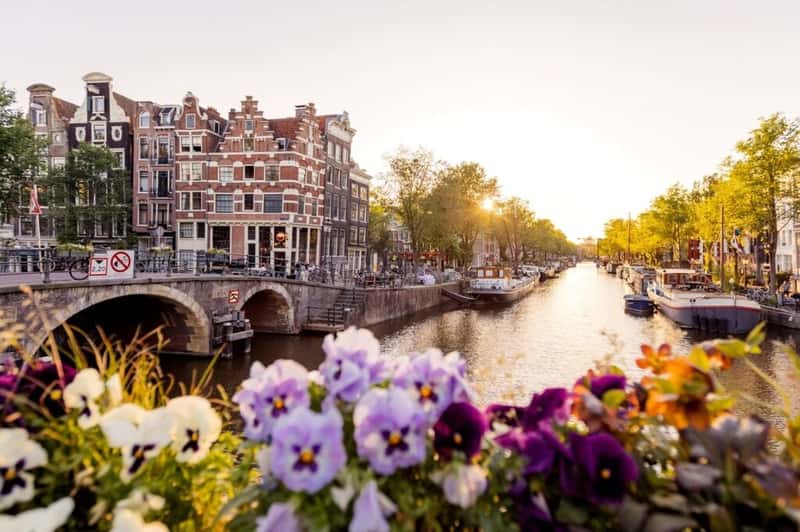
The Netherlands is the country most people picture when they think of a short workweek, and the data backs that up, placing it at Netherlands · 26.57 h in the ranked estimates. Unlike Yemen, this number reflects a genuine national preference rather than economic distress.
Dutch labor markets are built around flexibility. The Netherlands has one of the lowest annual averages partly because part-time work is extremely common, particularly among women, and many households follow a model where one partner works full-time and the other part-time. Full-time contracts still exist, but a huge share of the workforce simply chooses fewer hours by design.
3. Norway: roughly 26.6 hours a week

Norway sits almost neck and neck with the Netherlands, recorded at Norway · 26.58 h. It’s a country that consistently ranks near the top of quality of life surveys, and the workweek figures line up with that reputation.
Analysts attribute Norway’s short hours to a mix of policy and economic structure. Along with the Netherlands and Denmark, Norway falls below 30 hours weekly, benefiting from strong productivity, high automation, and generous labor protections. Oil wealth and a well-funded welfare system also give Norwegian workers more room to negotiate shorter schedules without sacrificing income.
4. Syria: roughly 27.9 hours a week
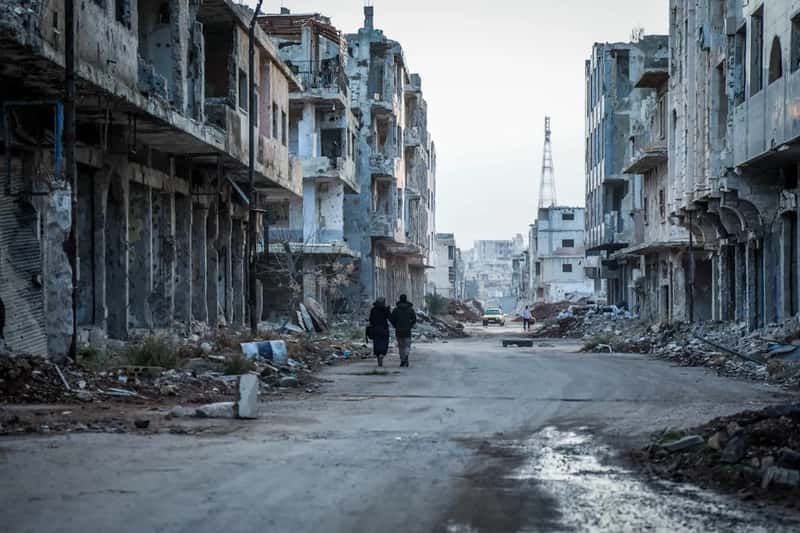
Syria appears next on the list at Syria · 27.90 h, and like Yemen, the context matters enormously here. Years of civil conflict have hollowed out large parts of the formal economy, leaving many workers with inconsistent or reduced hours rather than a deliberate short schedule.
The broader dataset acknowledges this pattern directly. The top 20 mixes high-income European economies with countries affected by conflict, informality or limited labour demand. Syria falls firmly into the second category, where fewer hours often mean fewer opportunities rather than more leisure.
5. Vanuatu: roughly 28.3 hours a week

The Pacific island nation of Vanuatu comes in at Vanuatu · 28.31 h, a figure that surprises people unfamiliar with small island economies. Much of Vanuatu’s workforce is tied to subsistence agriculture, fishing, and tourism, sectors that don’t always translate into the kind of steady, full-time employment captured cleanly in labor statistics.
A low national average in a place like Vanuatu often reflects underemployment rather than intentional balance. Lower hours imply more time outside paid work, but the metric does not show whether the reduction is voluntary or financially sustainable. That distinction is worth keeping in mind whenever these rankings get shared without context.
6. Denmark: roughly 28.9 hours a week
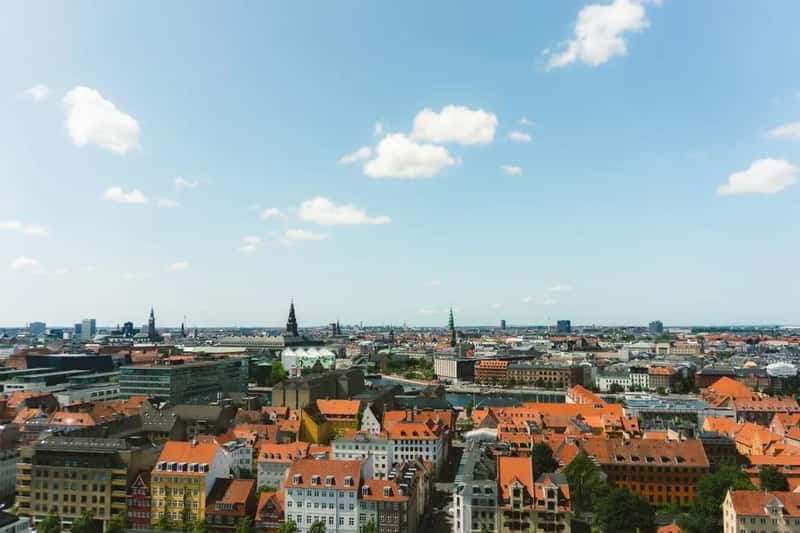
Denmark lands at Denmark · 28.91 h, and here the story shifts back toward deliberate policy. Danish labor law and collective bargaining agreements have shaped one of the more balanced work cultures in Europe for decades.
The structure behind those numbers is fairly concrete. Denmark averages about 1,380 hours per year with a standard 37-hour workweek, and Danish workers receive five weeks of paid vacation plus public holidays. Combine generous leave with a genuinely enforced standard workweek, and the annual totals come out lower than almost anywhere else in the developed world.
7. Finland: roughly 29.1 hours a week
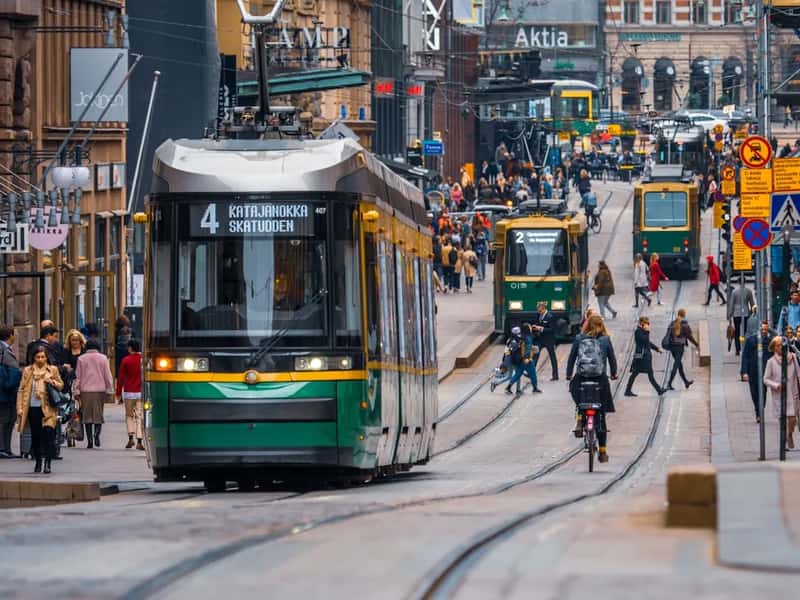
Finland rounds out the upper-middle of the list at Finland · 29.10 h. Finnish work culture has built something of an international reputation for prioritizing rest and mental health alongside productivity, and the country regularly appears near the top of global happiness rankings.
Part of the explanation lies in how Nordic labor markets generally operate. Strong unions, generous parental leave, and widely used flexible scheduling arrangements all chip away at the raw number of hours logged in a typical week. It’s less about a single dramatic policy and more about a whole system quietly nudging the average down.
8. Austria: roughly 29.2 hours a week

Austria comes in at Austria · 29.15 h in the modelled ILO estimates, though it’s worth noting that different data sources sometimes produce different numbers depending on methodology. Eurostat’s labour force survey, for instance, uses a separate measure focused specifically on usual hours for employees rather than the broader workforce.
That Eurostat measure paints a similar overall picture even if the exact figure differs. In 2024, the Netherlands had the shortest working week among EU countries, followed by Denmark, Germany and Austria, each around 33.9 hours. Whichever dataset you use, Austria consistently lands among Europe’s shorter-hour economies.
9. Sweden: roughly 29.2 hours a week
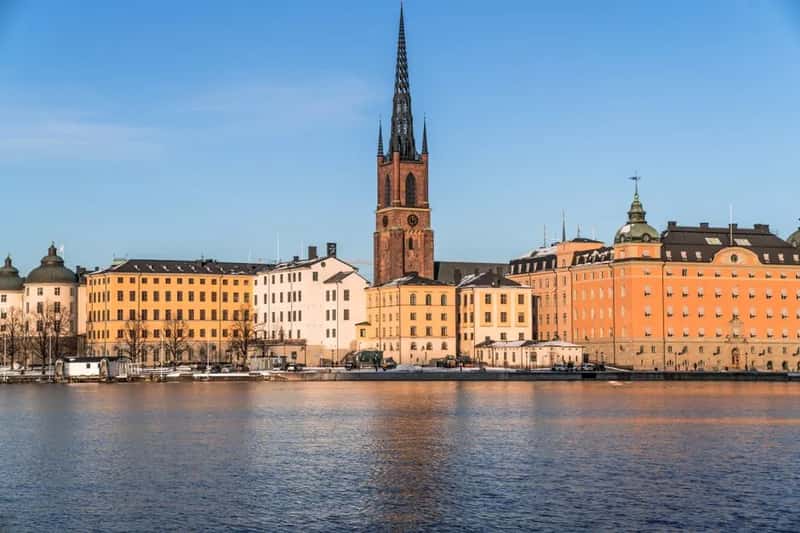
Sweden sits almost tied with Austria at Sweden · 29.20 h. Sweden has long experimented with alternative scheduling, and its labor market places heavy emphasis on parental leave, flexible hours, and a workplace culture that generally discourages excessive overtime.
What stands out about Sweden’s position on this list is how consistent it’s been over time. Unlike some of the conflict-affected countries higher up the ranking, Sweden’s low average reflects sustained policy choices rather than a temporary economic disruption. It’s a stable, well-documented example of a wealthy nation choosing shorter hours on purpose.
10. Rwanda: roughly 29.3 hours a week

Rwanda closes out the top ten at Rwanda · 29.30 h, and it’s another case where context changes the meaning of the number. Rwanda’s economy still relies heavily on agriculture and informal work, sectors where hours can be irregular and difficult to capture with the same precision as salaried employment.
As with several other developing economies on this list, a modest average doesn’t necessarily signal comfort or choice. Countries where jobs are labor-intensive, social safety nets are weaker, and part-time work is not common often show shorter recorded hours simply because steady full-time employment is harder to come by. Rwanda fits that broader pattern more than it fits the Nordic model of deliberate balance.
1. Bhutan: 54.5 hours a week
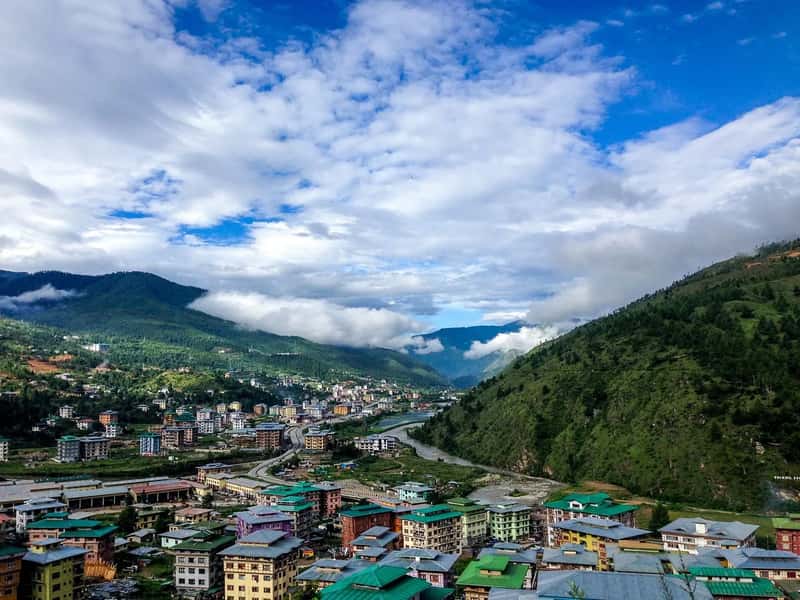
On the opposite end of the spectrum, Bhutan stands alone as the hardest-working country measured anywhere in the world. In 2025, Bhutan stood out as the world’s hardest-working nation, with employees clocking an average of 54.5 hours per week. That’s nearly double the Dutch average and more than double Yemen’s.
Bhutan’s economy leans heavily on agriculture and forestry, sectors that traditionally demand long, seasonal hours with little separation between work and daily life. Small population size and limited industrial diversification also mean fewer opportunities to shift toward the kind of automated, high-efficiency roles that tend to shorten workweeks elsewhere.
2. Sudan: 50.8 hours a week

Sudan follows at 50.8 hours, part of a broader pattern where economic necessity drives longer working days across much of the African continent. Ongoing instability and a large informal economy push many workers to take on extended hours simply to cover basic living costs.
Unlike wealthier nations where long hours might reflect corporate culture or ambition, in Sudan’s case the driver is largely survival. Formal wage protections are limited, and workers in agriculture and small trade often have little choice but to extend their hours well past what would be considered standard elsewhere.
3. Lesotho: 50.2 hours a week
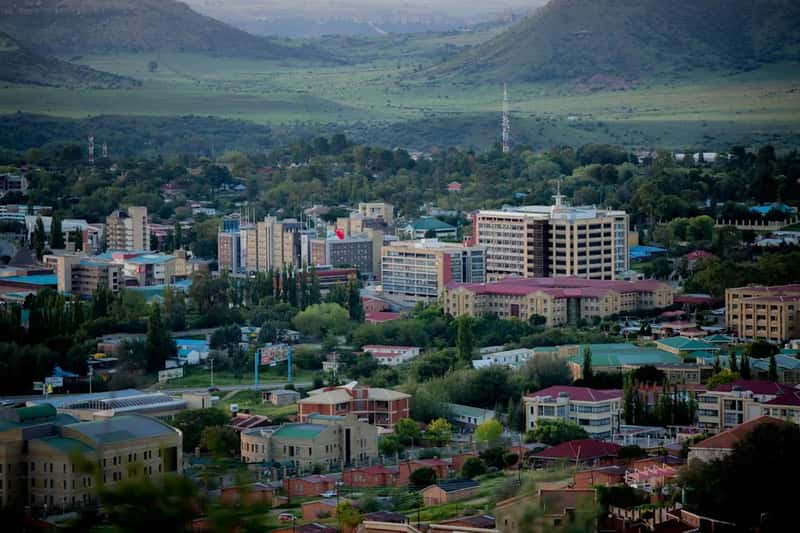
Lesotho sits just behind Sudan at 50.2 hours. Much of the country’s workforce splits time between textile manufacturing and small-scale farming, a combination that naturally stretches the total hours worked each week.
It’s a pattern seen across several smaller economies with limited industrial bases. Workers often hold down a formal job while also managing agricultural responsibilities at home, meaning the “workweek” extends well beyond a single job description. That dual burden is a major reason Lesotho’s average climbs so far above the global mean.
4. United Arab Emirates: 48.4 hours a week

The UAE comes in at 48.4 hours, making it the highest-ranking country outside South Asia and Africa on this particular list. Rapid construction growth, a booming hospitality sector, and a workforce heavily composed of migrant labor all contribute to longer average schedules.
The broader regional pattern helps explain why. Extended workweeks in this region often reflect labor-intensive industries, fewer part-time roles, and smaller social safety nets, factors that drive longer hours for both employees and self-employed workers. In the UAE specifically, sectors like construction and tourism rely on workers putting in hours well beyond what’s typical in Western Europe.
5. Pakistan: 47.5 hours a week

Pakistan rounds out the top five longest workweeks at 47.5 hours, closely trailed by neighboring India at 45.8 hours. Economic pressure plays a significant role, with many workers taking on extended shifts or multiple jobs to maintain a basic standard of living.
Cultural expectations around dedication and provider roles also factor into the equation across the region. Weak enforcement of existing labor regulations in certain sectors means that even where legal limits exist on paper, they aren’t always reflected in practice. The result is a workweek that regularly runs well past the 40-hour mark many Western economies treat as standard.
Taken together, these fifteen countries show that a single number, average hours per week, can tell wildly different stories depending on the economy behind it. In the Netherlands, Norway, and Denmark, shorter hours reflect decades of deliberate labor policy, strong unions, and a cultural comfort with part-time work. In Yemen, Syria, and Rwanda, a similarly low figure often signals the opposite: disrupted economies where steady full-time work is simply harder to find. At the other extreme, countries like Bhutan, Sudan, and Pakistan show that long hours can stem from either economic necessity or the structural realities of agriculture-heavy, informal labor markets. The lesson isn’t that shorter is always better or longer always worse. It’s that context, not just the raw hour count, determines what these numbers actually mean for the people living them.