
Ask ten travel sites which city costs the most to visit, and you’ll get several different answers. Some rankings track the price of everyday goods, others tally what a typical visitor spends, and a few count only hotels and restaurants. The method matters more than most headlines admit.
The list below leans on 2026 figures from cost of living indexes, traveler spending estimates, and European city break research. The order is a loose blend of those sources, not an official ranking. Where the data disagrees, the text says so.
Zurich, Switzerland
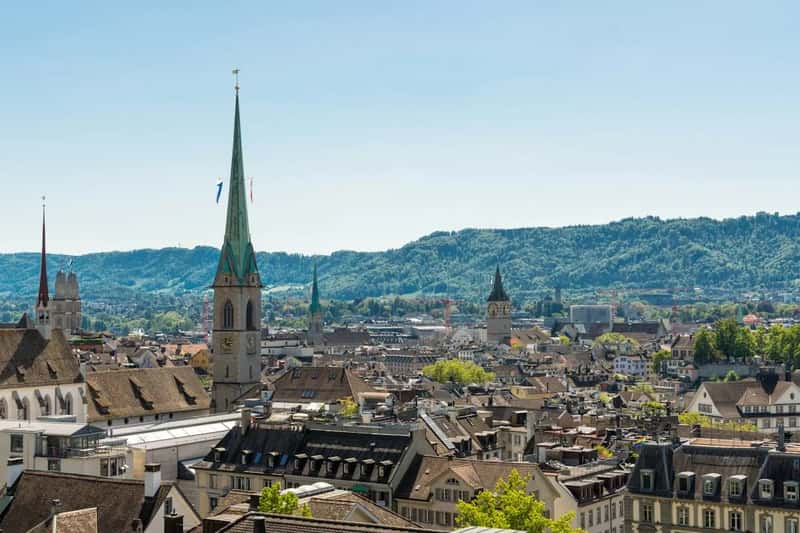
Zurich leads Numbeo’s 2026 cost of living index with a score of 118.5.[1] Swiss cities take the top six spots on the version of that index that leaves out rent.[1] That version is the more useful one for visitors, since tourists don’t sign leases.
Even a fast food order shows the gap. A Big Mac in WorldCostOfLiving’s comparison ranges from $5.19 in Munich to $7.73 in Zurich.[2] Budget Your Trip adds that Zurich’s hotel and restaurant scenes are dominated by business travelers and people on expense accounts.[3]
Geneva, Switzerland

Geneva sits right behind Zurich in Numbeo’s 2026 table. One person can expect to spend roughly $1,800 to more than $4,000 on a week there, not counting flights.[4] That’s a wide range, but even the low end is steep.
Budget travelers typically spend between $166 and $230 a day.[4] Euronews’ 2026 city break research agrees on the direction. It lists Geneva among the five most expensive European city breaks, along with Oslo, Copenhagen, Edinburgh and Barcelona.[5]
Basel, Switzerland

Basel is often overlooked next to Zurich and Geneva, yet it’s one of Switzerland’s most expensive cities to visit.[6] Its index score of 112.4 puts everyday costs at a little over a tenth above New York’s.[4]
Its spending range is wide. A budget trip runs about $100 to $140 per person per day, while midrange and luxury trips fall between $205 and $565 or more.[4] Over a week, visitors usually spend from $900 to more than $4,450, excluding flights.[4]
Lausanne, Switzerland

Lausanne has a cost of living score of 111.5.[4] That’s about one ninth higher than New York on the same measure.[4] It slipped two places from 2025 to fourth in the infobus ranking of the world’s priciest cities.[4]
The picture shifts once rent enters the equation. Combined living and rent costs in Lausanne come out lower than New York’s.[4] For a visitor, that means the daily prices for meals and transport matter more than the housing numbers.
New York City, United States

New York is the benchmark city for Numbeo’s statistics, with an index value of 100.[4] It ranks seventh in 2026, down three places from the year before.[4] That fall reflects other cities catching up, not New York getting cheaper.
A week in the city costs around $1,500 to $3,500 per person.[4] Budget travelers usually spend about $1,200 to $1,500, and a luxury trip can go beyond $3,500.[4] Once rent is counted, Zurich comes second to New York.[1]
Reykjavik, Iceland

Reykjavik moved up one place from 2025 to eighth in 2026.[4] Its cost of living index of 98.9 makes it only slightly cheaper than New York.[4] Travelers typically spend around $1,500 to $4,000 per person for a week.[4]
Isolation is the main reason. Food, accommodation and tours often cost more because many products have to be imported.[6] Budget Your Trip suggests that visitors shouldn’t linger in the capital longer than necessary.[3]
San Francisco, United States

San Francisco has a cost of living score of 97.6 in Numbeo’s 2026 ranking.[4] Visiting costs around $1,500 to $2,900 per person per week.[4] That puts it near New York for a typical short stay.
Budget travelers spend $1,200 to $1,500 and can start from $168 a day.[4] At the other end, high end vacations can exceed $1,000 per day.[4] The gap between a modest and a lavish trip here is as large as anywhere on this list.
Oslo, Norway

Euronews’ 2026 barometer priced 12 typical city break items in European cities. Oslo came out as the most expensive, costing £734 (€850) for those items.[5] It’s one of the clearer visitor focused results in this year’s research.
Hotels, restaurants and nights out all cost a lot, which makes planning important.[7] Analysts point to structural causes. High wages, strong welfare systems, taxation and expensive services push up costs in Oslo, Copenhagen, Reykjavik and Stockholm.[8]
Copenhagen, Denmark
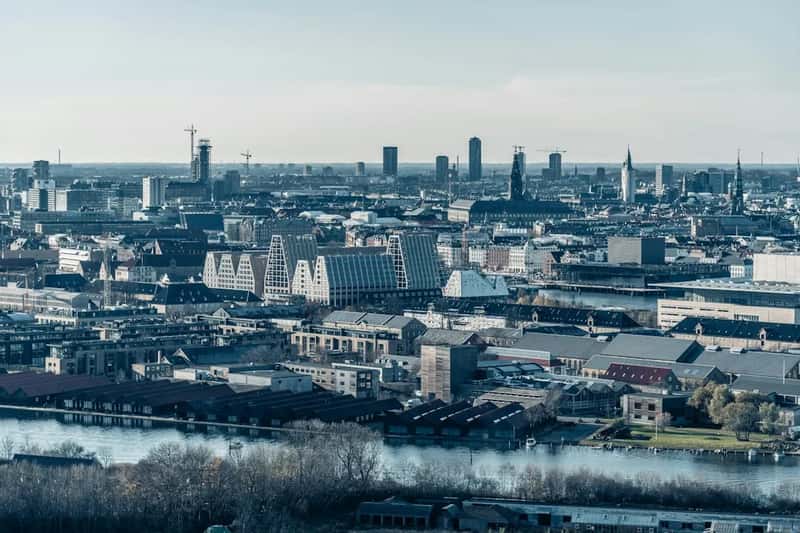
Copenhagen also makes Euronews’ list of the five priciest European city breaks. TripPick estimates budget travelers can manage on about $130 a day.[9] Accommodation ranges from $50 to $380, food from $30 to $140, and transport from $12 to $20.[9]
Denmark’s prices are high across the board. Eurostat found the country has the highest prices in the EU for food, nonalcoholic beverages, clothing and shoes.[10] Still, one travel guide notes that Copenhagen isn’t on par with the extreme expense of Zurich or Geneva.[11]
London, United Kingdom
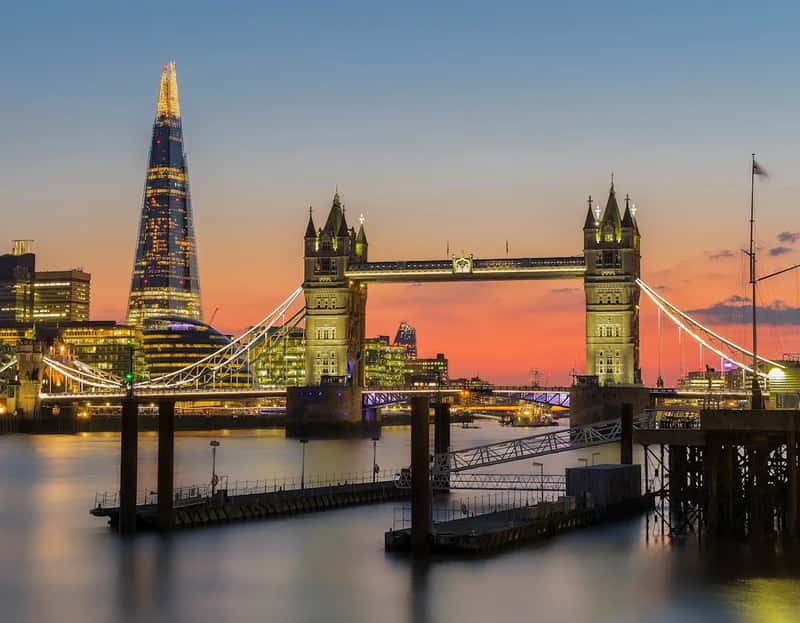
London currently costs the typical traveler around $292 per person per day, and higher comfort choices push that past $800.[12] Hotels, restaurants, transport and attractions can quickly add up, especially in the center.[6] Ticketed sights are a big part of the total.
There are some offsets. Budget Your Trip notes that London has fairly affordable hostels outside peak season, and all the major museums are free.[3] Even so, accommodation and dining keep it in the same tier as the other cities here.
How the Rankings Compare
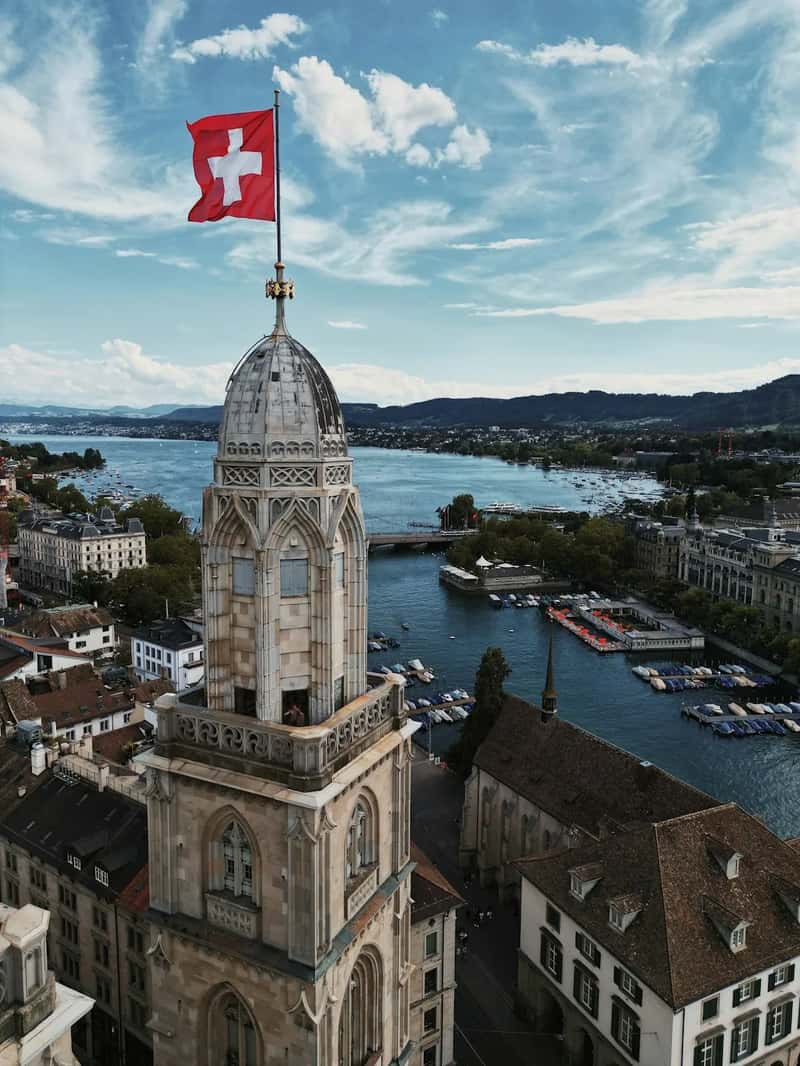
Different measures produce different orders, but the same names keep showing up. Six Swiss cities sit apart from the rest of Numbeo’s table, followed by U.S. coastal or island markets, Reykjavik, Tel Aviv, Oslo, Singapore and London.[13]
Euronews’ city break barometer puts Oslo first in Europe. Numbeo’s everyday index puts Zurich on top. Both point to the same conclusion for anyone planning a trip: budget more for Switzerland and the Nordic capitals than for almost anywhere else.