Europe’s headline destinations get all the postcards, but some of the continent’s most rewarding cities rarely make the front page of a travel itinerary. These places offer just as much history, architecture, and food culture as their famous neighbors, minus the crowds and inflated prices. This list ranks ten cities that deserve far more attention than they currently get, based on their cultural weight, historical significance, and genuine appeal to travelers willing to look past the obvious choices.
10. Kotor, Montenegro
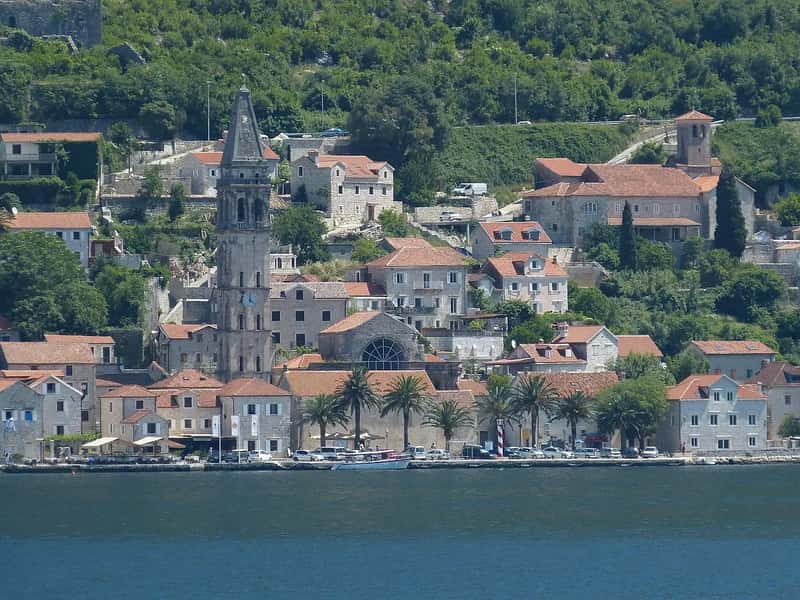
Tucked into a dramatic fjord-like bay on the Adriatic coast, Kotor is often treated as a day-trip afterthought for cruise passengers heading to Dubrovnik. Its walled old town, with narrow stone streets and a fortress climbing the mountainside above, holds its own against any Croatian counterpart, yet it remains far less visited. The Bay of Kotor’s dramatic setting, ringed by steep limestone peaks, gives the city a visual drama that few European harbor towns can match.
What keeps Kotor under the radar is partly geography and partly Montenegro’s smaller tourism marketing budget compared to Croatia or Greece. Travelers who do make it here find a compact, walkable old town, a UNESCO-recognized natural and cultural setting, and prices that still feel reasonable by Mediterranean standards. It’s an easy add-on to a Balkan itinerary and a genuine reward for anyone willing to venture slightly off the well-worn coastal trail.
9. Gdańsk, Poland
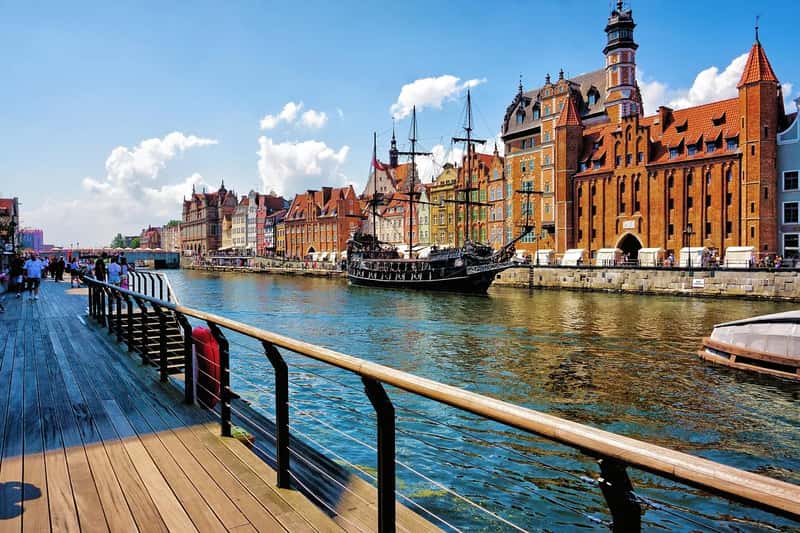
Gdańsk sits on the Baltic coast with a skyline of colorful merchant houses that recall its centuries as a Hanseatic trading powerhouse. The city’s role in modern history is just as compelling. It was here that the Solidarity movement began in the early 1980s, eventually helping to unravel Soviet influence across Eastern Europe. That legacy is preserved in museums and shipyard sites that give the city a weight rarely found in more polished tourist destinations.
Poland’s tourism conversation tends to center on Kraków and Warsaw, leaving Gdańsk in a quieter lane despite its reconstructed old town, amber trade heritage, and proximity to Baltic beaches. The city rewards slower exploration, from its long main street lined with Gothic architecture to nearby Sopot and Gdynia, which together form the Tri-City area. For travelers seeking northern European charm without northern European prices, Gdańsk remains a smart pick.
8. Bratislava, Slovakia
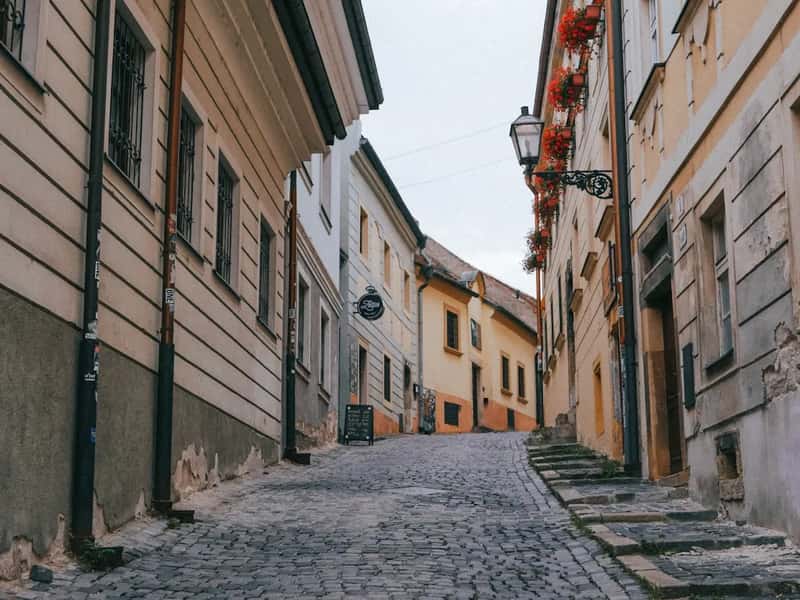
Wedged between Vienna and Budapest, Bratislava often gets treated as a quick stopover rather than a destination in its own right. That’s a shame, because its old town is genuinely charming, with a hilltop castle overlooking the Danube and a compact historic core that can be explored comfortably in a day or two. The city’s small size works in its favor, letting visitors cover the highlights without the logistical sprawl of larger capitals.
Bratislava’s proximity to two of Central Europe’s biggest tourist magnets means it’s easy to visit almost by accident, often as a side trip from Vienna, which is barely an hour away by train or boat. Yet the city has its own identity, shaped by its history as a Habsburg coronation site and its more recent transformation since Slovakia joined the European Union. It’s a capital city that still feels approachable rather than overrun.
7. Matera, Italy
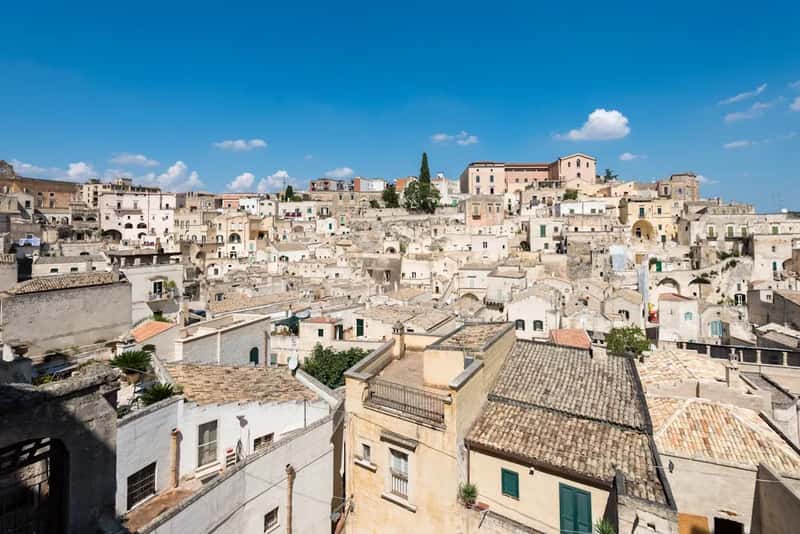
Matera’s cave dwellings, carved into limestone cliffs and inhabited for thousands of years, give it one of the most unusual skylines in Europe. The Sassi districts were once considered a symbol of poverty in southern Italy, so much so that residents were relocated in the mid-20th century. Decades later, the same cave houses have been restored into hotels, restaurants, and museums, turning a once-troubled neighborhood into a striking cultural landmark.
Despite serving as a backdrop for major films and gaining recognition as a European Capital of Culture in 2019, Matera still sits well outside the usual Rome-Florence-Venice circuit that dominates most Italy itineraries. Its remote location in the Basilicata region, one of Italy’s least-visited areas, keeps visitor numbers modest even during peak season. For anyone chasing a genuinely different Italian city, Matera delivers atmosphere that few other places in the country can replicate.
6. Wrocław, Poland
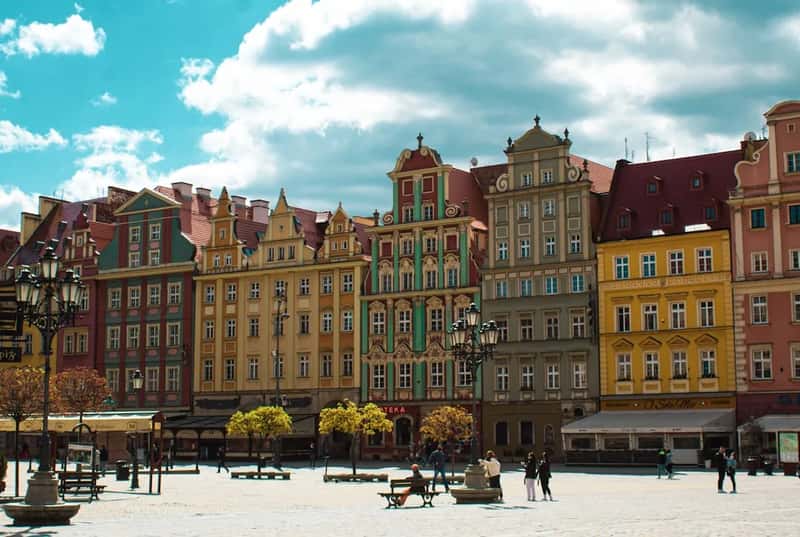
Wrocław blends Gothic church spires, a lively riverside square, and a quirky civic project involving hundreds of small bronze gnome statues scattered across the city as a tribute to the anti-communist Orange Alternative movement. The city’s Market Square ranks among the most attractive in Poland, framed by pastel-colored townhouses that were painstakingly rebuilt after extensive wartime destruction. Its multiple river islands and dozens of bridges have earned it comparisons to Amsterdam, on a smaller and quieter scale.
Wrocław has changed hands between German and Polish control multiple times over the centuries, leaving behind a layered architectural and cultural history that’s still visible in its buildings and street names. Despite being one of Poland’s largest cities and a hub for its growing tech and business sector, it remains overshadowed by Kraków in most travel conversations. That gap between substance and recognition is exactly what makes it worth a visit now, before it becomes the next obvious stop.
5. Ljubljana, Slovenia
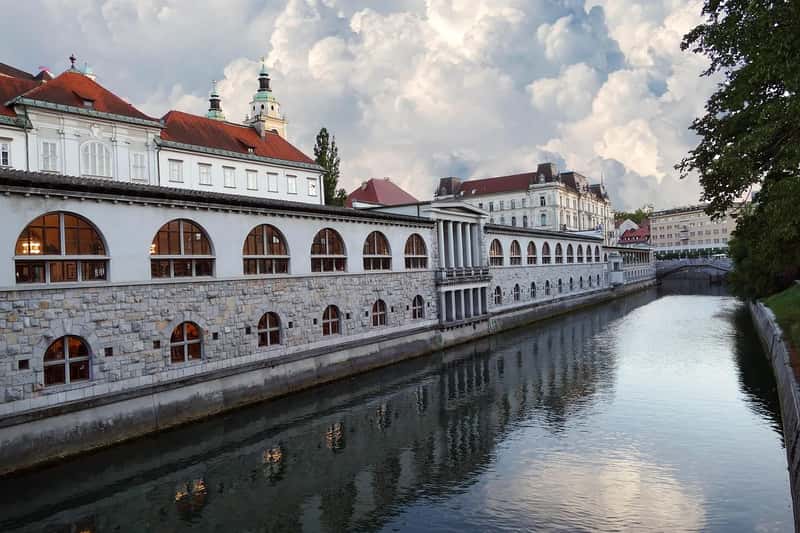
Slovenia’s capital is small enough to walk from end to end, yet it packs in a hilltop castle, a river lined with cafés, and a pedestrian-friendly center that largely banned cars from its core years ago. That decision, along with the city’s extensive green spaces, helped Ljubljana earn recognition as European Green Capital in 2016, a title that cemented its reputation for sustainable urban planning. The city’s relaxed pace and manageable scale make it an easy place to fall for quickly.
Ljubljana often gets treated as a gateway to Lake Bled or the Julian Alps rather than a destination in itself, which undersells what the city offers on its own terms. Its architecture mixes Baroque, Art Nouveau, and modernist touches from local architect Jože Plečnik, giving the city a visual identity distinct from its larger Central European neighbors. Slovenia as a whole still receives a fraction of the visitors that flock to Italy or Austria, and its capital reflects that same quiet underexposure.
4. Leipzig, Germany
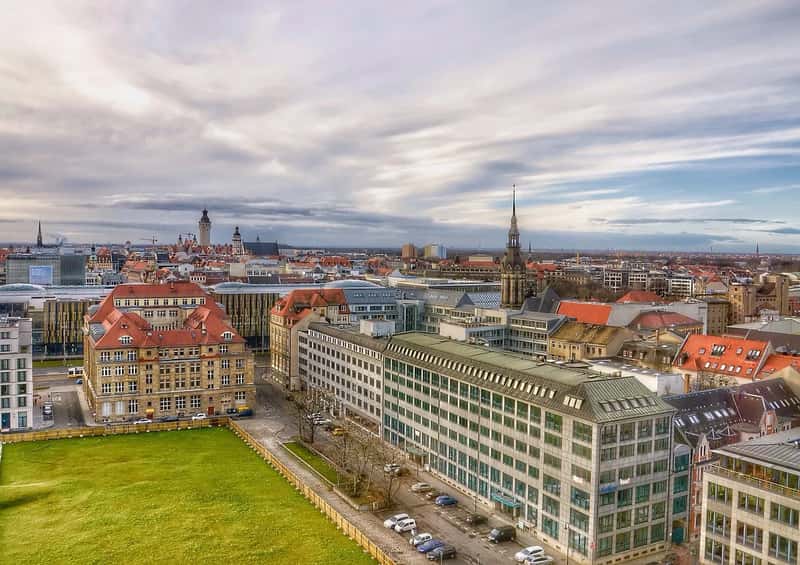
Leipzig has been reinventing itself for decades, moving from a heavily polluted industrial center under East German rule to what’s now frequently nicknamed the “Boomtown of eastern Germany” or even “Hypezig.” More recently, the city has sometimes been nicknamed Hypezig, the “Boomtown of eastern Germany,” or “The better Berlin.” With a population that has climbed back past six hundred thousand residents, the city has a population of 633,592 residents as of 31 December 2025, making it the eighth-largest city in Germany, Leipzig has become one of the country’s fastest-growing urban centers after years of post-reunification decline.
The city’s cultural credentials run deep, tied to centuries as a hub for classical music, publishing, and academic life. In its 800 years of recorded history, Leipzig emerged as a city of classical music, trade fairs, academic education, and, recently, modern arts. Leipzig also played a defining role in the collapse of East Germany, when Monday demonstrations that began at a local church helped spark the peaceful revolution of 1989. In October 1989, after prayers for peace at St. Nicholas Church, established in 1983 as part of the peace movement, the Monday demonstrations started as the most prominent mass protest against the East German government. Despite this history and a thriving creative scene, Leipzig still sits well behind Berlin and Munich in most travelers’ plans.
3. Timișoara, Romania
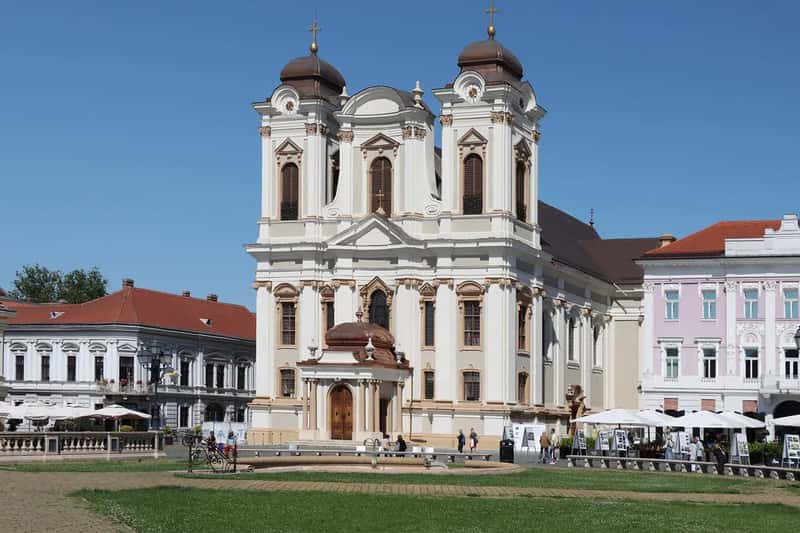
Timișoara carries the nickname “Little Vienna” for good reason, with pastel-colored Habsburg-era buildings lining its central squares and a Bega Canal running through the heart of the city. The city center is also known as “Little Vienna” due to the city’s long affiliation with Austria-Hungary and the associated character of buildings from the imperial era. Its historical importance extends well beyond architecture, since Timisoara’s streets saw the beginning of the Revolution against Ceausescu’s government in 1989, making it a pivotal site in the fall of communism in Romania.
The city’s cultural profile received a major boost when it served as a European Capital of Culture, a title Romania had only awarded once before. Timisoara is the second Romanian city to be honored with this title following Sibiu in 2006. Its diverse population reflects a genuinely multicultural history, since the Banat region has been a cultural melting pot over the centuries, currently hosting over 30 cultural communities, among which are Romanians, Roma, Germans, Hungarians, Serbs, Croatians, and Italians. That layered identity, combined with elegant squares and a growing restaurant scene, makes Timișoara one of Romania’s most rewarding stops for travelers who normally stick to Bucharest.
2. Plovdiv, Bulgaria
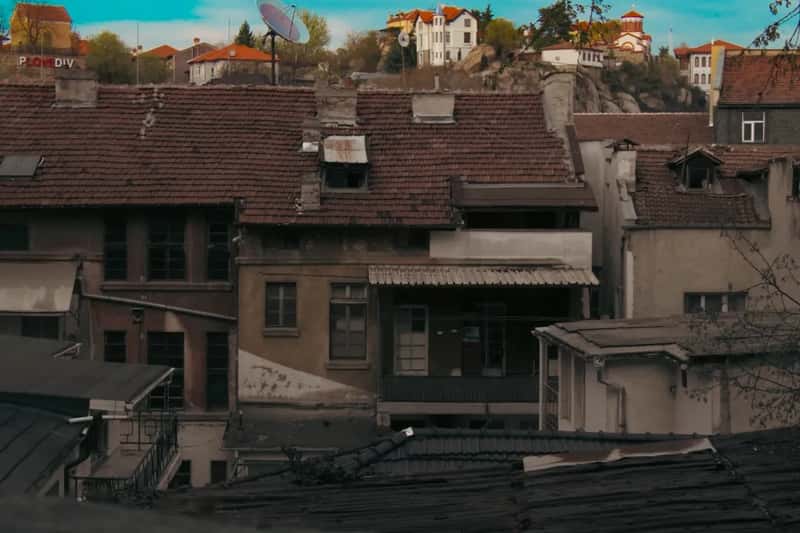
Plovdiv’s claim to fame is almost hard to believe: it is widely considered Bulgaria’s second-largest city and has been recognized as one of the oldest settlements in Europe, with evidence of habitation reaching as far back as the 6th millennium BC. Over the millennia, the city has been ruled by an extraordinary succession of empires, since the city has had a turbulent history and has been invaded by Persians, Greeks, Celts, Romans, Goths, Huns, Bulgarians, Slav-Vikings, the Crusaders, and the Ottomans. That depth of history is visible everywhere, from a Roman amphitheater still used for performances to Ottoman-era mosques standing near Bulgarian National Revival houses.
The city’s cultural credentials were formally recognized when in 2014, Plovdiv was selected as the Bulgaria host of the European Capital of Culture 2019. Its old quarter, built across a series of hills, contains more than 200 archaeological sites, including the remains of medieval walls and towers, Ottoman baths and mosques, and a well-preserved old quarter from the 19th century. Despite this remarkable density of history, Plovdiv still lives in the shadow of Sofia when it comes to international name recognition, which keeps it refreshingly uncrowded for now.
1. Ghent, Belgium
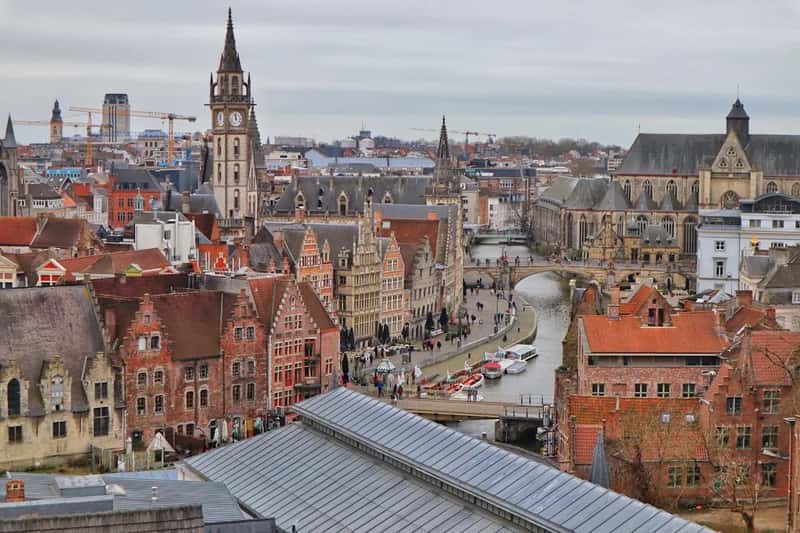
Ghent takes the top spot because it manages to combine the medieval beauty of Bruges with a livelier, more local atmosphere, all while remaining noticeably less crowded than its more famous Belgian neighbor. The city sits at the confluence of the Leie and Scheldt rivers, and is the Flemish capital and the third-largest city in the country. Its Graslei quay, lined with restored guild houses, is one of the most photographed canal views in the country, yet Ghent rarely gets mentioned in the same breath as Bruges or Brussels when travelers plan a Belgium trip.
That balance is starting to shift, as the city has recently drawn attention for grappling with the early signs of overtourism, a problem that suggests word is finally getting out. The Belgian city is increasingly popular with day trippers, and wary of the effect that too many tourists can have on the local housing market and quality of life. Even so, Ghent still offers a more relaxed, authentic experience than its neighbors, with a university-town energy, a strong food and beer scene, and medieval architecture that rivals anywhere else in the Low Countries. For now, it remains one of Europe’s best-kept secrets, though that status may not last much longer.
Final Thoughts on Exploring Beyond the Obvious
What ties these ten cities together isn’t a lack of substance but a lack of spotlight. Each one offers architecture, history, or cultural weight that would headline a guidebook chapter if it were located somewhere more famous. Instead, they sit quietly in the shadow of nearby capitals, waiting for travelers curious enough to look past the usual suspects.
Visiting these places now, before they inevitably catch on, means better prices, shorter lines, and a more genuine connection with local life. Europe’s overexposed cities aren’t going anywhere, but the window for experiencing these underrated gems without the crowds is likely to keep narrowing. That makes now a particularly good time to start planning.