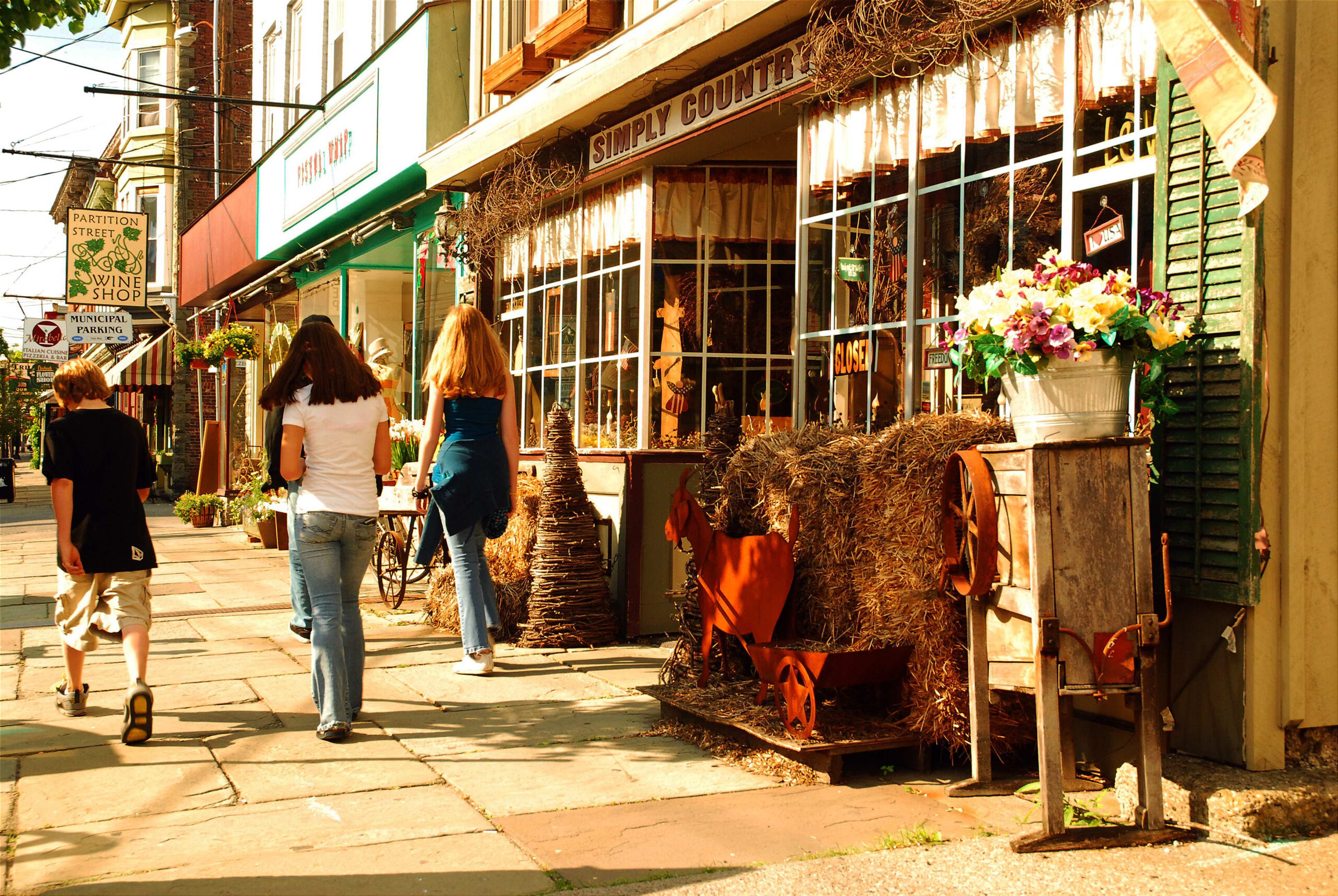
There is something quietly rebellious about a place that refuses to be defined by its poverty rate. Across America, income data tells one story, but the people actually living in these towns will tell you something entirely different. Tight communities, affordable housing, stunning natural surroundings, cultural richness, and genuine human connection are things no census spreadsheet can fully capture.
In 2024, the official national poverty rate fell to 10.6 percent, with 35.9 million people still living in poverty across the United States. Yet hidden within those numbers are towns where low incomes and high livability coexist in fascinating, even inspiring ways. Let’s dive in.
1. Detroit, Michigan – The Comeback City That Refuses to Quit
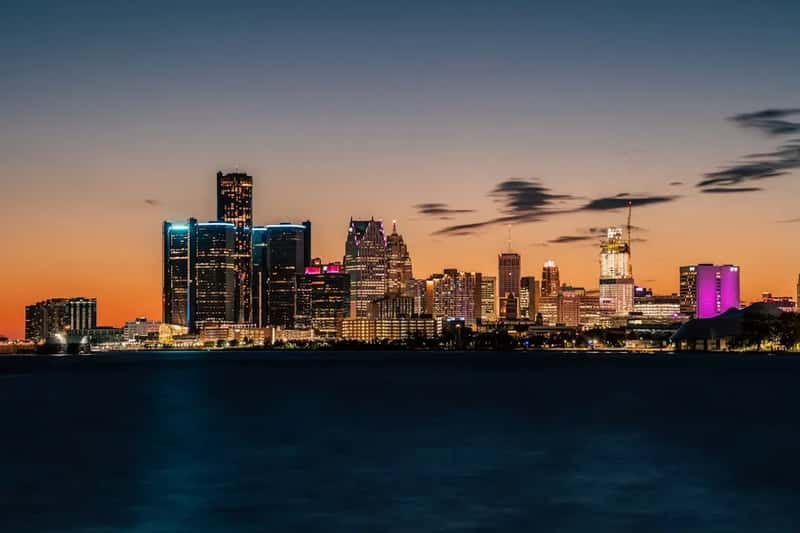
Let’s be real: Detroit’s numbers are brutal. More than a third of Detroit’s residents experienced poverty in 2024, the highest rate the city has seen since 2017, according to U.S. Census Bureau data, with a poverty rate of 34.5 percent and a median household income of just $39,209. Those are not small figures to brush aside.
Still, Detroit is genuinely fighting back in ways that matter. The Detroit Cultural Center Planning Initiative, an ambitious urban planning project reimagining the city’s 83-acre Cultural Center, recently won the prestigious Inaugural 2024 Bay Urban Visioning Award, with key goals including increasing the tree canopy by 60 percent and reclaiming 16 acres for public use.
Detroit is now considered one of the top 10 cities in the country for street art. That kind of creative energy does not come from nowhere. It grows from a community that refuses to surrender, and that spirit is a form of quality of life that no income bracket can purchase.
2. Cleveland, Ohio – Rock, Resilience, and the Lakefront
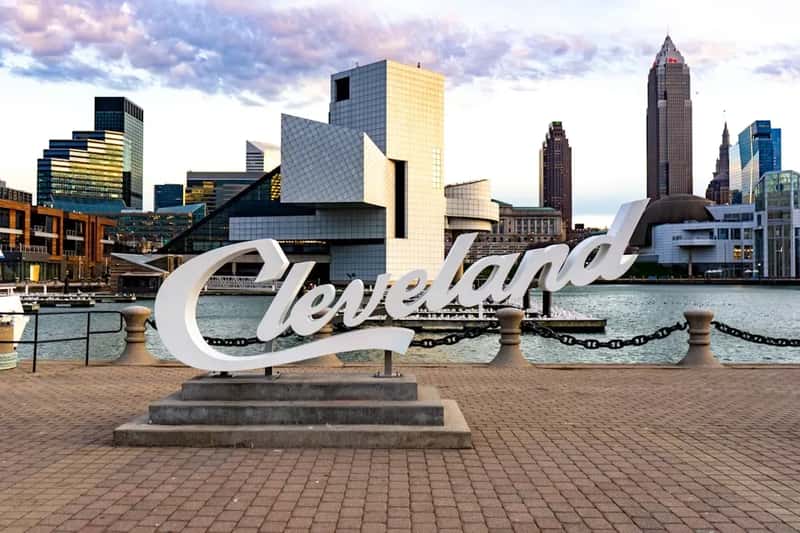
Cleveland continues to have the second highest poverty rate of large cities in the United States, with 28.3 percent of residents living in poverty according to the latest U.S. Census Bureau data. Honestly, that statistic is hard to ignore. Yet the city’s trajectory is shifting.
Poverty rates for Cleveland decreased from 30.7 percent in 2023 to 28.3 percent in 2024, and the city saw an estimated 7,000 fewer people living in poverty alongside an overall population increase of 4,000 residents. That is genuine momentum, even if it is slow.
The Rock and Roll Hall of Fame, a spectacular lakefront, a nationally respected medical corridor anchored by the Cleveland Clinic, and affordable housing make daily life here far better than the numbers first suggest. For anyone who loves culture, sports, and a city with something to prove, Cleveland delivers in ways that routinely surprise outsiders.
3. Buffalo, New York – Great Lakes Grit With an Emerging Soul
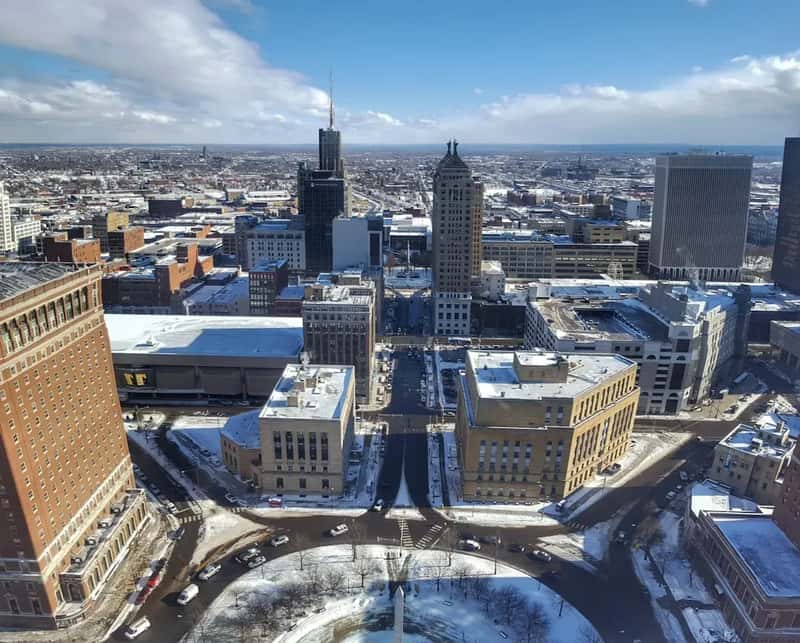
Buffalo in New York is one of the poorest cities in the United States, a former industrial and shipping hub that took a hard hit when its economic base crumbled, a decline that lasted decades. The winters are notorious. But the story does not end there.
Buffalo has seen significant investment in its waterfront, neighborhoods, and local food culture, and housing remains remarkably affordable by national standards, with an arts scene including the expanded Buffalo AKG Art Museum that rivals cities twice its size. That is not a small claim.
Its food scene is legendary, its architecture is genuinely stunning, and its neighborhoods are among the most walkable and affordable of any city its size in the Northeast. For people who prioritize community and culture over shiny price tags, Buffalo is quietly one of the best bargains in America right now.
4. Hartford, Connecticut – The Poorest City in the Richest State
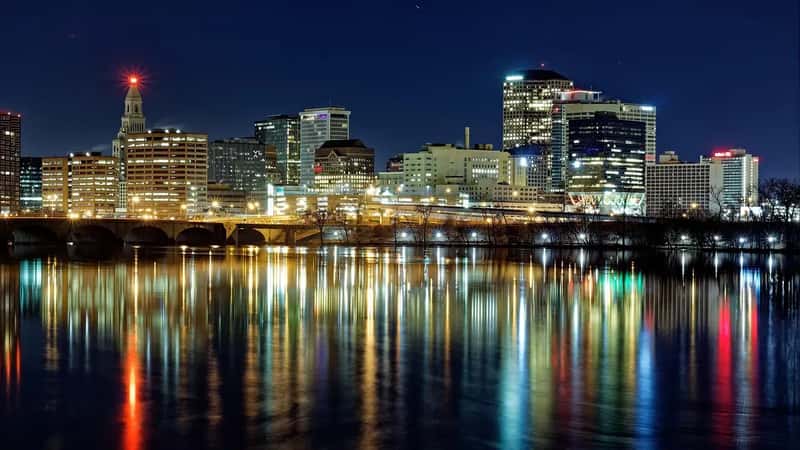
Here is a contrast that is almost hard to process. Following the Civil War, Hartford was the richest city in the United States, largely due to the Industrial Revolution, but the once-busy factories shut their doors long ago, and today Hartford is the poorest city not just in one of the richest states in the U.S., but in the entire country.
The city has world-class museums, including the Wadsworth Atheneum, the oldest public art museum in the country, and residents benefit from Connecticut’s extensive public infrastructure, including transit links and state-funded social services that are among the most generous in the nation.
The proximity to Yale University’s medical system, strong nonprofit networks, and a deeply historic urban core give residents access to services and cultural richness that pure income stats completely miss. Surrounded by one of the wealthiest regions in America, Hartford residents can access resources that most low-income cities could only dream of.
6. Gainesville, Florida – College Town Energy With a Low Price Tag
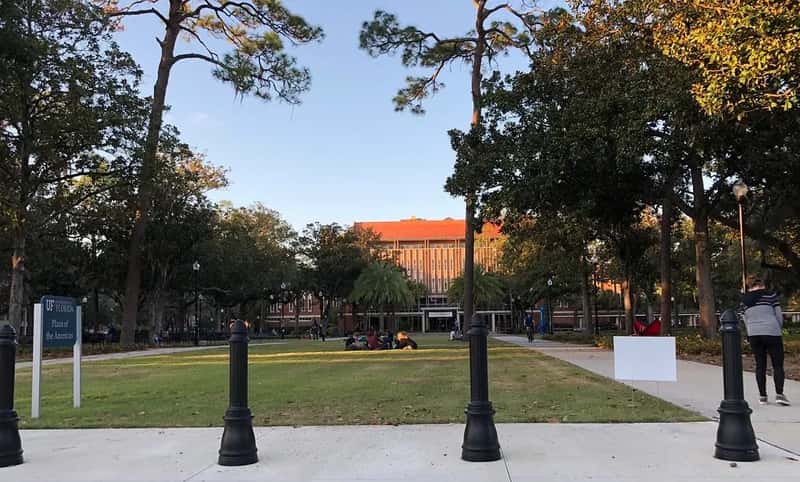
Gainesville grapples with a poverty rate of roughly 28 percent, leaving tens of thousands of residents navigating financial hardships, despite a median income around $45,000 and an unemployment rate under 5 percent. The university student population skews those poverty figures significantly, and the underlying city tells a different story.
The unemployment rate is well below the national average, median housing values are only slightly below the state average, and the city boasts an overall livability score of 79. That livability score is not an accident. It reflects genuine on-the-ground conditions.
Other than the poverty rate and a somewhat elevated crime rate, Gainesville has quite a lot going for it, with a cost of living index of 96 compared to a national average of 100, natural springs, a thriving research community, and a local food scene. For young people, families, and retirees alike, Gainesville offers a surprisingly full life at a fraction of the cost of coastal Florida cities.
7. Dayton, Ohio – Small City With Unexpected Depth
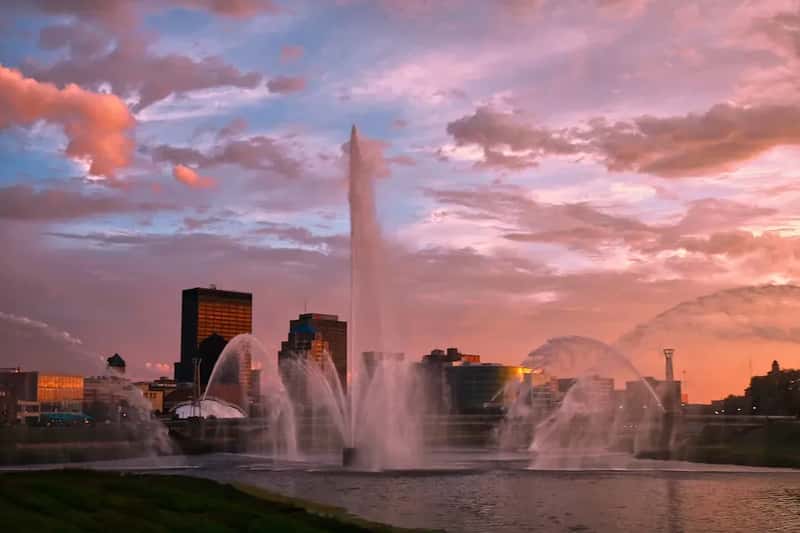
Located in west-central Ohio, Dayton ranks among the cities with the highest poverty rates, with its problems largely stemming from a lack of high-paying jobs after so many manufacturing positions evaporated, leaving a median household income about 40 percent below the state average. The economic scars from deindustrialization run deep here.
The cost of living in Dayton is 3.5 percent below the national average, the unemployment rate dropped to 4.9 percent compared to 5.3 percent in 2024, and severe housing problems fell from 11.3 percent in 2024 to 10 percent in 2025. That is honest, measurable progress.
Dayton is also the birthplace of aviation, home to the National Museum of the United States Air Force, the largest military aviation museum in the world, which is free to the public. It is the kind of civic asset that makes daily life more interesting in ways that income statistics never account for. The city’s arts district and river corridor have attracted genuine investment and new energy in recent years.
8. Machias, Maine – Raw New England Living at Its Finest
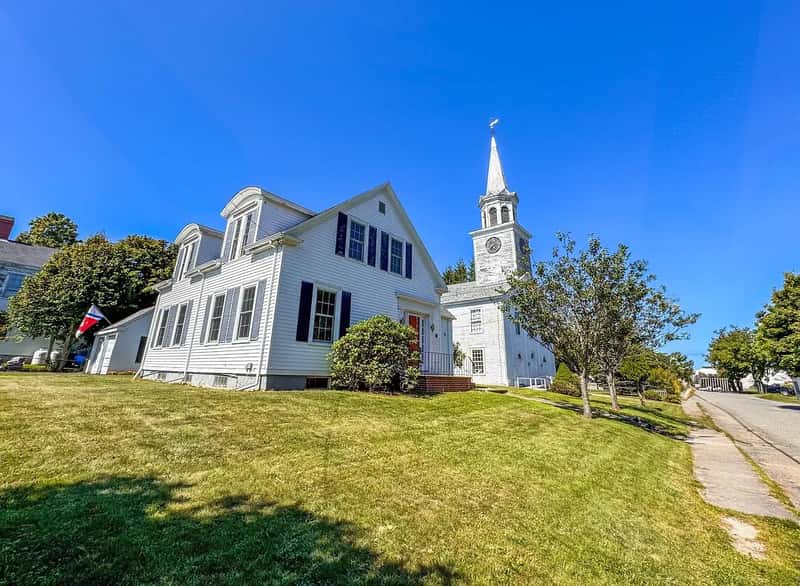
With a median income of $25,278 and a poverty rate of 36.3 percent, Machias is genuinely one of America’s poorest small towns, yet this coastal Washington County settlement has a violent crime rate of just 14.5 per 100,000, compared to the U.S. average of 22.7. That safety differential is enormous and deeply affects daily quality of life.
Blueberries and ocean views provide simple joys here, and tight community bonds help residents weather economic storms, offering raw New England living at its finest, without the crowds. There is something to be said for a place where you know your neighbors by name and the pace of life is genuinely human.
The Maine coast has long attracted artists, writers, and outdoor enthusiasts, and Machias sits in the heart of that landscape. Downeast Maine offers kayaking, hiking, and some of the most dramatic tidal ranges in the world. For people who measure quality of life in sunsets and community rather than salaries, Machias has an argument that is hard to counter.
9. Plains, Montana – The Town Where Crime Is Practically Nonexistent
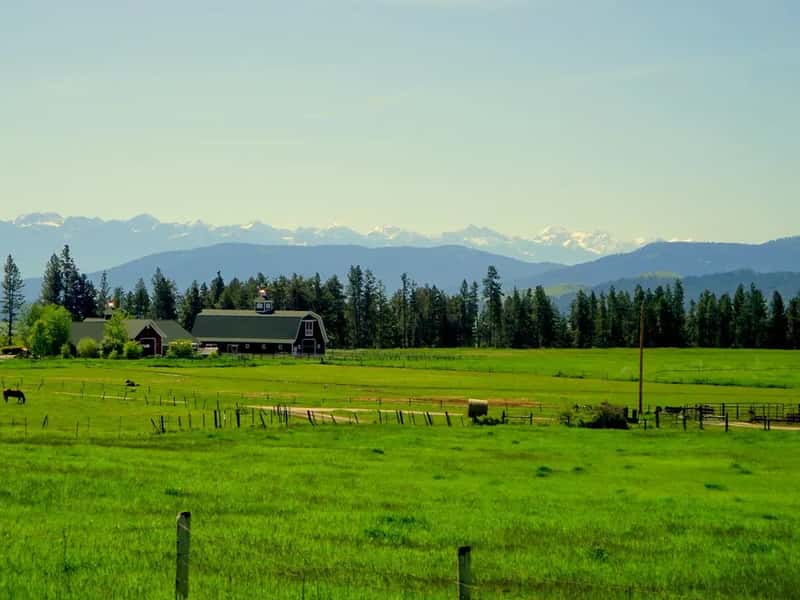
Plains, Montana sits with a median household income of $25,313 and a poverty rate near 20 percent, yet this small spot in Sanders County draws people for its peaceful atmosphere, with crime rates plunging 86 percent below the national average. That last statistic is genuinely extraordinary. It means residents live with almost zero fear of crime.
Surrounded by rugged mountains, outdoor lovers hike and fish year-round, and the community feels like family with events that knit neighbors close. Think about what it means to live somewhere where you can leave your door unlocked and your kids can play outside without worry. That is priceless.
The Clark Fork River runs through the area, offering world-class fly fishing that attracts enthusiasts from across the country. Montana’s land is generous in ways money cannot replicate. Plains proves that quality of life, when it is honestly measured, has far more to do with safety, nature, and belonging than with the number on your paycheck.
10. Aitkin, Minnesota – Lakes, Loons, and a Life Well Lived
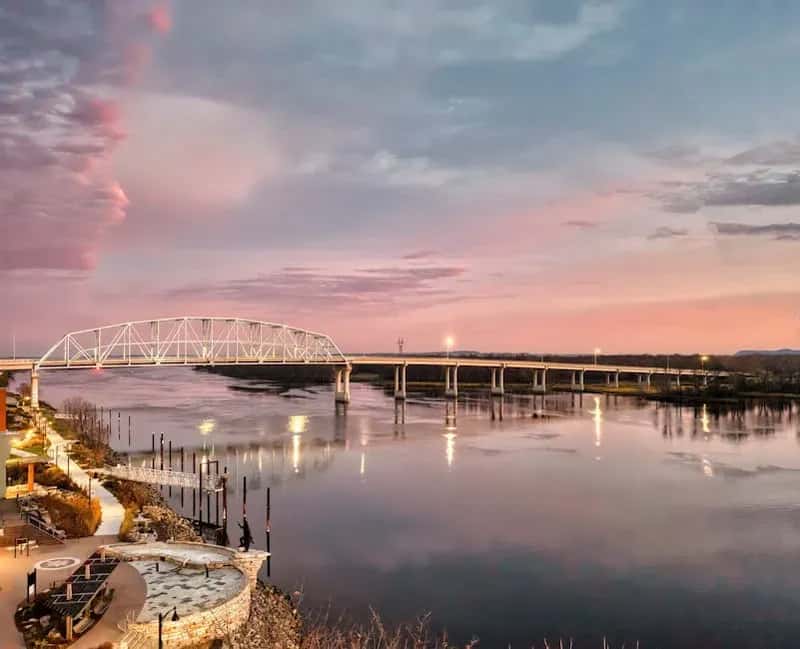
Aitkin, Minnesota has a median income hovering around $37,177 with a poverty rate of 20.5 percent, yet nestled by lakes in northern Minnesota, it offers endless water adventures. The lake culture here is not a marketing slogan. It is genuinely woven into the rhythm of daily life.
Minnesota consistently ranks among the top states for overall health and wellbeing. Among the country’s 10 cities with the lowest median household incomes, the average household income was just under $39,000 a year, and yet towns like Aitkin demonstrate that community wealth, measured in clean air, recreation, and social trust, can exist entirely apart from financial wealth.
Aitkin County is known for excellent fishing, hunting, and snowmobiling, with Mille Lacs Lake just a short drive away. The town hosts active civic organizations, seasonal festivals, and a strong sense of local identity. It is, in many ways, the purest example of this entire list: a place where income tells you almost nothing about how people actually feel about their lives.
What These Towns Tell Us About the Meaning of Wealth
Despite being one of the wealthiest countries in the world, the United States has a significant income inequality gap, and several towns around the country are plagued by financial hardship and poverty. That gap is real and should never be minimized or romanticized away.
Yet every town on this list pushes back against the assumption that low income automatically means low quality of life. Safety, natural beauty, affordable housing, strong community bonds, cultural richness, and access to public resources all contribute to how people actually experience their days. Access and convenience, including proximity to parks, jobs, grocery stores, public transit, and libraries, all play a role in creating a vibrant, enjoyable community.
It is hard to say for sure where happiness truly lives on a map, but these towns make a compelling case that it is not always where the money is. What would you consider more important in a place to call home, the salary range or the sense of belonging? Tell us your thoughts in the comments.