Europe has a reputation for being easy and safe to travel, and the numbers mostly back that up. Western and Central Europe remains the most peaceful region in the Global Peace Index[1], and seven of the top 10 countries in the 2026 ranking are European[2]. Still, “safe” depends on what you’re measuring, so it helps to look at more than one source.
This list leans on two things. One is the 2026 Global Peace Index, which covers conflict, militarization, and safety and security. The other is the U.S. State Department’s advisory system, where Level 1 means “exercise normal precautions.” Neither tells you whether your wallet will survive a crowded tram, so I’ve added practical notes where they matter. Advisories can change, so check travel.state.gov before you book.
Iceland: The Gold Standard for Peaceful Travel
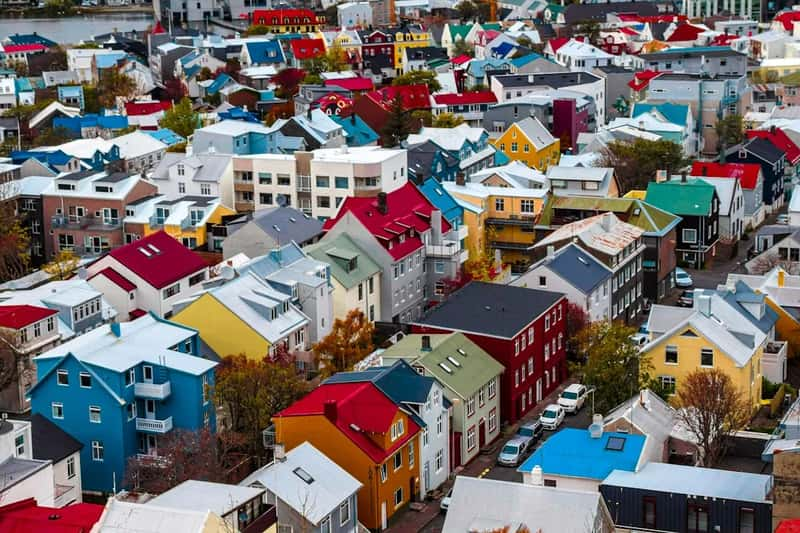
Iceland is the easy first pick. It has held first place in the Global Peace Index for 19 consecutive years[3], and its 2026 score of 1.161 was the lowest among all 163 countries[4]. The State Department also lists it among its Level 1 destinations going into 2026[5].
The index reflects strengths that visitors feel in daily life. Iceland’s strengths include no standing military, very low crime rates, and strong social cohesion.[1] The bigger risks for travelers are natural ones, like fast-changing weather and rugged terrain, so heed local safety alerts when you head out of Reykjavik.
Switzerland: Safe, Orderly, and Alpine-Aware
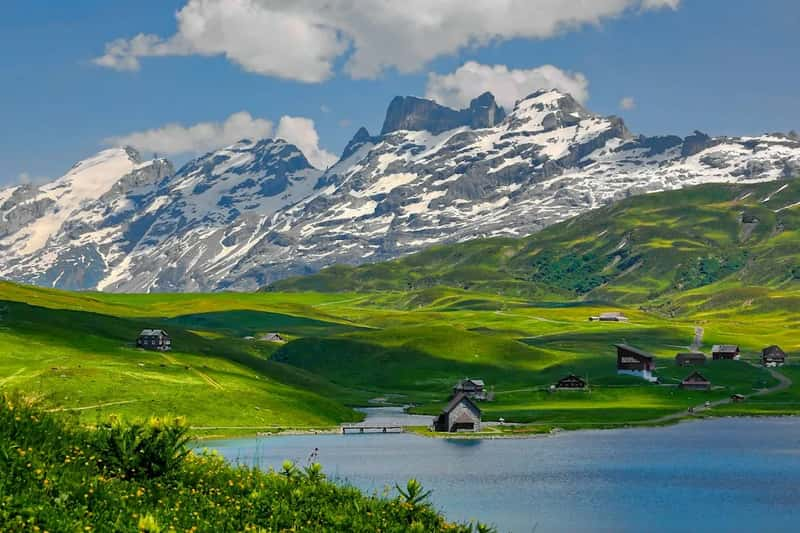
Switzerland ranks second in Europe and third in the world[6] in the 2026 index. The State Department backs that up with a Level 1 advisory, “exercise normal precautions”[7]. Trains run on time, cities are clean, and serious crime against visitors is uncommon.
The main hazards are in the mountains. The State Department notes that avalanches, landslides, flooding, glacial crevasses, falling rocks and sudden weather changes are common[7]. It also warns that public safety warnings are not comparable to those found in the United States[7]. Hikers and skiers should check local conditions and not assume trails will be marked as they are at home.
Slovenia: Small, Calm, and Climbing the Rankings
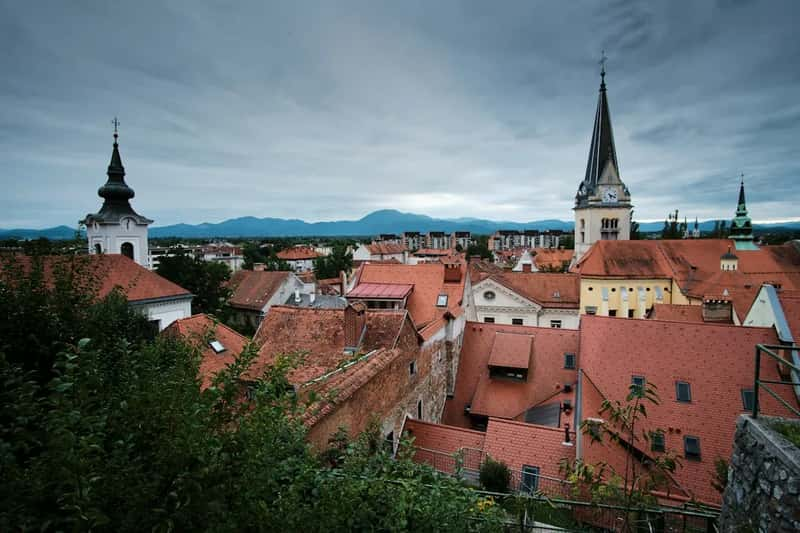
Slovenia is the quiet standout. It came third in Europe and fourth worldwide[6] in the 2026 Global Peace Index, and it moved up two places from the previous year[2]. It also appears on the State Department’s Level 1 list going into 2026[5].
For Americans, that makes it a good choice if you want somewhere less crowded than Italy or Austria. Ljubljana is compact and walkable, and the Julian Alps are close by. As anywhere, basic habits like watching your bag in busy areas and checking mountain forecasts go a long way.
Ireland: Friendly, English-Speaking, and Low-Risk
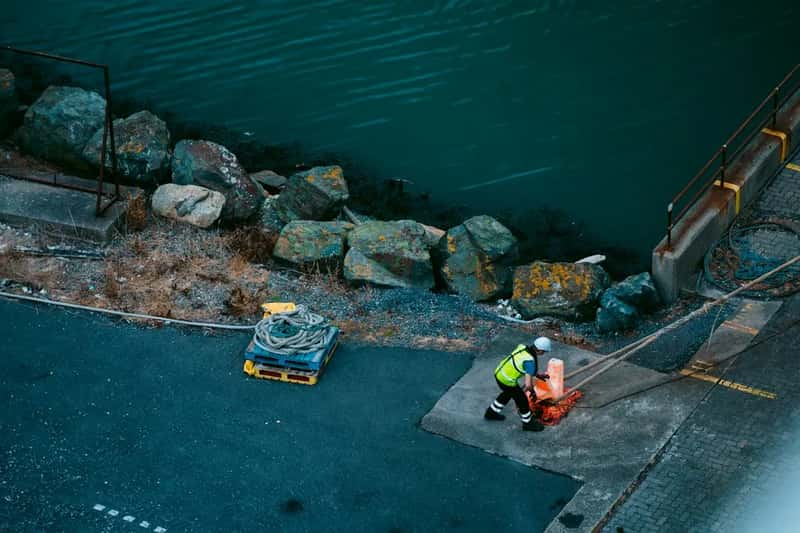
Ireland ranks fifth in the 2026 Global Peace Index with a score of 1.371[2]. CBS News lists Ireland among Level 1 countries[8]. The shared language and familiar customs make it one of the smoothest first trips to Europe for many Americans.
Ireland’s safety record is strong, but that doesn’t mean you can ignore the usual precautions. Don’t leave belongings visible in rental cars, particularly at busy sightseeing stops. Rural roads can be narrow, and driving on the left takes a day or two to get used to.
Austria: Vienna, the Alps, and Steady Security

Austria sits sixth in the 2026 index[2]. It has also been a consistent performer. Only Iceland, Ireland, Austria and New Zealand made the top five in each edition from 2022 through 2025.[4] The State Department lists it at Level 1 going into 2026[5].
Vienna’s reputation for safe, well-run public spaces holds up well for visitors. The usual caveats apply to crowded places like Christmas markets and major train stations, where pickpockets operate in most European cities. In the mountains, the same alpine awareness that applies in Switzerland applies here.
Portugal: Sunny, Affordable, and Very Low Threat
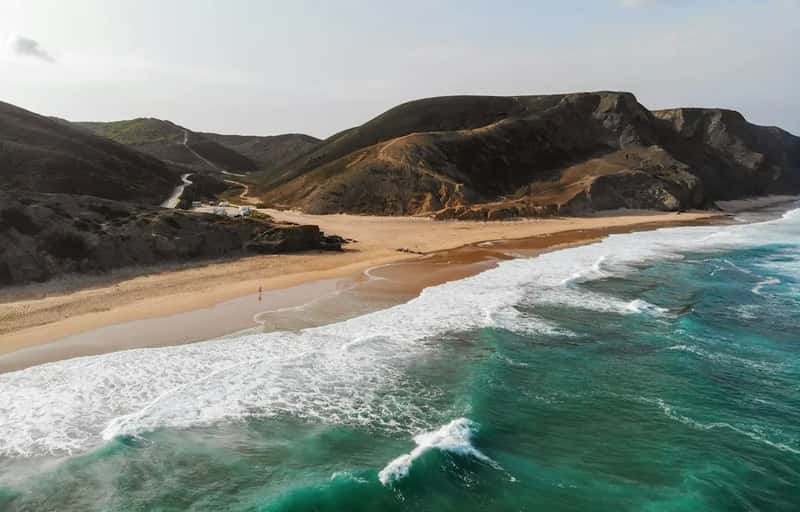
Portugal is sixth in one table of the report’s ranking and seventh overall[1] in 2026, and it rose one place from last year[2]. CBS News also names it among Level 1 countries[8]. For travelers who want beaches and food without much worry, it’s an appealing combination.
The main nuisance is petty theft. One travel guide notes that petty theft in central Lisbon and Porto remains the primary concern[9]. Keep phones out of back pockets on busy trams, and don’t leave bags unattended at restaurants and viewpoints.
Finland: Quiet Cities and Wide-Open Nature
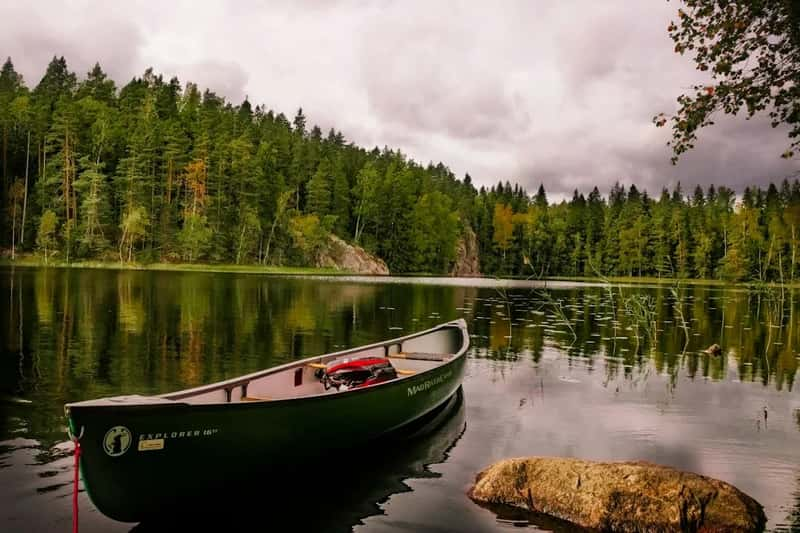
Finland ranks ninth in the 2026 index with a score of 1.478, up one place[2]. The State Department lists it among Level 1 destinations[5]. It is a good fit for travelers who prefer lakes, forests, and saunas to crowded landmarks.
Finland’s real challenges are seasonal. Winter brings ice and very short days, and summer brings long daylight that can throw off your sleep. If you plan to hike or camp, check local guidance, because remote areas can have limited cell coverage.
Czechia: Prague Without the Heightened Alerts

Czechia is on the State Department’s Level 1 list going into 2026[5]. In the Global Peace Index chart for 2026, it appears just outside the top 10, with a score close to those of Denmark and the Netherlands. That makes it one of the stronger-performing Central European countries.
Prague draws huge crowds, and with crowds come pickpockets and overpriced taxis. Use a ride-hailing app or a licensed taxi stand, and be careful around the most touristy squares. Outside the capital, towns like Brno and Český Krumlov feel relaxed and low-key.
Poland: A Strong Mover in the 2026 Rankings
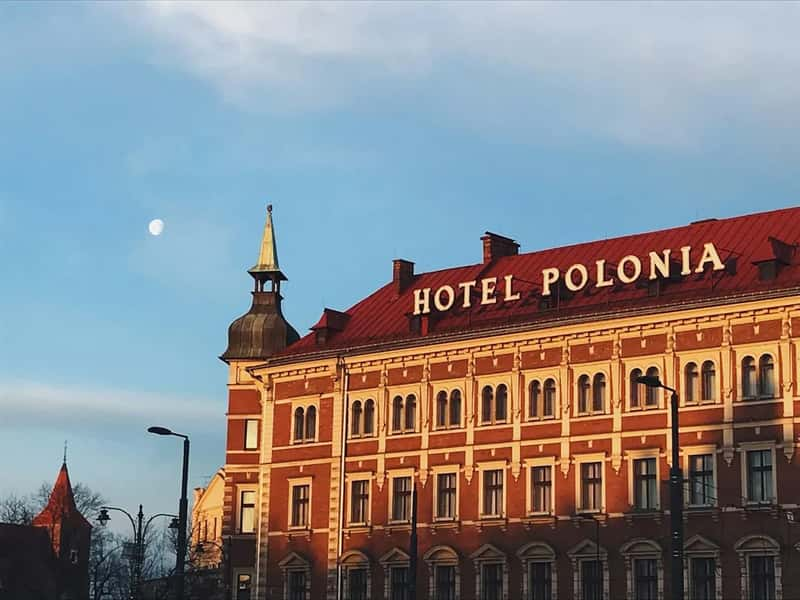
Poland shows how quickly the picture can change. It leapt from 45th place in 2025 to 22nd in 2026[6], and the Institute for Economics & Peace recorded it as the largest country-level improvement, with its score improving by 9.1 percent[1]. The State Department also lists it at Level 1 going into 2026[5].
Cities like Kraków, Warsaw, and Gdańsk are generally easy to navigate, and prices are lower than in much of Western Europe. Poland borders Ukraine, where the State Department lists a Level 4 advisory[10], so it’s sensible to read the current guidance if you plan to visit eastern border regions.
Norway: Fjords, Cities, and Level 1 Status
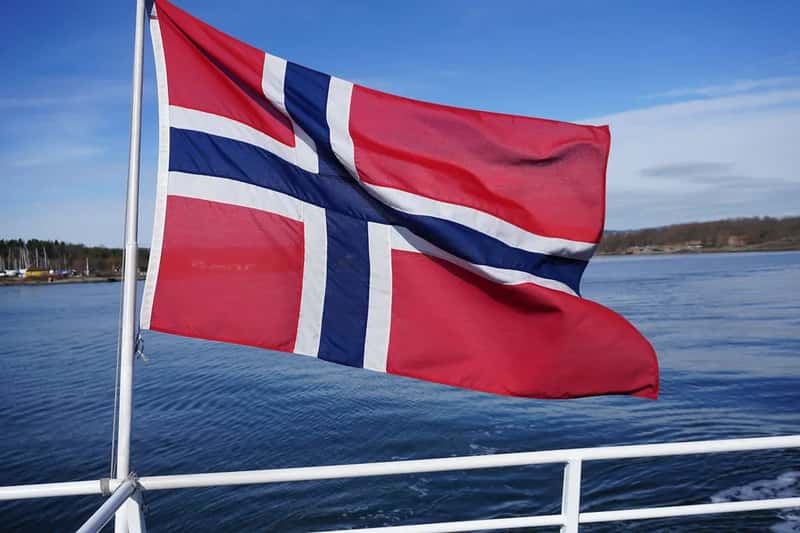
Norway rounds out the list. It appears among the State Department’s Level 1 destinations going into 2026[5], and the Global Peace Index puts its 2026 score at 1.688[4]. That is behind Finland and Denmark, but still strong by global standards.
Norway belongs here for its low everyday risk, and the main concerns are nature and cost. Weather in fjord country shifts quickly, and some roads and ferries close in bad conditions. Pack for rain even in summer, and allow extra time for scenic routes.
What This Ranking Does and Doesn’t Tell You

These ten countries share strong peace scores, Level 1 advisories, or both. Still, they aren’t the only safe options. Denmark, for example, dropped to 11th place[6], which is a narrow miss rather than a sign of danger. Elsewhere, France was the least peaceful country in Western and Central Europe[6] in the 2026 index, and ranked 99th globally[1], which shows that rankings can differ widely even within the same region.
Keep in mind that advisories aren’t permanent. The State Department says it reviews Level 1 and 2 advisories at least every 12 months[8], and it can update them sooner if conditions change. Enroll in the Smart Traveler Enrollment Program, keep digital copies of your passport, and buy travel insurance that covers medical care. Europe is a safe place to travel, and a little preparation covers most of what’s left.