English has become the planet’s default second language, spoken in boardrooms from Amsterdam to Abuja and taught in classrooms from Zagreb to Lagos. Yet fluency doesn’t always follow the flag. According to the latest EF English Proficiency Index, several nations where English isn’t even an official language have pulled ahead of countries that officially list English as a national or co-official tongue, including Nigeria, the Philippines, Pakistan, and others with deep historical ties to the language through colonial administration or education policy.
The 2025 edition of the index, ranks countries based on the average English skills of adult test takers, drawing from 2.2 million EF Standard English Test results collected in 2024 across 123 countries and regions. What follows are the 11 countries that landed at the very top of that ranking, each one outscoring several nations where English carries official status, a reminder that classroom hours, media exposure, and teaching quality often matter more than a passport stamp or a constitution’s wording.
1. The Netherlands
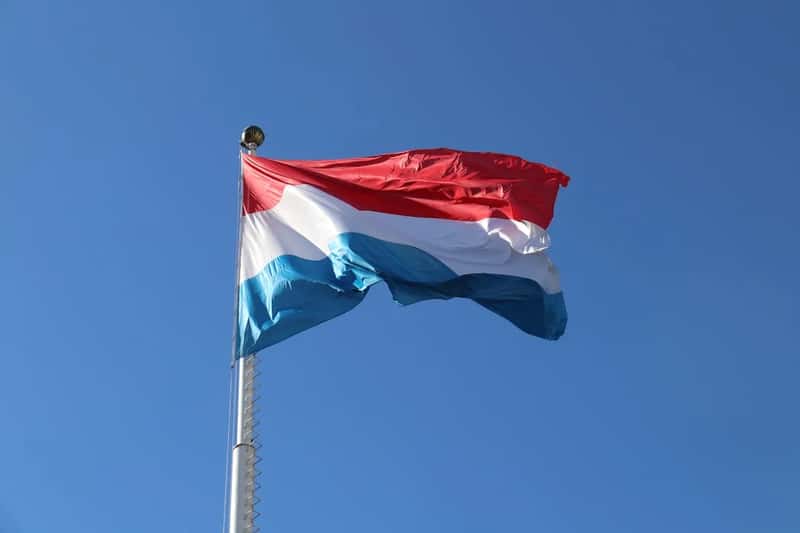
The Netherlands has held the number one spot on the EF EPI for years, and 2025 was no exception. The Netherlands topped the ranking with a score of 624, placing it firmly in the “Very High” proficiency band and well ahead of countries such as Nigeria, whose 2025 score sat at 568, and the Philippines at 569.
Dutch schools begin English instruction early, and the country’s small domestic language market means locals grow up surrounded by English-language television, music, and business communication. The Netherlands, Singapore, Austria and Denmark occupy the top four spots, and their success is largely attributed to early English education, widespread media exposure, high-quality teaching standards, and strong international orientation. That combination has kept the Dutch comfortably ahead of nations where English is an official language but classroom access is far less consistent.
2. Croatia
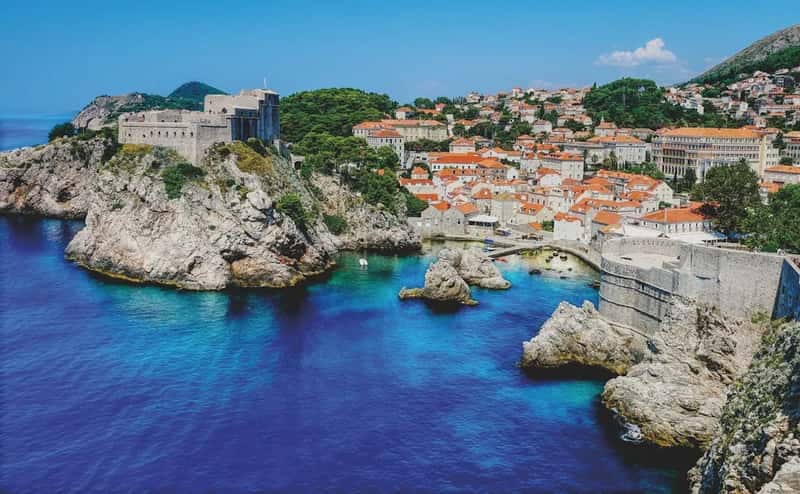
Croatia’s rise up the rankings has been one of the more notable stories in recent editions of the index. Croatia claimed second place globally with a score of 617, a result that puts it in the same “Very High” tier as the Netherlands and Austria.
Tourism plays an outsized role in Croatia’s economy, and that reliance on international visitors has pushed generations of Croatians to build strong conversational and written English skills. The country’s score comfortably exceeds that of Pakistan, where English holds official status but average proficiency remains far lower according to the same index.
3. Austria
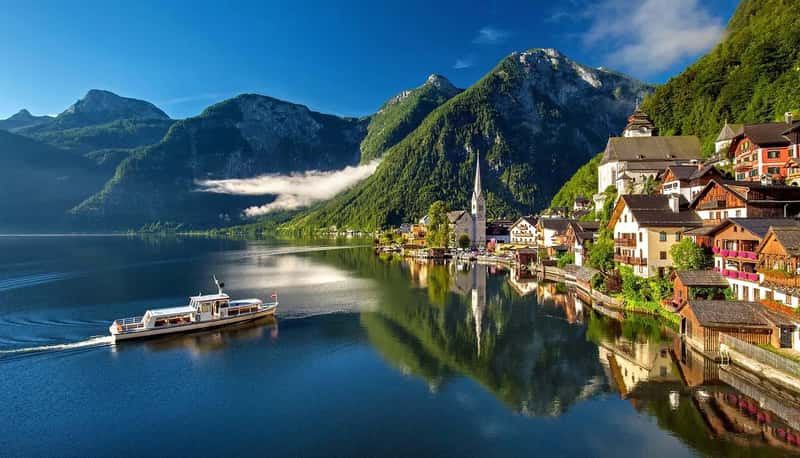
Austria has long been one of Europe’s steadiest performers on the EF EPI, and this year was no different. Austria finished third globally with a score of 616, keeping it firmly among the world’s most proficient non-native English-speaking nations.
Austrian secondary education places heavy emphasis on foreign languages, and English is typically introduced from the earliest school years. Austria is cited among the top four countries globally, with success attributed to early English education, widespread media exposure, high-quality teaching standards, and strong international orientation. That structured approach leaves Austria scoring far above nations like Nigeria despite English carrying no official status there at all.
4. Germany
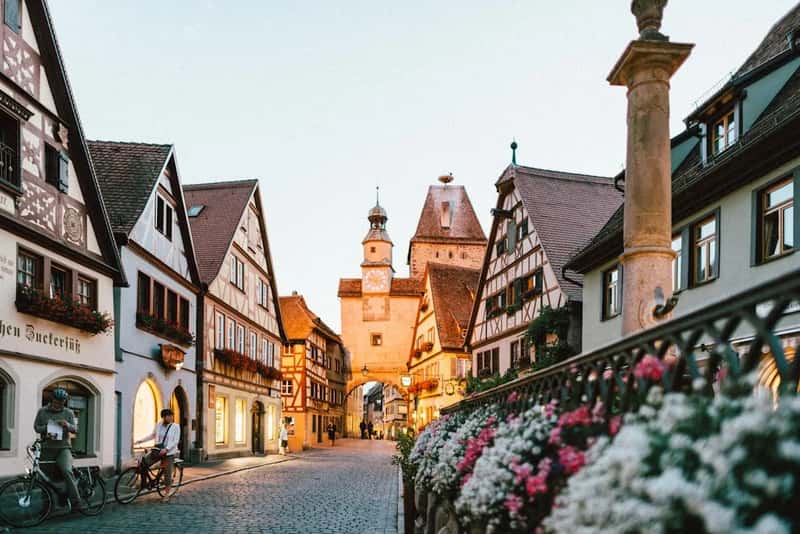
Germany posted one of the more striking improvements in this year’s index. Germany climbed to fourth place with one of the biggest gains in Europe, reaching a score of 615 according to the official EF ranking.
The country’s export-driven economy and dense network of multinational corporations have made workplace English almost unavoidable for professionals in fields ranging from engineering to finance. That national push has helped Germany overtake English-official countries such as the Philippines and Nigeria in average adult proficiency, even though German remains the everyday language for the overwhelming majority of the population.
5. Norway
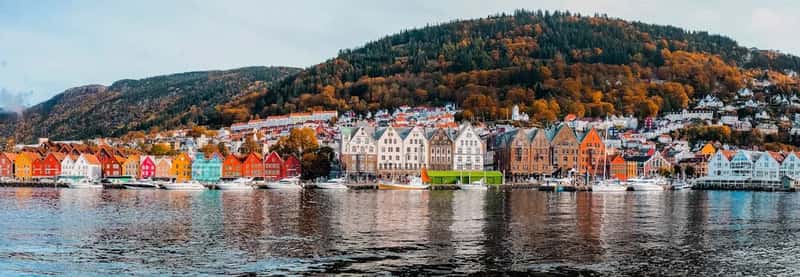
Norway rounded out the top five of the 2025 index with a score that kept it firmly in the “Very High” band. Norway placed fifth globally with a score of 613, continuing a long streak of strong Nordic performances on the index.
Norwegian television and film distribution rarely dubs English-language content, opting instead for subtitles, which exposes viewers to spoken English from a young age. Norway’s breakdown shows particularly strong reading scores of 625 alongside a listening score of 610, underscoring just how deeply English comprehension is embedded in everyday Norwegian life compared with countries where English is official on paper but less present in daily media.
6. Portugal

Portugal has quietly become one of Europe’s strongest English-speaking nations outside the native-speaker world. Portugal ranked sixth globally with a score of 612, placing it well above the “High” proficiency threshold.
Portugal’s tourism industry and growing tech sector, centered around Lisbon’s expanding startup scene, have created steady demand for English fluency among young professionals. Portugal’s skill breakdown showed a strong reading score of 632 alongside a listening score of 610, figures that outpace several countries where English is a constitutionally recognized language but proficiency testing tells a more uneven story.
7. Denmark
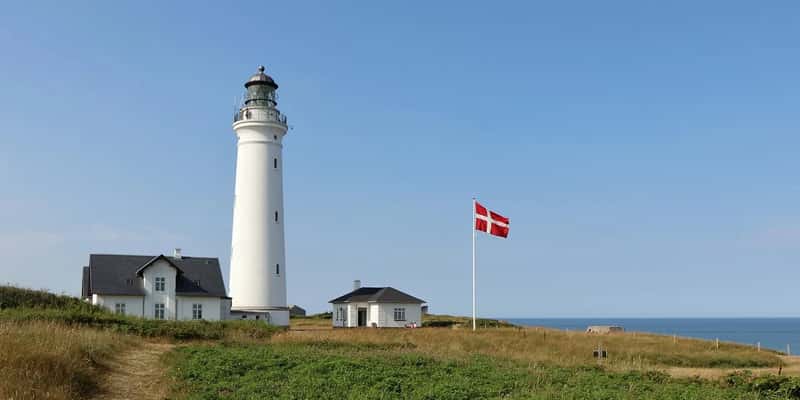
Denmark has consistently ranked among the world’s best non-native English-speaking countries, and 2025 kept that streak alive. Denmark came in seventh globally with a score of 611, edging out fellow Nordic neighbors Sweden and Norway by a slim margin.
Danish media culture leans heavily on English-language content, and the country’s education system integrates English instruction from primary school onward. Denmark leads the Nordic region, edging out Sweden and Norway by a fraction of a point, with differences between Nordic countries remaining small but Denmark holding a consistent edge. That consistency keeps Denmark’s proficiency scores well clear of nations like Pakistan, where English is official but far less uniformly taught.
8. Sweden
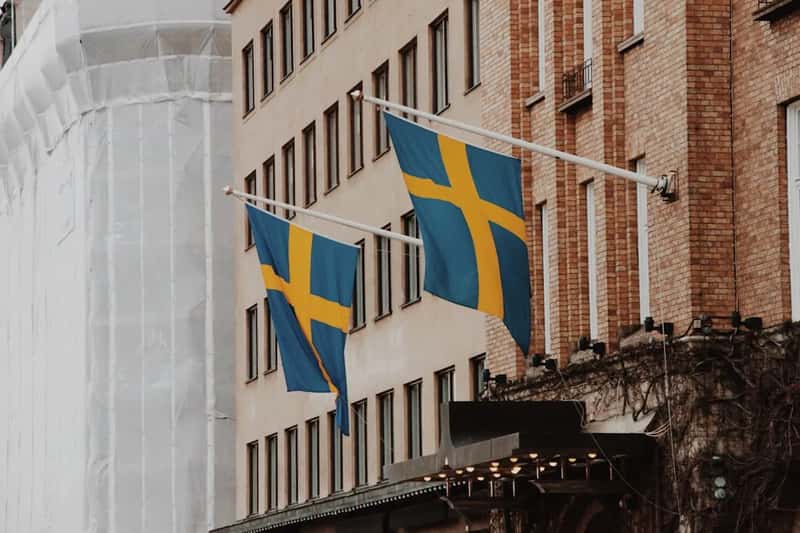
Sweden has been a fixture near the top of the EF EPI for over a decade, and this year’s results kept it inside the world’s top ten. Sweden placed eighth globally with a score of 609, comfortably inside the “Very High” proficiency band.
Swedish television rarely dubs foreign programming, and English is a mandatory subject beginning in the earliest grades of primary school. Sweden’s breakdown shows a reading score of 615 alongside a strong listening score of 611, results that place ordinary Swedish adults ahead of the national averages recorded in Nigeria and the Philippines despite English holding no official status in Sweden whatsoever.
9. Belgium
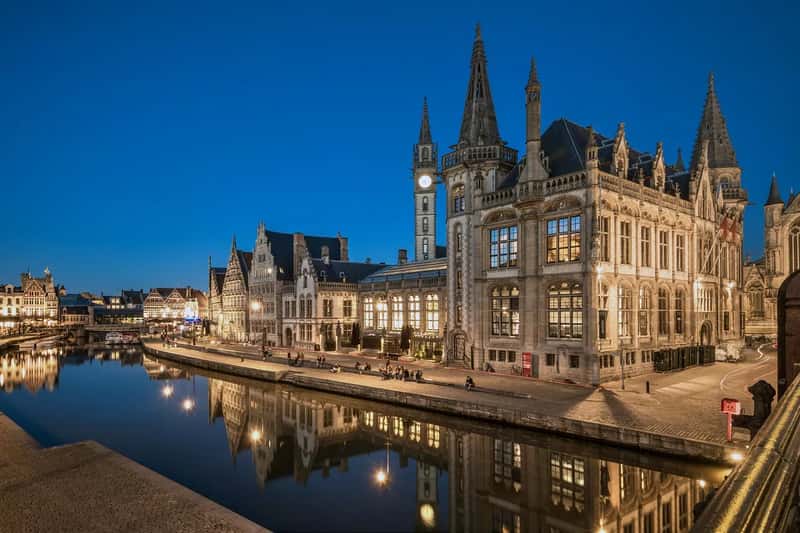
Belgium’s multilingual environment has proven to be a major asset when it comes to English proficiency. Belgium finished ninth globally with a score of 608, keeping it inside the top ten worldwide.
Belgian students typically grow up navigating at least two of the country’s official languages, Dutch and French, and English often becomes a practical third language for communication across the country’s linguistic divide. That trilingual habit has helped Belgium edge out several English-official nations in Africa and South Asia on the same index, even though English isn’t one of Belgium’s own official languages.
10. Slovakia

Slovakia’s presence in the global top ten surprises many people unfamiliar with the country’s education reforms over the past two decades. Slovakia ranked tenth globally with a score of 606, placing it firmly in the “Very High” proficiency category alongside much larger Western European economies.
Slovak schools have steadily expanded English-language instruction since the country joined the European Union, and demand for English among younger professionals has grown alongside foreign investment. That upward trajectory has pushed Slovakia’s average adult proficiency above that of Nigeria and the Philippines, both nations where English carries official status but where access to consistent instruction varies widely by region.
11. Romania
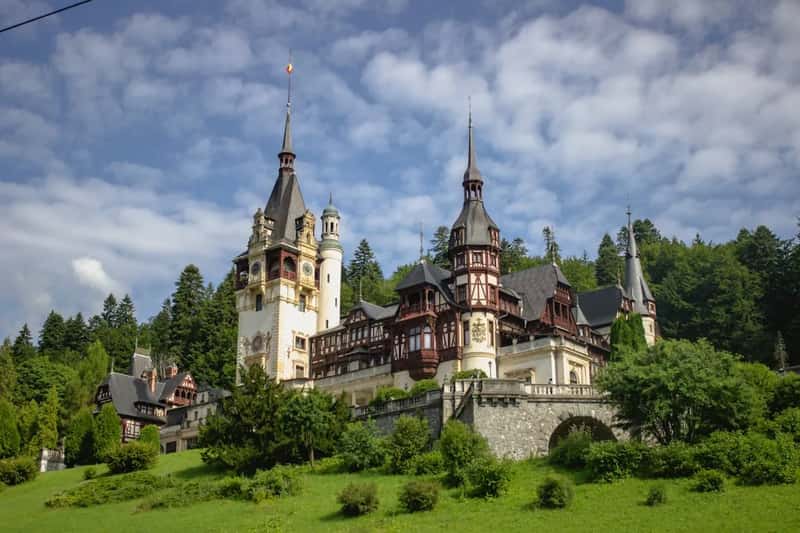
Romania rounds out the top eleven, closing out a group of countries where English isn’t official yet proficiency runs remarkably high. Romania placed eleventh globally with a score of 605, keeping it inside the “Very High” band alongside Finland and Poland just behind it.
Romanian television and streaming platforms rely heavily on subtitled English content rather than dubbing, a habit that has long been credited with boosting listening comprehension nationwide. Combined with strong secondary school English programs, this has allowed Romania to outperform several English-official nations on the same index, even though Romanian remains the dominant language in virtually every domestic setting.
None of this means English-official countries like Nigeria, the Philippines, Pakistan, or India lack skilled English speakers. Quite the opposite: these countries collectively contain some of the largest English-speaking populations on Earth, and their major cities often produce world-class English communicators in business, media, and academia. Countries like the United States and the United Kingdom dominate in terms of native English speakers, while nations such as India and Nigeria have enormous English-speaking populations despite lower average proficiency levels when measured as a national average across the entire adult population.
The gap says less about any single country’s relationship with English and more about how consistently a national education system delivers that language to every citizen, not just the urban middle class. It’s also worth remembering that the EF EPI draws from self-selected test takers who chose to complete a free online assessment, which skews the sample toward younger, more educated, and internet-connected populations. Still, the pattern holds up year after year: a country’s official language policy is no guarantee of average fluency, while sustained investment in early education and everyday exposure to English media can push even small, non-English-speaking nations to the very top of the world’s rankings.