There’s a strange gap in the data that keeps showing up no matter how researchers slice it. Countries with modest incomes, patchy infrastructure, and GDP per capita figures that barely register on global charts routinely report levels of daily joy, laughter, and life satisfaction that rival or beat wealthy nations. It’s not a fluke of one survey either. It shows up across the Gallup World Poll, the Happy Planet Index, and various national wellbeing studies conducted over the past two decades.
What follows is a look at eleven nations, most of them low or lower middle income by World Bank standards, where people consistently report unusually high levels of contentment. None of these places are without hardship. But something in how they live, connect, and measure a good day seems to counterbalance the numbers on a spreadsheet.
1. Vanuatu
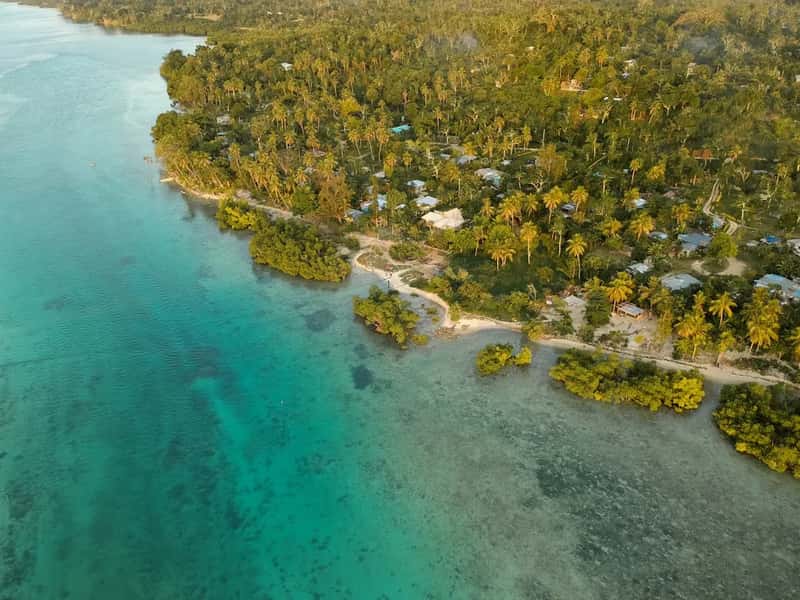
Vanuatu is a scattered chain of islands in the South Pacific with one of the smallest economies on earth, yet it has repeatedly topped global wellbeing rankings. In the most recent Happy Planet Index data, Vanuatu recorded the greatest HPI score of any country at 57.9, with a life expectancy of 70.4 years and a self reported wellbeing value of 7.1 out of 10. Researchers noted this came alongside a carbon footprint that stayed well under global averages, suggesting the nation was getting a lot of life satisfaction out of very little material consumption.
Analysts have pointed to Vanuatu’s tight kinship networks and subsistence lifestyle as part of the explanation. The study found the country achieved its life expectancy and wellbeing score with a carbon footprint well below the globally fair share of 3.17 tonnes CO2e per capita. Land is often communally held, extended families live close together, and food security comes more from gardens and reef fishing than from imported goods, which insulates daily life from some of the economic shocks that erode happiness elsewhere.
2. Nicaragua
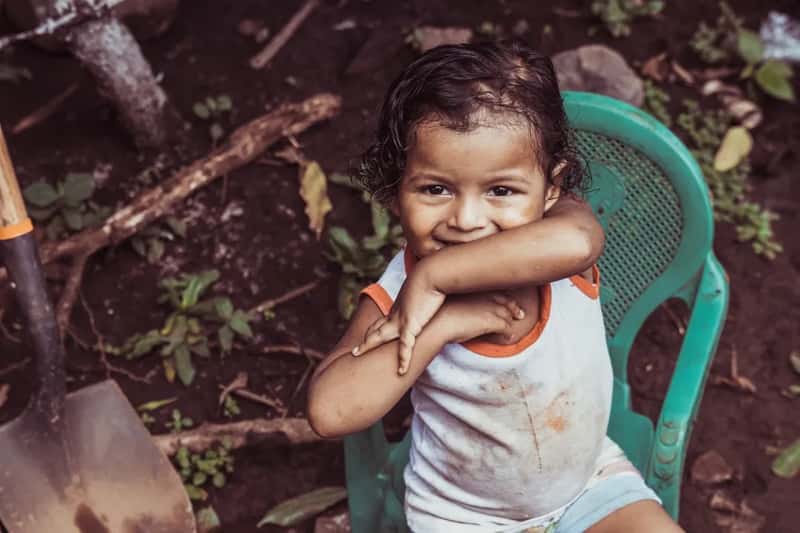
Nicaragua is the second poorest country in Central America by most income measures, yet it has been a fixture near the top of global happiness efficiency rankings for over a decade. Nicaragua has ranked in the top 11 for the Happy Planet Index every year since 2009, and in the most recent full dataset it placed among the five highest scoring nations worldwide. The country posted a life expectancy of 73.8 years and a wellbeing score of 6.10 out of 10, numbers that outperform many countries with far larger economies.
Much of this seems tied to close community structures in both rural villages and urban neighborhoods, where extended families and informal support networks fill gaps that a thin social safety net cannot. Nicaragua was named among the five countries with the highest Happy Planet Index scores, a group otherwise dominated by countries with far higher average incomes. Music, storytelling, and strong religious and civic traditions also give daily life a sense of rhythm and belonging that shows up consistently in survey responses.
3. El Salvador
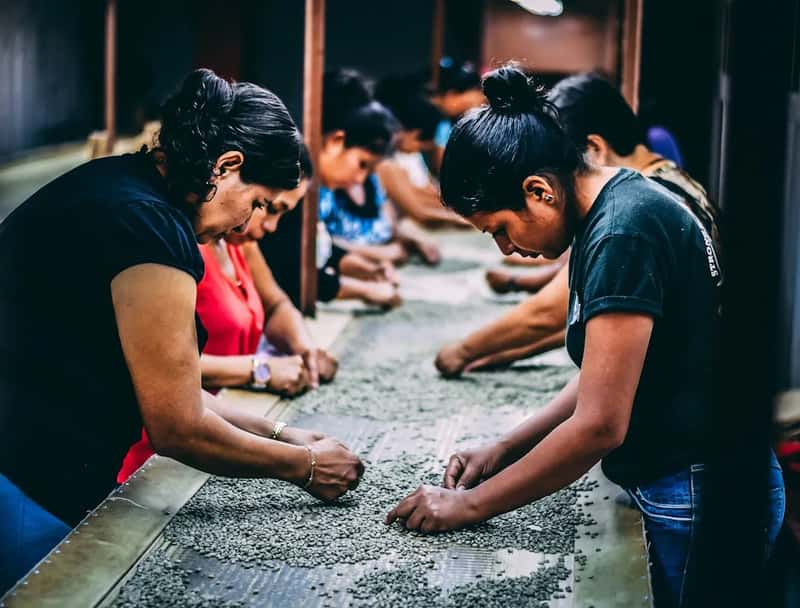
El Salvador has spent years working to rebuild its reputation after a difficult period of gang violence, yet its wellbeing figures have quietly stayed strong throughout. The country recorded a life expectancy of 70.7 years and a life satisfaction score of 6.40 out of 10, placing it among the highest scoring nations on the Happy Planet Index. That combination gave El Salvador one of the better efficiency scores in the world for turning modest resources into long, reasonably content lives.
Everyday social life plays a visible role here too. More than seven in ten people in El Salvador reported learning or doing something interesting the previous day, one of the highest rates recorded anywhere in Gallup’s global surveys. Family closeness, a strong sense of national identity, and a culture that leans toward warmth in daily interactions all appear to soften the edges of a still fragile economy.
4. Guatemala
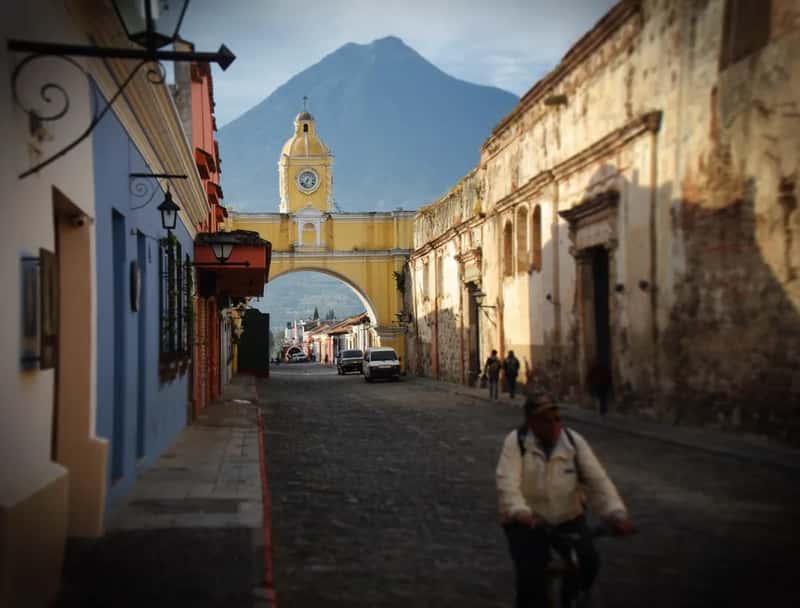
Guatemala carries some of the starkest poverty and inequality figures in Latin America, yet its population consistently reports some of the most positive daily emotions on the planet. Guatemala has ranked in the top nine countries on the Happy Planet Index every year since 2006, an unusually long streak of strong performance. Gallup’s separate emotional wellbeing surveys echo the same pattern year after year.
Guatemala frequently appears near the top of Gallup’s positive experience rankings, alongside Mexico and Panama, showing that upbeat daily emotions are not reserved for wealthier or more stable nations. In fact, three out of four people in Guatemala said they learned or did something interesting the previous day, one of the highest rates measured anywhere in the world. Strong extended family ties, vibrant local markets, and deep indigenous cultural traditions seem to give people daily anchors of meaning that don’t depend on income.
5. Paraguay
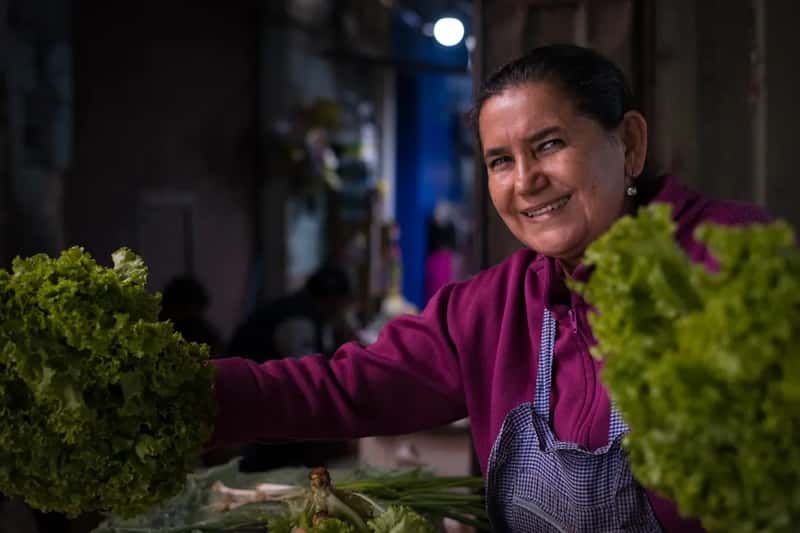
Paraguay rarely makes international headlines, but it has quietly become one of the most emotionally positive countries Gallup tracks. Paraguay often ranks among the highest countries in the world for positive daily experiences like laughter, enjoyment, and feeling treated with respect, putting it in the same company as far wealthier nations. In one recent survey cycle, Paraguay and Panama posted the highest Positive Experience Index scores worldwide, at 86 out of 100.
What stands out most is how rarely Paraguayans report negative emotions. Paraguay scored the lowest in negative experiences across all of Latin America, at just 27 out of 100, even lower than several wealthier neighbors. Analysts attribute this partly to a slower pace of life, tight rural community bonds, and cultural norms that encourage openly expressing joy rather than suppressing it.
6. Honduras
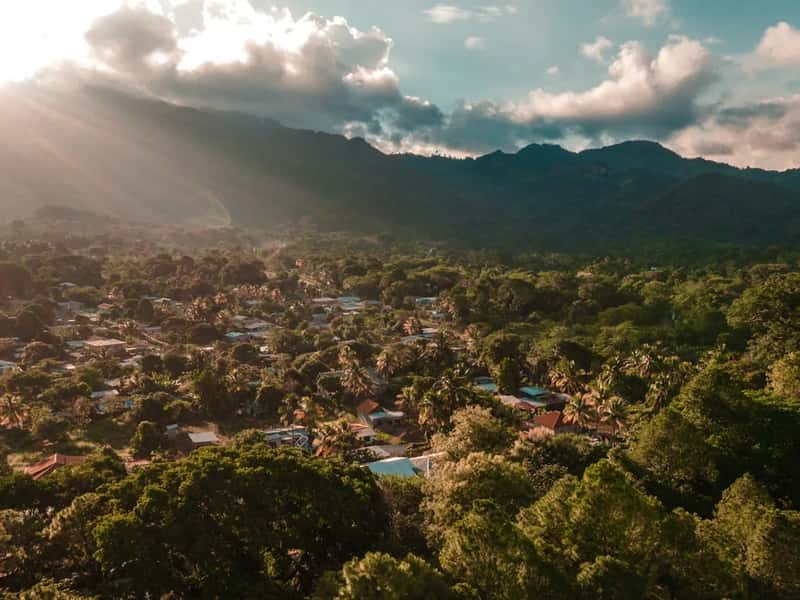
Honduras remains one of the poorest countries in the Western Hemisphere, grappling with high crime rates and limited economic opportunity in many regions. Despite that, it has held a remarkably consistent position on global sustainable wellbeing measures. Honduras has ranked in the top 13 countries on the Happy Planet Index every single year since 2006, a streak that has outlasted several economic and political crises.
That resilience seems to trace back to community structures that function independently of formal institutions. Rural cooperatives, church networks, and tight family units continue to provide the kind of daily support that shows up in life satisfaction surveys even when national statistics on income or security look troubling. It is a reminder that a country’s wellbeing ranking and its headline economic news do not always move in the same direction.
7. Colombia
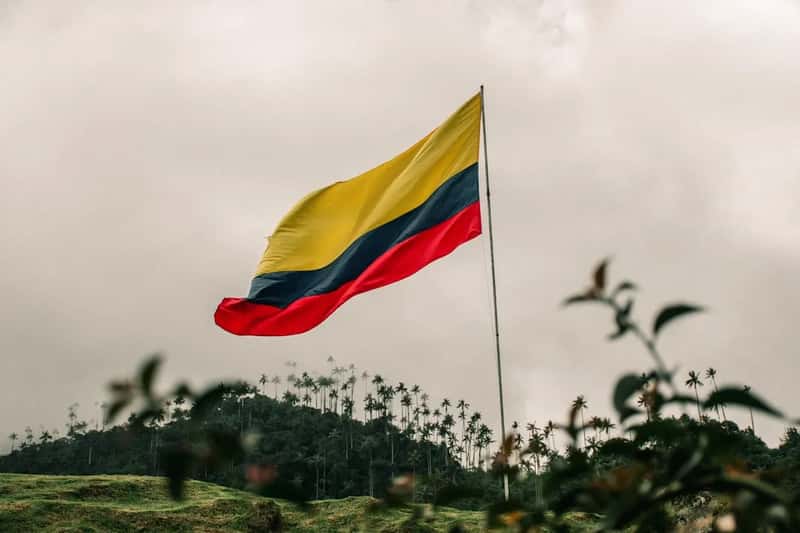
Colombia has spent decades known internationally for conflict, yet its people have just as consistently ranked among the happiest in global surveys. Colombia has held a spot in the top six countries on the Happy Planet Index every year since 2006, one of the longest such streaks recorded. As far back as 2006, out of 178 countries surveyed, the top scoring nations included Vanuatu, Colombia, Costa Rica, Dominica, and Panama.
Colombia’s case is often cited by researchers precisely because life satisfaction there has stayed high even during periods of real hardship. Countries with relatively high levels of measured life satisfaction range from the very top, where Colombia sits in third place, all the way down to nations with far higher incomes. Music, dance, close family ties, and a culture built around social gathering appear again and again in explanations for why Colombians report such strong daily wellbeing despite ongoing economic and security challenges.
8. Jamaica

Jamaica’s economy has long struggled with debt, limited industry, and vulnerability to hurricanes, yet the island has repeatedly punched above its weight on global happiness measures. Jamaica has ranked in the top six countries on the Happy Planet Index every year since 2009. In one earlier global comparison, Jamaica placed among the best scoring nations, following only the Dominican Republic behind Costa Rica, alongside Guatemala and Vietnam.
Music and cultural pride run deep through daily Jamaican life, and both appear frequently in explanations researchers give for the island’s outsized wellbeing scores. A relatively long life expectancy compared to income level, combined with strong extended family and church networks, gives many Jamaicans a stable social foundation even when household finances are tight. It is a pattern seen across much of the Caribbean, but Jamaica’s numbers have been particularly consistent over time.
9. Bangladesh
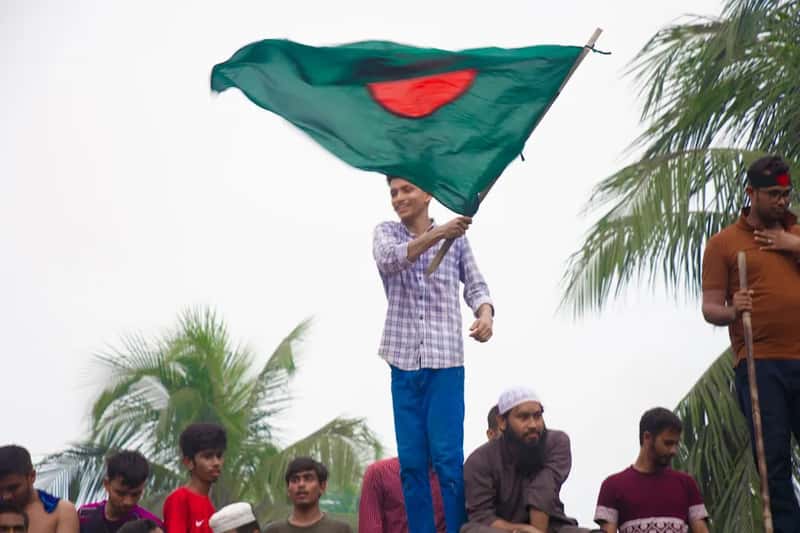
Bangladesh remains one of the most densely populated and historically poor nations in South Asia, yet it made an unusually strong showing in some of the earliest global happiness comparisons. Researchers specifically flagged it as an outlier. Among the World Economic Forum’s top ten happiest places were two highly underdeveloped nations, Vanuatu and Bangladesh, both of which score poorly on the UN’s Human Development Index.
That contradiction, a country doing badly on almost every conventional development metric while still reporting strong subjective wellbeing, became one of the most cited examples in the wider debate about what happiness indices actually measure. Bangladeshi social life leans heavily on extended family households, close village and neighborhood ties, and a strong sense of communal identity that appears to buffer against material scarcity. It remains one of the clearest examples of a country where income and reported contentment simply do not move in lockstep.
10. Indonesia
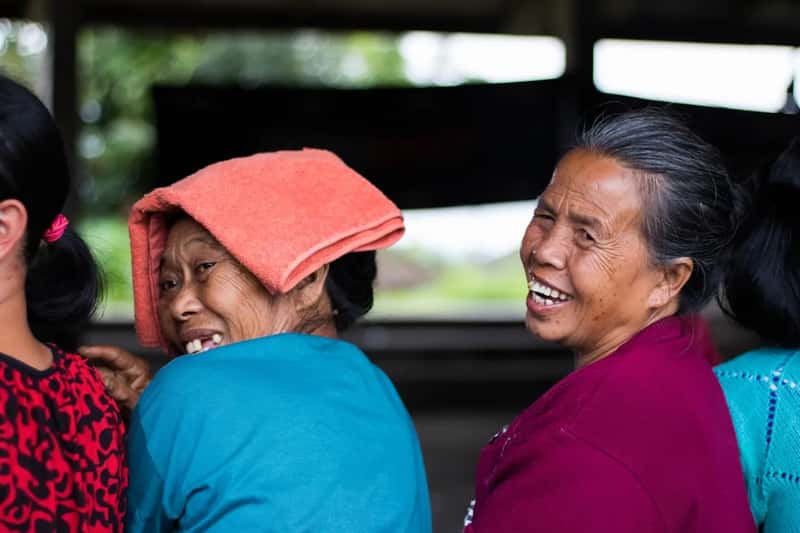
Indonesia, home to more than 270 million people spread across thousands of islands, has a lower middle income economy but consistently posts some of the world’s highest scores for daily positive emotion. Indonesia is regularly named alongside Denmark and Paraguay as one of the countries ranking highest for positive daily experiences like laughter, enjoyment, and feeling treated with respect. That is a striking group to be part of, given how much Indonesia’s average income trails the other two.
In one recent Gallup ranking cycle, Indonesia placed among the countries reporting the most positive daily experiences, following closely behind Paraguay, Panama, Guatemala, and Mexico. Strong religious observance, tight village and neighborhood ties, and cultural norms that favor gratitude and communal celebration all show up repeatedly in explanations for why Indonesians report such consistently upbeat daily lives.
11. Kosovo
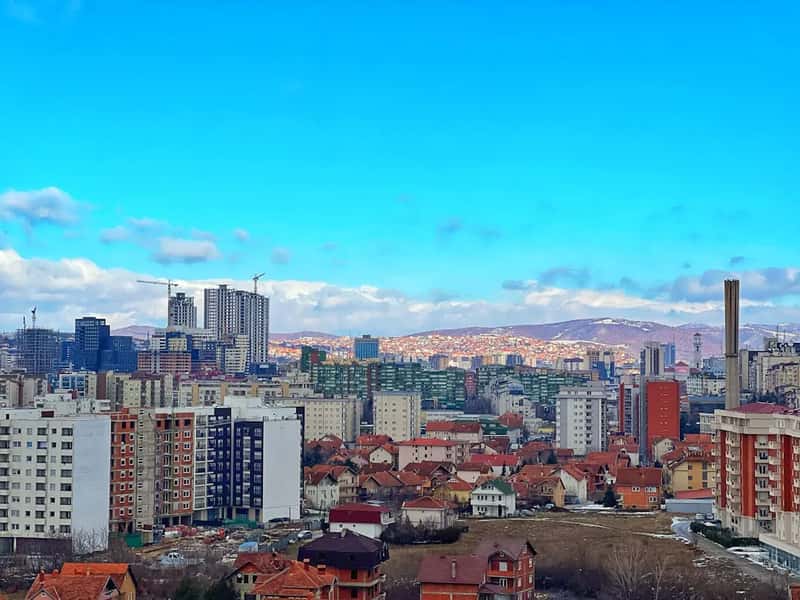
Kosovo is widely regarded as one of the poorest economies in Europe, still rebuilding decades after conflict and carrying high youth unemployment. Even so, it has become one of the more surprising entries in recent global happiness data. Kosovo ranked 16th in the 2026 World Happiness Report, one of only a handful of countries outside Western Europe to crack the global top 20.
That placement put Kosovo ahead of numerous wealthier nations, including several long established EU economies. Researchers point to strong family cohesion, a young population with an optimistic outlook, and close community ties built during years of hardship as likely contributors. It stands as one of the more unusual cases on this list, a country whose happiness ranking has climbed even as its economic indicators remain among the weakest on the continent.
None of these eleven countries would rank highly on a list sorted purely by income, infrastructure, or GDP growth. Yet each one shows up again and again across independent surveys measuring how people actually feel about their daily lives. The common threads tend to be the same: tight family and community bonds, cultural norms that encourage open expression of joy, and social structures that provide support even when formal institutions cannot. It is a useful reminder that wellbeing and wealth, while related, are not the same measurement at all.