When Americans pack their bags and venture beyond familiar borders, they often discover just how different life can be elsewhere. The comfort of predictable social norms, familiar customs, and shared cultural understanding suddenly vanishes, replaced by practices that can feel bewildering or even shocking.
From greeting customs that challenge everything we know about personal space to business practices that turn American efficiency on its head, certain destinations deliver culture shock so intense it fundamentally reshapes how Americans view the world. These twelve countries represent the most jarring cultural transitions Americans encounter when traveling abroad.
Japan: Where Silent Respect Rules Everything
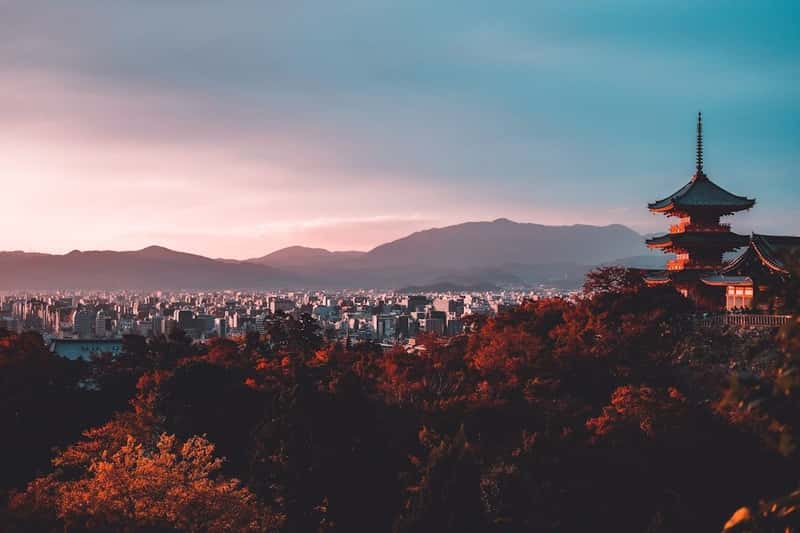
Japan presents Americans with perhaps the most comprehensive culture shock through its intricate social rules that govern everything from elevator etiquette to gift-giving protocols. The Japanese metro system operates on unspoken rules where people do not speak loudly if at all and everyone maintains strict personal space. Americans accustomed to casual conversation and relaxed public behavior find themselves navigating a society where silence is golden and every action carries social weight.
In Japan and South Korea, for example, tipping might even be seen as insulting. This revelation often catches American travelers off guard, especially when their attempts at generosity are met with confusion or offense. The meticulous attention to detail in Japanese customer service operates on completely different principles than American service culture.
The concept of “reading the room” reaches an art form in Japan, where indirect communication and subtle social cues replace the direct, straightforward approach Americans typically use in business and social situations.
Saudi Arabia: Religious Life Shapes Every Moment
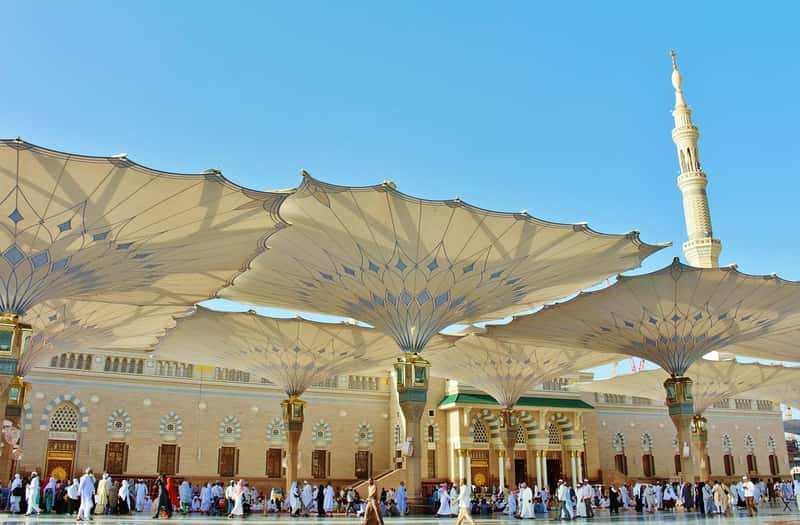
Saudi Arabia’s strict adherence to Islamic law and conservative customs can be a significant culture shock for American travelers. The separation of men and women in public spaces, modest dress code expectations (though abayas are no longer mandatory for foreign visitors), limited social interactions between genders, and the call to prayer five times a day are unique aspects of Saudi Arabian culture that can take some getting used to.
Americans who lived in Saudi Arabia for several years report catching themselves staring at women’s bare arms when returning to the United States. This reverse culture shock upon returning to America demonstrates how completely Saudi social norms can reshape American perceptions of normalcy. The religious influence on daily life extends far beyond dress codes to affect business hours, social interactions, and entertainment options in ways that can leave Americans feeling completely disoriented about how to navigate basic social situations. Prayer times dictate when shops close, when meetings pause, and when social activities halt, creating daily rhythms completely foreign to American concepts of continuous business operation and separation of religious and commercial life.
China: Sensory Overload and Social Media Silence
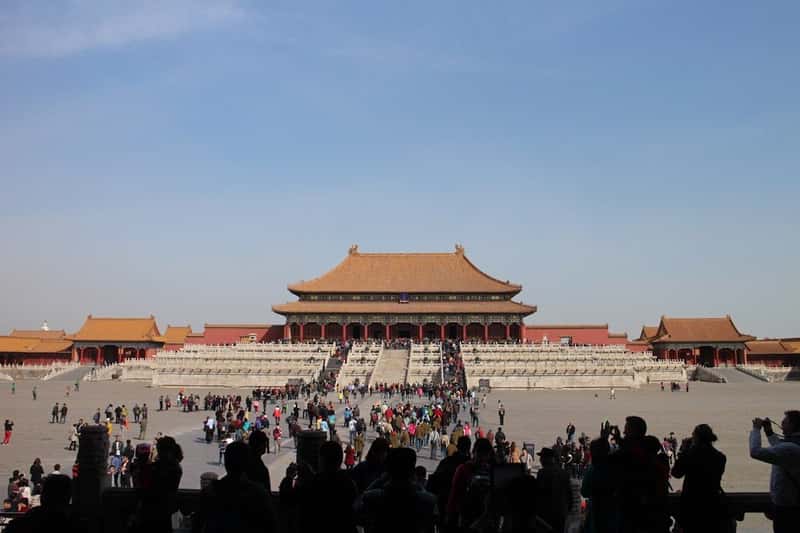
At the other end of the spectrum would be China, which can really be an assault on the senses if you’re not prepared for it. The sheer scale of Chinese cities overwhelms Americans accustomed to more manageable urban environments, while the Great Firewall creates a digital isolation that cuts off access to familiar social media platforms and search engines.
China’s rich history, bustling cities, and rapid modernization can provide a unique cultural experience. However, the contrast between ancient traditions and ultra-modern technology creates a cultural whiplash that many Americans struggle to process. Negotiating in Chinese business culture requires patience for lengthy relationship-building processes that contradict American preferences for efficiency.
The concept of personal space operates dramatically differently, with crowding considered normal in situations where Americans would feel claustrophobic or uncomfortable.
India: Chaos as an Organizing Principle
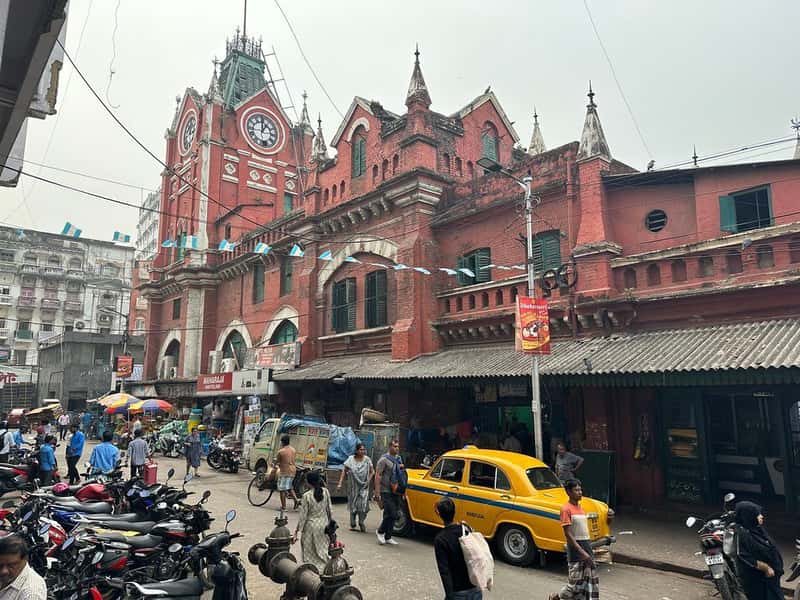
India delivers culture shock through sheer intensity of sensory experience that overwhelms American visitors unprepared for the country’s embrace of chaos as a organizing principle. In parts of India, Africa, and the Middle East, eating with your hands is customary and seen as a way to connect more intimately with your food, contrasting with the American habit of using utensils.
The concept of personal space operates completely differently, with crowding considered normal rather than intrusive. Americans accustomed to maintaining physical distance in lines, transportation, and public spaces find themselves constantly pressed against strangers in situations that would be considered inappropriate in American culture. Street food culture and hygiene standards challenge American preconceptions about food safety, requiring mental adjustments to accept local practices that seem risky by American standards but represent normal life for millions of Indians.
India has forever changed the way I view the world. 30 days in India was enough to take everything I thought I knew about the world, toss it around, spit on it, roll it up into a ball, stomp on it, then light it on fire, resulting in a state of pondering I don’t think has left me, even to this day.
Russia: Where Smiles Are Earned, Not Given

Russians’ famous reluctance to smile at strangers creates immediate culture shock for Americans taught that smiling represents basic friendliness. What Americans interpret as hostility often simply reflects Russian cultural norms that reserve smiles for genuine emotions rather than social lubricant. The directness of Russian communication can shock Americans accustomed to indirect criticism and polite deflection.
In countries like Russia and Korea, there is a strong cultural emphasis on drinking alcohol during social functions, which can be intense for Americans who are not accustomed to heavy drinking. Business dinners become endurance tests rather than networking opportunities, with refusing drinks potentially seen as disrespectful.
Russian bureaucracy operates on principles that can bewilder Americans expecting customer service and efficiency. Simple transactions become complex negotiations requiring patience and persistence that American commercial culture doesn’t typically demand.
Thailand: Tropical Rhythms and Hierarchical Respect
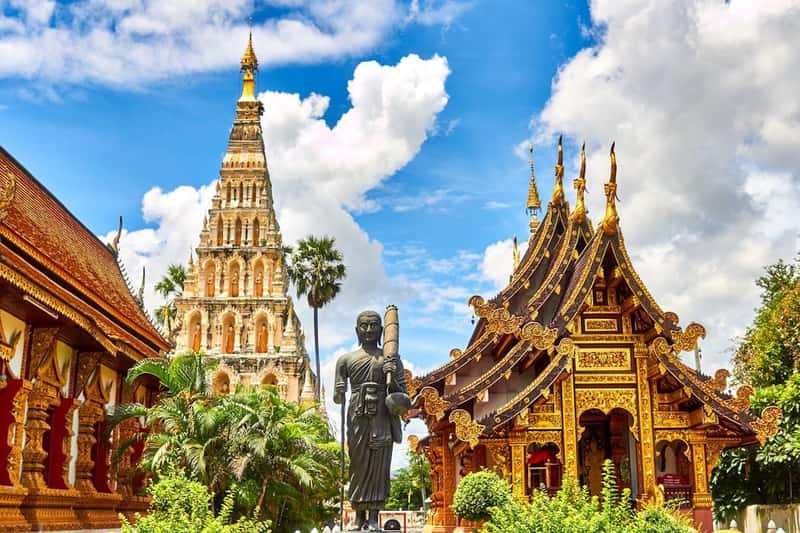
Thailand is my favorite, Bangkok and Chiang Mai would easily fill a week with stunning sights and great experiences. Winter is the best time to go. However, the concept of “Thai time” challenges American punctuality expectations, while the complex system of social hierarchy requires careful navigation of respect levels based on age, status, and relationships.
The famous Thai smile can mislead Americans into thinking they understand social situations, when in reality the smile might indicate embarrassment, confusion, or polite disagreement rather than happiness or agreement. Buddhist influences permeate daily life in ways that affect everything from business negotiations to casual interactions.
In places like Thailand for instance, you can eat a full meal with drinks for a little over two dollars. This dramatic cost difference creates its own form of culture shock as Americans adjust to radically different economic realities.
Germany: Efficiency Meets Blunt Honesty
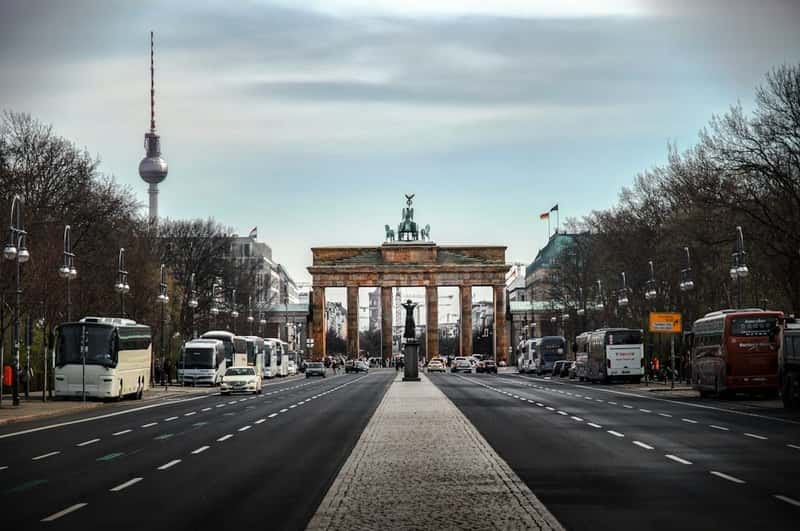
I quit when I came back from Germany, and I was blown away by how often I didn’t encounter other smokers when I had assumed I’d have to deal with that temptation often. German directness in communication shocks Americans accustomed to softening criticism with politeness and indirect language.
Many stores, restaurants, and businesses close on Sundays, especially in countries like Germany or Switzerland. This strict separation between work and rest time challenges American expectations of constant availability and 24-7 business operations. Germans value their leisure time with an intensity that can surprise Americans used to working through weekends.
The concept of “Ordnung” (order) influences everything from standing in proper queues to following rules that might seem unnecessarily rigid to American sensibilities. German punctuality makes American “on time” look fashionably late.
South Korea: Hierarchy and Honor in Every Interaction
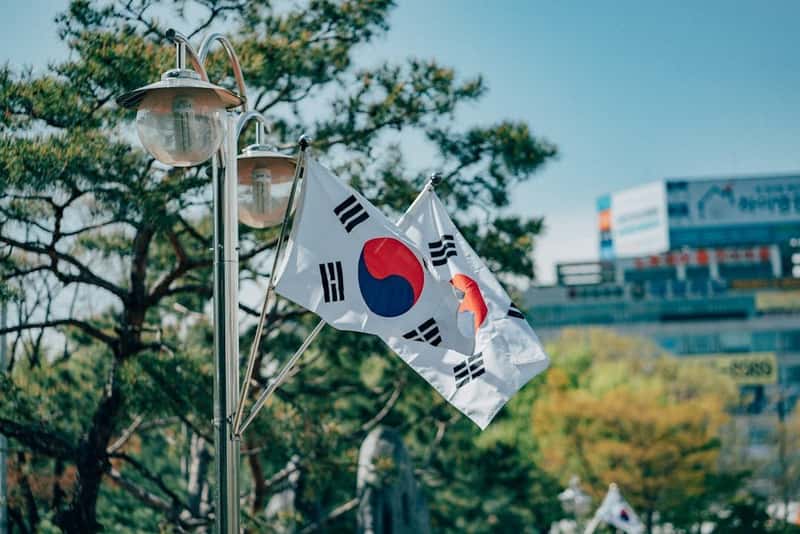
Korean society operates on Confucian principles that create complex social hierarchies based on age, education, and professional status. Americans must navigate intricate systems of formal language and behavior that change based on who they’re addressing, making every conversation a potential minefield of social etiquette.
As a solo traveler, you might also consider that people in Japan, Korea, and even China are more reserved and it’s easy to feel ‘unstuck’ if you don’t know anyone and don’t speak the language. The reserved nature of Korean social interaction contrasts sharply with American openness to small talk with strangers.
Business card exchanges become formal ceremonies with specific protocols for giving and receiving, while the concept of “nunchi” (social awareness) requires Americans to develop entirely new skills for reading social situations and group dynamics.
France: Cultural Pride and Culinary Rituals

Meals in Europe are often leisurely and can last several hours, especially in countries like France, Italy, or Spain. Tipping is less common or smaller (5–10%), as service charges are often included in the bill. Be patient; dining is seen as an experience, not a quick meal. French attitudes toward food transform eating from fuel consumption into cultural performance.
The French approach to customer service operates on principles of mutual respect rather than “customer is always right” philosophy, requiring Americans to adjust their expectations about service interactions. Language becomes a cultural battleground where attempts at French are appreciated, but mistakes are noted.
Europeans may seem more formal, especially in countries like Germany or France. Titles and greetings are important. Use formal greetings like “Bonjour” (France) or “Guten Tag” (Germany) when entering shops.
Brazil: Warmth, Music, and Flexible Time
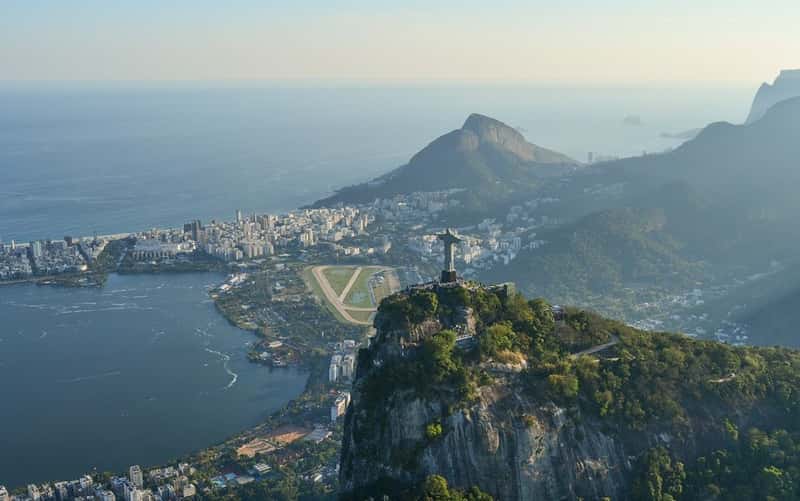
Brazil is known for its vibrant Carnival celebrations, passionate football culture, and diverse mix of ethnicities. The Brazilian way of life is characterized by warmth, music, and a relaxed approach to time. However, the language barrier (with Portuguese being the official language), the prevalence of street crime in some areas, and the stark disparities between rich and poor can be jarring for American travelers.
Physical contact and personal closeness that would make Americans uncomfortable are standard in Brazilian social interactions. The concept of personal space shrinks dramatically, while music and celebration integrate into daily life rather than being reserved for special occasions.
Economic disparities create visible contrasts that challenge American assumptions about middle-class life and social mobility, requiring emotional adjustment to dramatic wealth gaps.
Vietnam: Communist Heritage Meets Capitalist Energy

Somewhere like Vietnam is also worth visiting but a little more of a culture shock. The blend of communist political structure with aggressive capitalist commerce creates contradictions that puzzle Americans accustomed to more consistent political-economic systems.
Traffic in Vietnamese cities operates on principles that seem to defy physics and safety, with motorbikes weaving through intersections in patterns that would paralyze American drivers with fear. The concept of traffic rules becomes more like traffic suggestions.
The next 7 months of travel would take us through Vietnam, the Philippines, Malaysian Borneo, Cambodia, Thailand, Myanmar, Singapore, the Maldives, Sri Lanka, and India before we made our next run for the states. Vietnam represents a stepping stone to understanding Southeast Asian culture, but with its own unique challenges stemming from recent history and rapid development.
Singapore: Efficiency With Severe Consequences
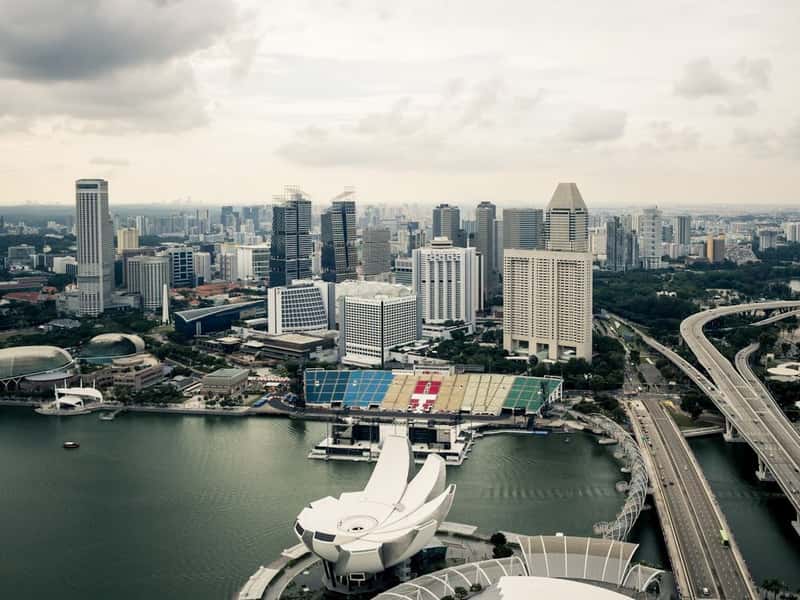
For the minimum culture shock I’d suggest Singapore, with its modern infrastructure, English language and signage. It’s a very comfortable experience for a first time traveler to Asia. However, Singapore’s familiarity masks strict social control that can shock Americans used to more personal freedom.
The famous efficiency comes with severe penalties for violations that Americans might consider minor infractions. Chewing gum restrictions, jaywalking fines, and drug penalties that include death sentences create a controlled environment that challenges American concepts of personal liberty.
The multicultural harmony operates through government management rather than organic social evolution, creating a different model of diversity than Americans experience in their own multicultural society.
The countries that deliver the most intense culture shock to Americans share common elements: they challenge fundamental assumptions about individual freedom, social interaction, time management, and personal space. These experiences force Americans to confront how deeply their cultural programming runs and how much they take their own social norms for granted. The shock isn’t just about different ways of doing things – it’s about discovering entirely different ways of thinking about life itself.