There’s a strange gap between how a country scores on paper and how it actually feels to walk through its streets with a backpack. Transparency International’s Corruption Perceptions Index has become the standard reference for measuring public sector graft worldwide, yet the countries near the bottom of that list are often the same ones filling up Instagram feeds with beach sunsets and ancient temples.
The 2025 edition of the index paints a fairly grim picture globally, with the average score falling to a new low and the majority of nations struggling to keep bribery and institutional abuse in check. Still, millions of travelers book flights to these places every year and come home with nothing worse than a mediocre taxi fare negotiation. Here’s a look at twelve destinations where corruption runs deep in government and business, yet tourists routinely report feeling secure and welcomed.
1. Mexico

Mexico scored just 26 out of 100 on the 2025 Corruption Perceptions Index, placing it among the lowest performers in the Americas. Cartel influence over local police forces and politicians has been well documented for decades, and corruption cases involving state officials surface regularly in national news. For a country of this size, the scale of institutional graft is significant and touches everything from customs to construction permits.
None of that stops Cancún, Tulum, and Mexico City from drawing enormous numbers of international visitors every year. Tourist zones tend to operate almost as a separate ecosystem, with private security, tourist police units, and a hospitality industry that depends heavily on repeat business. Travelers who stick to well-trodden resort corridors and popular archaeological sites generally describe the experience as relaxed rather than risky, even if the political backdrop is far messier.
2. Egypt
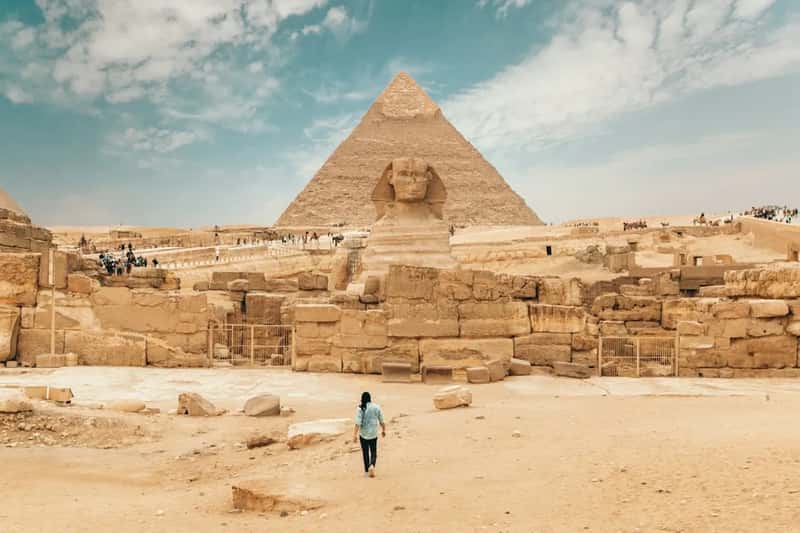
Egypt sits at a score of 30, reflecting long-standing concerns about bureaucratic bribery, opaque state contracts, and limited press freedom around corruption reporting. Petty demands for baksheesh at sites and airports are common enough that most guidebooks address them directly. The gap between how the government is perceived internationally and how ordinary transactions actually unfold on the ground is part of daily life there.
Yet the pyramids of Giza, the temples of Luxor, and the Red Sea resorts continue to pull in steady crowds year after year. Tourism is such a critical part of the national economy that authorities keep a visible security presence around major attractions and hotel districts. Visitors typically find the experience straightforward once they understand which small payments are expected and which are simply attempted scams.
3. Kenya
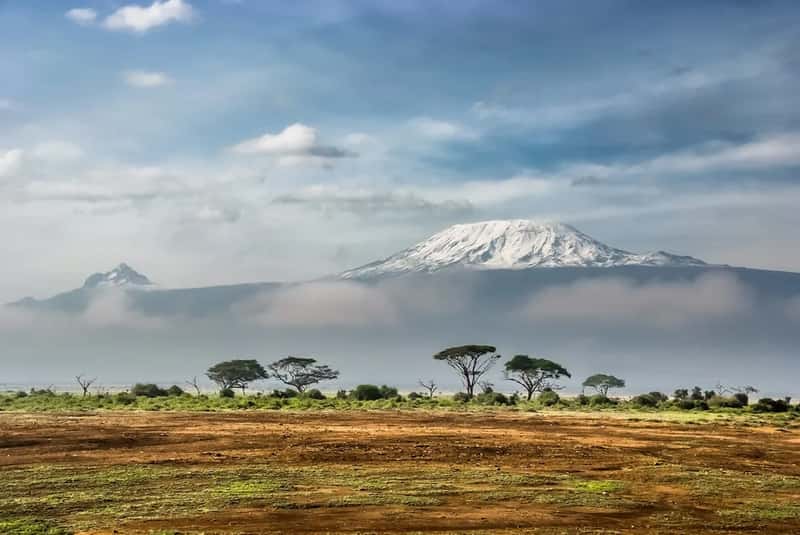
Kenya’s CPI score of 30 reflects persistent issues with public procurement fraud, land title corruption, and bribery within parts of the police force. Anti-corruption commissions have investigated numerous high-profile cases involving government tenders, though prosecutions often stall. It’s a topic Kenyans themselves discuss openly, including through an active civil society and press.
Safari tourism, meanwhile, keeps thriving in places like the Maasai Mara and Amboseli National Park. Licensed tour operators and lodges tend to insulate travelers from the bureaucratic friction that locals sometimes encounter, and wildlife reserves are patrolled with a level of organization that surprises many first-time visitors. The contrast between governance headlines and the smoothness of an actual safari trip is often noted by returning tourists.
4. Turkey
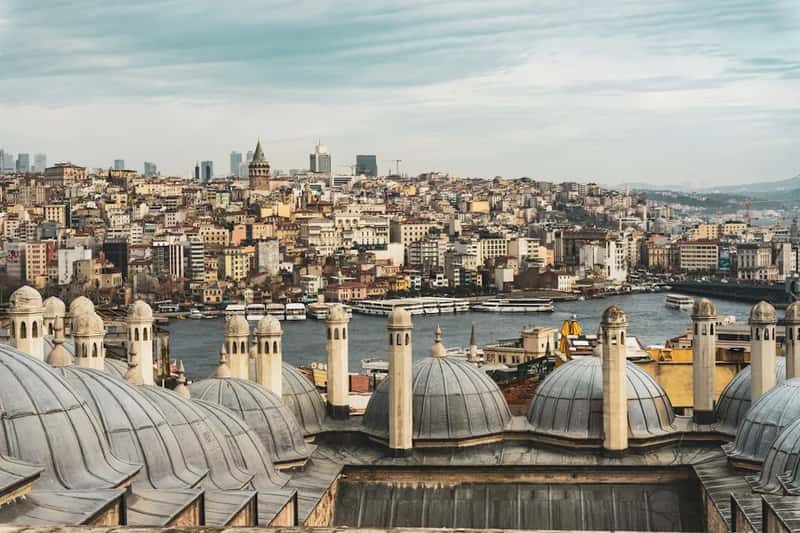
Turkey scored 31 in the 2025 index, a figure that has slid over the past several years alongside concerns about judicial independence and media freedom. Reports of politically connected business deals and construction sector kickbacks have featured prominently in domestic and international coverage. The erosion has been gradual rather than sudden, but it’s been consistent.
Istanbul’s bazaars, Cappadocia’s balloon rides, and the Turquoise Coast remain firmly on the global travel circuit regardless. Tourist infrastructure is mature, English signage is widespread in major cities, and the country has decades of experience hosting large volumes of European and Middle Eastern visitors. Most travelers interact with a well-oiled hospitality machine that feels entirely separate from the political friction reported in the news.
5. Philippines
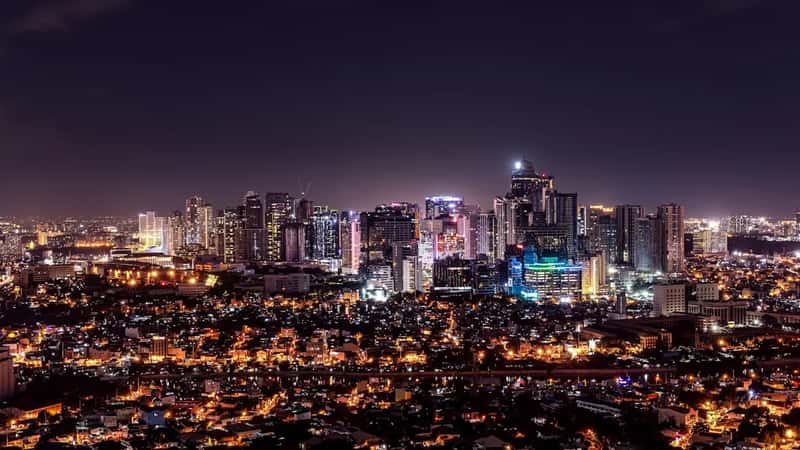
The Philippines posted a score of 32, shaped by long-running concerns over local government kickbacks, election-related corruption, and uneven judicial outcomes. Several recent scandals involving public infrastructure funds have drawn significant domestic attention. It remains a country where personal connections often matter more than formal procedure in day-to-day bureaucracy.
Boracay’s beaches, Palawan’s lagoons, and Manila’s street food scene continue to attract a growing number of foreign visitors regardless. The tourism sector has professionalized considerably, particularly around resort islands where local economies depend almost entirely on repeat foreign business. Travelers commonly describe Filipinos as exceptionally hospitable, a reputation that tends to outweigh any unease about national politics.
6. Thailand
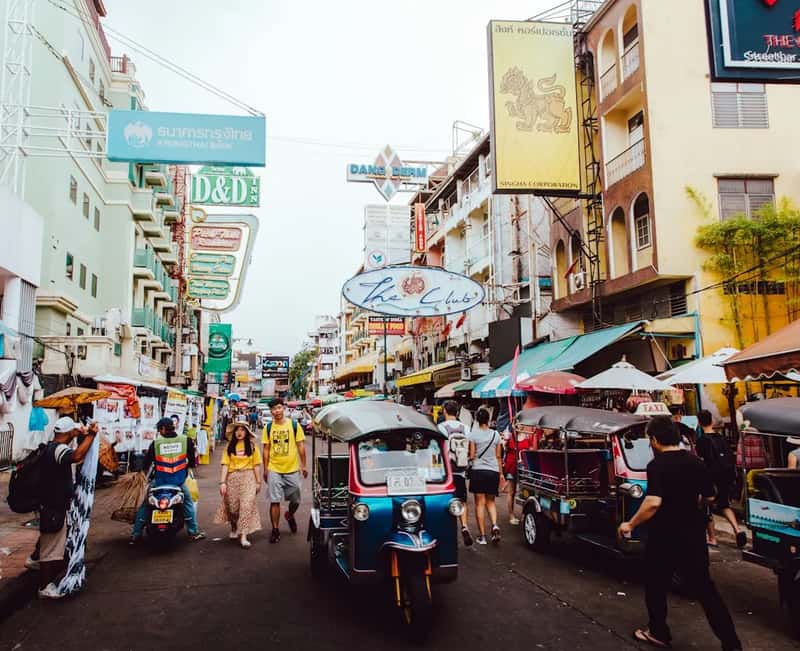
Thailand’s score of 32 reflects ongoing issues tied to its military-influenced political system, along with periodic scandals involving police and customs officials. Bribery in small business licensing and traffic enforcement is something residents often mention candidly. It’s a well-known dynamic that rarely makes headlines abroad but shapes daily governance.
Even so, Bangkok, Phuket, and Chiang Mai remain some of the most visited destinations in Asia. Thailand has spent decades refining a tourism infrastructure built around convenience, affordability, and a strong safety net for foreign visitors, including dedicated tourist police units in major cities. The country’s reputation for hospitality, combined with genuinely low violent crime rates against tourists, keeps millions coming back annually.
7. Indonesia
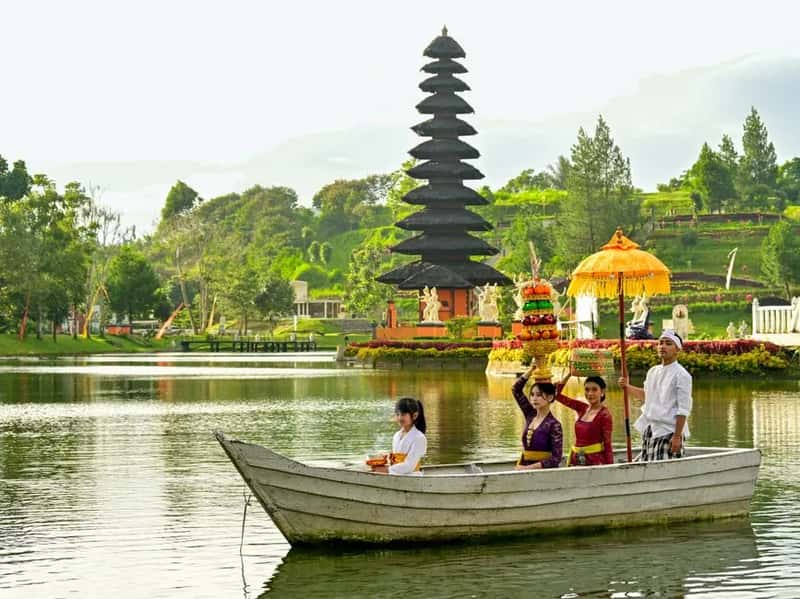
Indonesia scored 34, a figure influenced by corruption cases reaching into the judiciary, natural resource permitting, and local government contracts. The country’s anti-corruption commission has pursued numerous prosecutions over the years, though enforcement remains inconsistent across its many islands. Governance quality varies noticeably from region to region.
Bali continues to operate almost as its own tourism universe within the country, with an economy so dependent on foreign visitors that local infrastructure caters heavily to their comfort and safety. Beyond Bali, destinations like Yogyakarta and the Gili Islands maintain a similarly welcoming reputation. Visitors typically report that whatever friction exists in Indonesian bureaucracy rarely intersects with the tourist experience in any meaningful way.
8. Sri Lanka
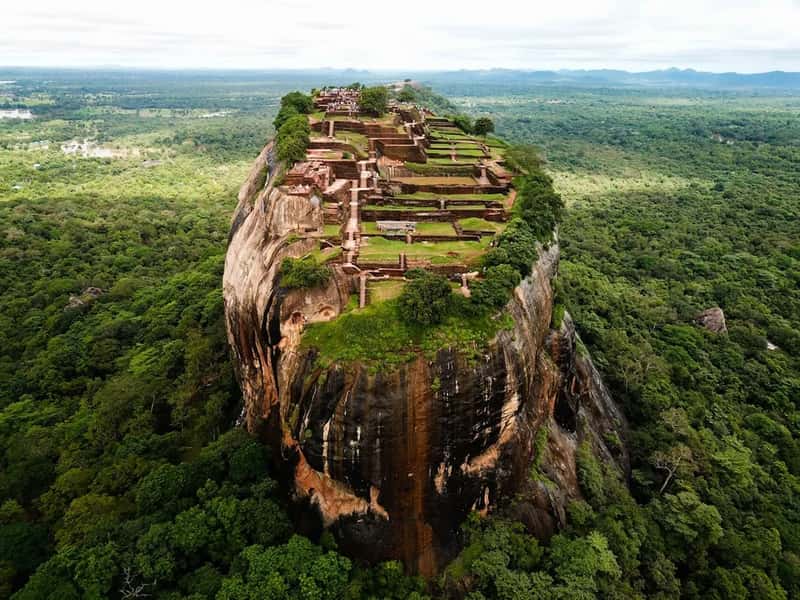
Sri Lanka’s score of 34 comes after a period of significant political and economic turmoil, including the 2022 debt crisis that exposed deep-rooted mismanagement and alleged corruption at senior government levels. Public trust in institutions took a real hit during that period, and recovery has been gradual. The scars from that crisis are still visible in ongoing governance debates.
Tourism has bounced back steadily since then, with Sigiriya’s ancient rock fortress, the tea country around Ella, and southern beach towns pulling in a growing stream of international visitors. The island’s compact size makes it relatively easy to navigate, and locals have leaned into hospitality as a genuine pathway to economic recovery. Most travelers describe Sri Lanka as calm, friendly, and easier to get around than its recent headlines might suggest.
9. Argentina
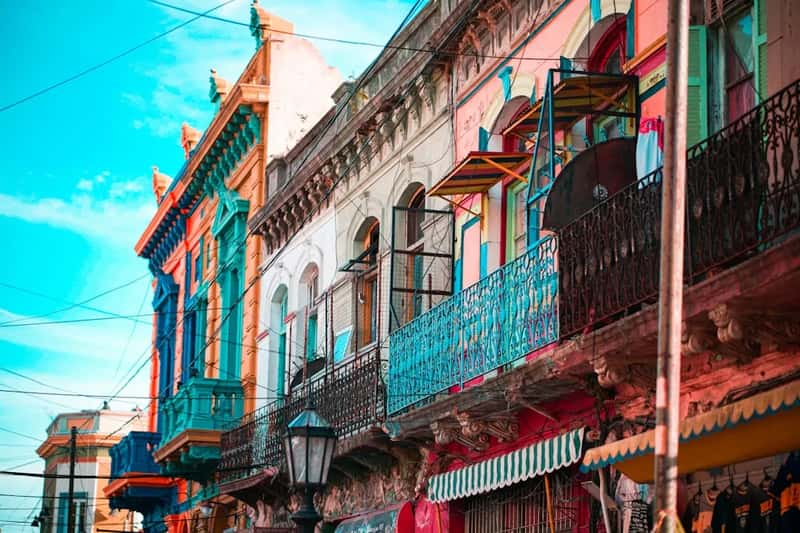
Argentina scored 36 on the 2025 index, a number tied to long-standing concerns over public spending irregularities, currency controls, and corruption cases involving former officials. Economic instability has repeatedly intersected with governance issues over the past decade. It’s a topic that features constantly in Argentine political discourse.
None of that has dented Buenos Aires’ appeal, nor the pull of Patagonia’s glaciers and the wine country around Mendoza. Argentina’s tourism sector benefits from a strong cultural identity, excellent food and wine, and cities built around walkable, European-style neighborhoods. Visitors generally find the country easy to navigate safely, even amid currency fluctuations and political noise back home.
10. Dominican Republic
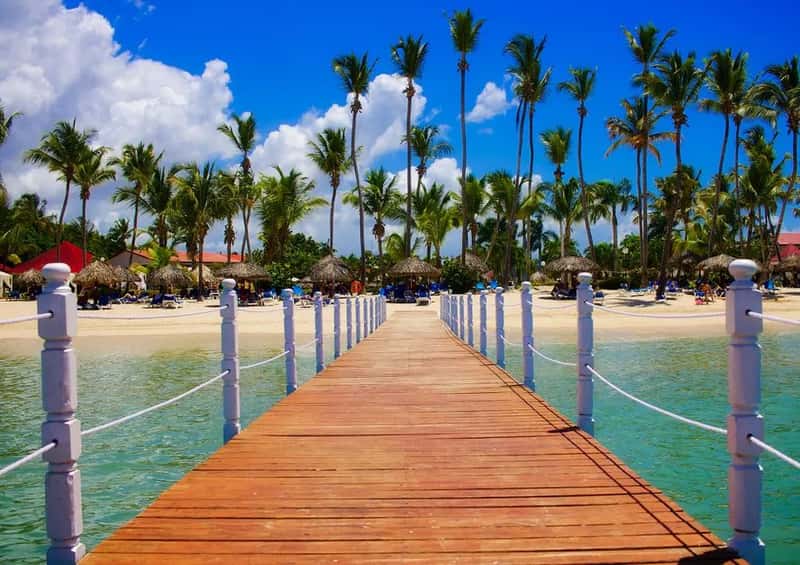
The Dominican Republic scored 37, shaped by recurring concerns about public procurement fraud and judicial inefficiency. Several corruption investigations involving state contracts have made national news in recent years. Institutional weaknesses remain a persistent talking point in domestic politics.
Punta Cana’s resort zone, however, functions almost like a controlled environment, with all-inclusive properties handling nearly every aspect of a visitor’s stay. This resort-driven tourism model, which channels the majority of foreign visitors through a handful of well-guarded coastal areas, largely shields travelers from broader governance issues. It’s part of why the country remains one of the most visited destinations in the Caribbean despite its CPI ranking.
11. Morocco

Morocco scored 39, reflecting moderate but persistent concerns over bribery in licensing, customs, and local administration. Corruption watchdogs have flagged uneven enforcement of anti-graft laws despite formal reforms introduced over the past decade. Progress has been real but slower than officials have promised.
Marrakech’s medina, the Sahara’s dunes near Merzouga, and the coastal charm of Essaouira continue to draw steady numbers of visitors from Europe and beyond. Morocco has invested heavily in tourism infrastructure, and its blend of accessible geography and distinct culture makes it one of North Africa’s most reliable travel destinations. Most tourists report a strong sense of safety, particularly in well-established riads and guided excursions.
12. India
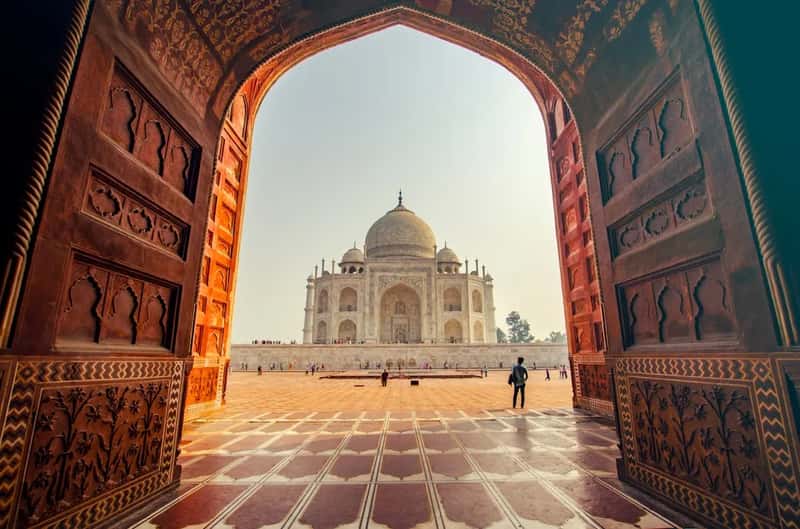
India scored 39 in the 2025 index, ranking 91st globally, a slight improvement from the previous year but still indicative of deep-rooted corruption in permitting, land records, and local administration. Bribery at lower levels of bureaucracy remains a documented part of daily life for many residents. It’s a persistent friction point that Indian civil society continues to push against.
Tourism, meanwhile, keeps expanding steadily, from the Taj Mahal in Agra to the beaches of Goa and the backwaters of Kerala. India’s tourism sector has built dedicated infrastructure around foreign visitors, including tourist police, curated heritage circuits, and a hospitality industry with decades of experience managing international expectations. Travelers frequently describe the country as intense but ultimately manageable, with corruption largely invisible to those staying within organized tourist circuits.
What ties these twelve destinations together isn’t an absence of corruption, but a kind of separation between where that corruption operates and where tourists actually spend their time. Resort zones, guided tours, and well-established travel corridors tend to function with a level of order that the national statistics don’t capture. That gap is worth understanding, not as an excuse to ignore governance problems, but as a reminder that a country’s institutional troubles and a traveler’s day-to-day experience can be two very different things.