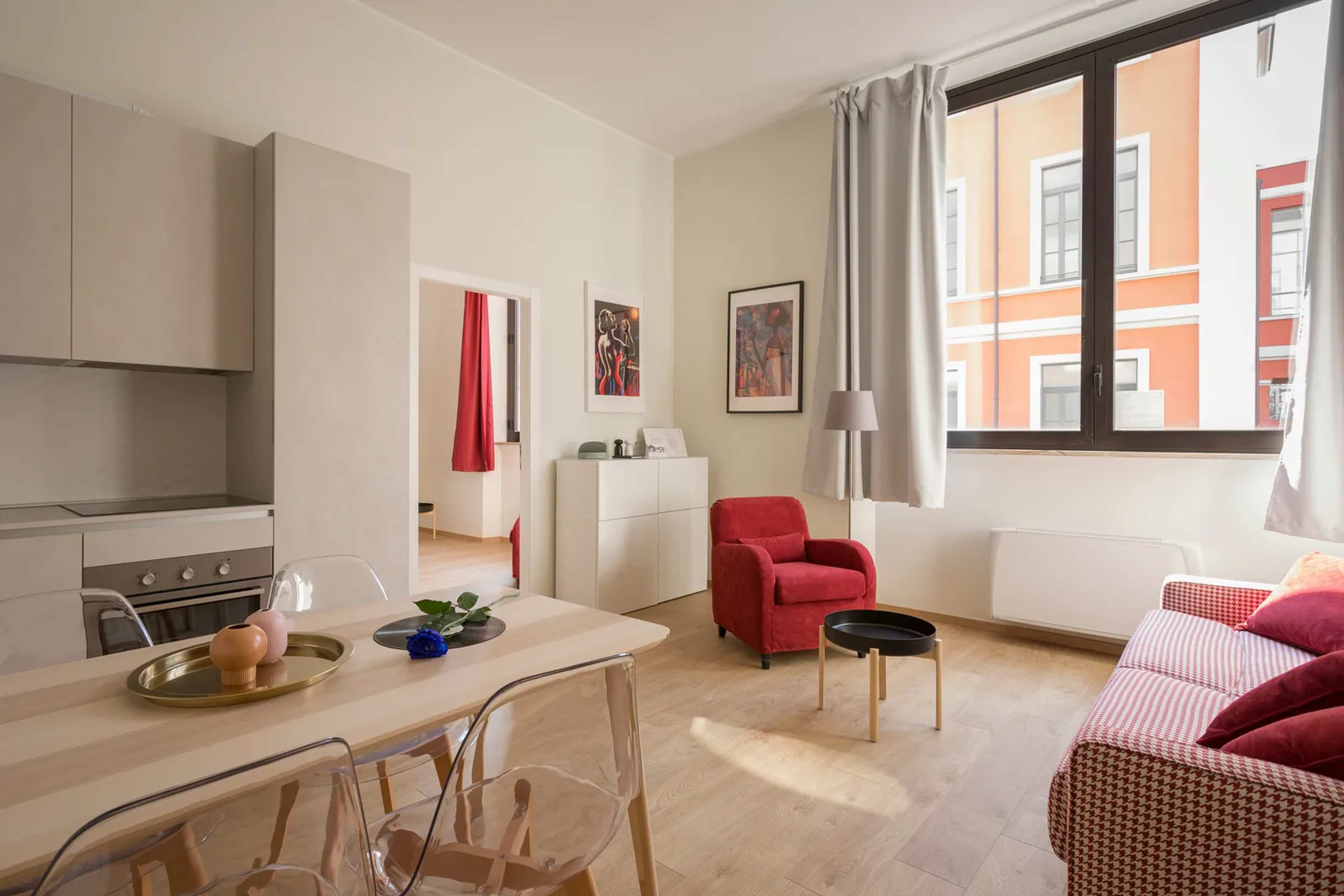
Twelve hundred dollars barely covers rent in parts of San Francisco or a mid-tier apartment in Toronto. Yet in a handful of countries, that same figure buys a private condo with a pool, staff-supported villas, or a centrally located flat with room to spare for dining out and healthcare. The gap isn’t about lowering standards, it’s about geography and where currencies stretch furthest.
What follows is a grounded look at seven places where a monthly budget around $1,200 can fund a lifestyle that would cost two or three times as much back home. Some destinations lean tropical, others urban and historic, but each one offers a real shot at comfortable, even upscale, living without a six-figure income.
Thailand: Chiang Mai’s blend of condo living and street food savings
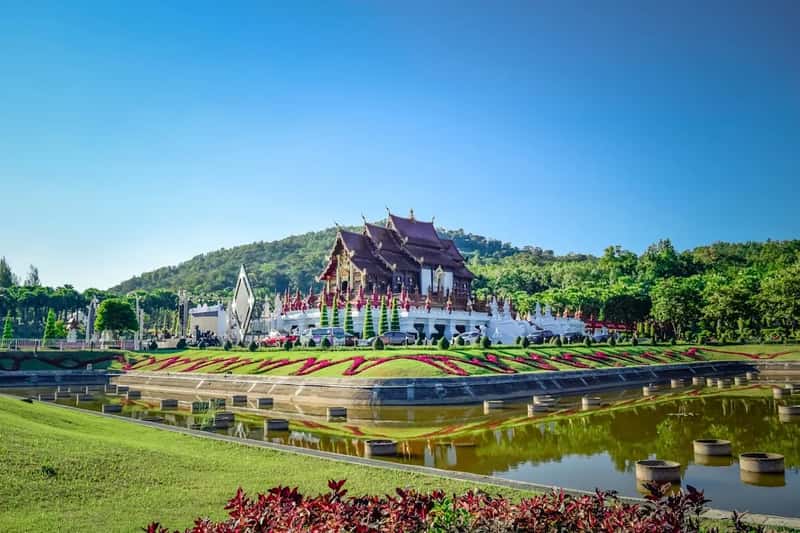
Chiang Mai has built a reputation as one of Southeast Asia’s best value cities for expats, and the numbers back it up. Housing costs 900-1,400 USD for a serviced apartment or villa in a desirable area[1], while a comfortable, non-luxury lifestyle sits well under that threshold. A comfortable Bangkok lifestyle with a modern condo and mixed dining runs $1,200 to $1,800 a month[2], and Chiang Mai typically comes in even lower for the same standard.
The city rewards people who mix habits rather than go all-in on Western spending. A premium living tier includes a serviced apartment or villa plus 400 to 600 dollars for food with frequent restaurant visits and international groceries[1], and even at the higher end, $2,000 funds a near-luxury lifestyle with a top-tier condo, daily Western meals, and regular travel[3]. For $1,200, a single traveler can land somewhere between the comfortable and premium tiers, especially if healthcare and transport costs stay moderate.
Vietnam: Da Nang and the rise of affordable coastal luxury

Vietnam has quietly become one of the more compelling destinations for people chasing a beach lifestyle on a modest budget. It’s feasible to live on under $1,500 a month in Vietnam and still eat out often and enjoy a good life, with rents even lower than Thailand in cities like Da Nang or Nha Trang[4]. For a single person, that budget flexibility often means a modern one-bedroom near the coast with money left for dining and leisure.
The country’s healthcare system adds to the appeal, since private clinics in major cities offer Western-standard care at a fraction of American prices. Vietnam doesn’t yet have a dedicated retirement visa, so most long-stay residents rely on renewable visa options, which is worth factoring into any relocation plan. Even so, for travelers prioritizing lifestyle over paperwork simplicity, the combination of low costs and improving infrastructure makes Vietnam one of the more underrated entries on this list.
Bali, Indonesia: private villas without the villa price tag
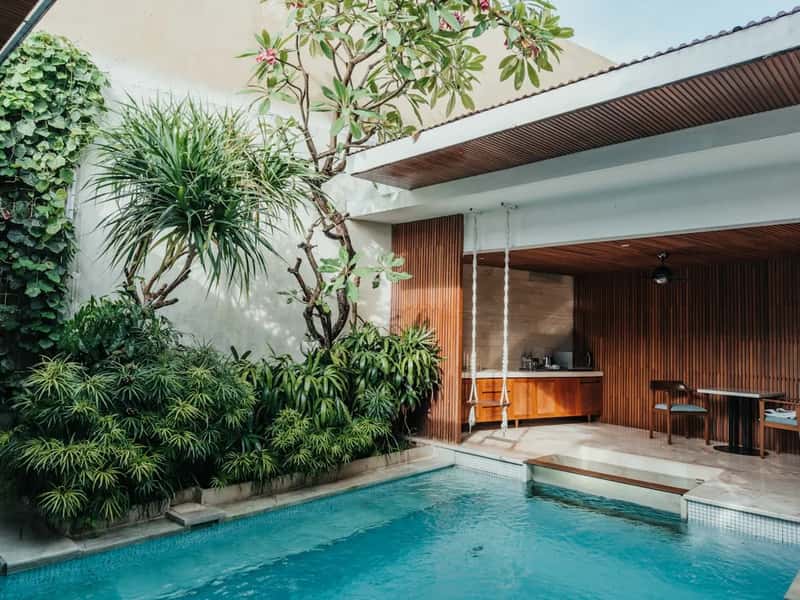
Bali’s image as a luxury escape used to come with a matching price tag, but that’s shifted. A frugal expat or nomad lifestyle in Bali runs $800 to $1,200 a month, covering a simple house or room, a mix of local and Western food, and scooter rental[5]. Push slightly past that number and the upgrade is significant.
A more comfortable expat lifestyle, such as renting a private villa in areas like Sanur or the Ubud outskirts, usually ranges from $1,800 to $2,500 per month[6], which puts a $1,200 budget just below full villa territory but still within reach of a nice house with a shared or small private pool. A family-suitable 2-3 bedroom villa with a pool in Canggu or Seminyak typically runs $1,200 to $2,200 a month on a yearly lease[7], meaning solo travelers or couples willing to negotiate longer stays can land housing that would be unthinkable at this price in most Western beach towns.
Georgia: Tbilisi’s European feel at Southeast Asian prices

Tbilisi doesn’t get the same spotlight as Bangkok or Bali, but it deserves more attention from anyone chasing European architecture on a modest income. A single person spends around $1,187 per month with rent, or $643 for everyday expenses alone[8], putting the $1,200 mark almost exactly at the city’s average comfortable-living line. That number covers a genuinely walkable, historic capital with wine bars, thermal baths, and a growing café culture.
Rent is the biggest variable, and it swings widely by neighborhood. A furnished one-bedroom flat in a central, expat-popular district like Vera, Vake, or Sololaki typically runs about $500 to $900 per month, while comparable apartments in outer areas fall to $300 to $550[9]. That flexibility means a $1,200 budget can fund either a central flat with a tighter food and leisure allowance, or a slightly outer-district apartment paired with frequent dining and Georgia’s famously affordable wine.
Mexico: colonial charm and modern comforts beyond Mexico City
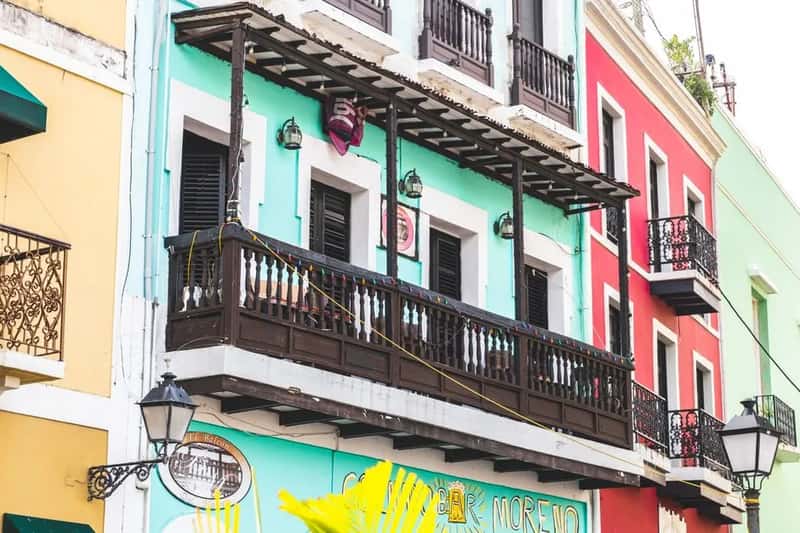
Mexico’s reputation for value living holds up well outside its priciest zones, particularly in cities like Puebla, Mérida, and Querétaro. A couple can retire in Mexico with a monthly income of $2,000 to $2,500, while a single person can live in Mexico for about $1,500 to $2,000 monthly[10], figures that reflect a comfortable, not bare-bones, standard. A $1,200 budget sits just under that comfortable range, which typically means trading a beachfront condo for a colonial-style apartment or a slightly smaller unit inland.
Healthcare remains one of Mexico’s strongest selling points, with private hospitals in major cities offering quality care well below US rates. Food costs stay low across most regions, especially away from tourist-heavy coastal areas where prices climb toward American levels. For travelers willing to settle in a secondary city rather than a resort town, $1,200 can still cover a modern one-bedroom, regular meals out, and a reasonable transportation budget.
Colombia: a hidden gem for boutique apartment living
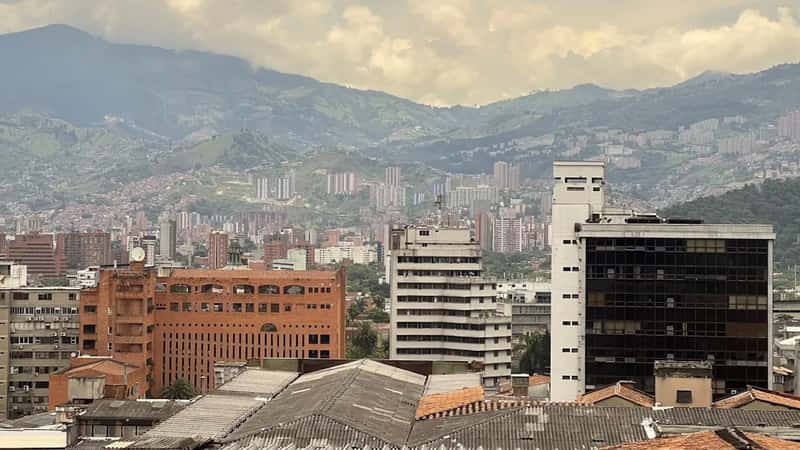
Colombia has emerged as one of the more talked-about budget-friendly destinations for people who still want a polished lifestyle. Countries like Bulgaria, Nicaragua, and Colombia offer emerging luxury experiences at surprisingly low prices[11], and Colombia in particular benefits from a mild climate in cities like Medellín, where “eternal spring” conditions mean no extra spending on heating or air conditioning. It’s also frequently listed alongside Mexico and Ecuador as a practical option for retirees stretching a limited income.
Mexico, Colombia, Ecuador, Malaysia, and the Philippines are popular choices for retirees looking to lower their living costs[12], and Colombia stands out for its combination of walkable neighborhoods, a strong coffee and food culture, and rental stock that includes modern high-rise apartments at prices well below comparable US or European cities. A $1,200 monthly budget in a city like Medellín typically covers a one-bedroom apartment in a desirable neighborhood, regular dining out, and enough left over for transportation and entertainment.
Malaysia: Penang and Kuala Lumpur’s condo culture

Malaysia rounds out this list with arguably the most polished infrastructure of any country here, from reliable public transit to modern shopping centers and hospitals accredited to international standards. A comfortable lifestyle in Malaysia runs $1,400 to $2,100 a month, with a modern apartment and plenty of discretionary spending[12]. That places $1,200 just under the comfortable threshold, which in practice often means a slightly smaller condo unit or a location a short distance from the priciest downtown cores.
Penang in particular has built a name for itself among long-stay travelers thanks to its mix of colonial architecture, street food culture, and beach access, all at a fraction of Kuala Lumpur’s rent. It’s feasible to live on under $1,500 a month in Malaysia and Vietnam and still eat out often and enjoy a good life[4]. The country’s Malaysia My Second Home program has also made longer stays more accessible for foreigners, adding a layer of stability that pairs well with its already low cost structure.
Making the $1,200 budget work in practice

None of these seven countries turn $1,200 into an unlimited luxury fund, and the honest picture involves trade-offs. A traveler chasing this budget usually has to pick between prime-location housing with a tighter food allowance, or a slightly less central apartment paired with more frequent dining out and leisure spending. Currency swings, visa rules, and local inflation can also shift these numbers within a matter of months, so treating any figure as a firm guarantee rather than a planning range is a mistake.
What ties these destinations together isn’t just low prices, it’s the fact that $1,200 buys something recognizably upscale rather than merely adequate. Whether that’s a Chiang Mai condo with a pool, a Tbilisi flat near a centuries-old bathhouse district, or a Bali villa shared with a partner, the common thread is a standard of living that would demand a far larger budget in most Western cities. For anyone willing to relocate and adapt, that gap between cost and comfort is where the real value sits.